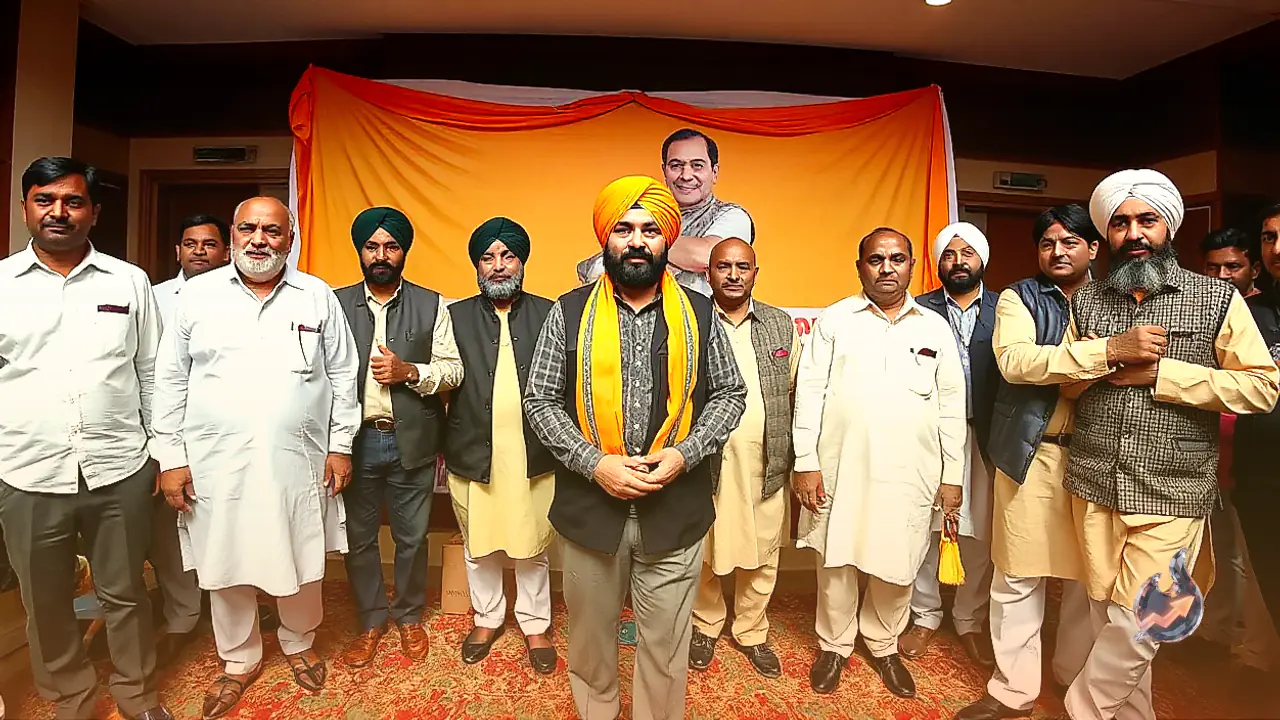

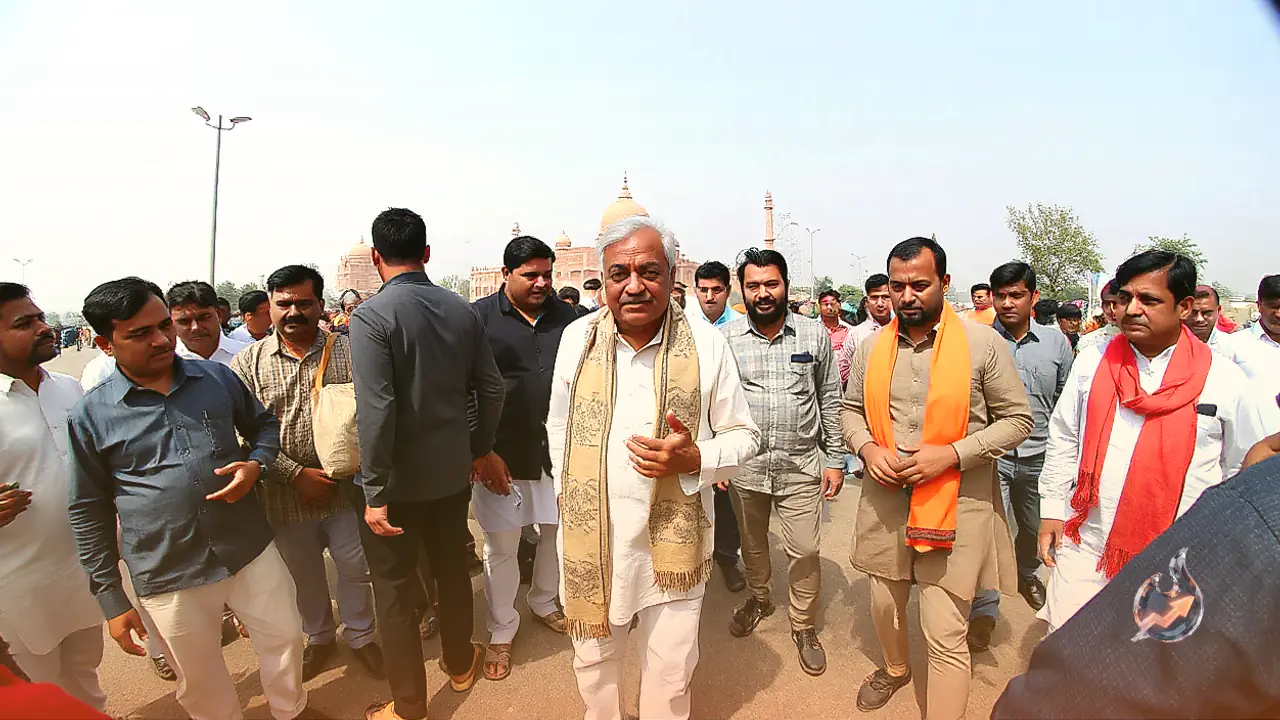
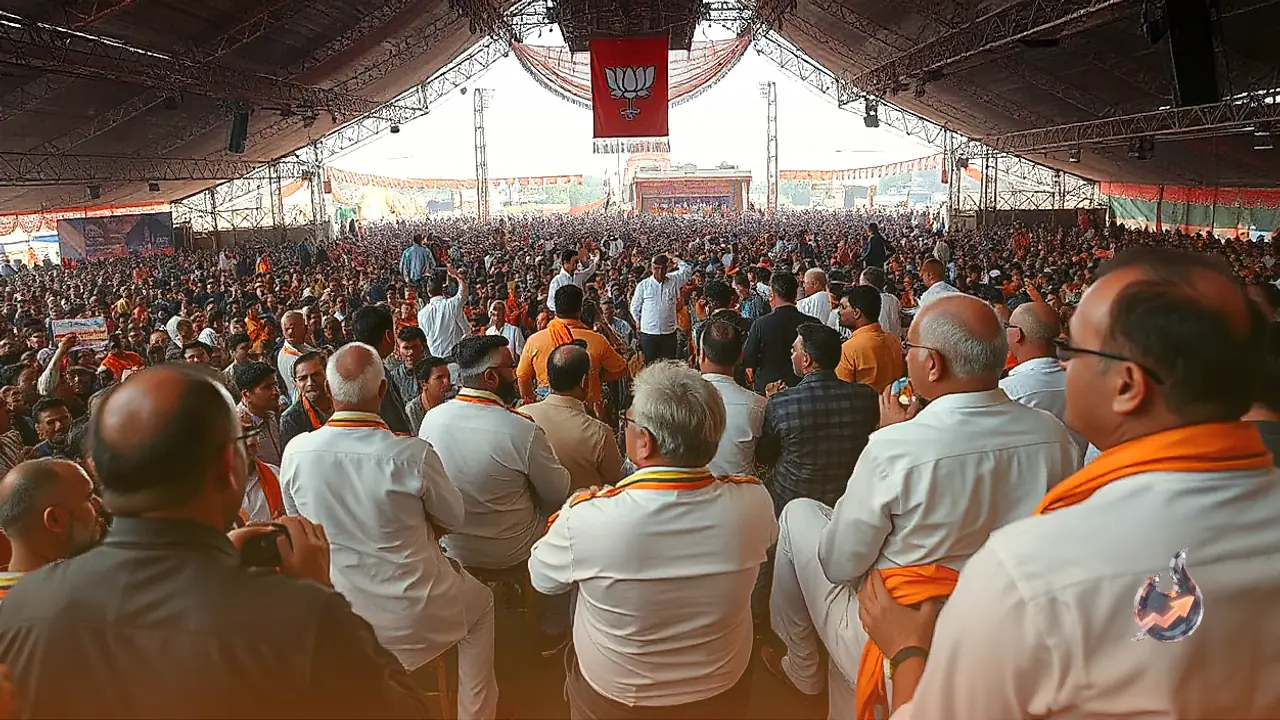














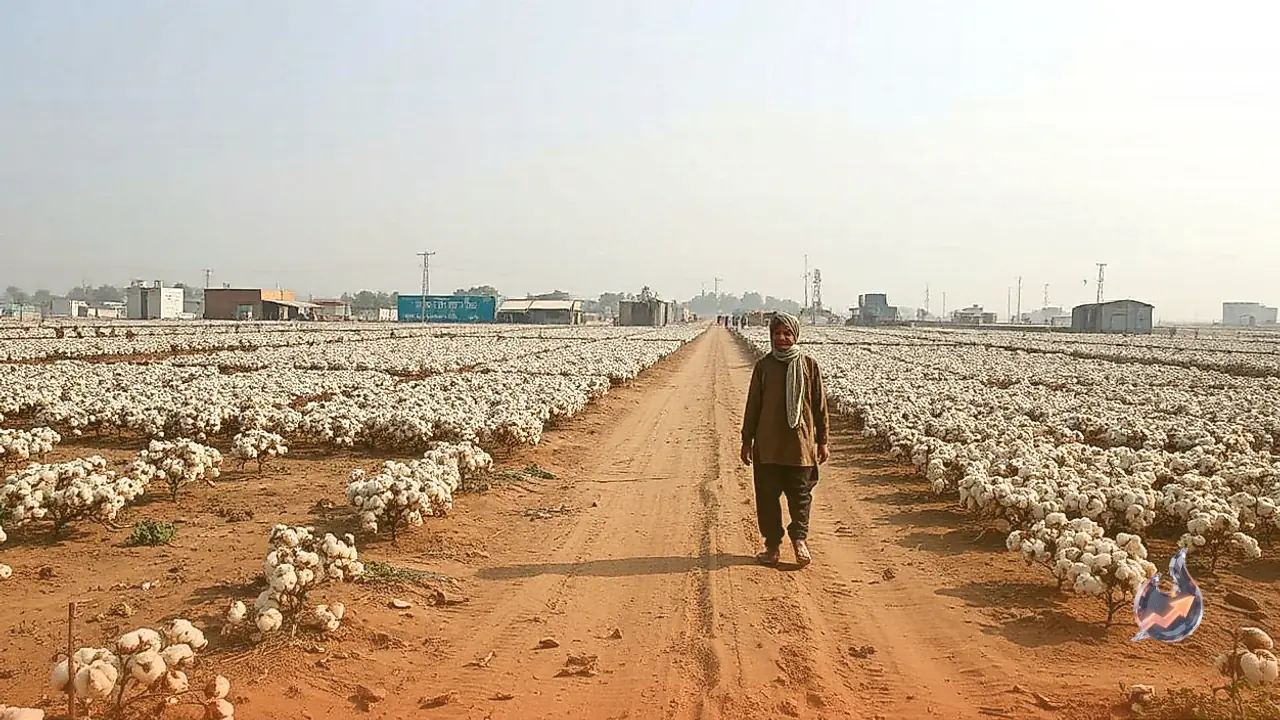

From raw cotton harvesting in agrarian belts to mechanized spinning, weaving, garment stitching, and final shipment to international retail shelves, the entire cycle of textile manufacturing operates seamlessly inside Punjab. For global apparel brands seeking production resilience, fragmented supply networks across different regions frequently introduce logistics delays and cost overruns. In contrast, Punjab concentrates every phase of clothing production within its state boundaries. During the BharatTex 2026 trade convention in New Delhi, this vertically integrated production model was placed before leading domestic and international manufacturing companies. Chief Minister Bhagwant Singh Mann showcased the state's updated industrial framework, urging businesses to establish new manufacturing facilities and expand existing operations across its textile hubs.
A Unified Production Pipeline from Cotton Fields to Garments
Punjab's textile industrial framework operates as a continuous, unbroken chain. The process originates in local cotton farming and moves directly into high-capacity spinning mills for yarn manufacturing, followed by automated weaving, chemical processing, specialized knitting, and finished garment assembly. This tight local proximity eliminates the need to haul intermediate materials between multiple provinces, drastically cutting down transit timelines. Speaking at BharatTex 2026, Chief Minister Mann highlighted that Punjab's integrated ecosystem creates fertile ground for capital inflow, employment expansion, and overseas shipments. Beyond large industrial powerhouses, the ecosystem sustains thousands of micro, small, and medium enterprises that handle specialized manufacturing tasks, supplying essential components and services to principal apparel labels.
Surpassing 1.2 Billion Dollars in Textile Shipments
Trade metrics reflect the expanding international footprint of Punjab's manufacturing clusters. During fiscal year 2024-25, exports of textiles and finished apparel from the state crossed 1.2 billion dollars, accounting for approximately 4 percent of India's total textile and clothing exports. Goods manufactured in the state consistently reach major consumer destinations, with prominent import volumes recorded in the United States, the United Arab Emirates, and the United Kingdom. Moving beyond traditional trade corridors, regional authorities are actively working to diversify product lines, enter unpenetrated geographical markets, and anchor regional textile enterprises directly into tier-one international supplier networks.
Ludhiana Anchors Northern India's Apparel Ecosystem
Ludhiana occupies an unmatched position as the central engine of Punjab's garment sector. Chief Minister Mann identified the industrial city as the largest knitwear and garment manufacturing center in Northern India. Production volumes demonstrate this dominance, with Ludhiana supplying around 90 percent of the entire country's woolen knitwear and approximately 65 percent of its domestic hosiery output. Major manufacturing corporations operating out of the state include Vardhman, Sanatan Textiles, Nahar, Monte Carlo, Ganga Acrowools, Sportking, Shingora, and Octave. Working alongside these corporate operations are thousands of small processing workshops and auxiliary fabricators that supply specialized finishing, embroidery, and packaging, creating an expansive supplier base that reinforces Punjab's manufacturing reputation.
Advancing into Technical, Industrial, and Medical Textiles
While traditional clothing and hosiery maintain strong momentum, Punjab is deliberately pivoting toward high-value technical textiles. The industrial roadmap seeks to expand manufacturing capacity in medical fabrics, industrial protection gear, specialized geotextiles for construction, eco-friendly sustainable fibers, smart sensor-embedded fabrics, and high-performance athletic wear. To support the technical requirements of these complex products, Chief Minister Mann urged the Confederation of Indian Industry (CII) to evaluate establishing a technical textiles Center of Excellence in Jalandhar, structured around advanced material testing laboratories and research facilities.
Streamlined Approvals Under Industrial Policy 2026
To reduce compliance delays and simplify regulatory oversight, the administration introduced the Punjab Industrial and Business Development Policy 2026. Formulated following structured consultations with industrial associations, the policy prioritizes infrastructure creation, uninterrupted industrial power access, workforce skill enhancement, and targeted export assistance. A key element of the administrative framework involves single-window and single-pane digital clearance channels. Digital platforms, notably Invest Punjab and FastTrack Punjab, serve as unified interfaces designed to compress permit processing times, minimize paperwork overhead, and ensure procedural clarity for prospective factory operators.
Investment Volumes and Employment Targets
Presenting economic figures at the BharatTex forum, Chief Minister Mann stated that Punjab secured 2 lakh crore rupees in total industrial investments over the past 4 years, generating roughly 5 lakh employment opportunities. He observed that cumbersome bureaucratic hurdles and unfavorable operating conditions under earlier administrations had driven enterprises away from the region. The current policy focus concentrates on removing administrative friction and restoring enterprise confidence. Furthermore, the Chief Minister identified Mohali as 'India's second Silicon Valley', underscoring the necessity of connecting IT development, higher education hubs, research institutions, and manufacturing corporations to build competitive, technology-driven production facilities across the state.