

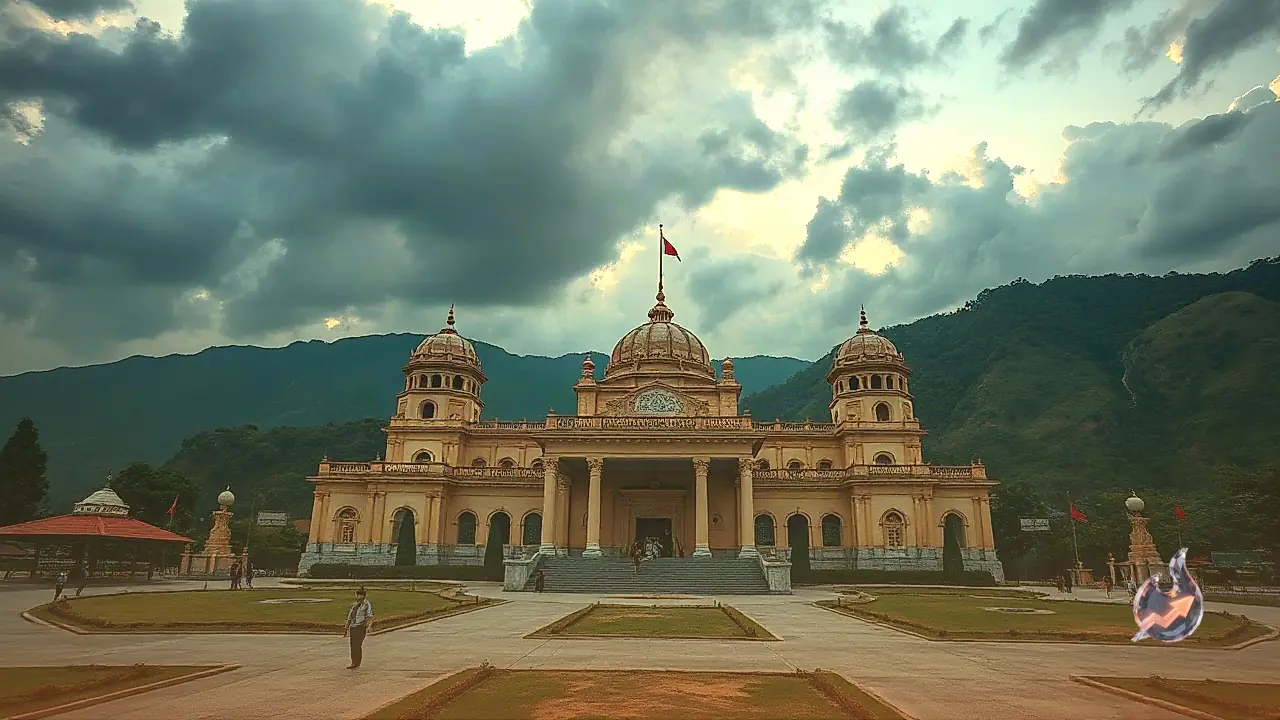



















The historical region of Bharatpur in Rajasthan is renowned not only for its valorous past and brave rulers but also for its extraordinary architectural legacy and historic monuments. Spread across the city and its surrounding areas, these heritage structures showcase magnificent engineering techniques, intricate stone carving, and traditional design traditions. For history enthusiasts, architecture scholars, and travelers, these sites remain a major attraction, reflecting centuries of rich heritage and cultural pride.
A Citadel of Impregnable Defense: The Fort of Bharatpur
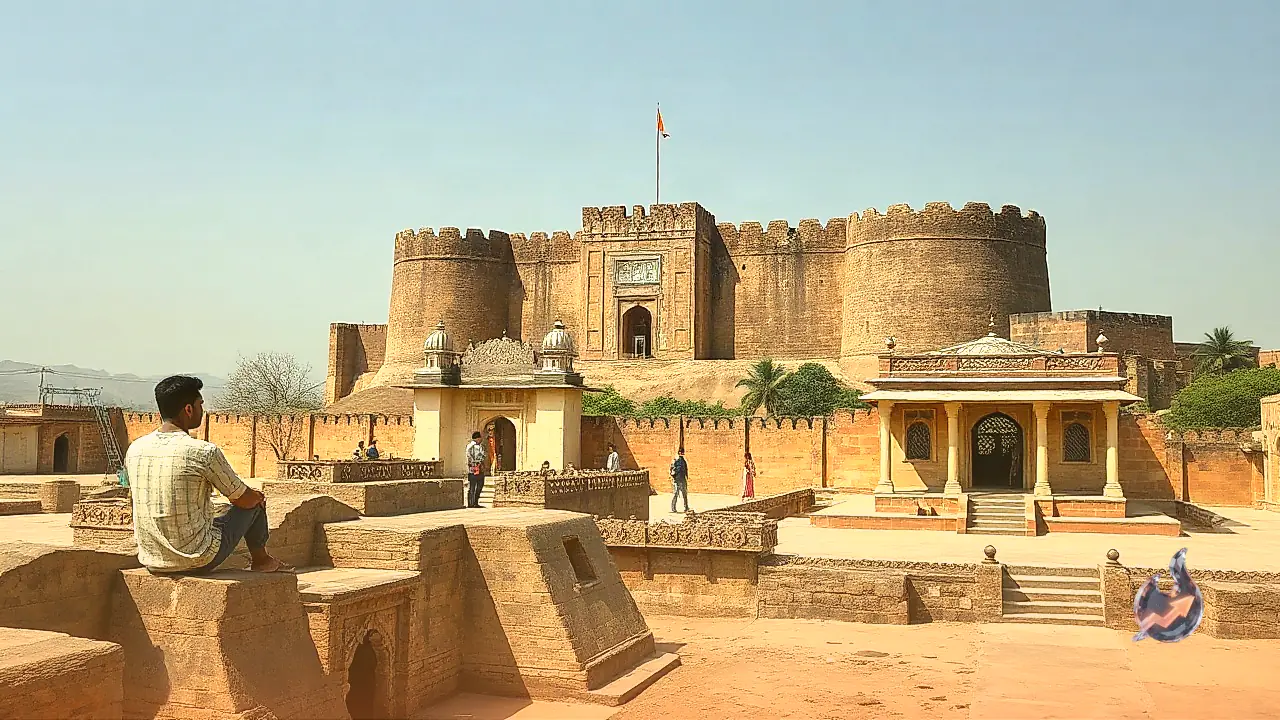
Among all the historical monuments in Bharatpur, the famous fort holds the most prominent position, distinguished by its unique construction and formidable security architecture. Built with remarkable foresight by the rulers of that era, the fort was engineered to be virtually impregnable against enemy sieges. A defining feature of its construction was the innovative combination of mud and stone, designed to absorb and neutralize heavy artillery fire.
The massive ramparts, robust entry gates, and strategically designed defense systems reflect the advanced military engineering of the period. The outer earthen layers effectively cushioned the impact of cannonballs, preventing structural breaches. This defensive design stands as a testament to the resourcefulness of ancient craftsmen who utilized locally available materials to create enduring defensive marvels.
Exquisite Sandstone Craftsmanship: Akbar's Jhajjhari
Another significant historical asset of Bharatpur is Akbar's Jhajjhari, an architectural gem crafted from high-quality sandstone. Renowned for its unique structural design and fine carvings, this edifice serves as a prime example of the region's rich stone-crafting traditions. The extensive use of local red and buff sandstone highlights the mastery of stonemasons who shaped the region's architectural identity.
The intricate stone lattice work and decorative motifs on Akbar's Jhajjhari continue to captivate visitors and historians alike. The structure provides valuable insights into the artistic standards and masonry skills prevalent during that era, emphasizing Bharatpur's historically significant role in stone craftsmanship.
Water Conservation and Sepulchral Art: Brahmbad Stepwell and Kale Khan's Tomb
Located in the neighboring areas of Bharatpur, the stepwell of Brahmbad (Brahmbad ki Bawri) stands as a notable example of traditional water management and architectural finesse. Historically, this stepwell served as a critical hub for water storage and community reliance. Its beautifully crafted entrance archways, symmetrical staircases, and traditional layout distinguish it from other stepwells across Rajasthan.
Similarly, the tomb of Kale Khan, situated in the Kunda area, attracts interest due to its distinctive architectural framework. The tomb showcases a blend of medieval design elements and fine localized craftsmanship. Its vaulted domes and decorative features continue to draw tourists and researchers keen on exploring regional tomb architecture.
Preserving Cultural Heritage for Future Generations
These historic structures in Bharatpur are far more than mere stone edifices; they represent living monuments of the city's glorious past and architectural legacy. Places such as the Bharatpur Fort, Akbar's Jhajjhari, Brahmbad Stepwell, and Kale Khan's Tomb act as essential links bridging past history with future generations.
Preservation advocates emphasize the urgent need for structured conservation efforts to protect these sites from environmental wear and urbanization. Raising public awareness about their historical significance is equally vital to ensure that Bharatpur's priceless heritage remains preserved and accessible for generations to come.