

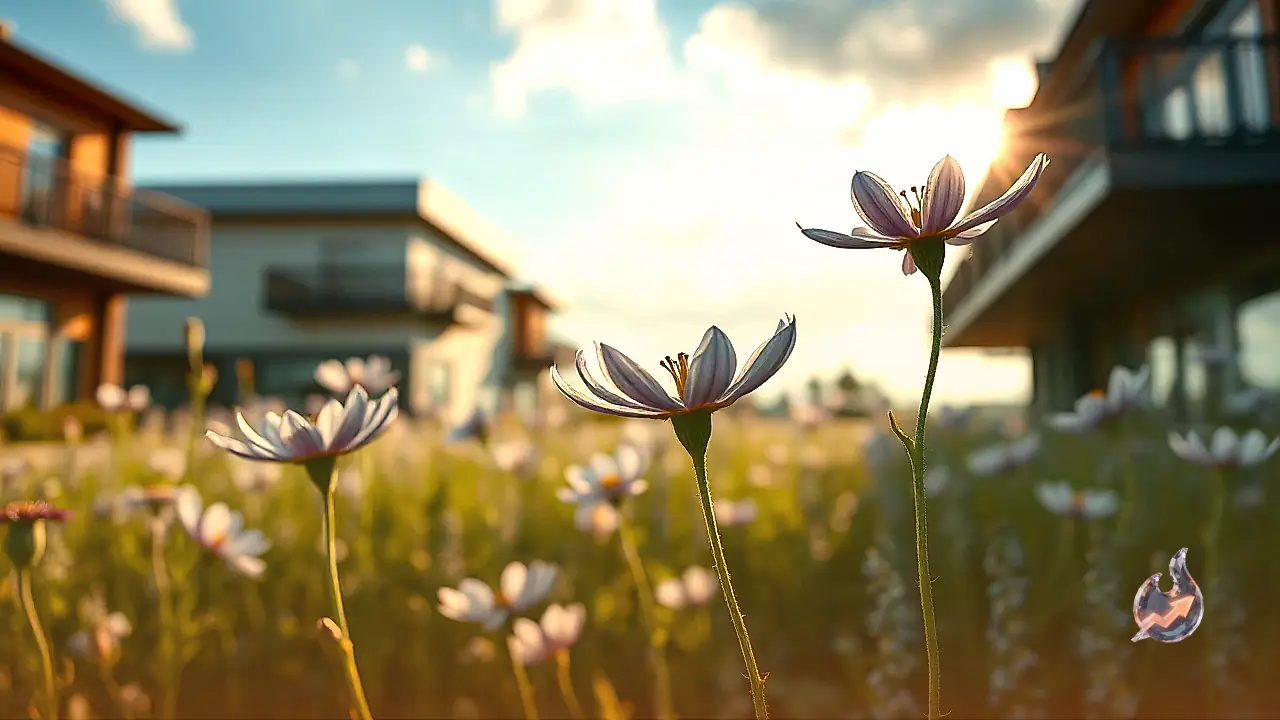





















The aesthetic charm of most floral arrangements is typically measured only during their peak bloom. Once petals begin to drop or fade, flowers are usually discarded. However, certain botanical species break this traditional cycle by remaining visually appealing throughout every phase of their development. Nigella, widely known by its romantic common name Love in the Mist, is one such exceptional flower. With its delicate geometry and misty green surround, Nigella instantly adds a refined, artistic touch to any indoor space. What makes Nigella particularly special is that its decorative value is far from limited to its fully open blossom.
Enchanting Botany: Why Nigella Is Called 'Love in the Mist'
Nigella owes its evocative name, Love in the Mist, to its distinctive botanical architecture. The blossom is surrounded by a dense collar of fine, thread-like bracts and feathery foliage. This delicate green network creates the visual illusion of a vibrant flower floating inside a soft, ethereal cloud of mist. Because of this built-in texture, floral designers frequently use Nigella to introduce depth and intricate detail to cut flower arrangements.
In standard home decor, cut flowers are usually harvested and displayed only when they reach full bloom. Nigella offers a completely different experience. From its initial compact bud to its final seed formation phase, every single stage of its lifecycle presents a distinct visual narrative. Instead of waiting for the flower to wither, homeowners can enjoy its evolving shapes as an ongoing decorative element.
From Compact Bud to Full Bloom: A Multi-Stage Transformation
The bud of the Nigella flower is strikingly ornamental in its own right. When stems are harvested at the tight bud stage and placed in fresh water, they unfurl gradually over several days. Watching the intricate petals open from the surrounding feathery bracts sets Nigella apart from ordinary commercial cut flowers.
For minimal indoor arrangements, a few stems placed inside a small glass vase are more than enough. You do not need large, dense bouquets to make an impression. The natural structural shape and delicate lines of Nigella provide ample visual impact on their own.
Essential Vase Care Tips to Prolong Freshness
To ensure that cut Nigella stems remain crisp and vibrant in your home for as long as possible, specific vase care practices should be followed. Timely and clean cutting is the critical first step. Once stems are cut from the plant, they should be transferred immediately into clean water. Water purity plays a decisive role in determining the vase life of delicate cut flowers.
Replacing the vase water regularly is essential for preventing microbial growth. Adding commercially formulated flower food to the water supplies vital nutrients and suppresses bacterial activity, helping the stems maintain structural integrity. Furthermore, vase placement requires careful consideration. Position your floral display away from direct sunlight, heating vents, and high-temperature areas, as excessive heat accelerates dehydration and causes premature wilting.
A very common mistake in floral care is filling a vase once and leaving the water unchanged for days. Stagnant water quickly becomes contaminated with bacteria, clogging stem channels and shortening the flower's lifespan. Consistently providing fresh, clean water is the single most effective way to keep Nigella fresh.
Post-Bloom Beauty: Seed Pods and Dried Floral Styling
Perhaps the most remarkable trait of Nigella is that its visual interest does not end when blooming concludes. As the petals eventually drop, the central ovary swells into a fascinating, balloon-like seed pod topped with tiny horn-like structures. This transition opens up new possibilities for dried floral arrangements and long-lasting natural accents.
While conventional floral styling focuses exclusively on fresh blossoms, Nigella encourages a broader appreciation of natural decay and structural transformation. Its closed bud, open flower, and sculpted seed pod each offer unique textures that suit different interior styling preferences throughout the seasons.
How to Style Nigella for Minimalist Home Decor
Incorporating Nigella into your home interior is effortless and versatile. Stems can be displayed individually in small transparent glass vessels or blended into light, mixed wildflower bouquets. If you prefer uncluttered, organic aesthetic concepts over heavy formal arrangements, Nigella is an ideal choice.
A few slender stems arranged casually in a clear glass bottle bring a tranquil, nature-inspired feel to coffee tables, desks, or windowsills. The flower requires no elaborate arranging or artificial accessories; its inherent geometry naturally commands attention wherever it is placed.