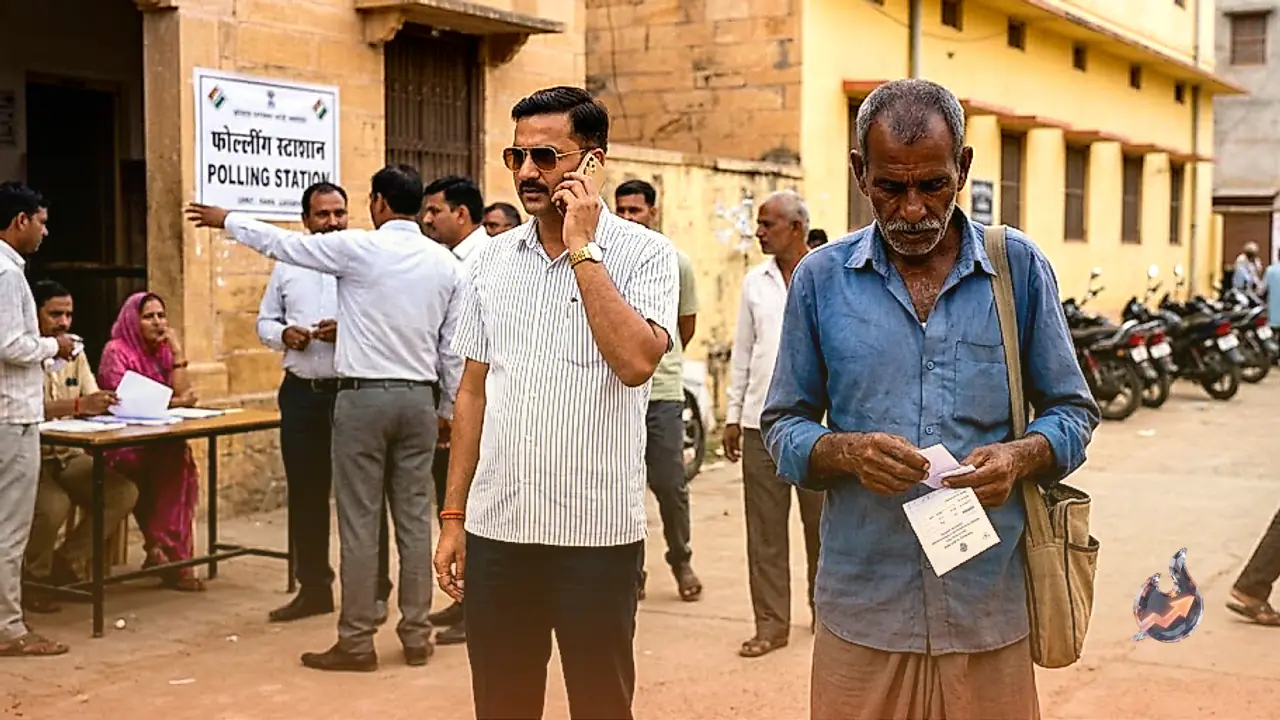




















Campaigning for the upcoming municipal elections in Rajasthan has entered its final and most decisive stretch. Voting across the state is structured in two distinct phases, with the initial round set for 9 September, followed by the second phase covering the capital city of Jaipur on 11 September. As candidate door-to-door outreach intensifies, the political atmosphere inside Ward 69 of Jaipur presents a remarkably sharp contrast to traditional electoral rhetoric. Voters here are no longer acting as passive listeners to political speeches and grand campaign promises. Instead, residents are actively confronting visiting candidates with a detailed checklist of unfulfilled commitments from the past five years. Core municipal issues such as drinking water availability, defective drainage, damaged inner roads, missing sewage networks, lack of government schools and healthcare centers, pending property lease deeds, and public safety are occupying center stage in local discussions.
New Delimitation Ward 69 Inherits Longstanding Infrastructure Deficits
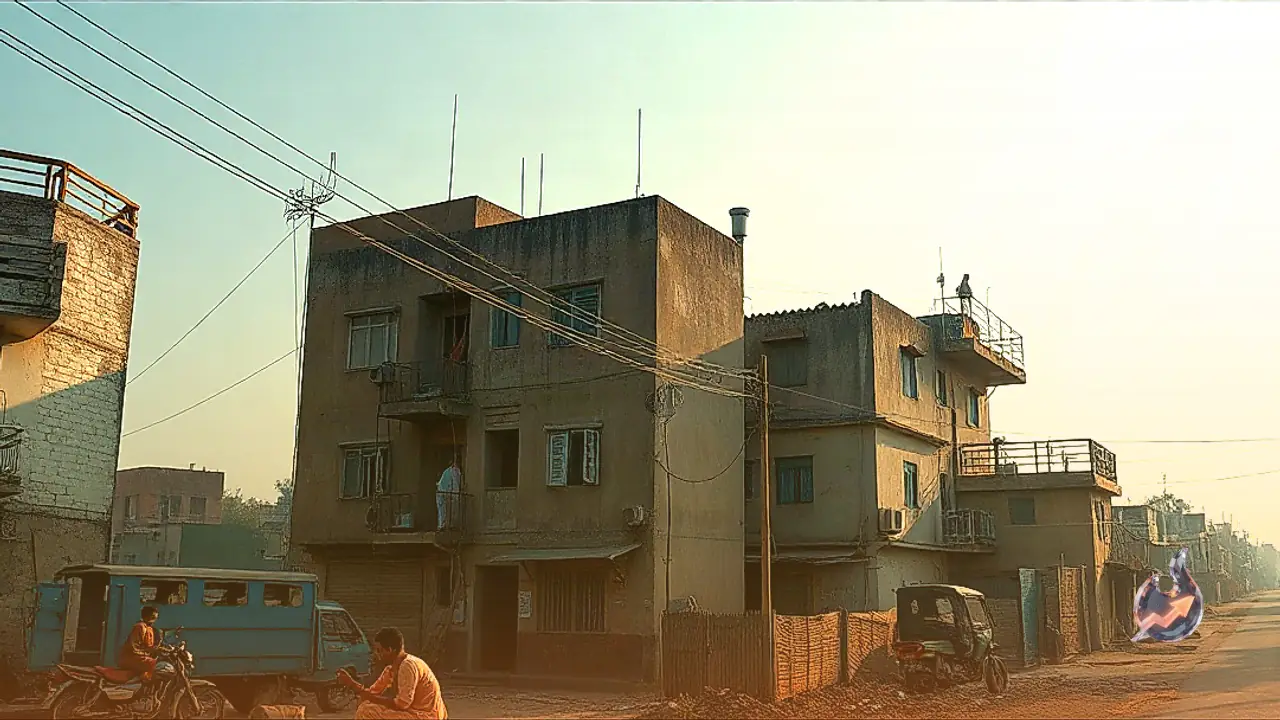
Local residents emphasize that five years ago, during the previous civic elections, identical assurances were given regarding the speedy resolution of neighborhood grievances. However, on-ground realities remain practically unchanged. Densely populated residential clusters along Agra Road, including Vijayanagar, Jayanti Nagar, and Rani Sati Nagar, were brought into Ward 69 following the recent delimitation process. Earlier, these localities formed part of Ward 123. Residents point out that while administrative boundaries and ward numbers changed, the daily struggles associated with basic civic amenities persisted without relief. Consequently, voters in this election cycle are refusing to accept vague assurances. They are demanding clear timelines and enforceable action plans from every contestant on how and when these chronic municipal bottlenecks will be systematically eliminated.
Severe Drinking Water Shortages and High Dependency on Tankers
The supply of potable drinking water remains the single most critical concern for households residing in Ward 69. According to local accounts, candidates in the previous municipal campaign had promised clean drinking water connections through the Bisalpur water supply project. Half a decade later, several streets and colonies are still waiting for regular pipeline infrastructure to be laid. To meet basic household requirements, hundreds of families are forced to purchase private water tankers on a regular basis. Each tanker load costs residents anywhere between 500 and 1000 rupees. For working-class and middle-income households with limited earnings, this recurring expenditure places an unbearable strain on monthly domestic budgets. Furthermore, in pockets relying on local groundwater, high fluoride levels pose serious long-term health hazards. Drinking water scarcity in Ward 69 has consequently transformed from a mere inconvenience into a dominant daily crisis affecting health and finances alike.
Stagnant Wastewater, Waterlogging, and Absent Sewage Systems
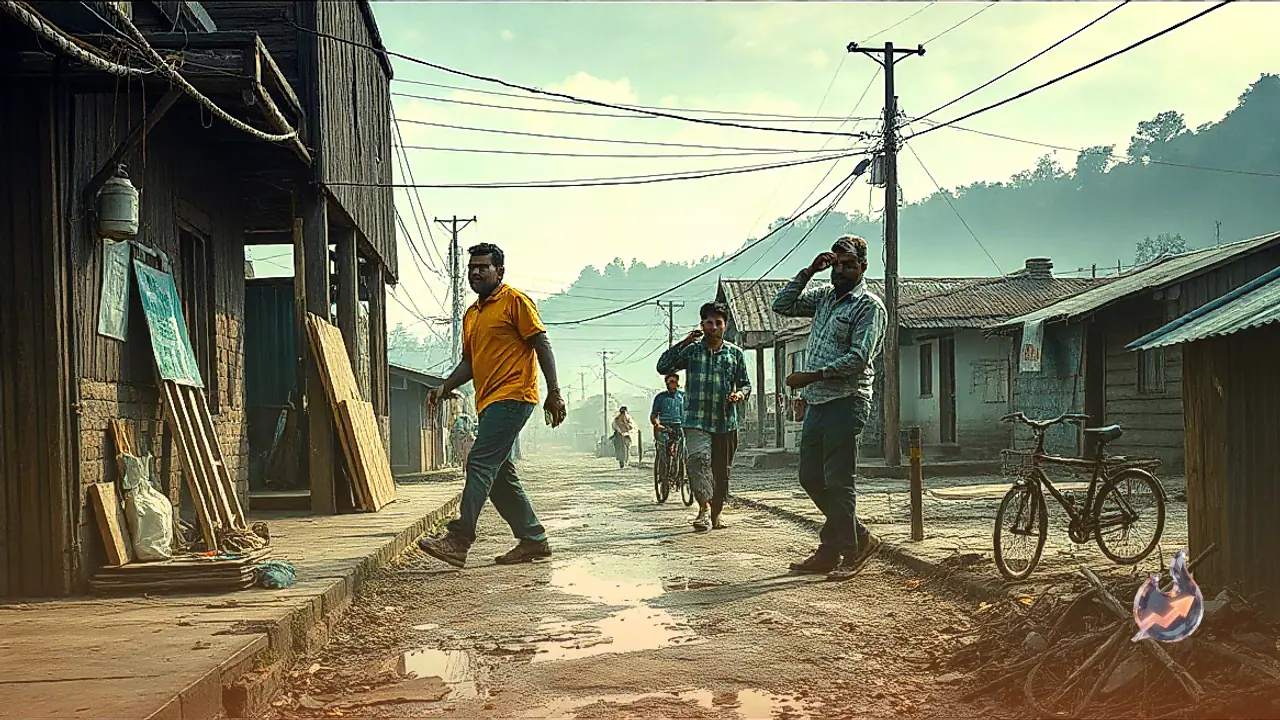
Compounding the water crisis is the widespread problem of poor drainage and persistent waterlogging across the ward. Due to unmaintained roadside drains, dirty wastewater frequently accumulates along main thoroughfares and residential lanes. Monsoon rainfall severely aggravates these conditions, turning unpaved pathways into muddy sludge. Schoolchildren are regularly compelled to wade through contaminated water to reach their educational institutions. Stagnant pools of filthy water also serve as breeding grounds for mosquitoes, significantly increasing the risk of vector-borne illnesses such as dengue and malaria among local families. Residents express deep frustration that while Jaipur is highlighted as a modern metropolitan hub, their neighborhood continues to suffer from fundamental sanitation neglect.
Alongside surface drainage, the absence of a functional underground sewage system remains a major grievance. Community members note that proposals and Detailed Project Reports regarding sewage lines have been discussed for years, yet no concrete construction work has materialized on the ground. Without proper sewage lines, domestic wastewater spills onto open streets, completely undermining public sanitation efforts. Voters are now pressing election candidates for a binding commitment toward implementing a comprehensive sewage network project.
Cosmetic Road Improvements Ignore Internal Colony Lanes
Dissatisfaction regarding road infrastructure is equally prevalent across the ward. Residents allege that municipal authorities typically restrict road construction or asphalt patching to main arterial roads, creating a superficial illusion of urban development. Conversely, internal colony lanes where thousands of residents live and navigate daily remain neglected. Many inner streets are riddled with deep potholes and loose gravel, creating hazardous commuting conditions for two-wheelers and pedestrians. Neighborhood associations maintain that true civic development must extend beyond main thoroughfares and reach the internal residential lanes where community life actually takes place.
Growing Population Outpaces School, Healthcare, and Anganwadi Infrastructure
The rapid expansion of Ward 69's population over recent years has created an acute shortage of social infrastructure. Despite demographic growth, public service facilities have not expanded proportionally. Local residents are calling for the establishment of a government school in the locality to ensure accessible and affordable education for children from low-income families. Similarly, there is a growing demand for additional Anganwadi centers to cater to early childhood nutrition and maternal healthcare needs. The absence of an Urban Primary Health Center forces residents to travel significant distances to distant government hospitals even for routine medical consultations and basic emergency care.
Unresolved Property Regularisation and Pending Land Pattas
Securing legal property ownership through government lease deeds, locally known as pattas, ranks among the highest priorities for Ward 69 home owners. Numerous residential housing blocks along the Agra Road stretch remain unregularised despite decades of occupation. Residents state that although government regularization camps were announced periodically, administrative delays and complex paperwork prevented a large section of the population from obtaining valid land titles. Without official pattas, homeowners face immense difficulty in securing institutional bank loans for home improvements or legal reconstruction. During campaign meetings, voters are insisting on firm pledges from candidates to expedite the issuance of permanent land titles once the new municipal council takes charge.
Neglected Community Grounds: Park Space Converted to Weekly Markets
The neglect of designated public open spaces and recreational parks has further alienated local youth and senior citizens. Land earmarked during the previous election campaign for a public park and sports ground received only a boundary wall structure. No green turf, walking paths, or playground equipment were ever installed. Residents report that the walled enclosure is currently utilized as a site for temporary weekly markets and commercial activities rather than serving its intended public recreational purpose. As a result, children and young sports enthusiasts are left with no safe open spaces within their neighborhood for outdoor activities.
Stray Dog Hazards and Rising Concerns Over Public Safety
The rising population of aggressive stray dogs presents another serious safety hazard for Ward 69 residents, particularly young children and senior citizens venturing out during early morning or late evening hours. Multiple incidents of stray dog bites have been reported, with little effective intervention from municipal animal control squads. Additionally, dark, unlit street corners and the neglected perimeter of the walled park have become gathering points for anti-social elements and substance abuse. Residents are demanding functional street lighting, regular police patrolling, and strict curbs on illegal drug trade to restore safety across the neighborhood. As the 11 September polling date approaches, Ward 69 voters are evaluating candidates strictly on their concrete plans to address these fundamental civic challenges.