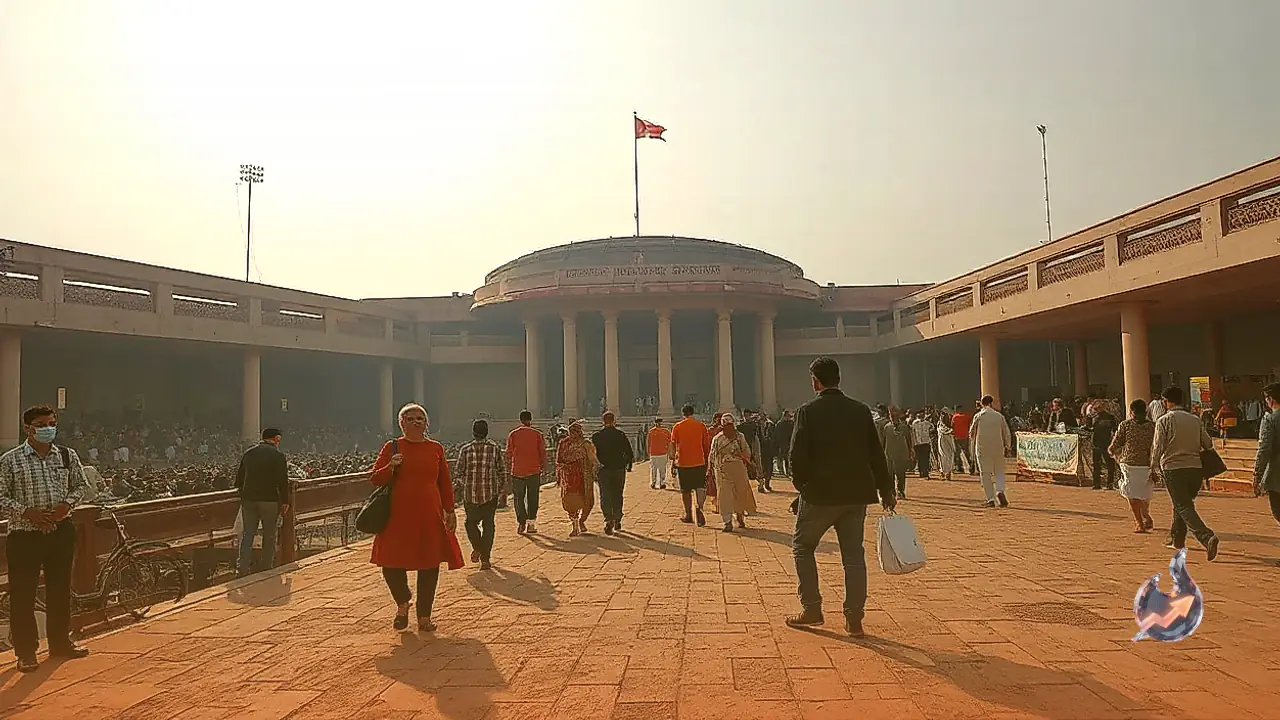























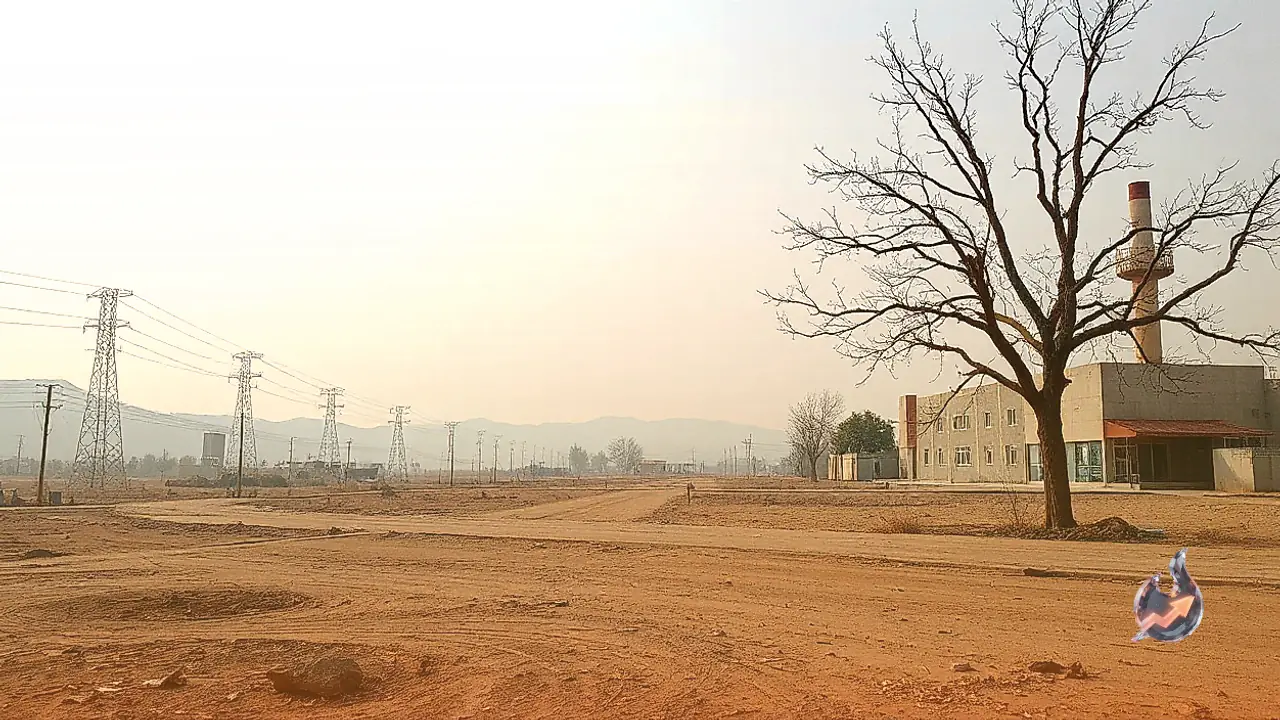

Shifting seasonal conditions have triggered a noticeable deterioration in atmospheric cleanliness across Sri Ganganagar, where air pollution levels have been steadily escalating. During the early morning hours on Tuesday, the city recorded an Air Quality Index reading of 258. Surpassing the critical 200 mark serves as an immediate health alert, as elevated concentrations of particulates pose substantial risks to normal respiratory well-being. Under these compromised atmospheric conditions, residents face a heightened danger of experiencing eye burning, throat irritation, and acute breathing discomfort.
Impact on Morning Routines and Everyday Outdoor Exposure
As seasonal variations take hold, settling pollutants close to the ground significantly degrade the air breathed during the dawn hours. Commuters, morning walkers, and daily wage workers stepping outside early in the day bear the brunt of this poor ambient quality. Inhaling these suspended particles during early hours strains the respiratory tract, making routine activities physically uncomfortable. Consequently, residents across the locality are urged to modify their day to day habits to limit prolonged exposure to the deteriorating ambient environment.
Understanding the 200 Plus Index and Critical Health Ramifications
The Air Quality Index functions as a comprehensive metric to determine the concentration of diverse pollutants hanging in the atmosphere. Generally, as the AQI score elevates, atmospheric safety diminishes proportionally. The recorded level of 258 in Sri Ganganagar confirms that the ambient atmosphere is far from satisfactory. When pollution settles in this bracket, adverse reactions are not confined strictly to vulnerable patients; healthy individuals can also begin experiencing persistent coughing, bronchial soreness, and breathing distress.
Essential Precautions for Children, Elders, and Vulnerable Groups
The intensifying airborne contamination presents the gravest hazard to young children, elderly citizens, and individuals battling pre existing respiratory ailments such as asthma. Direct exposure to this poor quality air readily sparks recurring cough bouts, severe throat burning, and shortness of breath. Medical guidance emphasizes that vulnerable groups should deliberately avoid open air spaces during the peak pollution hours of early morning.
Limiting outdoor exertion and staying indoors during periods of dense pollution is strongly advised. Whenever stepping out becomes strictly unavoidable, utilizing protective face masks is highly recommended to filter hazardous particles. Furthermore, anyone experiencing relentless coughing, wheezing, or chest tightness should seek prompt medical evaluation. The 258 AQI milestone in Sri Ganganagar serves as a clear call for citizens to stay vigilant and practice disciplined preventive care as weather and environmental conditions evolve.