





















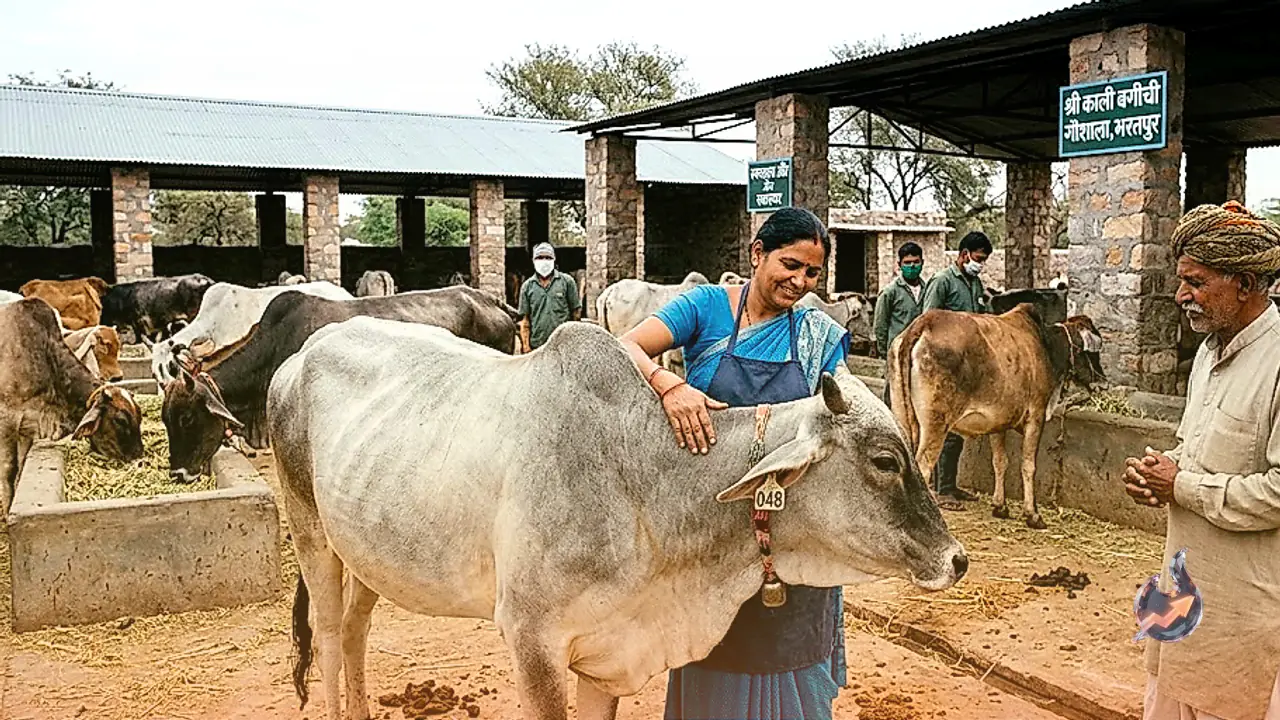

Cattle owners across Rajasthan are facing serious distress due to the spread of lumpy skin disease, yet amidst this widespread anxiety, the cattle at Kali Bagichi Gaushala in Bharatpur are attracting considerable public attention for their exceptional health. A large number of cows are sheltered and reared at this facility. According to the shelter management, keeping the herd safe from severe ailments relies heavily on maintaining rigorous cleanliness, feeding them balanced nutritious fodder, and providing continuous day-to-day oversight.
Local Beliefs and Faith Surrounding the Sanctuary
A longstanding tradition connected with the Kali Bagichi premises has become a central talking point among visitors and residents. According to the temple priest, a widely held belief persists that severe diseases fail to afflict the cows housed within this sanctuary. With neighboring areas battling infectious outbreaks, devotees viewing the disease-free cattle firmly interpret their sustained wellness as an expression of divine grace, deep religious faith, and a miraculous shield.
Rigorous Hygiene and Veterinary Protocols
In contrast, the administration emphasizes that diligent operational care plays an indispensable role in safeguarding herd health. The management team conducts round-the-clock health surveillance across all cattle sheds. Preventive protocols involve thorough sanitization of the enclosures, the distribution of nutritious feed, access to ample clean drinking water, and regular consultations with certified veterinary specialists. If an animal ever exhibits signs of sickness, shelter staff immediately isolate it for specialized monitoring and targeted medical intervention. Visitors and local residents who visit the premises frequently praise this structured balance between devotional service and attentive animal husbandry.
Faith Versus Animal Healthcare Practices
Whether the complete absence of disease across the herd represents a divine intervention or the natural outcome of preventive veterinary discipline remains an open debate depending on one's viewpoint. Veterinary health experts consistently note that stopping infectious animal outbreaks requires stringent sanitation, scheduled vaccinations, prompt medical intervention, and routine clinical supervision. Regardless of whether observers credit spiritual belief or operational diligence, the thriving condition of the cattle at Kali Bagichi Gaushala underscores the critical importance of disciplined hygiene and preventative healthcare in livestock management.