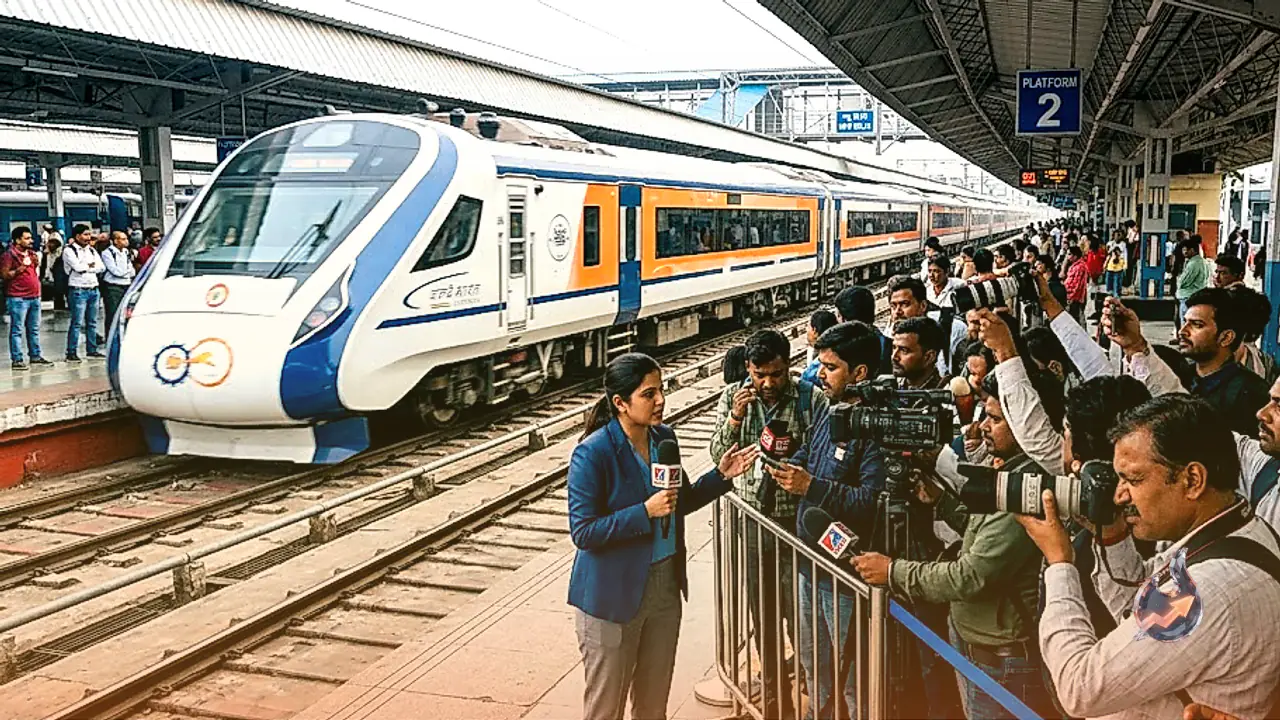




















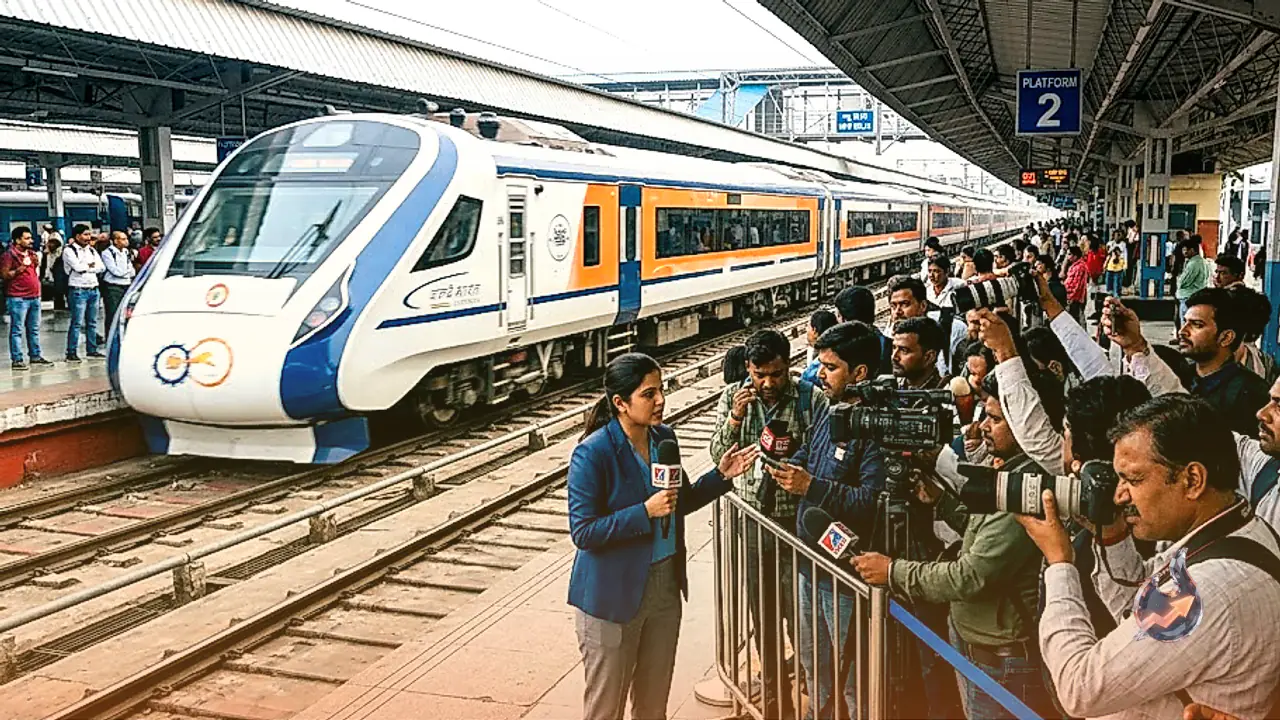

A massive push toward railway modernisation is underway as plans take shape to locally design and manufacture high-speed trains capable of hitting a design benchmark of 350 kmph. This technological initiative is set to redefine intercity travel times across the country. Once operational, the rapid service is slated to bring down the journey between Delhi and Patna to under three hours. In the western corridor, travel between Mumbai and Ahmedabad is expected to take less than ninety minutes. Long-term connectivity proposals also include laying similar high-speed tracks along other major transit stretches, notably connecting Delhi to Varanasi as well as Delhi to Howrah via Patna.
Developing the B35 Model Alongside Japanese Tech
The revised expenditure blueprint submitted by the Railway Ministry for the Mumbai-Ahmedabad High-Speed Rail route outlines the phased roadmap for building these domestic trains. Named the B35, the indigenous fleet is being engineered for a targeted operational debut by 2030, matching the performance standards of Japan's upcoming E10 series. This domestic shift gained momentum after Japanese authorities communicated in December 2024 that production of their older E5 series was being halted. The next-generation E10 units are scheduled to enter production in 2030, with commercial availability expected around 2034. To bridge this timeline and establish sovereign manufacturing capabilities, parallel domestic development was greenlit, though deploying the E10 alongside domestic stock remains a viable option once imported units become ready.
BEML Steps in for B28 Rolling Stock
Ahead of rolling out the top-tier 350 kmph trains, domestic manufacturing is already in progress for the B28 high-speed units. Built with a rated design capability of 280 kmph, the B28 trainsets will operate at an operational ceiling of 250 kmph along the Mumbai-Ahmedabad track. Public sector entity BEML has been tasked with fabricating 32 of these B28 trainsets. Testing schedules indicate that the first pair of operational prototypes should be assembled and prepped for trial runs in the opening quarter of 2027. Demonstrating expanding production capacity, BEML notified the BSE of an additional contract worth 5,400 crore rupees to manufacture another 15 B28 units. A preliminary section of the western line is anticipated to begin initial train movements within 2027.
Custom Train Control and Collision Avoidance
Operating passenger consists at sustained high velocities necessitates a bespoke technological backbone. Railway authorities are developing an indigenous platform titled the Bharat Train Control System. Engineered along the principles of the Chinese CTCS signaling network, this infrastructure is engineered to enforce automatic speed limits, preserve requisite spacing between consecutive trainsets, and safeguard operations against manual errors. Setting up this indigenous signaling layer ensures that technical control over critical high-speed infrastructure remains within local hands.
Escalating Corridor Budget and Timeline Targets
The 508-kilometer high-speed corridor connecting Mumbai and Ahmedabad is slated for comprehensive commissioning by December 2030. Reflecting substantial revisions in construction and logistical inputs, the Union Cabinet sanctioned an updated project outlay surpassing 2 lakh crore rupees. This represents nearly a twofold rise over the initial 2015 projection of roughly 1.1 lakh crore rupees, driving the average expense to approximately 399 crore rupees per kilometer. The single largest financial jump occurred in land procurement, which expanded more than threefold to roughly 19,700 crore rupees. Meanwhile, foundational civil infrastructure expenditures grew by around 50 percent to cross 1 lakh crore rupees, with signaling and rolling stock costs doubling compared to initial expectations.