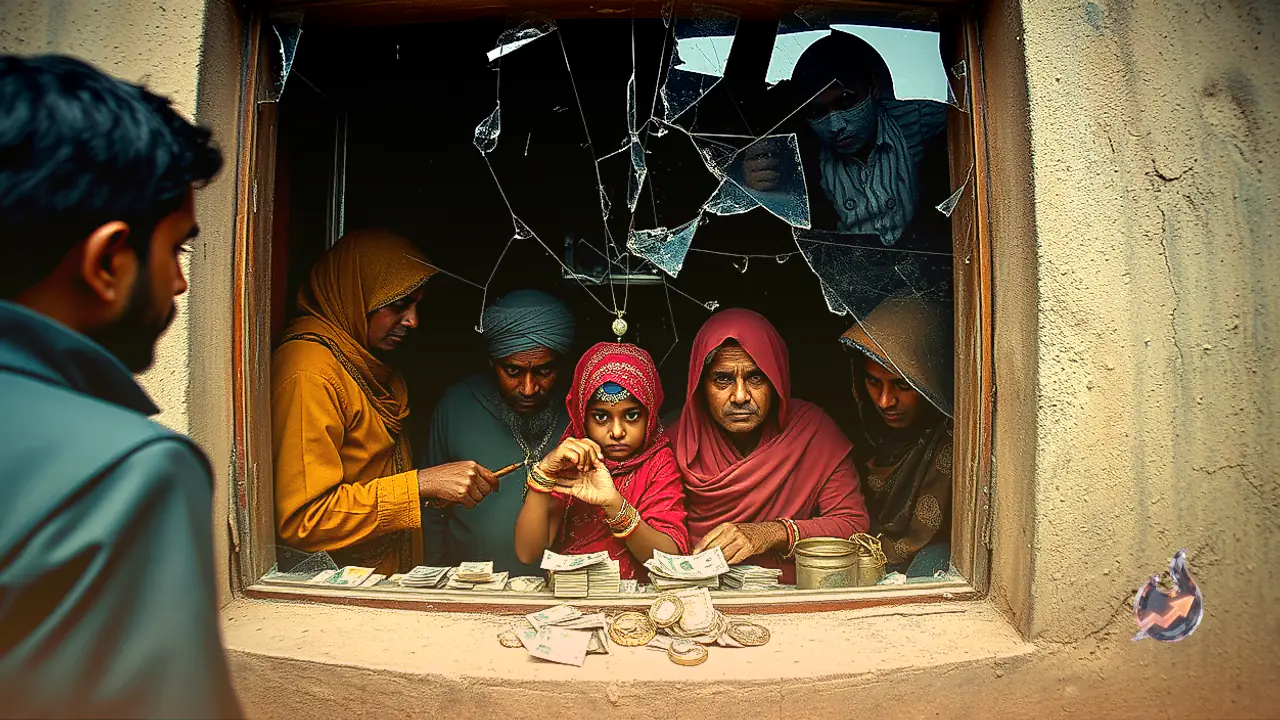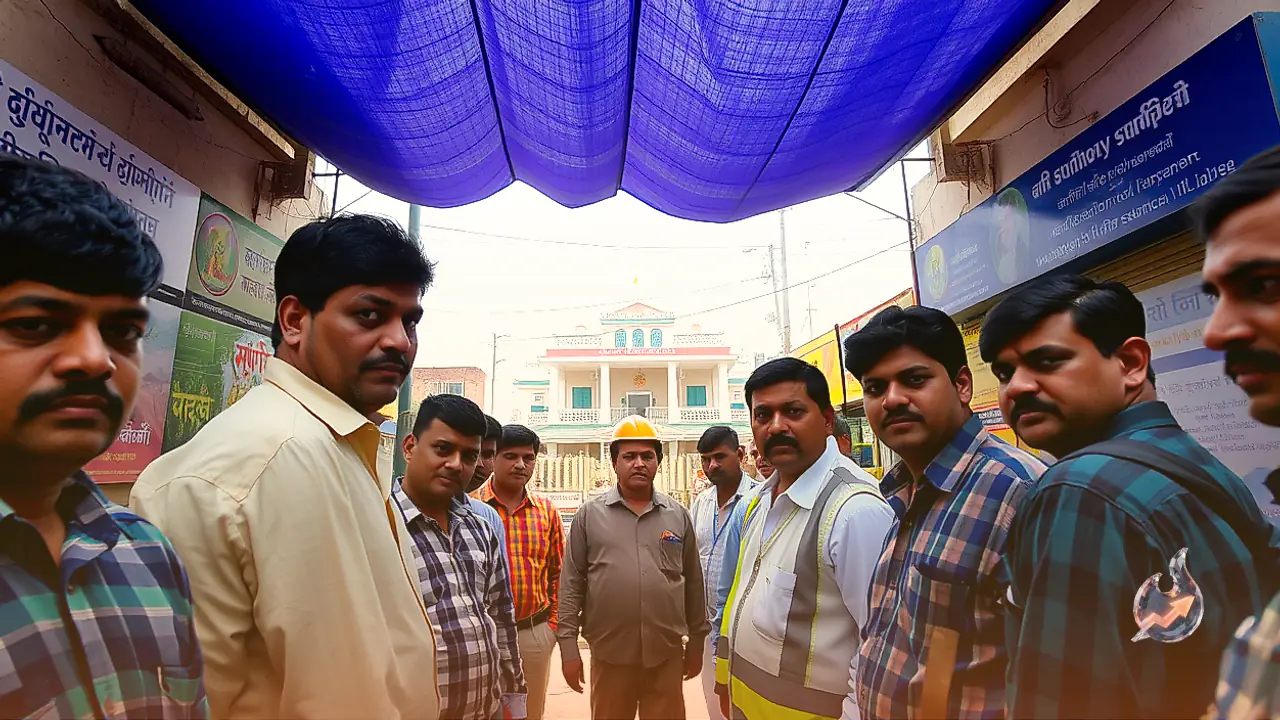
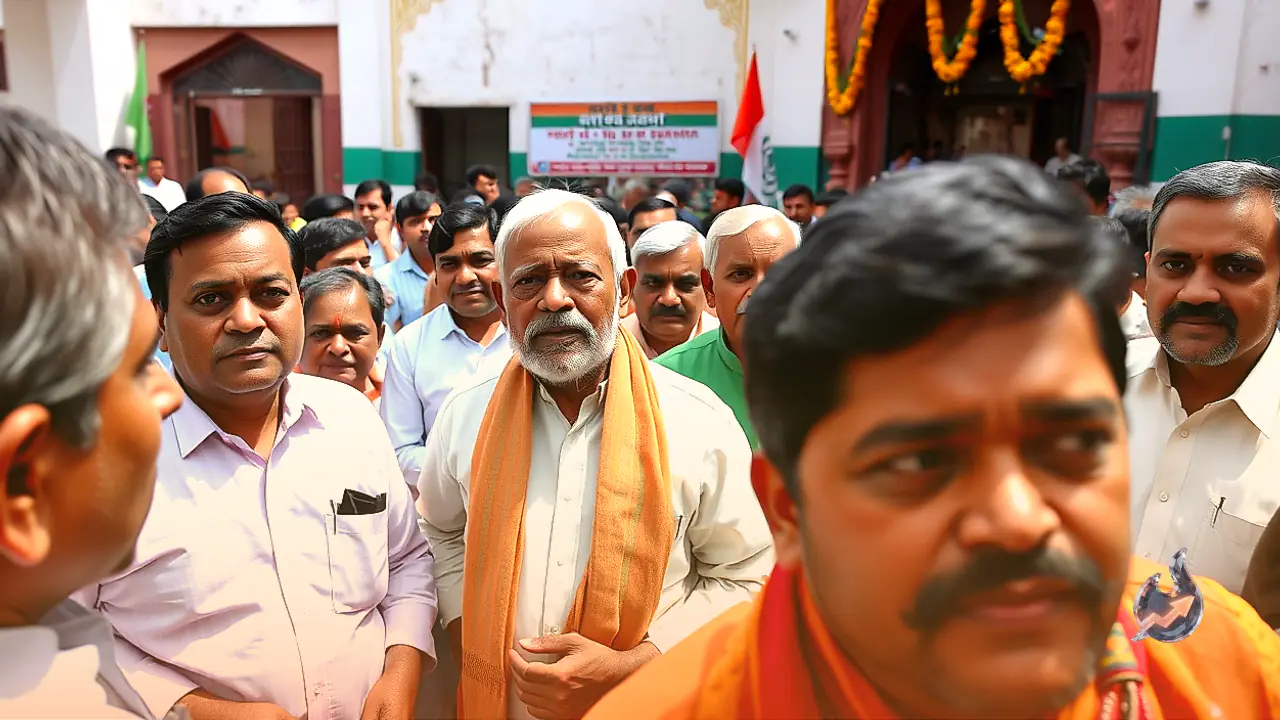

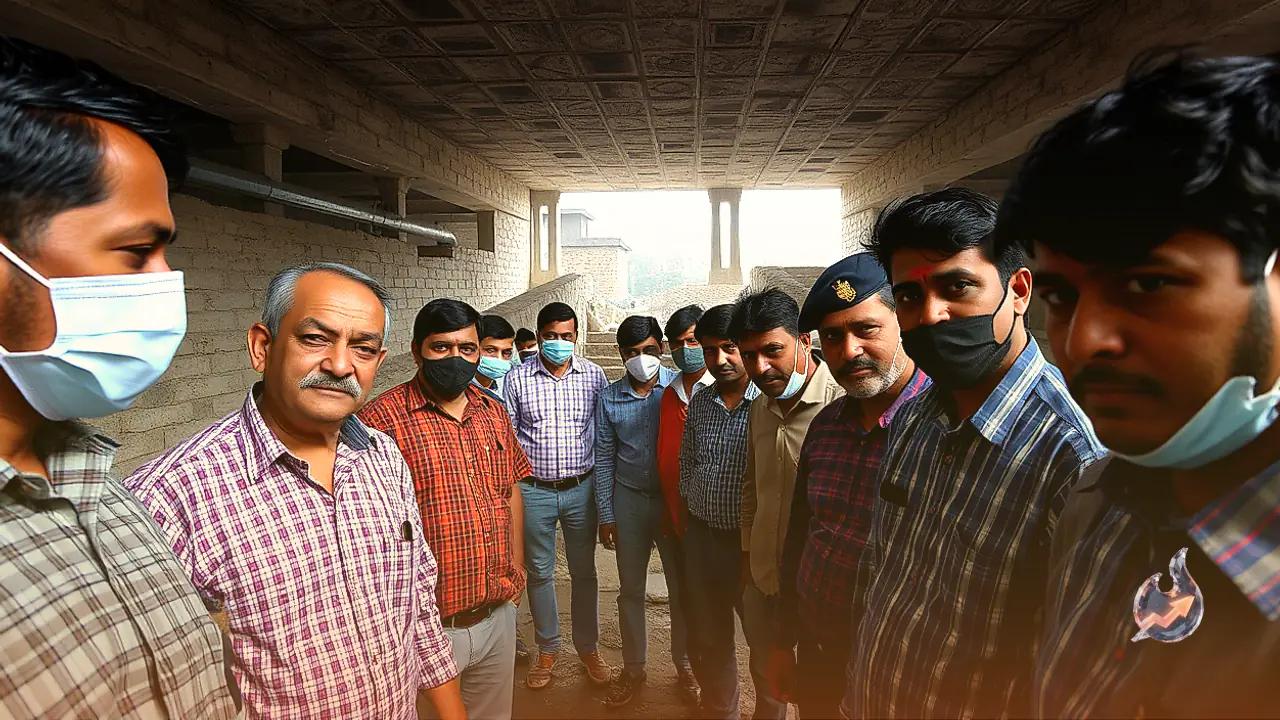
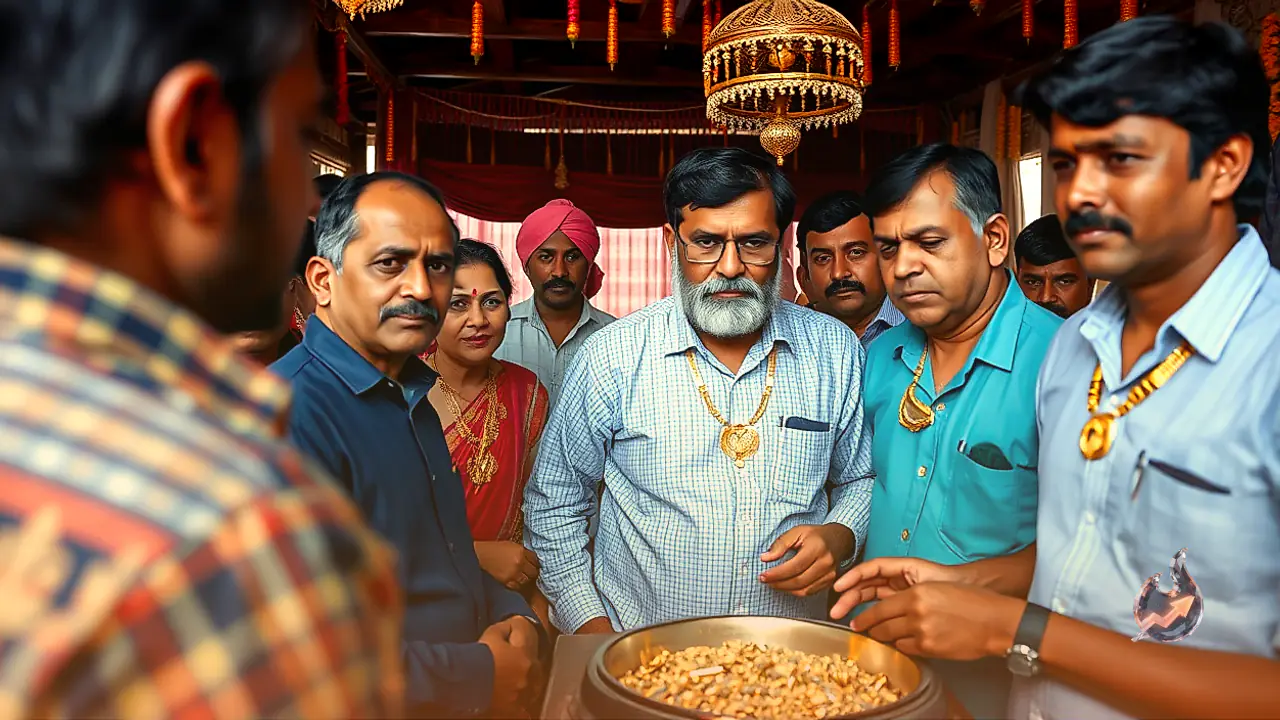














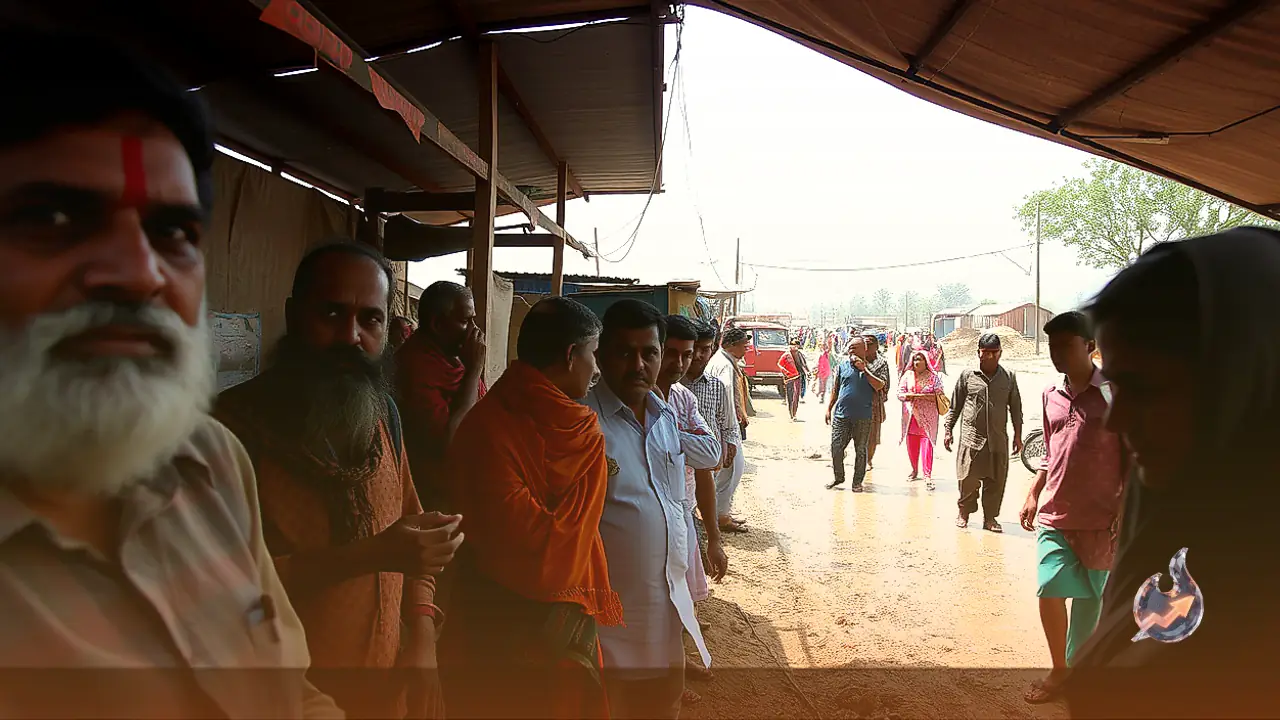

With the announcement of panchayat election dates in Dholpur, conversations around the formation of the new rural local government have gathered rapid momentum. During an extensive assessment of grassroots challenges across Bhaisakh and Samola villages within the Bhaisakh gram panchayat, local residents came forward with severe grievances regarding neglected infrastructure. In these communities, which house a population of approximately 4,000 residents and around 2,100 registered voters, daily life remains plagued by severe drainage failures, deteriorated roads, irregular electricity, neglected schooling facilities, and acute drinking water shortages.
Urban Sewage Submerges Extensive Agricultural Land
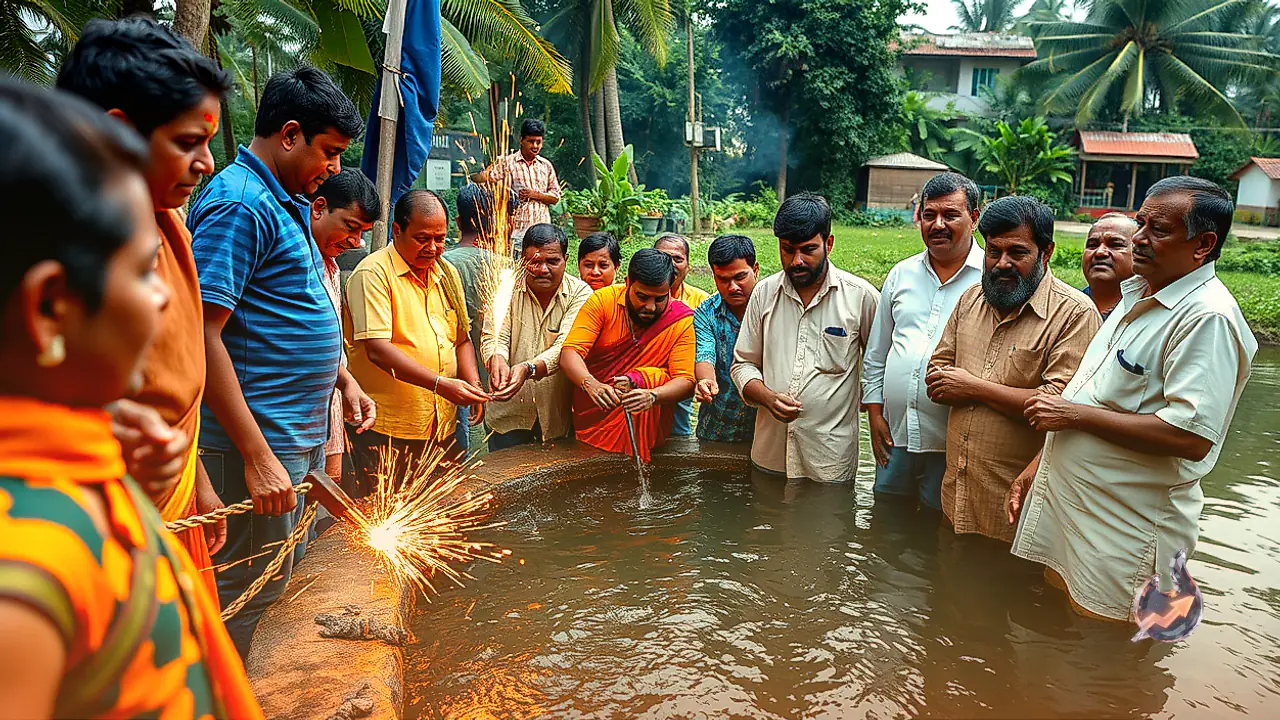
The most catastrophic issue troubling farmers in Samola village is the widespread devastation of their agricultural fields. According to affected villagers, wastewater and urban sewage originating from Dholpur city have been draining directly toward their agricultural belts, leaving nearly 200 to 300 bighas of fertile land entirely submerged. This polluted water has stagnated across the fields for nearly two years, making cultivation completely impossible and inflicting severe ongoing economic losses on farming families. Demanding urgent administrative intervention, farmers have called for immediate re-routing of the sewage flow and permanent barriers to prevent urban discharge from spilling onto agricultural territory.
Stalled Water Tank Construction Triggers Acute Drinking Crisis
Water scarcity remains another severe daily hardship across the village. Under the Jal Jeevan Mission, a drinking water overhead storage tank was initiated, yet the construction work remains unfinished. Because the water supply infrastructure was never commissioned, residents are forced to fetch clean water from far-flung areas every single day. Several households rely entirely on private submersible tubewells to meet minimum domestic needs. Residents have urged local authorities to finish the stalled water tank project without further delay and establish regular, piped drinking water supply across all neighborhoods.
Drainage Deficits, Muddy Alleys, and Waterlogged Streets
Internal transit within the village is equally chaotic due to severe potholes and persistent mud along major pathways. Because proper drainage lines are completely absent, domestic wastewater overflows straight onto pedestrian routes, creating perpetual puddles even in dry weather. During the monsoon season, this stagnation worsens drastically, bringing daily commutes to a halt. Demanding immediate systemic upgrades, villagers have asked for cemented open drains, new street lighting, and durable road surfacing across the panchayat.
Waterlogged Primary School and Crumbling Anganwadi Center
Public education and child nutrition facilities in Samola also face major operational hurdles. The village's government school suffers from chronic waterlogging whenever it rains, making access unsafe and difficult for young children trying to reach their classrooms. Simultaneously, the local Anganwadi center requires urgent refurbishment to support village children and nursing mothers, while calls were also raised to establish accessible basic healthcare services within the village boundary.
Dilapidated Approach Road to Bankhandi Hanuman Temple
The vital connecting route that leads from Dholpur city toward the revered Bankhandi Hanuman Ji temple lies in advanced ruin. Persistent sludge, water accumulation, and potholes cause immense inconvenience to daily commuters and visiting temple devotees alike. Residents have emphasized that this pilgrimage path must be rebuilt with proper drainage and bitumen paving to eliminate hazardous travel conditions.
Delimitation History Sparks High Stakes for Upcoming Village Government
Explaining the administrative backdrop of the area, local elders recounted that their villages originally belonged to the Tagawali gram panchayat. However, following a delimitation exercise, Tagawali village was integrated into the urban Municipal Council boundary. Subsequently, Bhaisakh and Samola were merged to establish a distinct, independent gram panchayat. With local election battlelines now being drawn, villagers have placed their long-standing civic crises squarely at the center of the political agenda, waiting to see whether the incoming panchayat leadership can deliver real solutions on the ground.