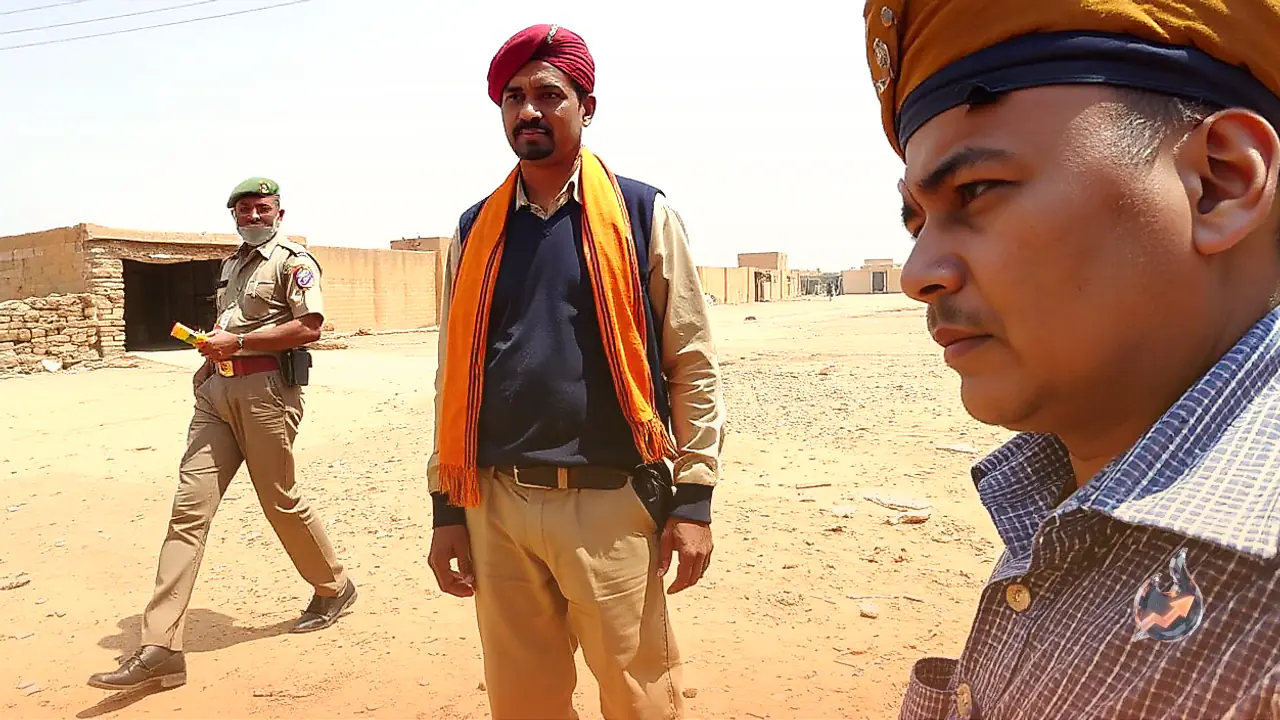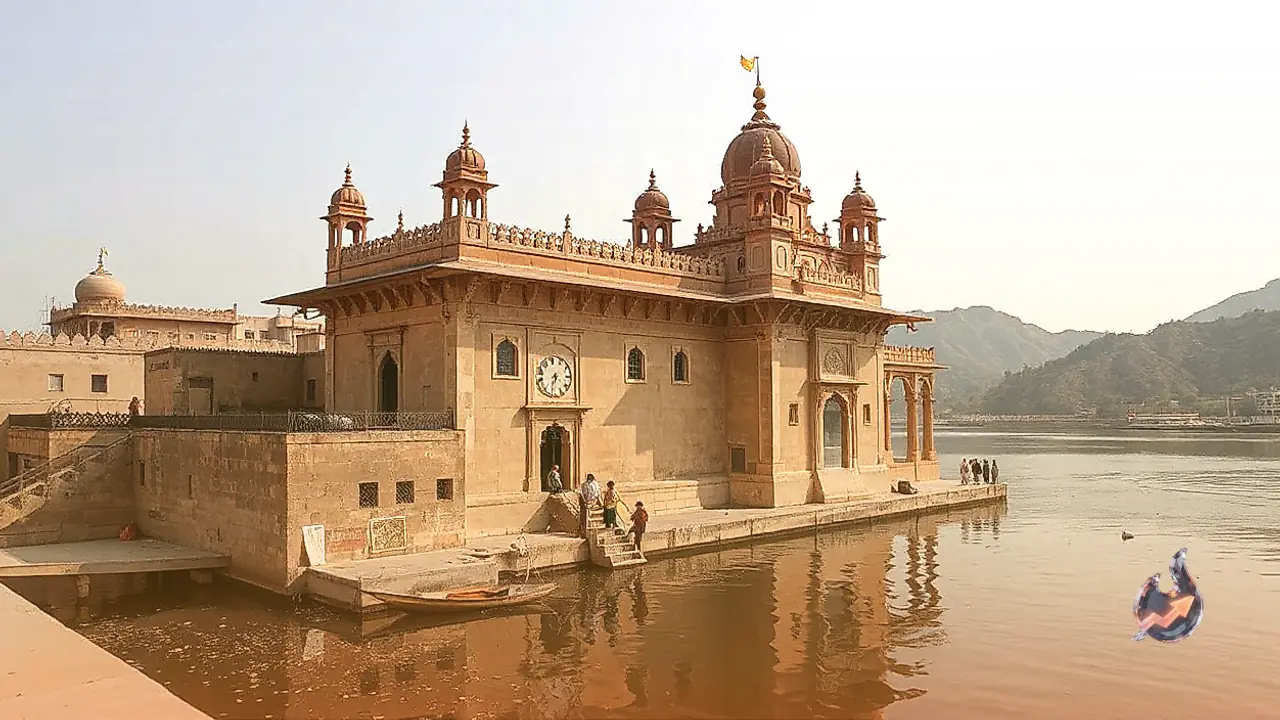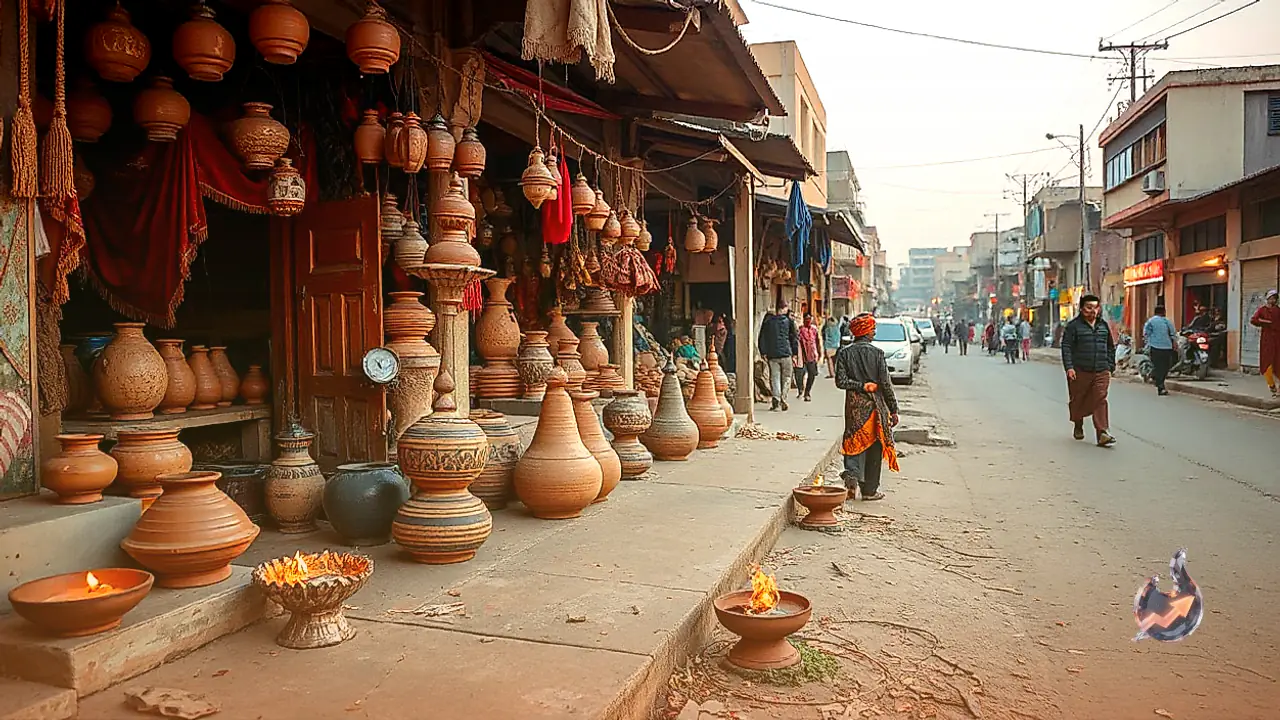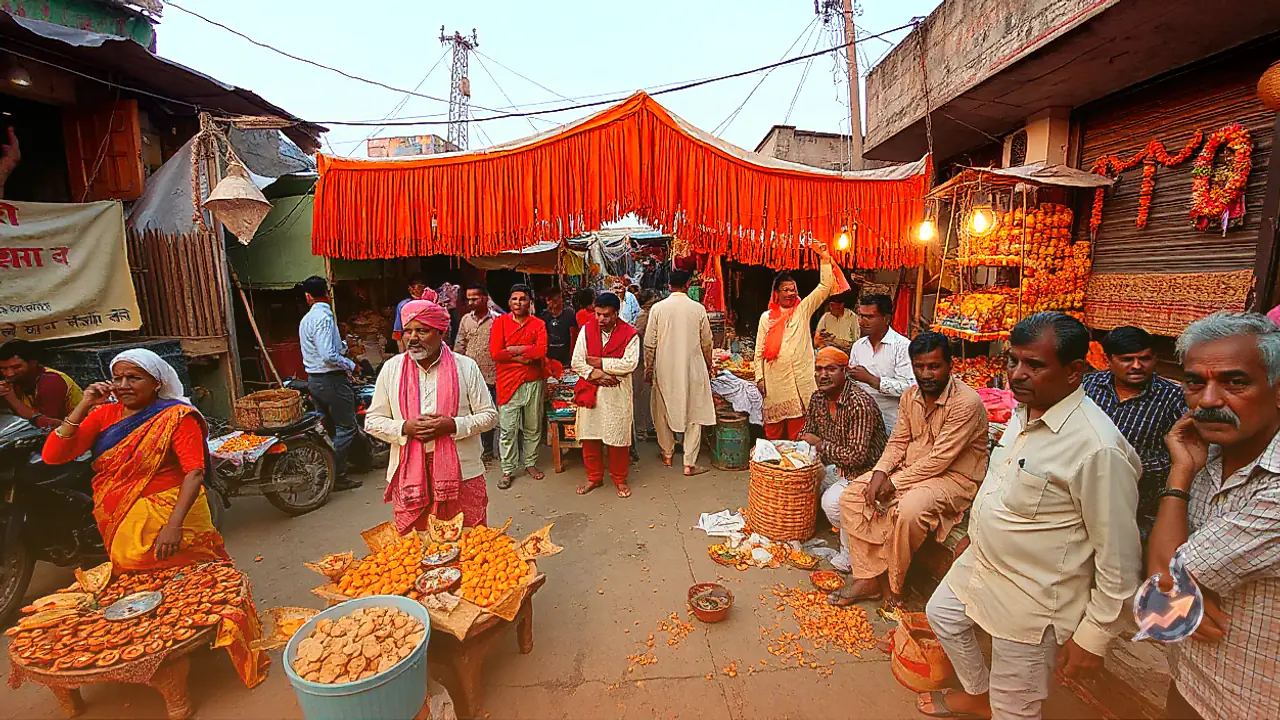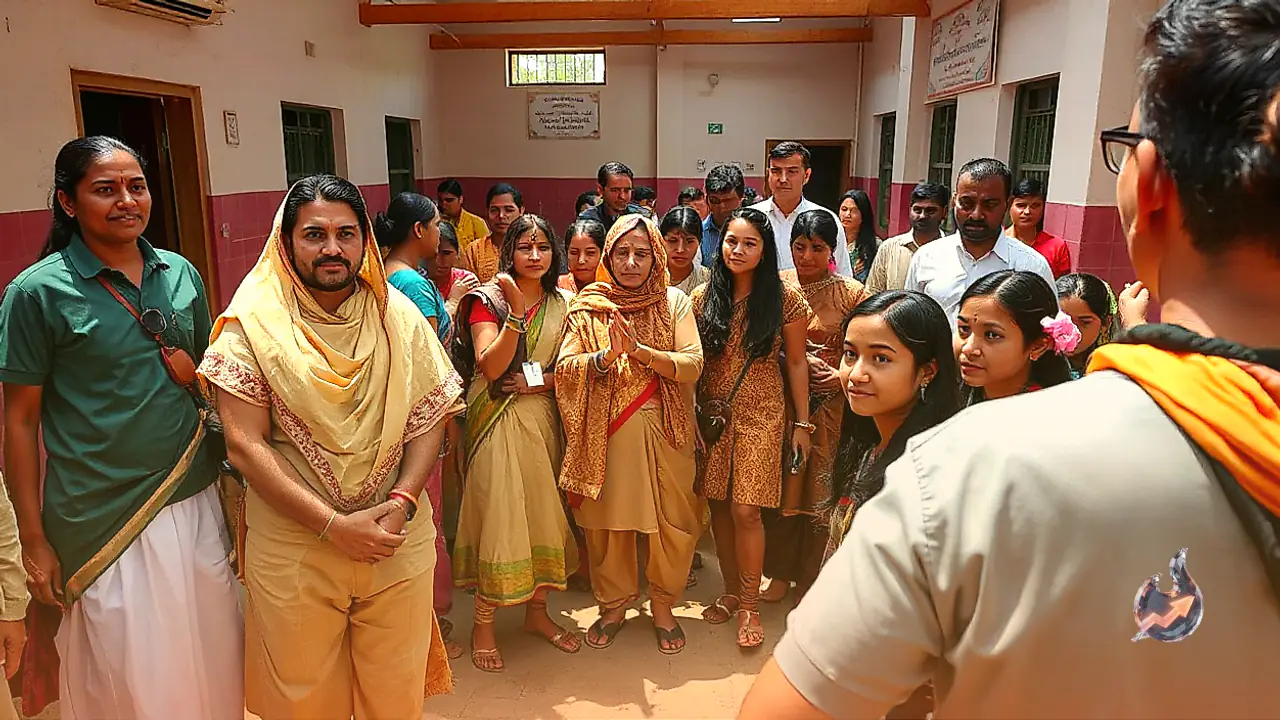



















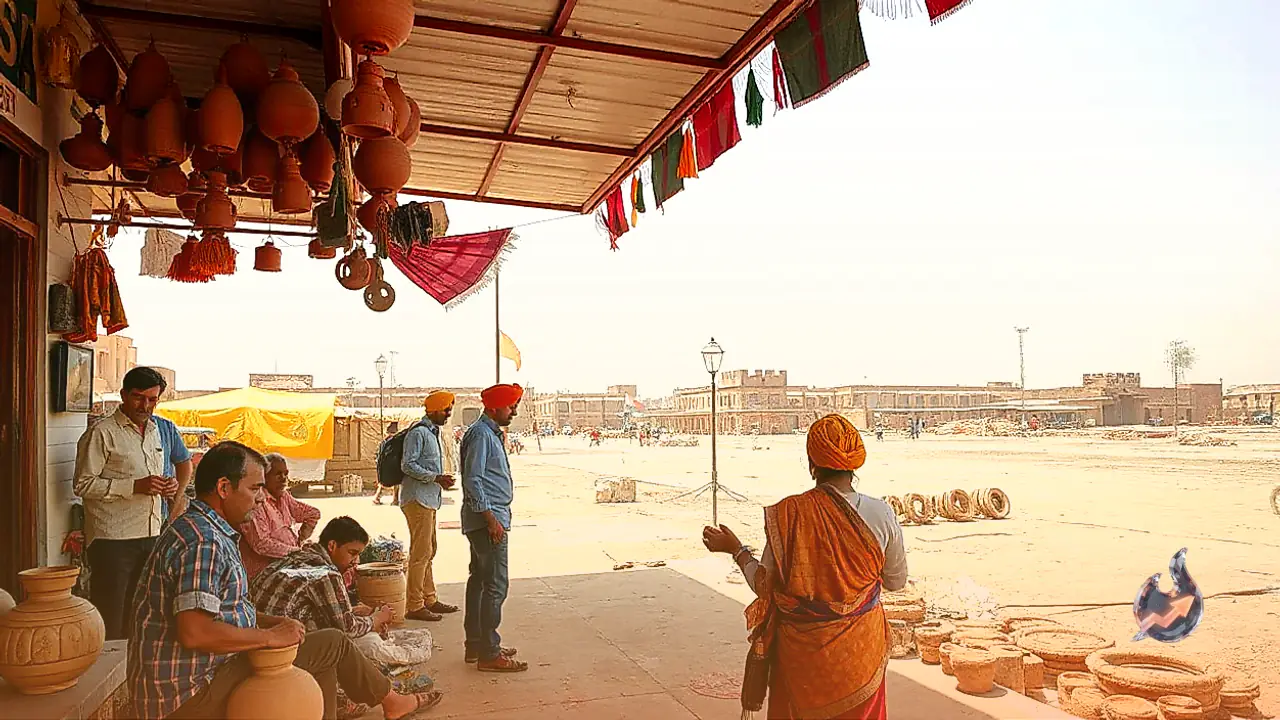

Festive preparations for Diwali have swept across the markets of Tonk in Rajasthan, bringing vibrant commercial activity to local streets. Aligning with Prime Minister Narendra Modi's vocal for local call, a grassroots initiative unfolded in the town to recognize traditional artisans. Led by former municipal council chairperson Laxmi Jain, a delegation of local women visited families engaged in crafting handmade clay lamps, greeting them warmly and honoring them with customary Rajasthani turbans.
Spending Thousands in Malls Versus Haggling over Modest Lamp Purchases
During the gathering, Laxmi Jain made an earnest plea to the public urging them to refrain from bargaining while purchasing earthen lamps during the festive season. Highlighting everyday consumer habits, she pointed out that people routinely spend thousands of rupees without hesitation at glittering showrooms, shopping malls, and upscale dining establishments, where fixed pricing is accepted without question. Conversely, when buying earthen lamps worth just 100 to 200 rupees from a hardworking potter who toils relentlessly, many shoppers begin negotiating prices. She emphasized that while an earthen lamp may appear physically small, the relentless sweat, tireless labor, and heartfelt dedication invested by the artisan make it invaluable.
Traditional Turban Honors and Distribution of Sweets
The visiting women delegation reinforced community appreciation by presenting traditional Rajasthani safas to the hardworking potters and their family members, alongside gifts of fresh fruits and sweets. The unexpected gesture of warmth and dignity brought visible joy and pride to the faces of the artisan households. Local craftspeople expressed their gratitude for the outreach, remarking that genuine social recognition provides vital motivation to sustain and carry forward their hereditary craft across generations.
Choosing Heritage Earthen Lamps Over Artificial Chinese Lighting
Reflecting on India's living cultural legacy, Laxmi Jain observed that the potter's wheel does not merely shape clay into lamps, but preserves timeless cultural customs. Respecting their dedication is therefore an inherent moral duty for the entire community. She urged the residents of Tonk to look past synthetic decorations and imported Chinese lights this festive period, choosing instead authentic earthen lamps. Supporting local artisans directly bolsters cultural heritage and ensures that the warmth and prosperity of the festival reach the homes of underprivileged craft families, fostering an encouraging atmosphere for indigenous goods across Tonk.