




















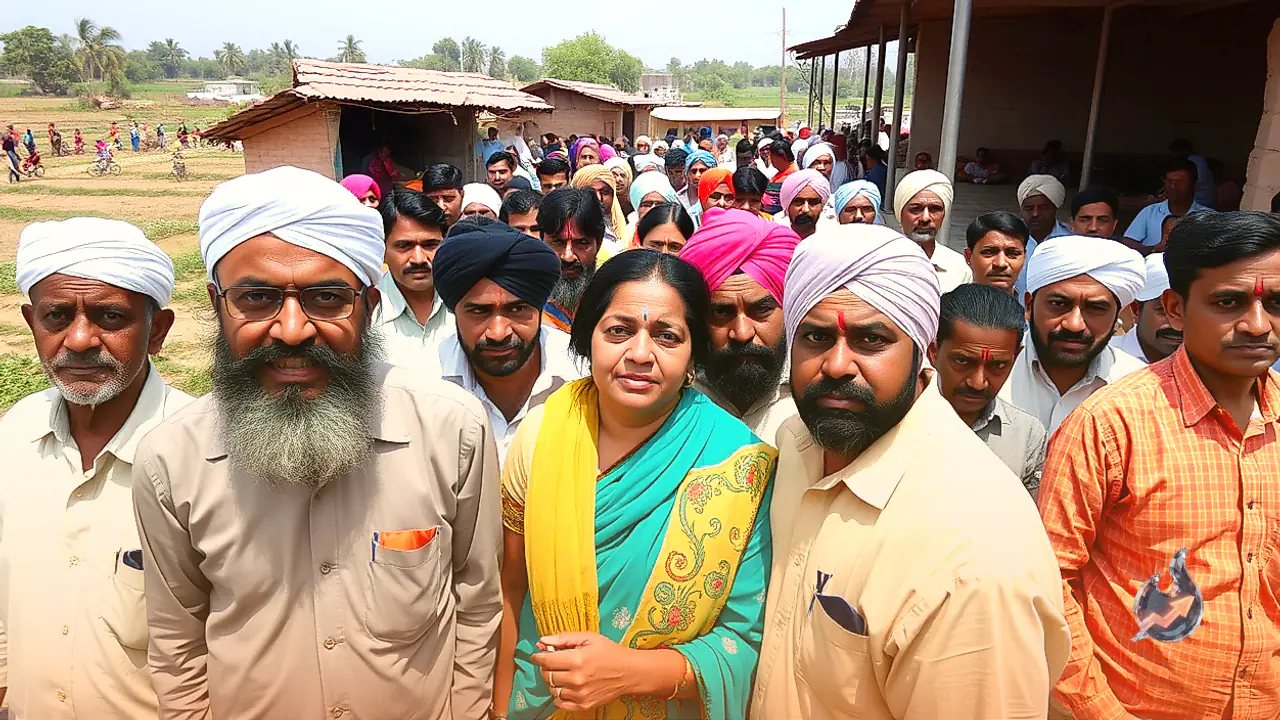

In Rajasthan's Baran district, the ongoing local panchayat elections have witnessed an unexpected political maneuver by Bhagat Singh Sena chief Naresh Meena. Leading an election campaign under the symbol of the Bahujan Samaj Party for Zila Parishad and Panchayat Samiti ward members, Meena has declared a woman from the Bhil community as the official candidate from Ward Number 1 of the Mangrol Panchayat Samiti. The electoral composition of this constituency makes the announcement particularly striking, as the ward is home to approximately 3,500 voters from the Meena community, while the Bhil community accounts for merely about 50 voters. Nominating a candidate from a demographic minority in a seat heavily dominated by another tribal group is being viewed as an attempt to redraw traditional social equations.
Consensus Reached Across Six Villages at Narsingh Bhagwan Temple
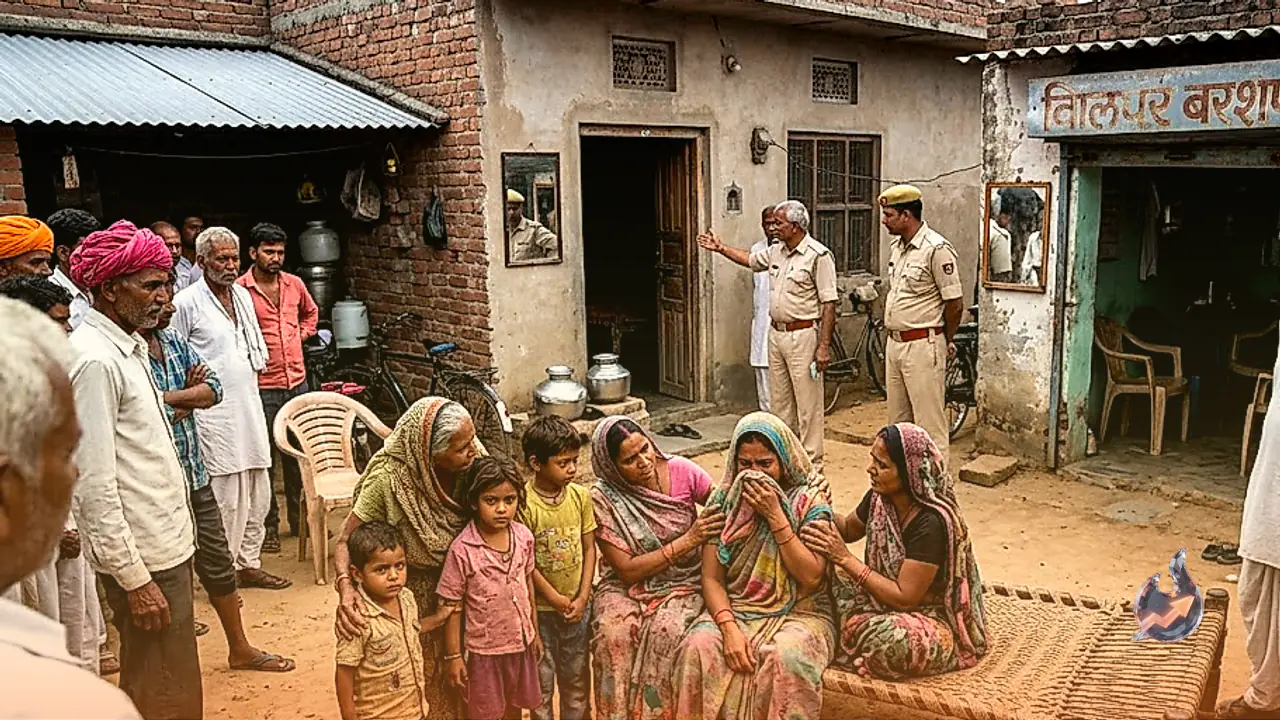
The candidate selection unfolded late at night when Naresh Meena arrived in Tisaya village within Baran district. Residents representing all six villages encompassed within Ward Number 1 of the Mangrol Panchayat Samiti assembled at the courtyard of the local Narsingh Bhagwan temple. Since the ward is officially reserved for candidates belonging to the Scheduled Tribe category, four local contenders from the dominant Meena community had initially stepped forward seeking the nomination. Following structured deliberations and negotiations, all four Meena aspirants voluntarily reached a mutual consensus to back Rammurti Bhil, an educated graduate. Her candidacy was subsequently announced with the backing of the Bahujan Samaj Party in the presence of community elders.
Broadening Appeal Beyond Single-Community Politics
Often surrounded by political discourse and past scrutiny over single-caste alignment, Naresh Meena appears to be utilizing this municipal contest to signal a broader, more inclusive political approach. In rural local body elections where voting patterns typically mirror community demographics, stepping away from the numerical dominance of 3,500 voters to endorse a nominee from a 50-voter group is intended to present an image of uniting diverse social segments. By securing the voluntary withdrawal of four contenders from the majority community, the strategy aims to showcase broad-based social harmony and political accommodation rather than majoritarian dominance.
Tisaya Village Back in the Political Spotlight
Tisaya village has previously featured prominently in regional political headlines during the Anta assembly constituency elections. At that time, an event where supporters weighed Naresh Meena in blood drew widespread attention across the region. Now, the same village has re-entered discussions with the dramatic public declaration of a Bhil woman's candidacy in a Meena stronghold. Observers in Baran view this gathering of six villages not merely as routine ticket distribution, but as an orchestrated effort to build long-term goodwill across different tribal and marginalized communities in the district.
Testing the Limits of Grassroots Social Engineering
Panchayat elections are fundamentally shaped by village-level dynamics, kinship networks, personal reputation, and community consensus. In placing an educated tribal woman like Rammurti Bhil at the center of Ward 1's electoral contest, Naresh Meena is putting his model of social engineering to a practical test. The ultimate viability of this calculated gamble will depend on whether the 3,500 Meena voters wholeheartedly translate their temple-courtyard consensus into ballots on voting day. The final election results will determine whether this unusual cross-community alliance succeeds at the grassroots or remains an ambitious symbolic experiment in rural electoral politics.