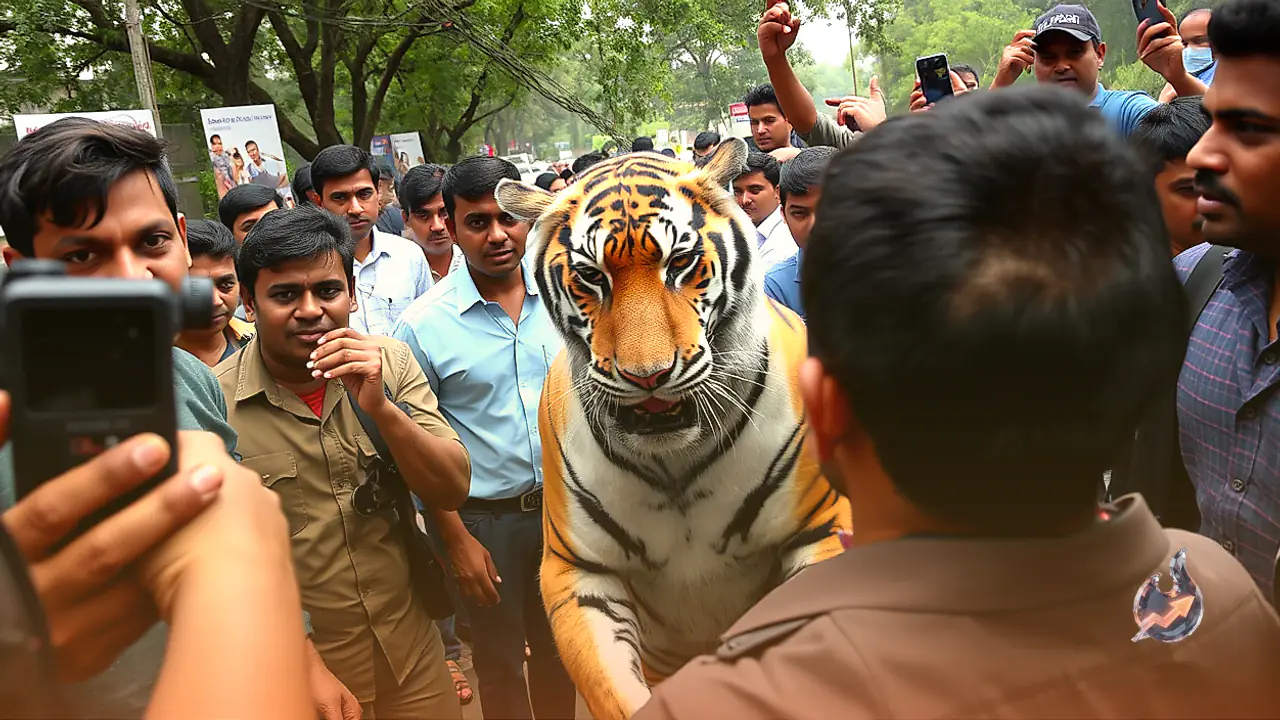





















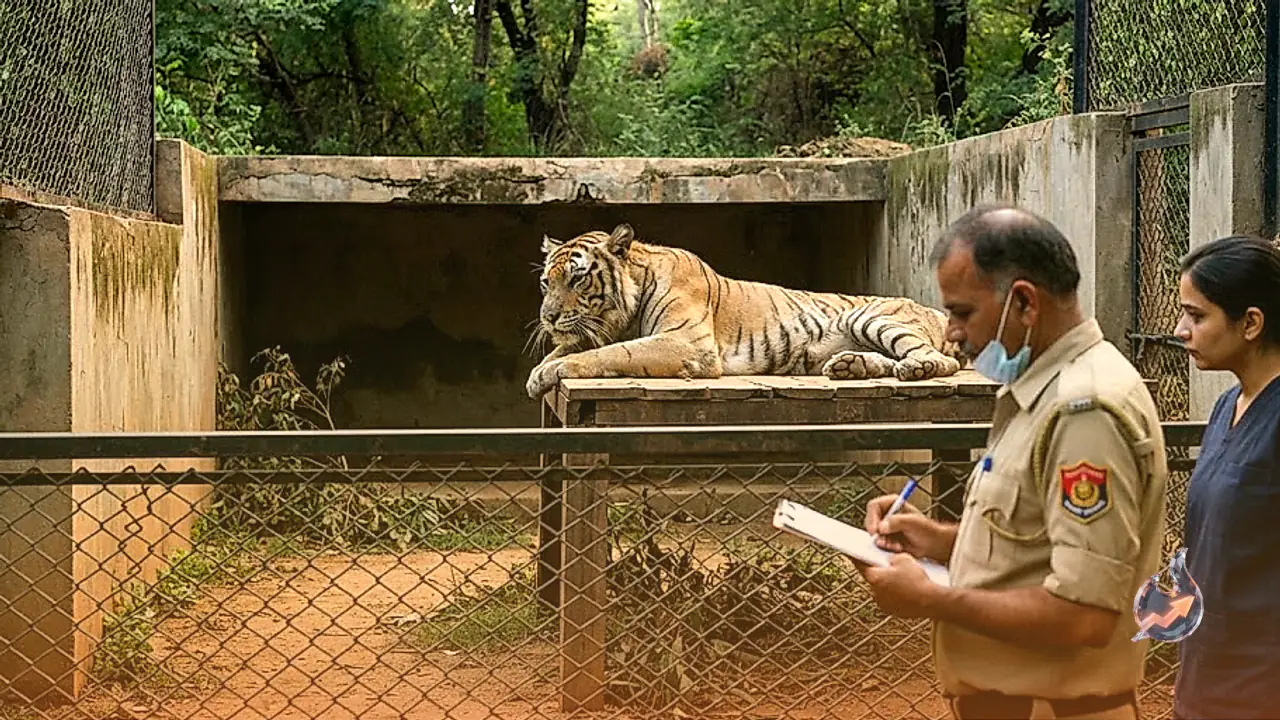

Visitors visiting the Abheda Biological Park in Kota will no longer be able to catch a glimpse of its resident tigress, Mehak. The big cat, which has reached an advanced age of 23 years, is experiencing significant physical deterioration. During a recent medical evaluation, veterinarians observed that the functionality of her hindquarters has substantially degraded, making it exceedingly difficult for her to maintain proper physical equilibrium. Due to this loss of balance, the risk of her stumbling, falling, and sustaining traumatic bodily injuries has risen sharply. Consequently, wildlife authorities decided to immediately suspend her release into the outdoor visitor-facing enclosure.
Veterinary Panel Advises Isolation for Safety
The precautionary measure follows specific guidance from a medical assessment committee that was assembled to evaluate the animal's physical decline. The specialist panel comprised Assistant Conservator of Forests Pankaj Meena alongside senior veterinary officers Dr. Akhilesh Kumar Pandey and Dr. Trilok Gochar. After conducting a thorough clinical checkup, the medical team firmly advised against keeping the aging tigress in the open display zone. Acting on their expert findings, Mukundara Hills Tiger Reserve Field Director and Chief Conservator of Forests (Wildlife) T. Mohanraj, along with Deputy Conservator of Forests (Wildlife) Pramod Kumar Dhakad, officially sanctioned the withdrawal order.
Monitoring Dietary Habits and Vital Signs
Medical staff are closely tracking Mehak's daily nutritional intake alongside her overall physiological condition. According to health logs, the tigress completely skipped her meal on 17 October, raising immediate alarm among keepers. Fortunately, her appetite showed modest recovery the following day on 18 October, when she managed to consume approximately 2.8 kilograms of chicken. Furthermore, clinical diagnostic checks confirmed that both her body temperature and respiration rate continue to hover within normal biological parameters, offering some relief to the attending medical personnel.
Round-the-Clock Monitoring in Kraal and Night Shelter
To avoid sudden physical exertion and prevent accidental falls, the forest administration has shifted Mehak into the tranquil confines of the night shelter and kraal facility. This controlled environment ensures she can rest undisturbed while receiving focused geriatric care tailored to her fragile health. The biological park's caretakers and senior veterinary staff have been issued clear directives to maintain continuous surveillance over her daily movements, ensuring immediate intervention if her mobility or physical condition fluctuates.