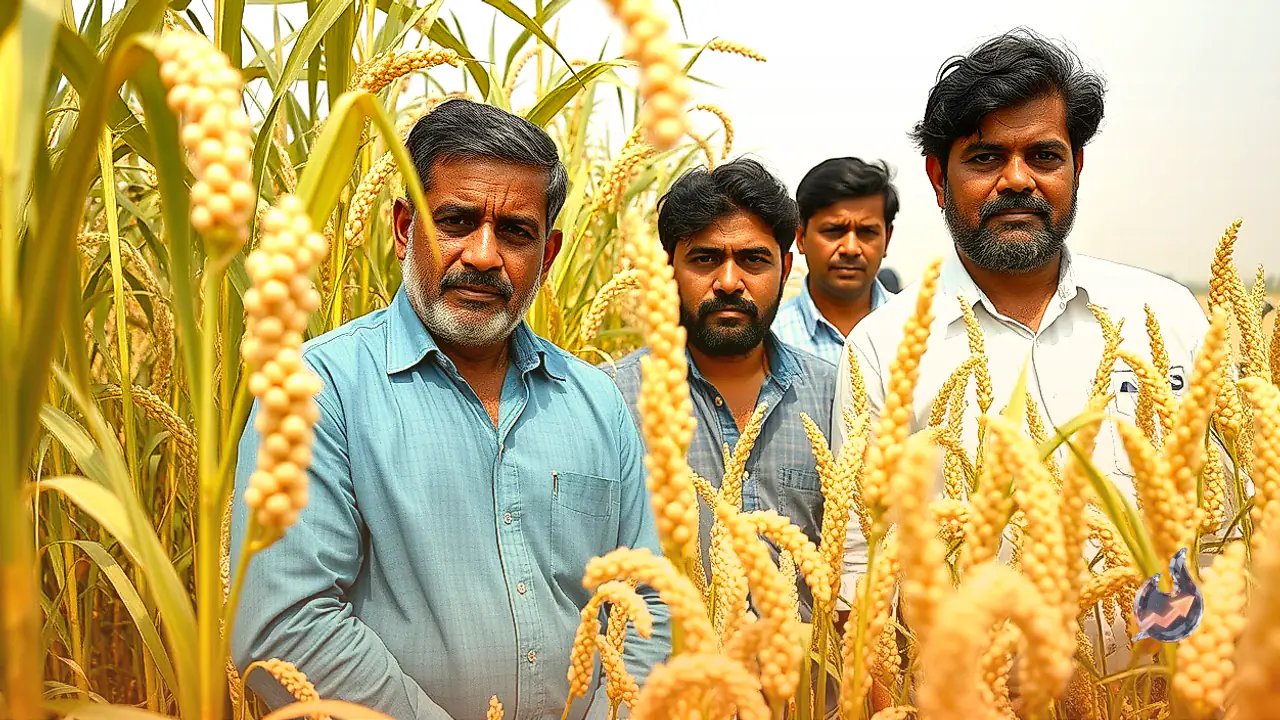






















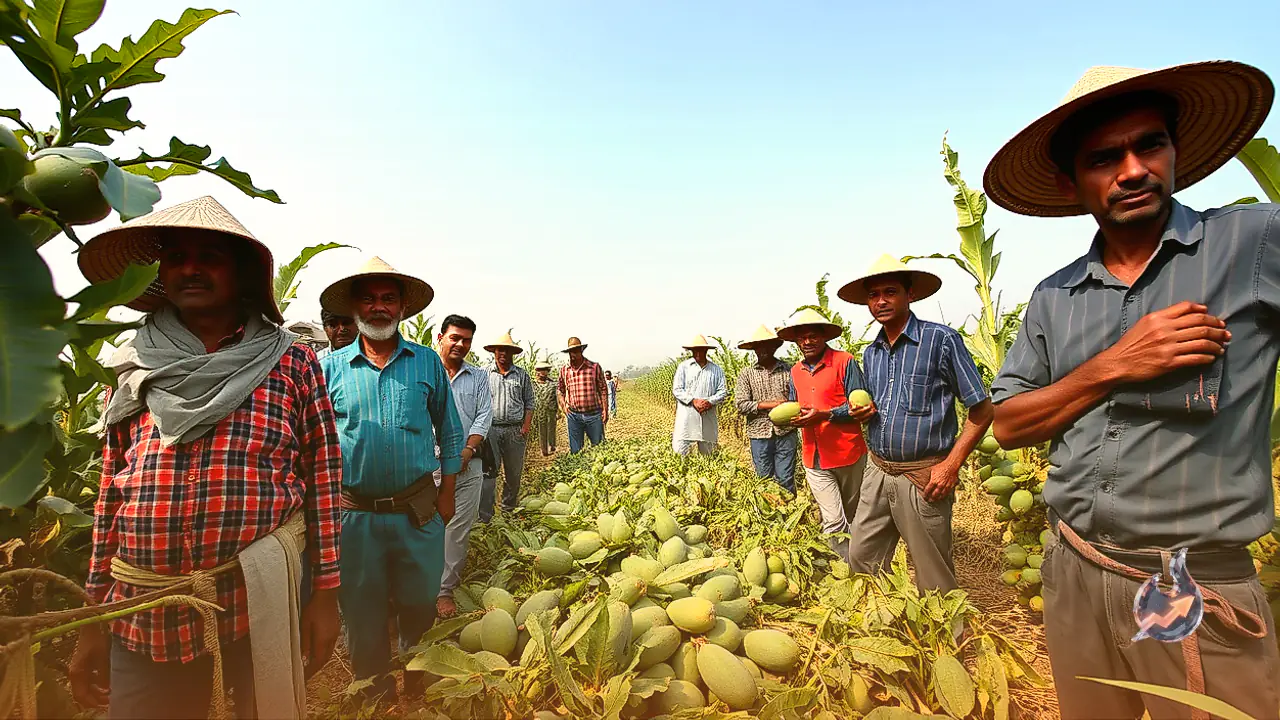

Agricultural practices across the Bharatpur district are witnessing a steady transformation as local cultivators increasingly incorporate commercial horticulture alongside conventional crop cycles. Within the agrarian pockets of Weir and Bhusawar, papaya orchards have rapidly emerged as a lucrative revenue stream, with Taiwanese papaya varieties gaining distinct preference over native plants. The surge in adoption is primarily driven by the prolific fruiting capacity of Taiwanese cultivars, which yield significantly higher numbers of fruit per tree compared to indigenous varieties. Paired with sustained wholesale demand and favorable market pricing, this shift is proving to be a dependable economic alternative for growers across the region.
Horticulture Hub Adopts Productive Cultivars
The Weir and Bhusawar belts have historically maintained a solid reputation for diverse horticultural production, yet papaya planting has gathered notable momentum among local farmers in recent seasons. Producers are intentionally shifting toward specialized seed varieties that deliver superior harvest weights while securing competitive rates in regional agricultural mandis. Horticulture department official Janak Raj Meena highlighted the strategic importance of the Weir and Bhusawar clusters for fruit cultivation, noting that local growers are actively establishing plantations featuring Taiwanese papaya alongside other commercial varieties. The standout advantage of these imported selections lies in their capability to bear heavier fruit clusters than standard local types, encouraging more farmers to commit acreage to the crop.
Navigating Seasonal Risks and Crop Sensitivity
While the economic returns can be rewarding, managing a commercial papaya plantation requires rigorous technical care throughout the crop cycle. Papaya trees remain highly vulnerable to sudden environmental fluctuations and climatic extremes. The orchard canopy requires strict protection during winter cold snaps and prolonged monsoon rains, where excess atmospheric moisture, waterlogging around the root systems, or sharp temperature drops can inflict severe physical stress on the plants. If drainage fails and standing water collects in the root zone, the trees face heightened mortality risks and stunted growth, directly suppressing overall yield projections.
Drainage, Balanced Nutrition, and Systematic Oversight
To mitigate potential losses, farmers must prioritize efficient furrow and field drainage systems that prevent surface water from stagnating around plant stems. Routine monitoring is critical to detect stress indicators early, with plant protection sprays applied strictly according to the counsel of agricultural specialists. Implementing balanced crop nutrition, precise moisture management, and timely pest and disease control can safeguard plantations against environmental shocks. By uniting certified variety selection with structured orchard maintenance and clear market alignment, cultivators in Weir and Bhusawar are building a sustainable pathway toward enhanced household earnings.