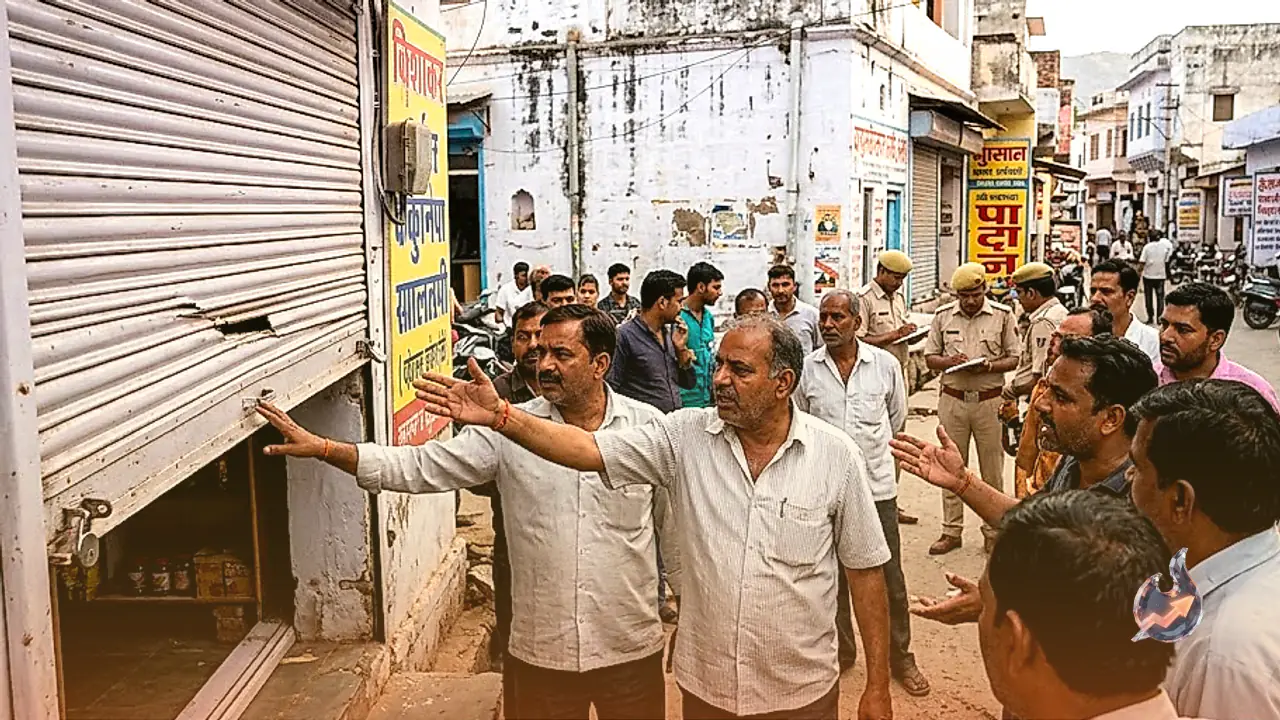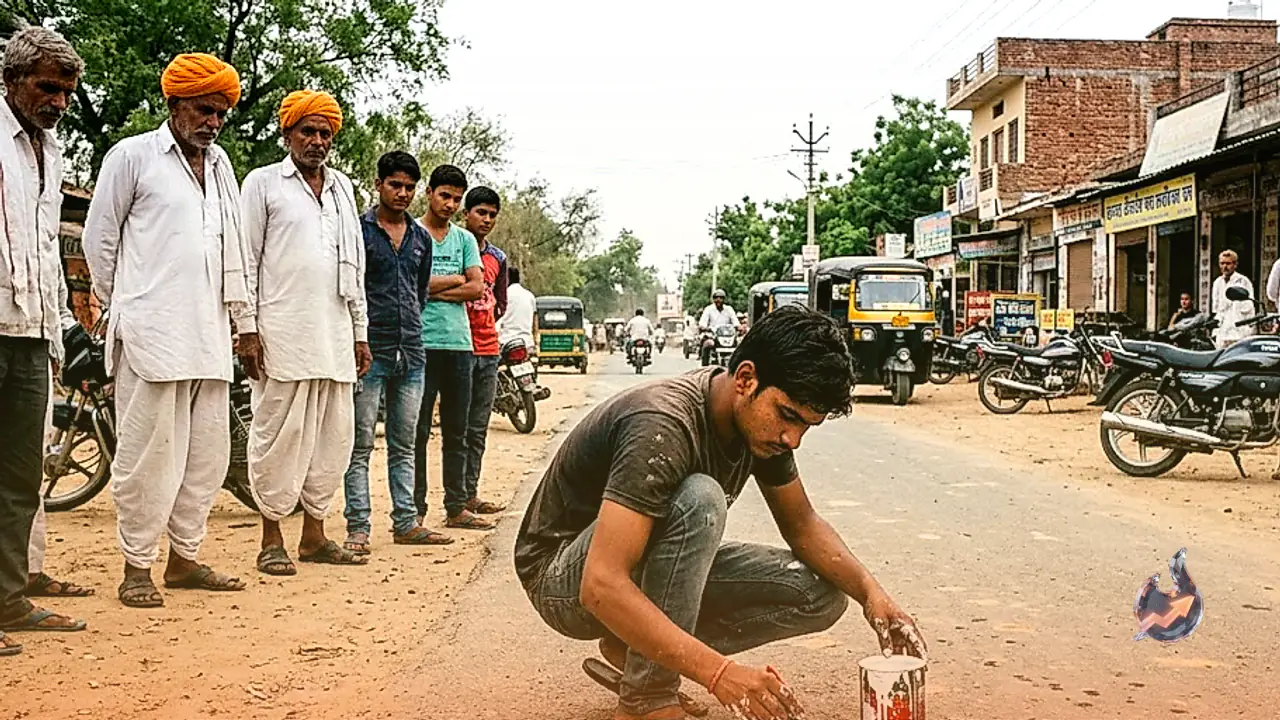




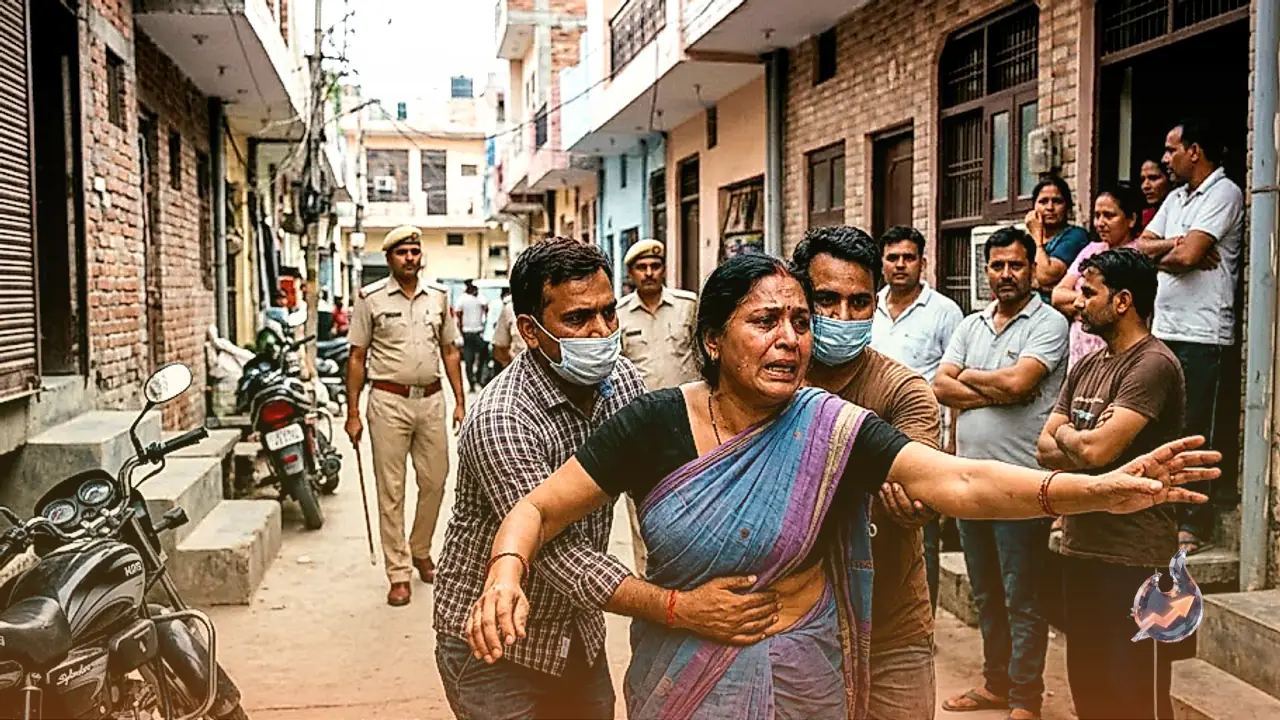














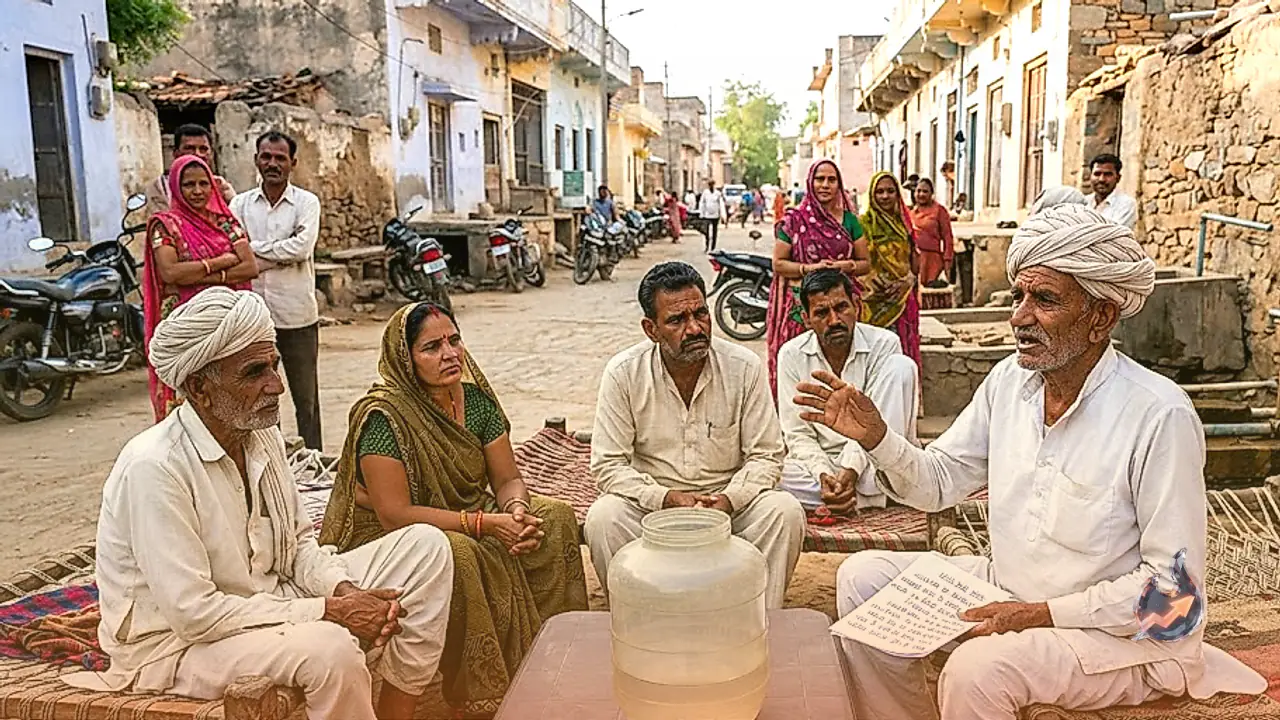

With preparations for the upcoming Panchayati Raj elections getting underway across Rajasthan, community discussions around local accountability and unfinished civic works have gathered significant momentum. Situated merely a few kilometres outside the city of Ajmer, the village of Lohagal continues to experience a persistent deficit of fundamental public amenities. Together, Lohagal and the adjoining settlement of Mangarh Wali account for a combined population exceeding 7,000 residents, sharing a single sarpanch position. As election talks gain traction around village squares, residents have begun reviewing past performance, determined to judge aspiring candidates strictly on core developmental challenges rather than temporary campaign promises.
Severe Water Delays and Stagnant Civic Amenities
Local residents point out that the overall living conditions within Lohagal have seen little tangible progress over the course of the previous five years. The internal street network and drainage channels remain in a state of disrepair, leaving stagnant wastewater and unattended filth as daily public nuisances. A particularly pressing grievance is the village's water supply schedule. Despite situated in close proximity to an urban hub like Ajmer, households in the village often have to wait for more than seven days just to receive running water. Managing everyday household chores and drinking needs during such extensive dry intervals places an immense burden on families.
The neglect of common village assets has compounded these frustrations. The local community pond, once a valuable ecological landmark, has been overrun by invasive babool thickets and dumped garbage. According to villagers, having a major highway cut through their surroundings has been the only visible infrastructure addition, while the inner settlement has been left without comparable progress. Residents emphasize that an external highway cannot compensate for missing basic necessities. As a result, the primary demand being placed before potential panchayat representatives is to fix the drinking water supply schedule, followed by immediate overhauls of the drainage channels, garbage disposal routines, and internal roads.
Shared Leadership Dynamics Between Twin Settlements
Because Lohagal and Mangarh Wali vote together to elect a single sarpanch, questions concerning balanced administrative attention frequently arise during civic deliberations. Several villagers feel that having one common representative across two distinct localities often dilutes the focus required to solve village-specific grievances. They advocate for a balanced, priority-driven developmental approach so that public funds and municipal efforts are distributed equitably across both villages without leaving either side behind.
At the same time, some residents acknowledge that a broad view of the past 10 to 15 years does reveal gradual improvements when contrasted with older conditions. Nonetheless, they maintain that an extensive volume of construction and civic planning remains unfinished. The community consensus is increasingly pointing toward electing an energetic representative who understands the practical gaps in the village infrastructure and actively pursues administrative solutions rather than maintaining the status quo.
Appeals for Youth Sports Facilities and School Infrastructure
Beyond municipal drainage and water supply, the lack of recreational and educational facilities for younger generations has emerged as a central election topic. Lohagal currently lacks an organized public sports ground where local youngsters can practice athletic activities and develop their sporting talents. Community members stress that proper grounds and recreational avenues are indispensable to channel youth energy productively and offer aspiring athletes opportunities to compete on broader platforms.
Similarly, residents are calling for qualitative upgrades in local government school facilities. They argue that school campuses require enhanced resources and stronger institutional arrangements so that rural students receive a robust learning foundation without facing unnecessary educational deficits. As candidate evaluations begin across village meeting points, the overarching focus remains tied to water distribution, sanitary cleaning, durable roads, functional schools, and public sports spaces. The electorate in Lohagal intends to leverage the upcoming local elections to turn long-standing village grievances into genuine civic action.