
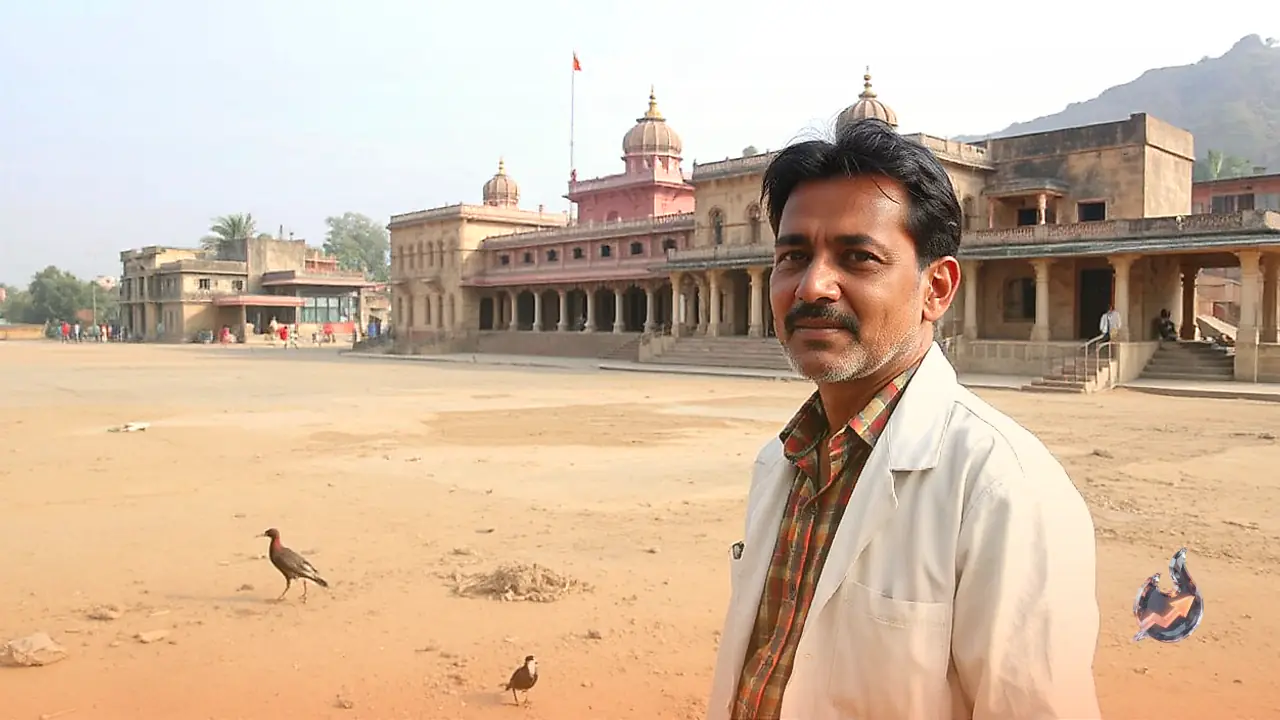


















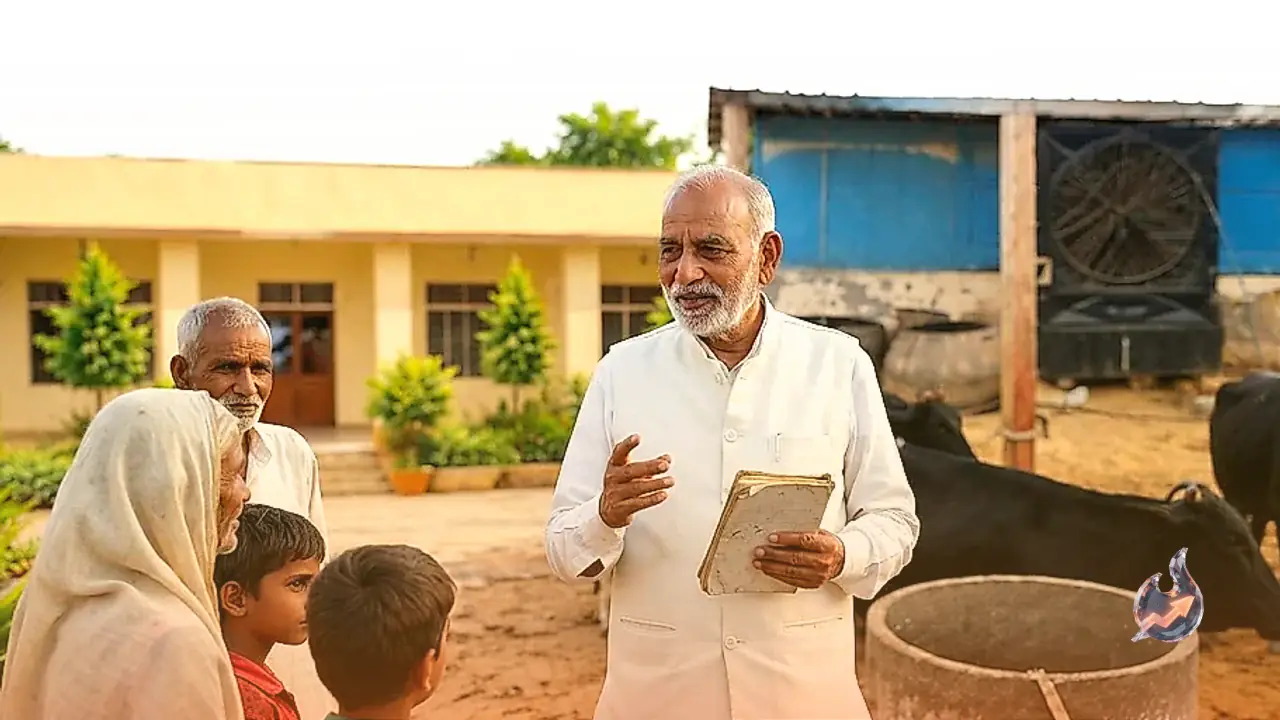

Bringing about meaningful transformation in society does not necessarily demand vast personal wealth; rather, it requires an unwavering spirit to serve others and inspire collective action. Sajjan Agarwal, a 75-year-old resident of Surajgarh town in Rajasthan's Jhunjhunu district, embodies this ethos through his 55 years of dedicated public service. Balancing his medicine business with community work, he successfully bridged the gap between his hometown and affluent emigrant philanthropists living across India, channeling funds into local education, healthcare, cow protection, and heritage restoration.
Educational Advancement and the Donation of Three Havelis
Sajjan Agarwal began his community initiatives at the young age of 20. After graduating as the top student at Chirawa College in 1970 and acquiring a degree in pharmacy, he established a retail medicine shop in Surajgarh. Drawing inspiration from his father, Babulal Agarwal, he threw himself into civic activities. In 1971, he joined the Rashtriya Swayamsevak Sangh, serving as its Nagar Karyavah for nearly two decades while placing special emphasis on expanding female literacy.
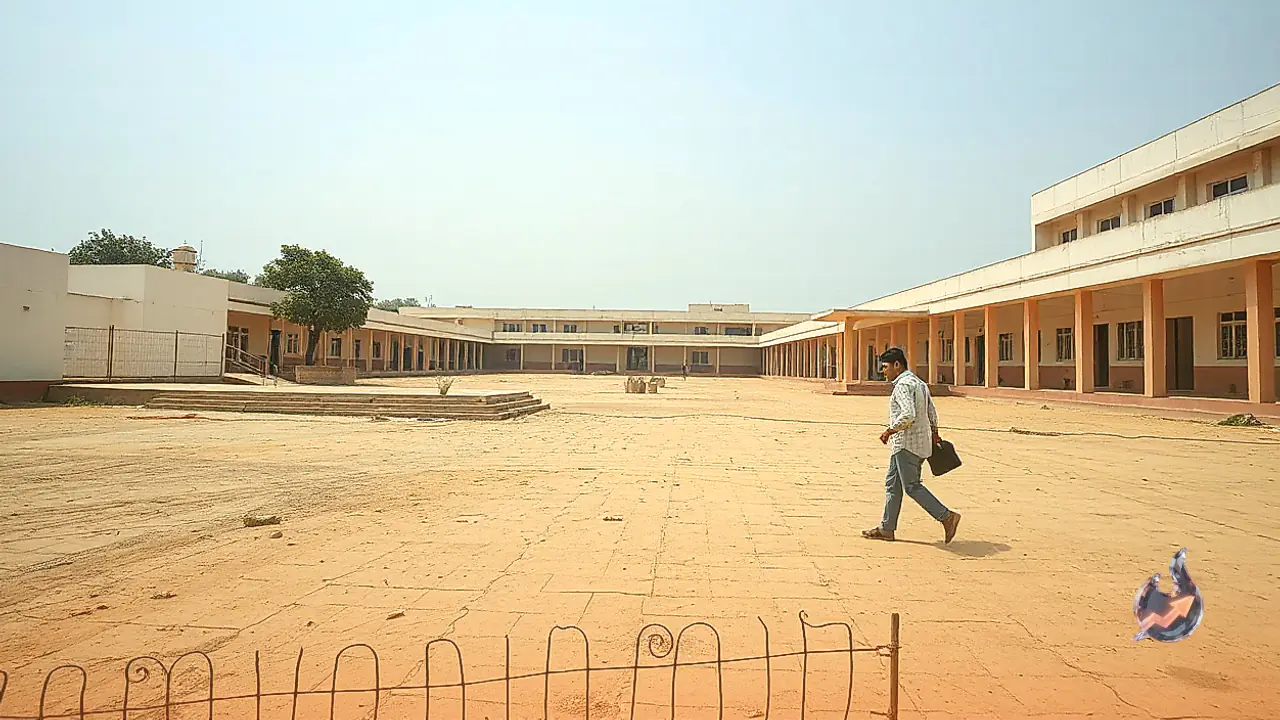
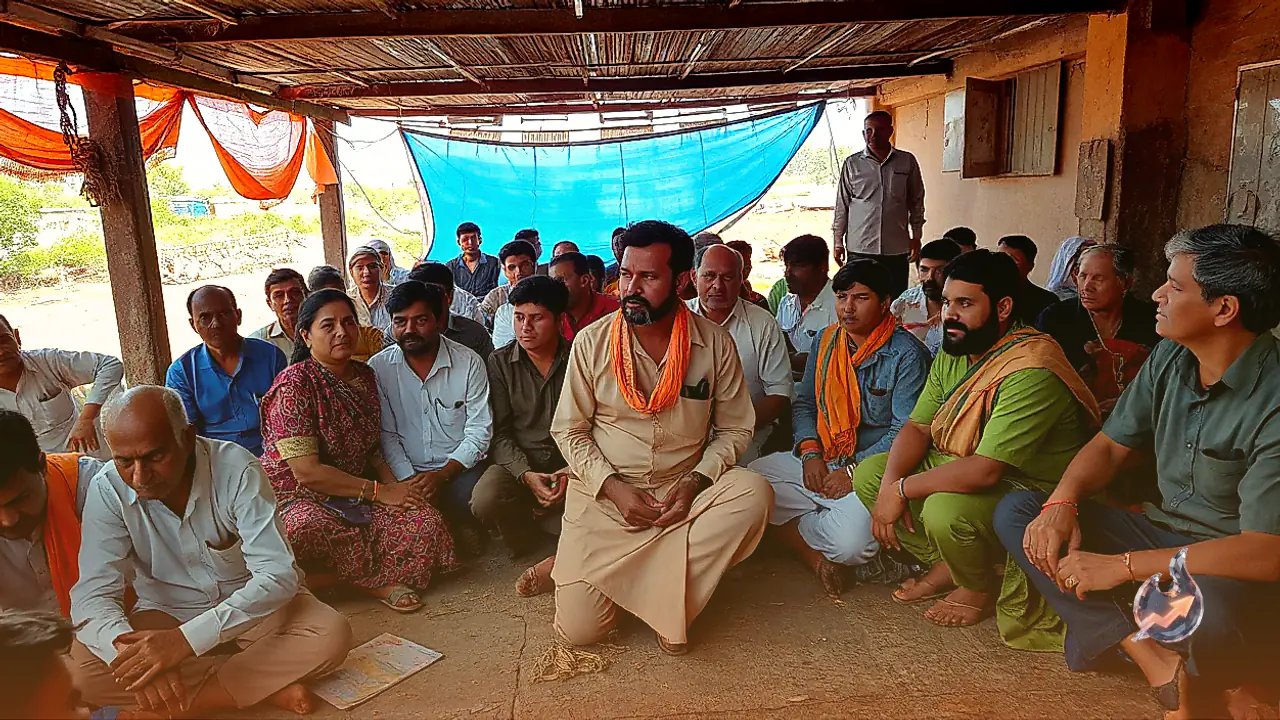
To overcome spatial constraints at the Shri Krishna Parishad Government Girls School, Sajjan Agarwal travelled to Kolkata to consult the Omprakash Kedia family. His persuasion led the family to donate three of their locked ancestral havelis for the school's expansion. Building on this momentum in 1997, Mumbai-based philanthropist Sant Kumar Jhunjhunwala contributed Rs 20 lakh toward a modern educational complex. Today, this facility houses the girls' school in one section and a government college in the other, while an additional Rs 30 lakh raised from donors funded complementary infrastructure upgrades.
Strengthening Animal Care and Modern Cow Hospital Infrastructure
In the realm of animal welfare, Sajjan Agarwal systematically mobilized donor support to establish state-of-the-art facilities for stray and injured cattle. A contribution of Rs 4 lakh from Mahesh Ranasaria enabled the construction of the Shri Krishna Gau Mata Temple. Furthermore, the Barasia family from Mumbai donated Rs 5.5 lakh to construct a dedicated medical room, an animal ambulance lift, and sanitation facilities.
Financial support continued with Ramdhari Mittal donating Rs 3 lakh to construct a large room, while Mangelal Mittal facilitated the construction of a spacious hall. A fully equipped operation theater was subsequently set up with assistance from multiple philanthropists. Sajjan Agarwal personally contributed Rs 1 lakh to install a water cooler on the hospital premises, while expatriate donors regularly provide lakhs of rupees for essential medicines and surgical equipment.
Restoration of Heritage Temples and Emergency Relief Services
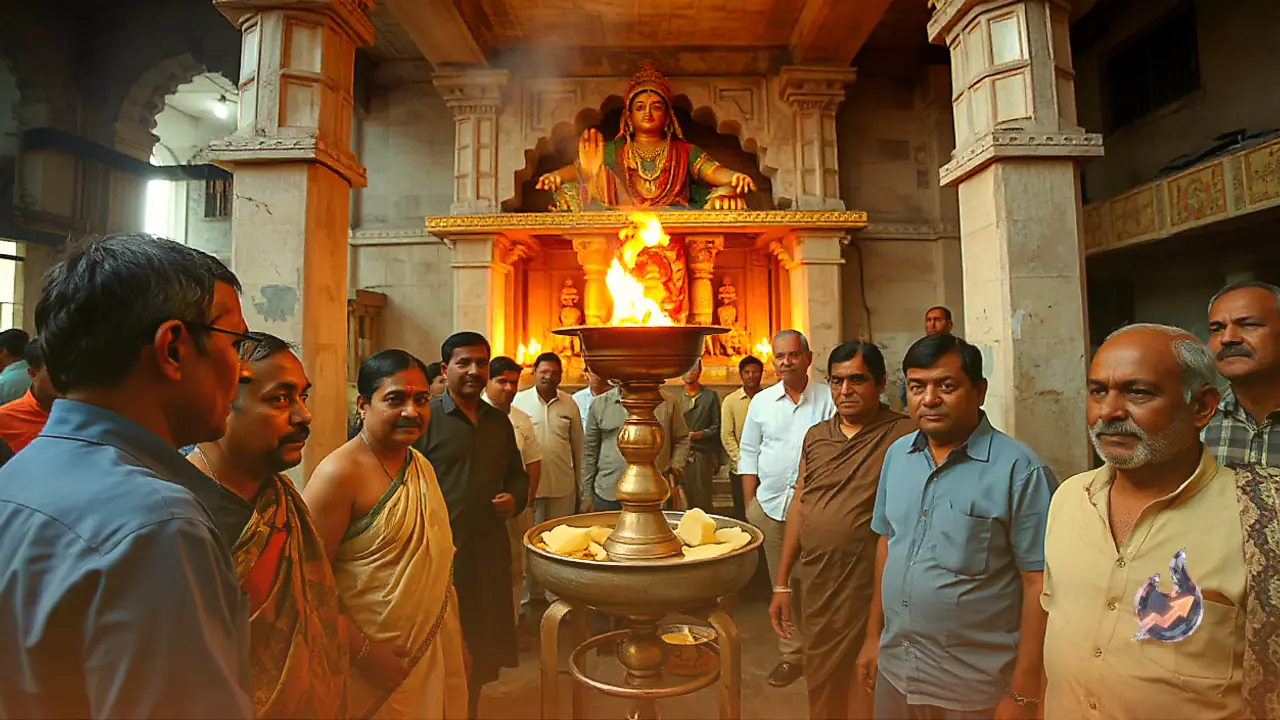
Sajjan Agarwal played a pivotal role in revitalizing local cultural and religious landmarks. With financial backing amounting to approximately Rs 22 lakh from Tulsiram Mittal and his family, the Shakambhari Mata Temple underwent comprehensive renovation. Similarly, Suresh Jhunjhunwala, a philanthropist based in Mumbai, provided Rs 10 lakh to restore the historic Sheetla Mata Temple.
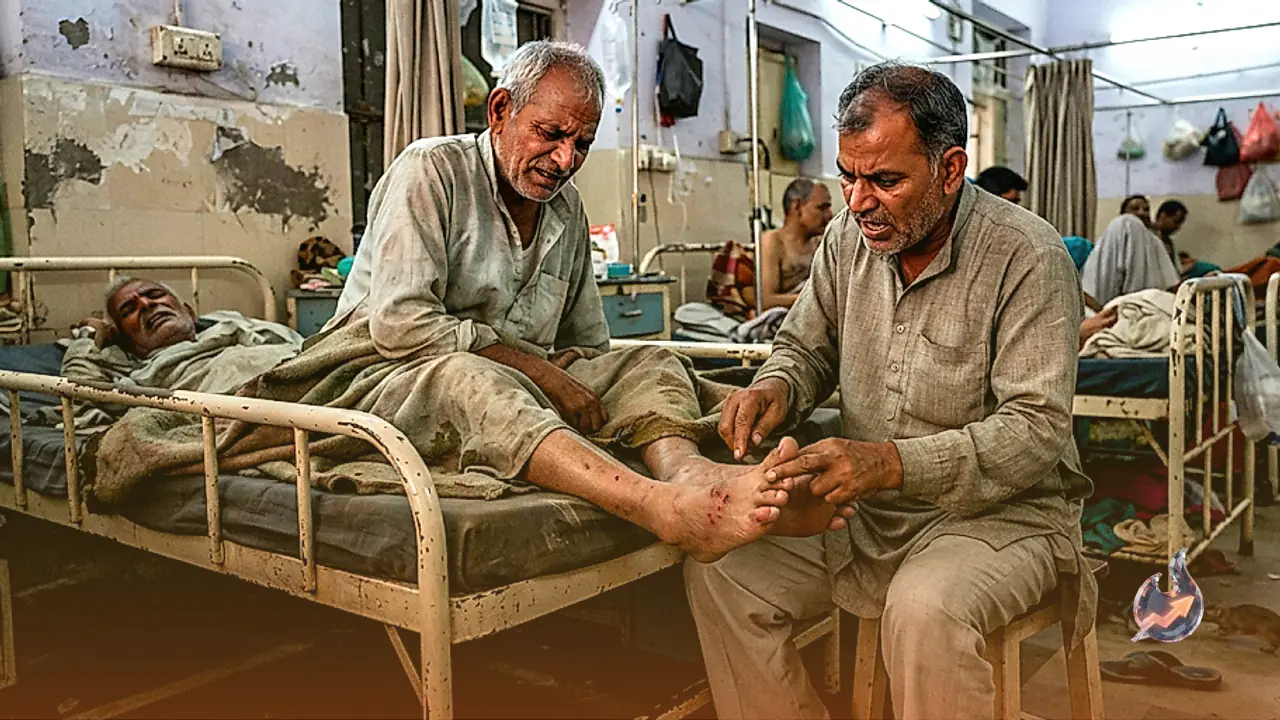
Through the Jeevan Jyoti Raksha Samiti, he continuously coordinates donor resources to maintain free ambulance services and supply critical medications to underprivileged patients in the region.
Imprisonment During Emergency and Public Office Record
His commitment to civic principles faced a major test in 1975 during the national Emergency, when Sajjan Agarwal was incarcerated for approximately three months. In recognition of his sacrifices for democratic values, the state government later honored him with the Loktantra Senani title.
Over the decades, he has held numerous public and organizational positions. He has served as a nominated member of the local municipality and acted as Secretary for the Panchayat Gaushala, Shri Krishna Parishad, and the Raghunath Datavya Aushadhalaya. Currently, he serves as the SMC Chairman at the Government Girls Higher Secondary School and functions as a patron for both the Gau Raksha Samiti and the Jeevan Jyoti Raksha Samiti. His enduring legacy lies in maintaining a strong bridge between the diaspora and their ancestral home.