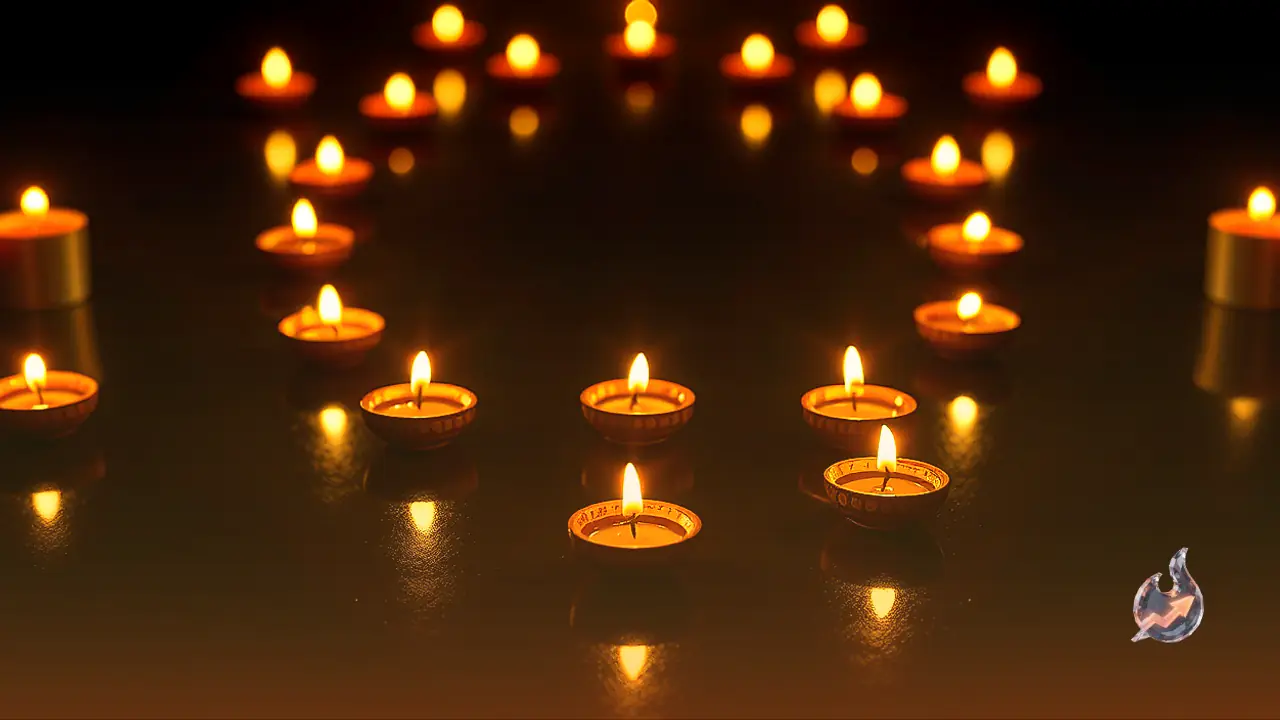

















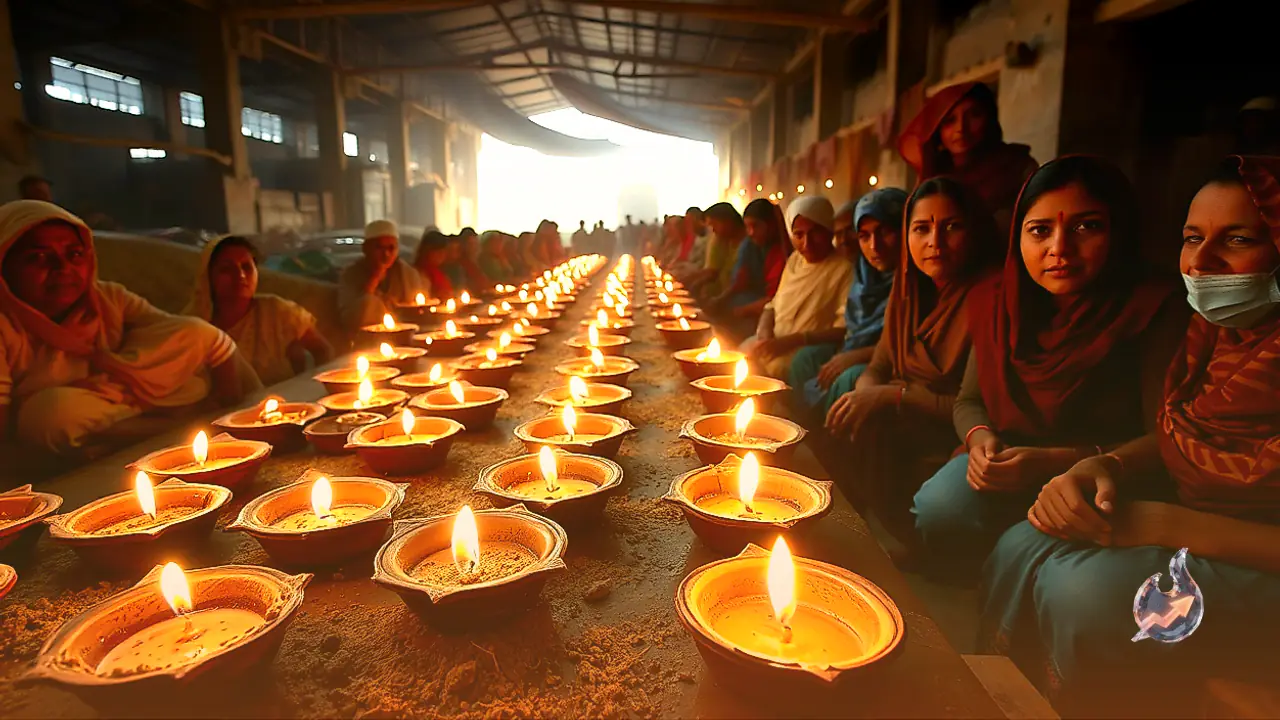

During the upcoming festival of Diwali, traditional clay lamps will share space with sustainable alternatives as local women in Kota, Rajasthan, craft designer lamps made entirely from cow dung. Spearheaded by Dr. Rupa Anand Jha, this eco-friendly initiative is generating direct livelihood opportunities for homemakers and local artisans while reviving traditional materials for festival celebrations. With the festive season approaching, the team has set an ambitious production target of manufacturing between 200,000 and 250,000 handmade lamps, transforming an easily accessible rural resource into finished decorative goods.
Inspiration Drawn from the Jaipur Expo
The concept of manufacturing utility and festive products from bovine waste took root after an exposure visit to Rajasthan's capital. Dr. Rupa Anand Jha observed a massive exhibition during the Gau Mahakumbh in Jaipur, which showcased how cattle waste could be processed into value-added household commodities. Intrigued by the commercial and environmental potential, she enrolled in specialized training programs to learn the exact techniques of processing cow dung. Following her training, she initiated the production of organic dhoopbatti, havan samagri, traditional dried dung cakes, and especially decorative diyas intended for daily rituals and festival decor.
Distinctive Floral and Geometric Patterns
Rather than producing plain, uniform shapes, the artisans in Kota are focusing on distinctive visual appeal by fashioning lamps with intricate patterns. The current inventory features floral contours, lining textures, and a variety of fancy decorative silhouettes designed to catch the eye of festive shoppers. Alongside traditional terracotta oil lamps, retail demand for these bio-degradable options has expanded significantly in local markets. Customers looking for eco-conscious choices are showing strong interest, as these organic lamps offer an eco-safe alternative that leaves no harmful residue behind after festive celebrations.
Production Scale Using Custom Manual Machines
To increase output while maintaining consistent aesthetic quality, Dr. Jha developed a custom handmade pressing machine at her own level. Because the machine operates without full automation, workers must invest dedicated manual effort, making the production process slightly more time-intensive. Nevertheless, productivity remains strong, with a single worker producing between 250 and 300 finished lamps per day. Currently, approximately five local women are directly engaged in the day-to-day manufacturing process, utilizing the apparatus to achieve clean edges, durable structures, and smooth surfaces on every finished piece.
Advancing Sustainable Livelihoods Across Hadoti
The broader vision behind this festive project is to distribute 200,000 to 250,000 finished diyas across retail stalls in time for Diwali. Support has poured in from community networks, including the Nari Shakti Group and several local non-governmental organizations assisting with coordination and outreach. Dr. Jha emphasized that raising community awareness regarding cow-dung-based natural commodities is essential across the Hadoti region. By converting readily accessible cattle waste into a steady income stream, the project helps women support their households financially while prompting the public to embrace indigenous and environmentally sound alternatives.