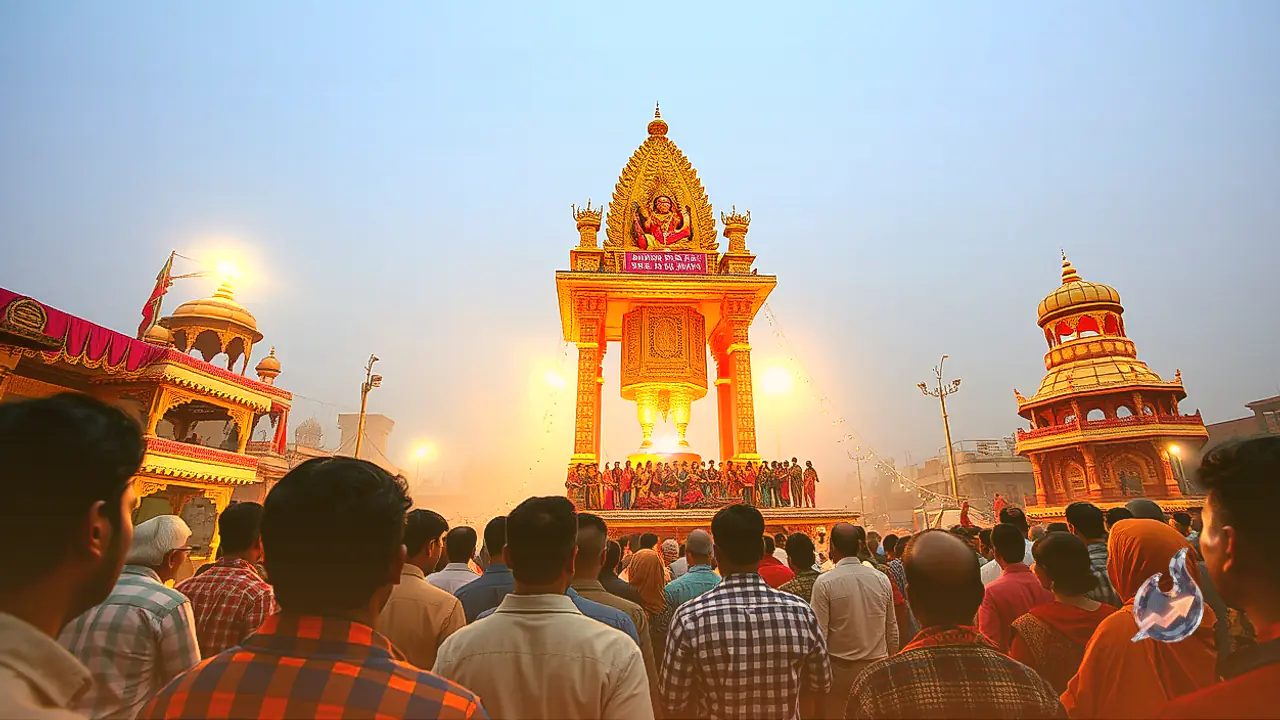




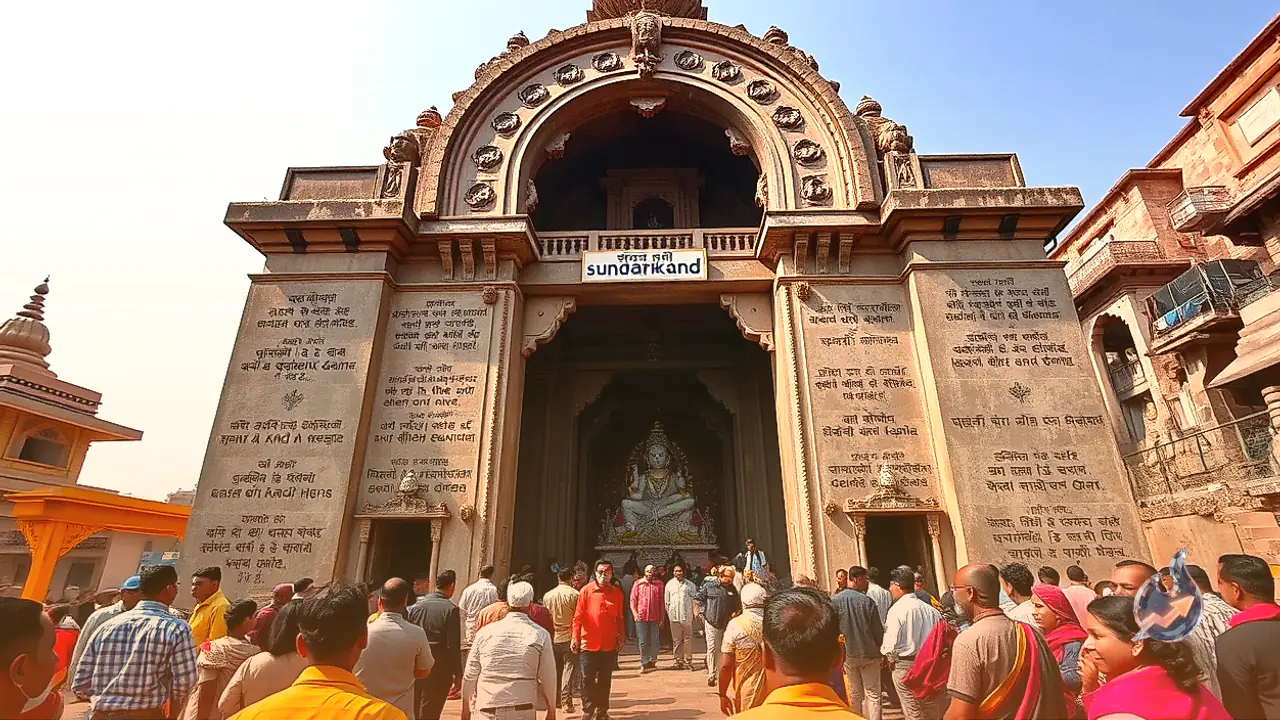
















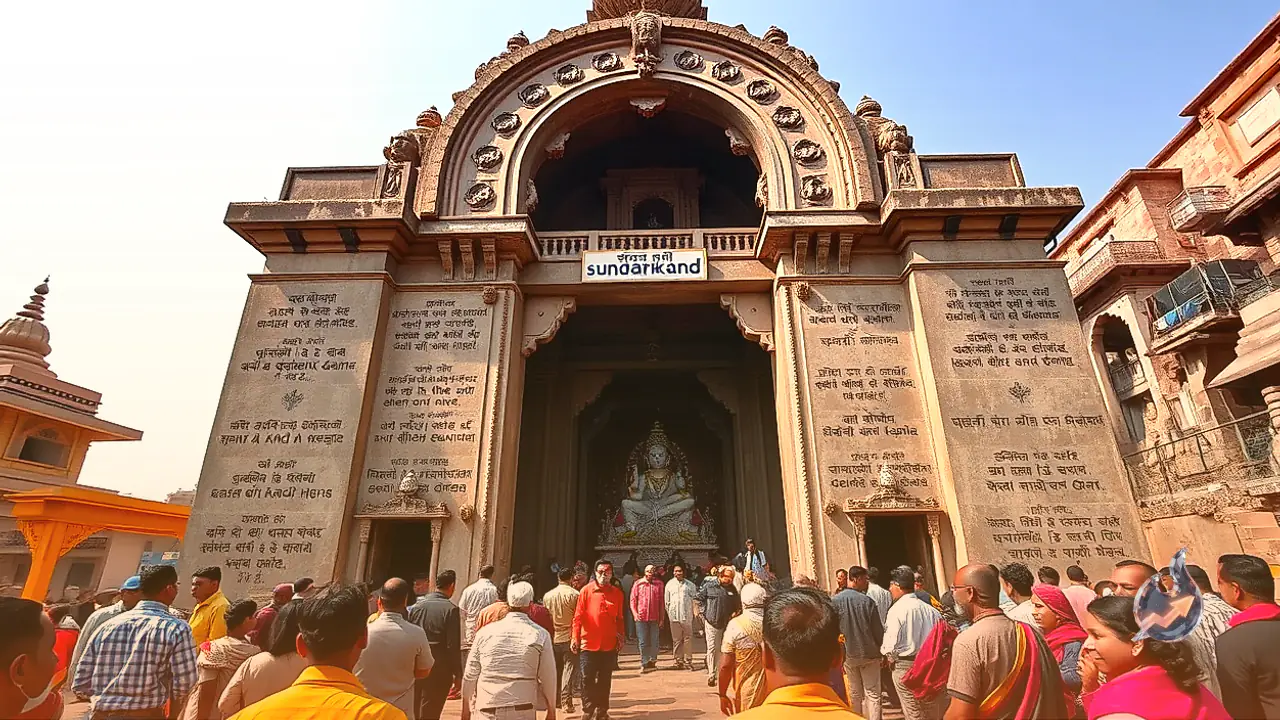

While devotees traditionally rely on printed scriptures to recite holy verses, visitors in the coaching hub of Kota, Rajasthan, are encountering a distinctive spiritual setting. The renowned Godavari Dham Hanuman Temple has developed a dedicated Manas Mandir where worshippers do not need to turn physical book pages. Instead, the entire Sundarkand has been inscribed directly across the sanctum walls, allowing visitors to stand and chant the sacred verses effortlessly. Alongside this textual display, statues of revered figures Goswami Tulsidas and Maharishi Ved Vyas have been ceremonially installed inside the chamber. In addition to individual recitations, the sacred precincts have maintained an ongoing tradition of continuous Akhand Ramayana chanting over a prolonged period.
Expanding Sacred Spaces to Welcome Growing Congregations
Explaining the history behind this project, Godavari Dham manager Shailendra Bhargava shared that the ritual of Akhand Ramayana was initiated right after the consecration of the temple deity, Lord Hanuman. In its early years, this recitation was arranged exclusively during the auspicious observances of Navratri and the holy month of Sawan. With time, however, community attendance during the morning and evening aartis as well as scripture readings increased steadily. The room previously allocated for these devotional sessions eventually became insufficient to accommodate the daily influx of worshippers. In response, temple authorities decided to expand the hall significantly, transforming the chamber into a spacious Manas Mandir. Along with installing the statues of Maharishi Ved Vyas and Goswami Tulsidas, the entire text of Sundarkand was inscribed directly onto the interior walls.
Spiritual Architecture Inspired by Banaras and Ahmedabad
The concept of adorning walls with sacred scripture was drawn from traditional religious landmarks elsewhere in the country. Shailendra Bhargava noted that the inspiration originated from prominent spiritual sites in Banaras and Ahmedabad. In Banaras, the well-known Manas Mandir features verses from the Ramcharitmanas engraved across its walls, while an established religious site in Ahmedabad showcases sacred narratives from the Bhagwat Katha upon its surfaces. Guided by these precedents, Godavari Dham adopted the approach of transcribing Sundarkand across its architecture. He cited key teachings from the Ramcharitmanas emphasizing that in the age of Kaliyuga, beyond elaborate yogic disciplines, sacrificial rituals, penances, or fasts, genuine redemption stems from remembering the divine name, singing praise, and listening to sacred deeds with an honest heart.
Fostering Inner Peace and Daily Reflection Among Devotees
Highlighting the spiritual motive, Shailendra Bhargava stated that meditating upon the divine deeds and listening to the virtues of Lord Ram offers a direct path toward inner welfare. Many people find themselves unable to maintain regular scriptural reading at home due to personal constraints or literacy barriers. Such visitors can sit peacefully within the shrine and absorb the unbroken recitations of the Akhand Ramayana. The primary goal of establishing this Manas Mandir is to encourage visitors to absorb the moral teachings of the scripture into their everyday conduct rather than viewing them merely as words in a book. Engaging deeply with even a few couplets from Sundarkand while grasping their true significance can steer one's life in a constructive direction. Every day, large gatherings arrive at Godavari Dham to read the Hanuman Chalisa, recite Sundarkand, and experience profound tranquility.