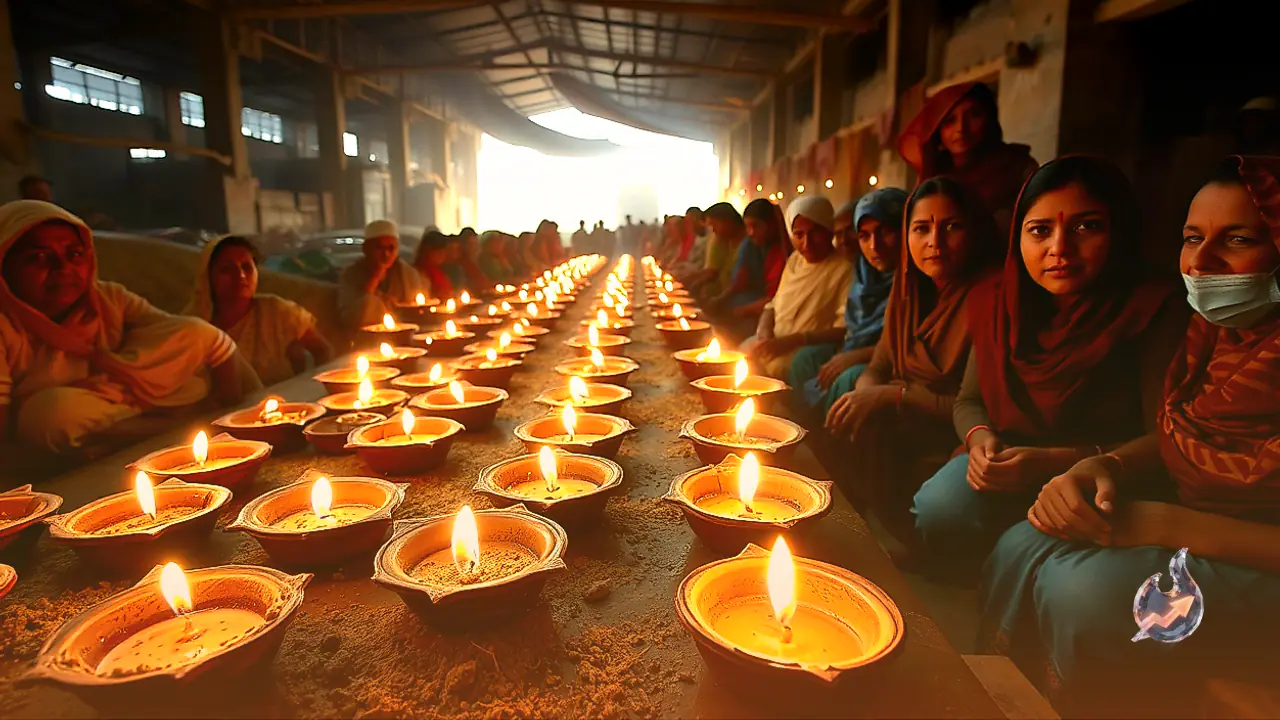

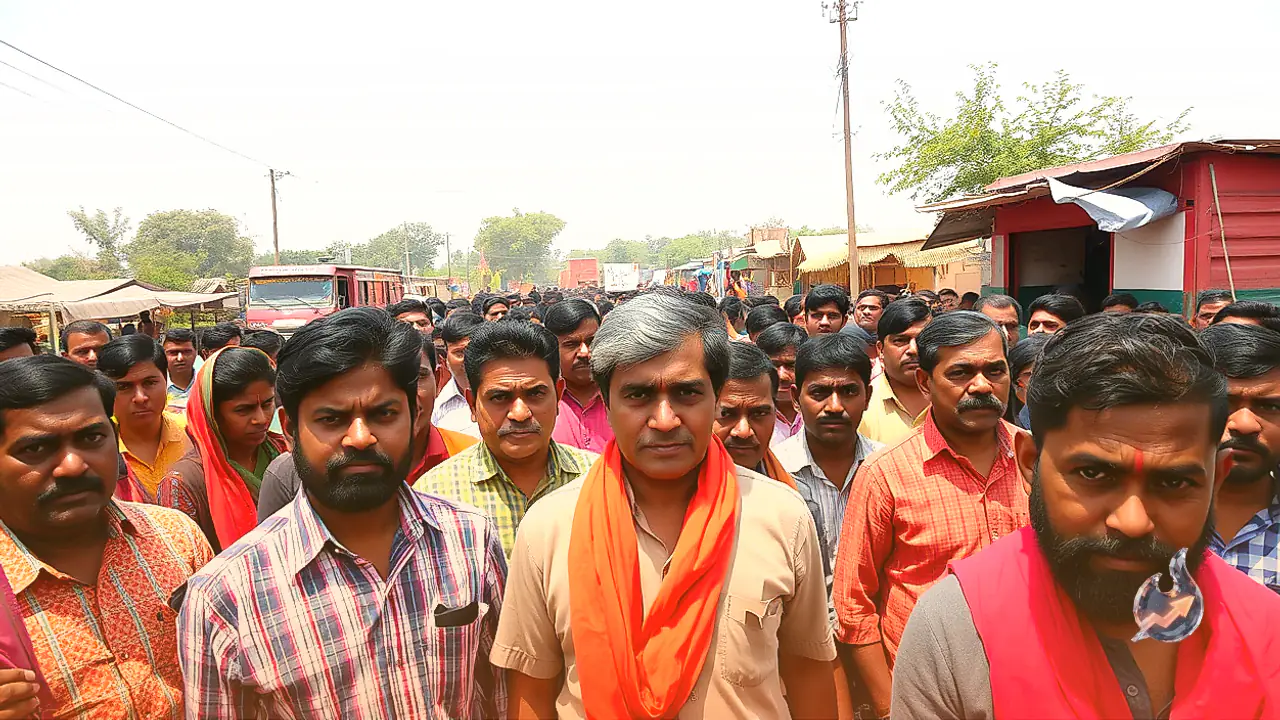
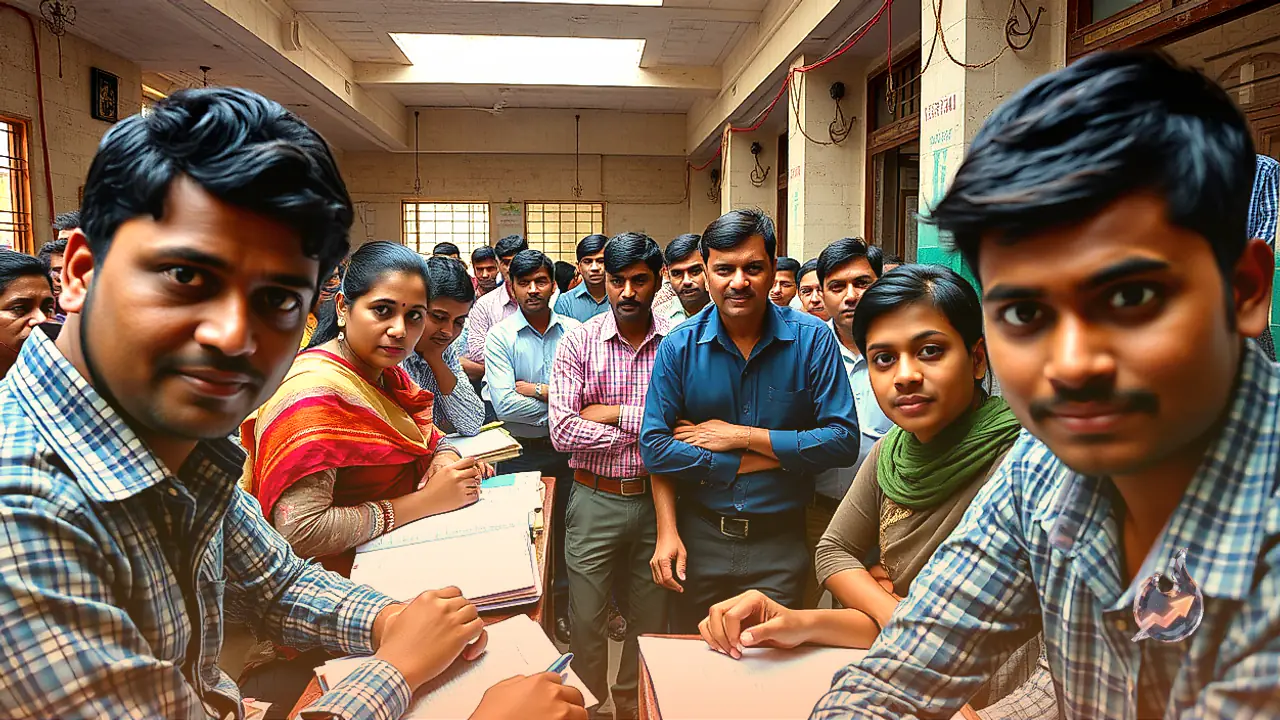

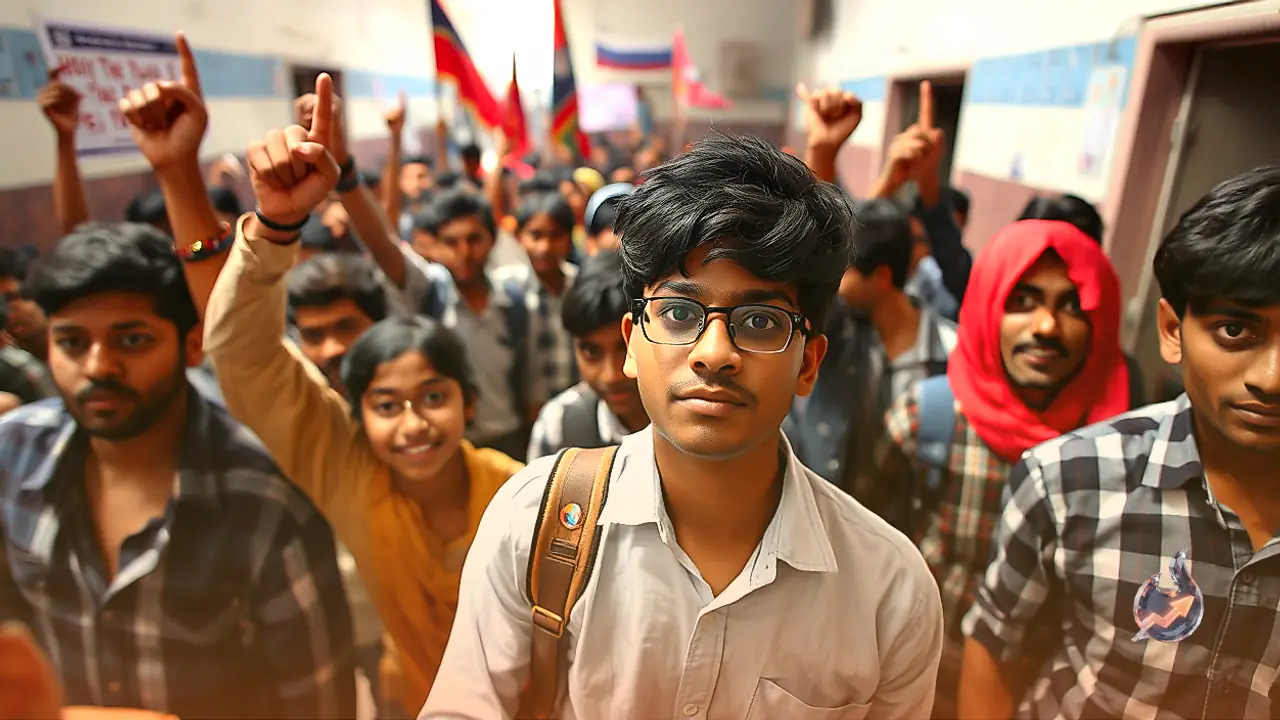















A deeply moving story of maternal resilience, unshakeable faith, and extraordinary coincidence has emerged from the Merta subdivision of Rajasthan's Nagaur district. Fifteen months after losing their only sons in a single devastating tragedy, two households in the neighboring villages of Mokalpur and Satlawas are celebrating the arrival of newborn baby boys. The parallel timing of the births and the emotional decision to name both infants after their deceased brothers have brought profound solace to families that had previously lost all hope for the future.
A Bond Forged in Childhood Cut Short by Tragedy
The lives of the families of Sitaram Muwal from Satlawas and Babulal Beda from Mokalpur had been closely intertwined for years through the deep friendship of their sons. Both boys, each named Narendra, shared an inseparable bond that began in the fifth grade and continued through their professional nursing studies. In their villages and academic circles, the two young men were almost always seen together, exemplifying a rare and enduring companionship.
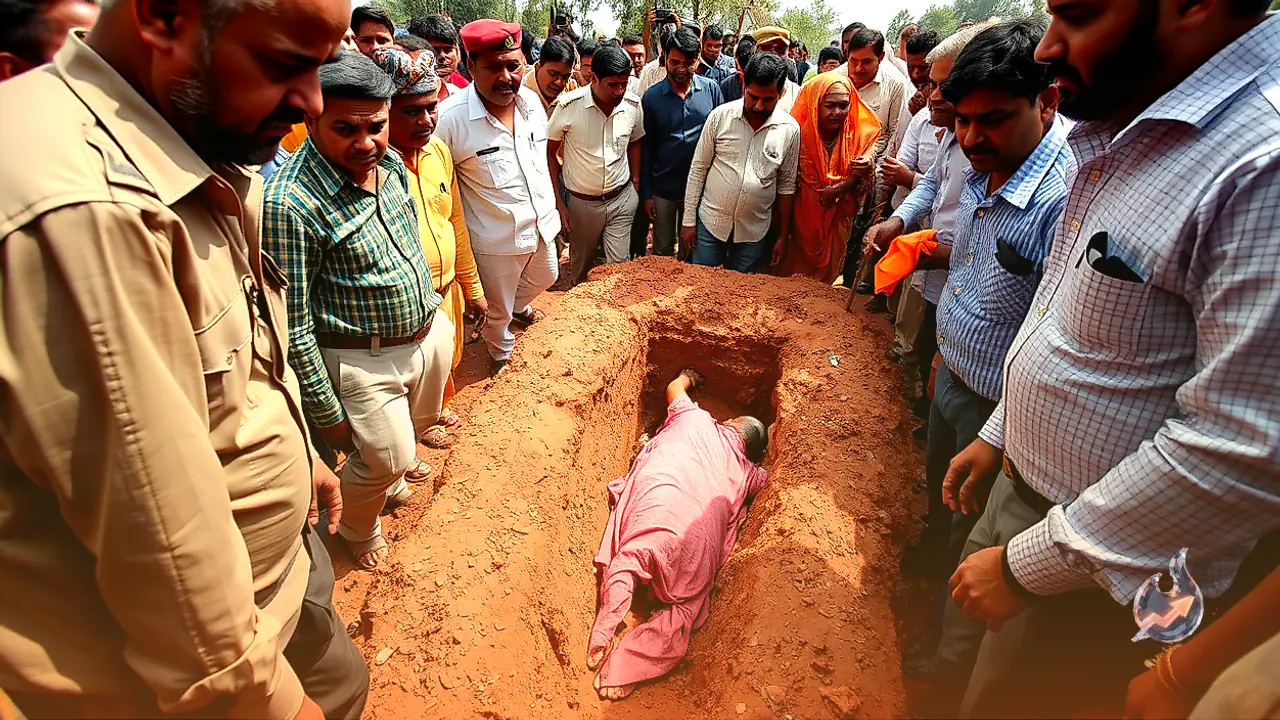
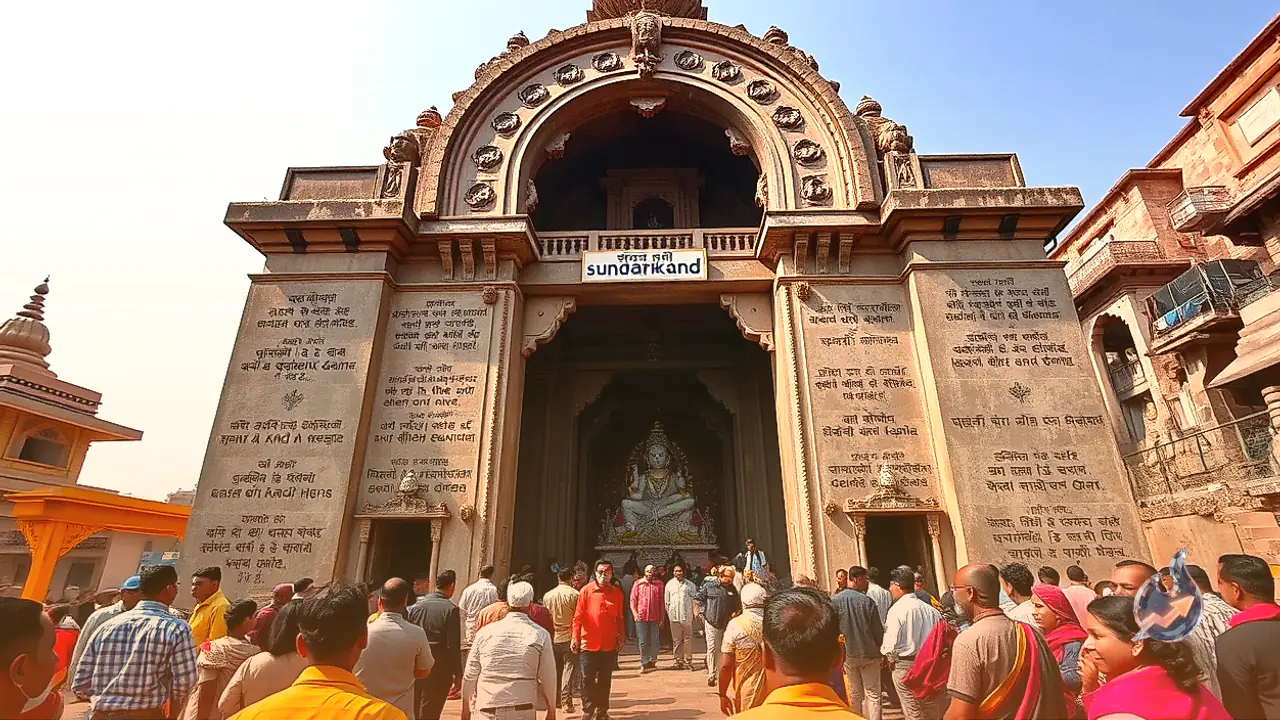
That journey came to a sudden and heartbreaking end on July 14, 2025. The two friends had set out to seek blessings at the Nilidya Mahadev waterfall near Chittorgarh. While bathing in the waters of the religious site, an intense surge in the current caught both youths off guard, sweeping them away. Rescue teams recovered the body of Mokalpur resident Narendra Beda later that same day. However, it took nearly 14 hours of searching to recover the body of Satlawas resident Narendra Muwal. As both young men were the sole brothers among several sisters in their respective homes, their unexpected demise cast an overwhelming gloom over both communities.
Reversing Sterilization to Revive Family Lineage
The loss of Narendra Beda and Narendra Muwal left both sets of parents facing profound despair. Because each mother had undergone surgical tubectomy or sterilization approximately 17 years earlier following the birth of her son, the prospect of extending their family lineage or having another child had seemed medically closed. The vacuum left behind by the loss of their only male heirs weighed heavily on both households.
Driven by persistent grief and an enduring desire to rebuild their broken lives, both mothers devoted themselves to prayer, observing Monday fasts dedicated to Lord Shiva to pray for children. Ultimately, both families made the courageous medical decision to undergo recanalization surgery to reverse the sterilizations performed nearly two decades prior. Following successful medical procedures, both women conceived again, rekindling hope in households that had lived in mourning for over a year.
An Uncanny 14-Hour Gap Between Births
The emotional impact of the story deepened further with the exact timing of the two deliveries. In Mokalpur, the wife of Babulal Beda gave birth to a healthy baby boy on Sunday, October 4, at around 7:00 PM. The very next morning, on Monday, October 5, at roughly 9:00 AM, the household of Sitaram Muwal in Satlawas celebrated the arrival of their newborn son as well.
Family members were struck by the striking mathematical parallel: during the tragedy of July 2025, there was an interval of approximately 14 hours between the recovery of the first friend's body and that of the second. In an astonishing mirror of fate, the births of the two new infants occurred almost exactly 14 hours apart. For both households, this chronological alignment transcended mere luck, and relatives interpreted it as divine grace bringing their lost children back into their care.
Honoring the Past by Reusing a Treasured Name
In tribute to the sons they lost, both families have chosen to name their newborns Narendra once again. Grandfather Bhagwan Ram Muwal and father Sitaram Muwal in Satlawas, along with Babulal Beda and his relatives in Mokalpur, describe the feeling as though their original sons have returned to their homes. The occasion has brought immense emotional relief to the sisters in both households, who had endured the heartbreak of losing their brothers.
The unfolding events have captured widespread community attention across the Nagaur region. For these families, the infants represent far more than new additions to the family tree; they embody living memories of loved ones whose lives were abruptly cut short. After fifteen long months of collective sorrow, celebration has replaced mourning, demonstrating how patience and determination can rebuild hope in the wake of profound loss.