



















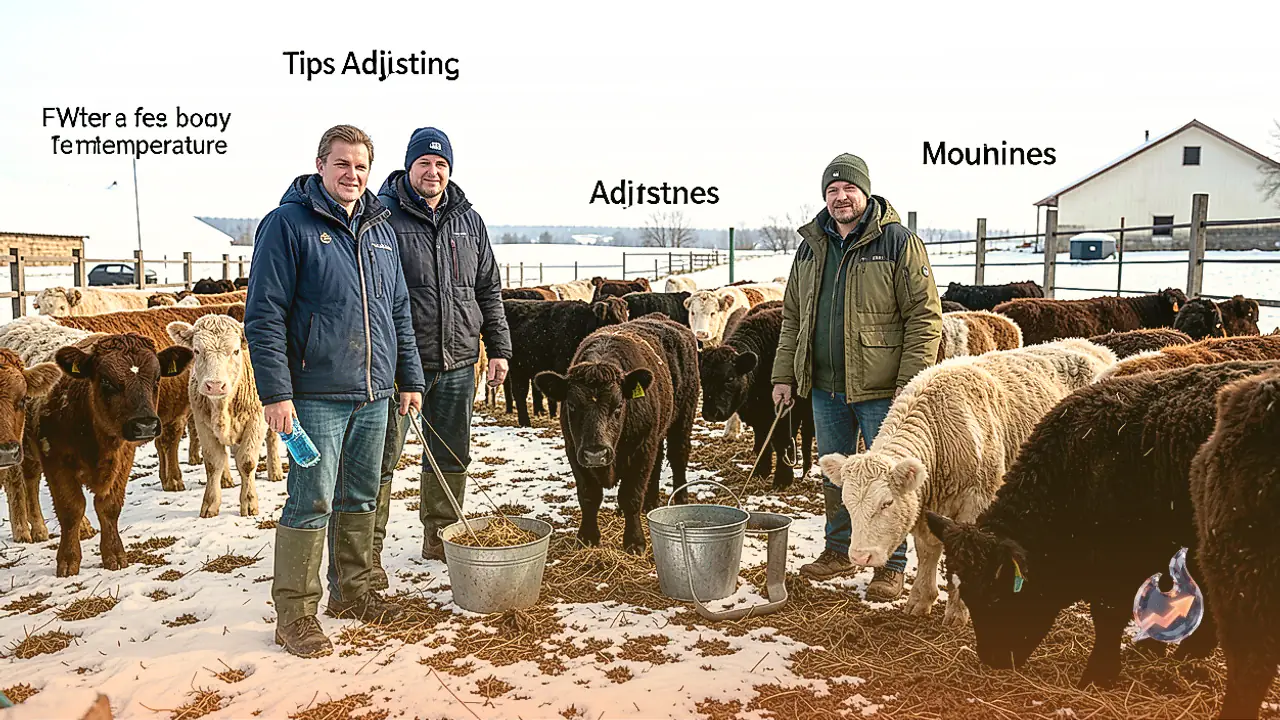

With the onset of winter, livestock require significantly more energy compared to normal days to maintain their internal body temperature. During this season, careful attention must be paid to the amount of energy-dense concentrates and available fodder in their balanced diet. It is always better to introduce any dietary changes gradually rather than abruptly, ensuring that the digestive system of the animals is not disrupted.
Balancing Green and Dry Fodder
Instead of relying on just a single type of feed, maintaining a proper balance of both green and dry fodder is essential for animals. Green fodder helps provide vital nutrients, while dry fodder fulfills the dietary requirement for fiber. Providing seasonal fodder in balanced quantities helps support overall health and improves digestion in livestock.
Nutritional Needs for Dairy Animals
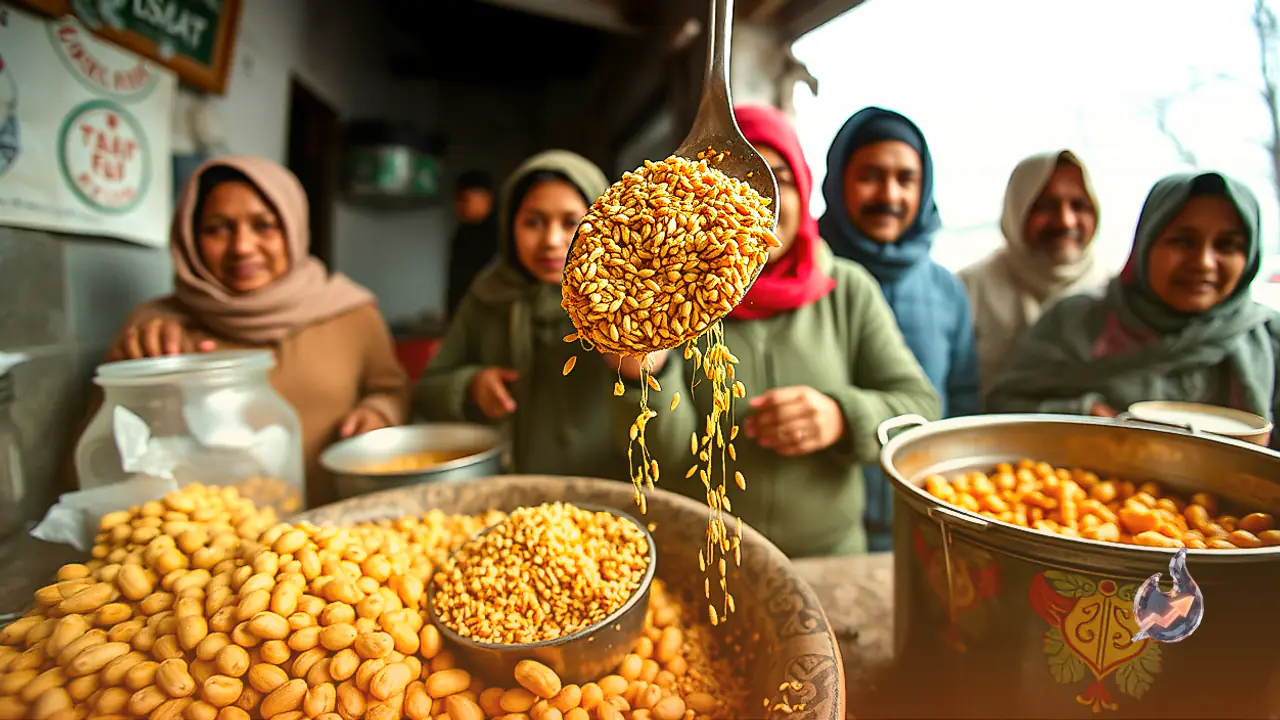
For milking animals, merely filling their stomachs is not enough; their daily diet must also contain adequate amounts of essential nutrients such as proteins, mineral mixtures, and salt. It is best to determine the feed formulation based on the animal's age, body weight, milk-yielding capacity, and overall health. Consulting a veterinarian or animal husbandry expert is recommended whenever guidance is needed.
Managing Water Intake During Cold Months
Animals often drink less water during winter, but their physiological need for water does not decrease. A shortage of water can negatively impact their health and diminish milk production. Therefore, clean drinking water should be provided regularly. Offering water at normal room temperature rather than ice-cold water proves much more comfortable for the animals.
Dietary Adjustments and Environmental Comfort
Special attention must be given to the diet of dairy animals during the winter season. Rather than suddenly introducing heavy concentrates or new feed items, quantities should be increased slowly while monitoring changes in milk output and general health. Along with a balanced diet, proper arrangements should be made to protect livestock from chilly drafts and dampness, as a comfortable environment is just as vital a part of proper animal care.