





















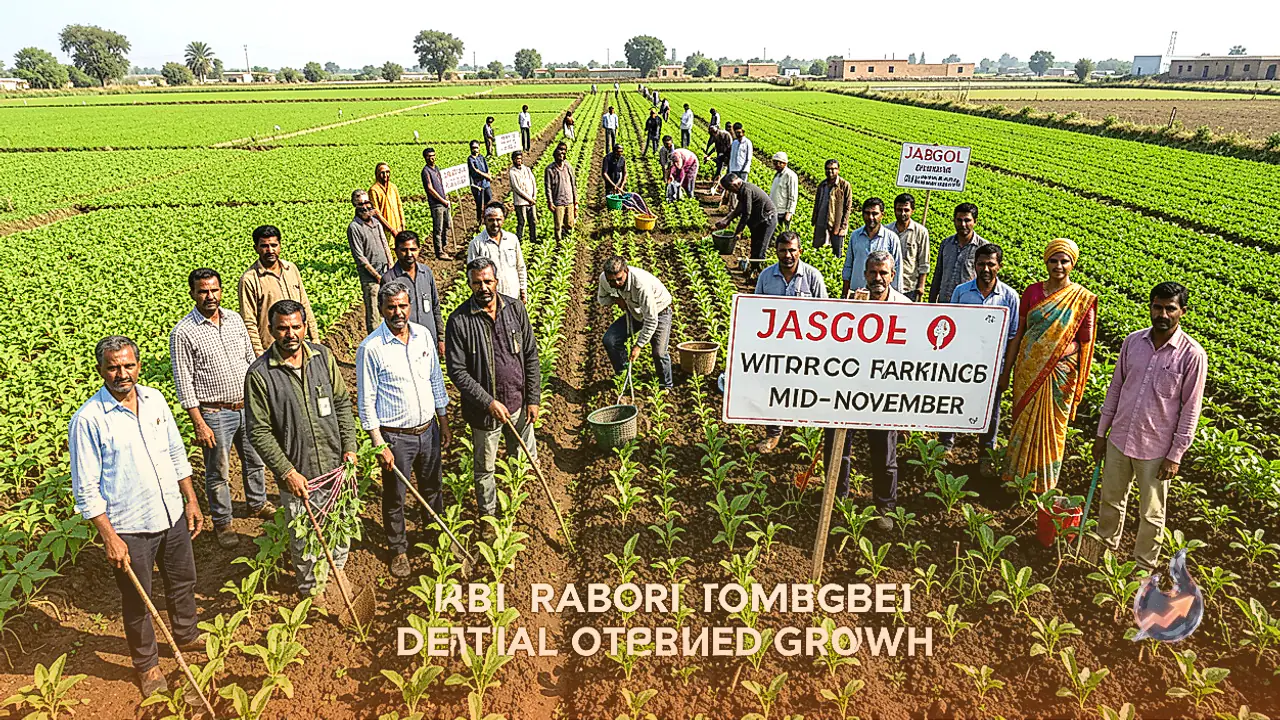

Agricultural fields across Jalore are witnessing the commencement of sowing for a key Rabi season crop known for requiring minimal water while delivering robust yields and strong financial returns. The seasonal window for planting Isabgol has officially opened, allowing cultivators to begin work from the final week of October through the first and second weeks of November. According to agricultural timelines, approximately November 15 serves as the most suitable deadline for completing Isabgol sowing operations. The cultivation of this crop is carried out on a large scale across the Jalore district, forming a backbone for seasonal agricultural income in the region.
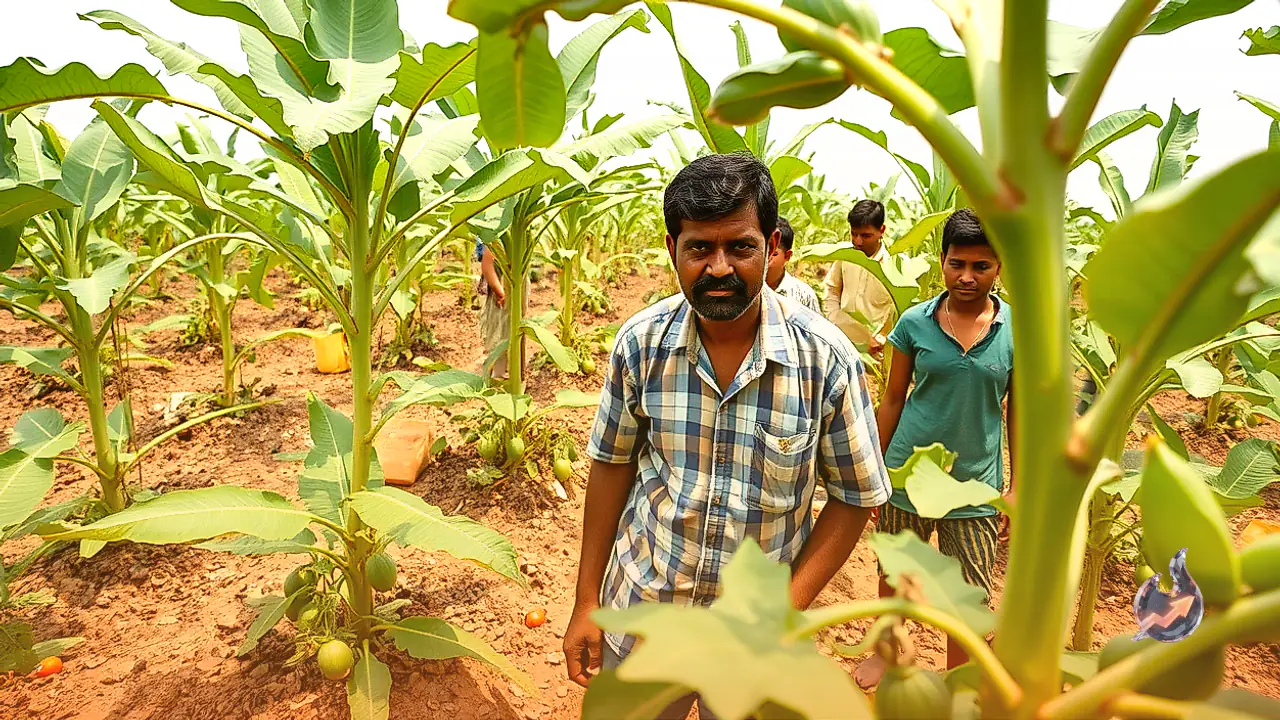
The local environment in Jalore proves particularly favorable for this botanical variety, thriving best in light sandy loam soils coupled with a cool and dry atmospheric climate. However, cultivators must remain cautious as excessive water accumulation within fields or continuous rainfall can severely damage the growing crop. A local farmer named Sohanlal noted that thorough and careful preparation of the field prior to sowing is an absolute prerequisite for a successful Isabgol harvest. Proper soil conditioning ensures that the seeds settle into an environment conducive to early germination and steady root establishment.
Executing the sowing process within the recommended timeframe ensures that the crop maintains healthy vegetative growth throughout its lifecycle. Following the initial planting, the first round of irrigation is typically administered using sprinkler systems to distribute water evenly across the entire field. Because Isabgol is inherently a low-water consumption crop, the frequency and volume of irrigation required remain significantly lower compared to other traditional winter crops. Depending on prevailing weather patterns and soil characteristics, the crop generally reaches full maturity anywhere between 100 to 125 days, requiring only measured irrigation cycles managed through sprinklers while strictly avoiding waterlogging.
Beyond its agricultural cultivation phase, Isabgol holds immense commercial value due to the husk derived from its seeds, which finds extensive application in digestive health products. The consumption of Isabgol husk is widely recognized as an effective remedy for alleviating constipation and maintaining regular gastrointestinal health. Furthermore, the product is utilized across various food processing industries and numerous pharmaceutical formulations for medicinal preparations. For the farming community in Jalore, Isabgol represents an essential economic asset during the Rabi season, offering a reliable pathway to supplementary income supported by the region's unique climate and soil composition.