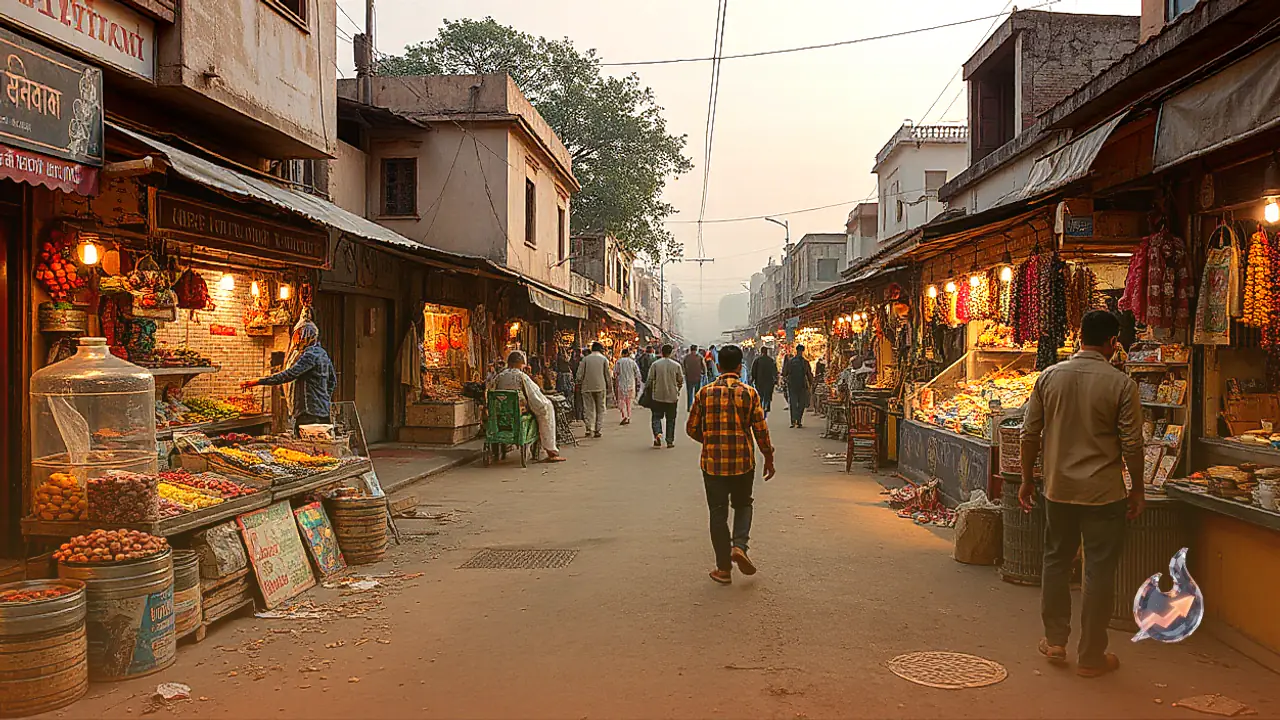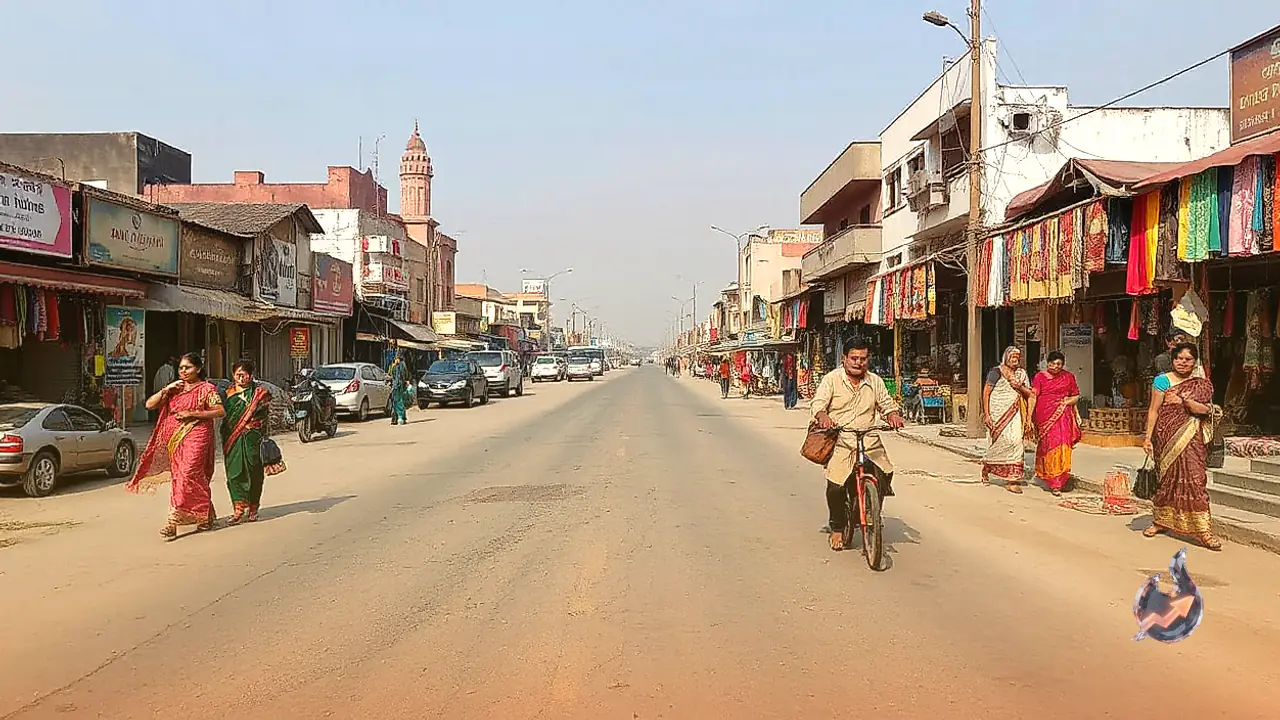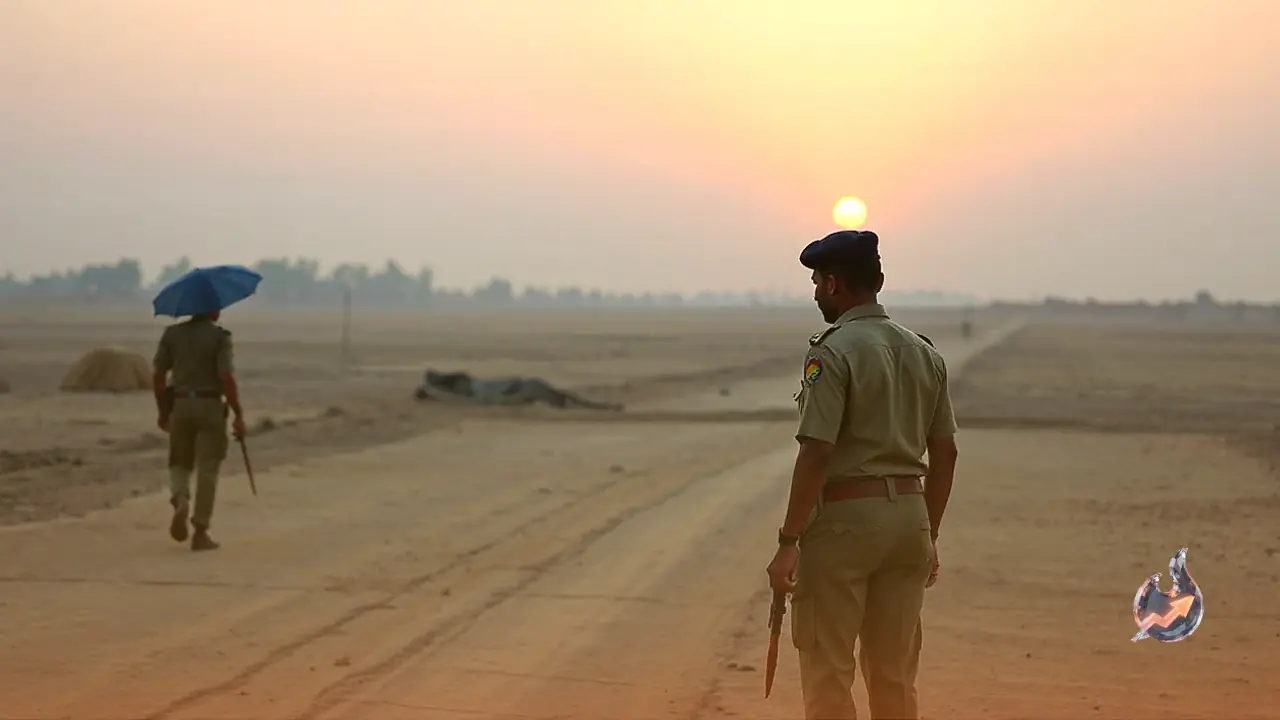
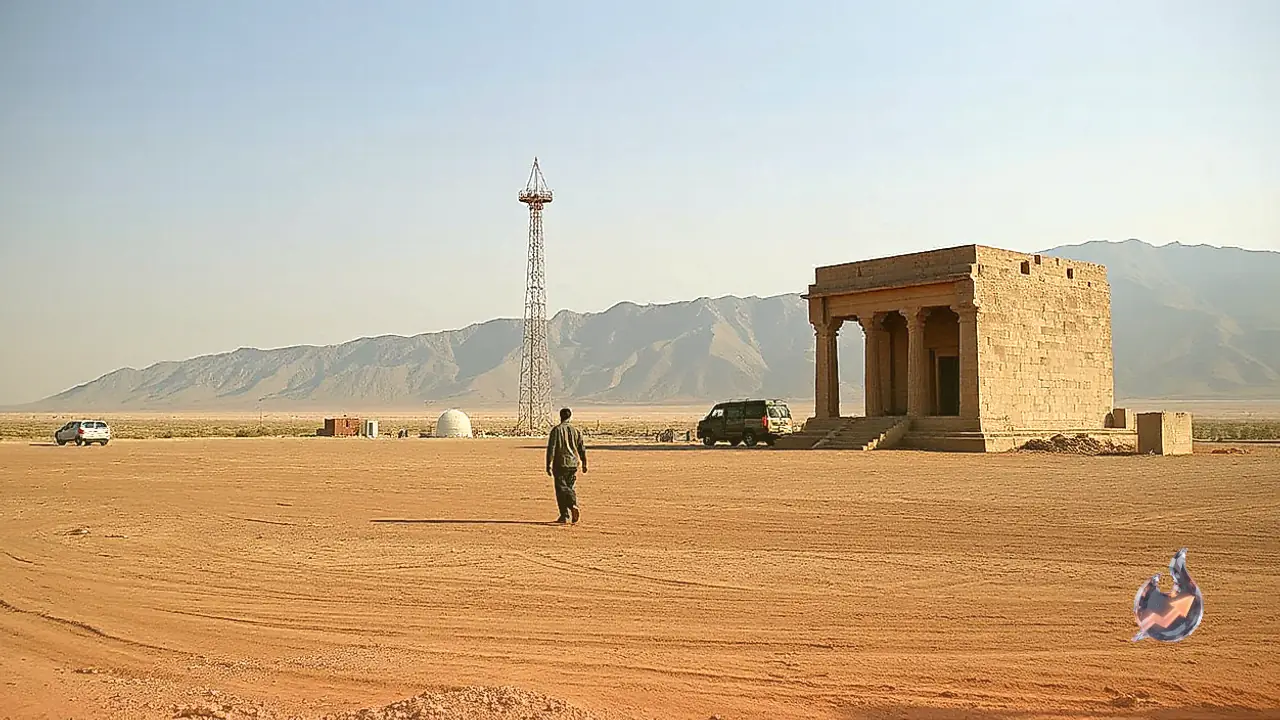





















With the onset of November, seasonal shifts have become distinctly noticeable across Rajasthan. Although the severe cyclonic storm Murasu churns over the Bay of Bengal and charts a course toward the southeastern coastline of Andhra Pradesh, this powerful weather system will have no direct impact on Rajasthan. According to the India Meteorological Department (IMD), completely dry conditions and clear skies are projected to persist across the state for the next full week. Gradual alterations in prevailing wind directions will continue to push nocturnal temperatures downward, steadily deepening the arrival of early winter chills across urban and rural belts alike.
Statewide Dry Conditions and Gradual Temperature Dips
A fresh assessment by the India Meteorological Department (IMD) indicates that clear sunshine will prevail across most parts of Rajasthan during daylight hours. Conversely, early morning hours and late evenings will witness light mists accompanied by brisk, cool winds. The administrative divisions of Jaipur, Bharatpur, Kota, and Udaipur are slated to record a decrease of 1 to 2 degrees Celsius in minimum night temperatures over the coming days. No forecast predicts rain, cloudbursts, or dust storms anywhere within the desert state. While afternoon conditions remain quite comfortable, residents across multiple districts have begun needing light woolens during early dawn and late night hours.
Daytime Heat and Chilly Dawns in Jaipur and Environs
In the capital city of Jaipur, the sky will remain unclouded throughout the day. Projections issued by the IMD suggest an afternoon maximum temperature settling around 32 degrees Celsius, balanced against an overnight minimum of approximately 18 degrees Celsius. Early mornings in the urban center will carry perceptible dampness and crisp breezes, which give way to sharp sunshine as the day matures. Neighboring districts like Dausa and Alwar, closely aligned with Jaipur's climatic envelope, are expected to see night mercury drop even lower over the next two to three days.
Atmospheric Outlook for Kota and the Hadoti Belt
Completely dry conditions will persist across the Hadoti region, encompassing the districts of Kota, Bundi, Baran, and Jhalawar. The regional cluster will experience zero disruption from cyclone Murasu. Daytime readings in Kota division will hover close to normal seasonal baselines, followed by light, cool currents sweeping through during the evening hours. According to projections by the IMD, minimum temperatures across Hadoti will fluctuate between 17 and 19 degrees Celsius, making nocturnal hours considerably cooler for residents across these four districts.
Early Winter Grips Mewar and Elevated Terrains
Southeastern Rajasthan's Mewar belt, including Udaipur, Chittorgarh, and Rajsamand, is likewise recording the onset of persistent chilled air. Owing to its proximity to surrounding hillside terrain, Udaipur is witnessing a particularly rapid decline in overnight readings. Weather officials indicate that mercury will drop further in Udaipur as well as the hill station of Mount Abu over subsequent days, making early morning conditions noticeably colder for daily walkers, commuters, and outdoor laborers.
Mercury Trends Across Shekhawati and Bharatpur
Consistent declines in minimum readings are also underway across the Shekhawati tract, including Sikar, Jhunjhunu, and Churu, alongside the Bharatpur administrative division. Night temperatures within Shekhawati are registering lower than most other regions in the state. Meteorological experts note that starting from the second week of November, cold atmospheric conditions will intensify significantly across Rajasthan, setting the stage for true winter cold.