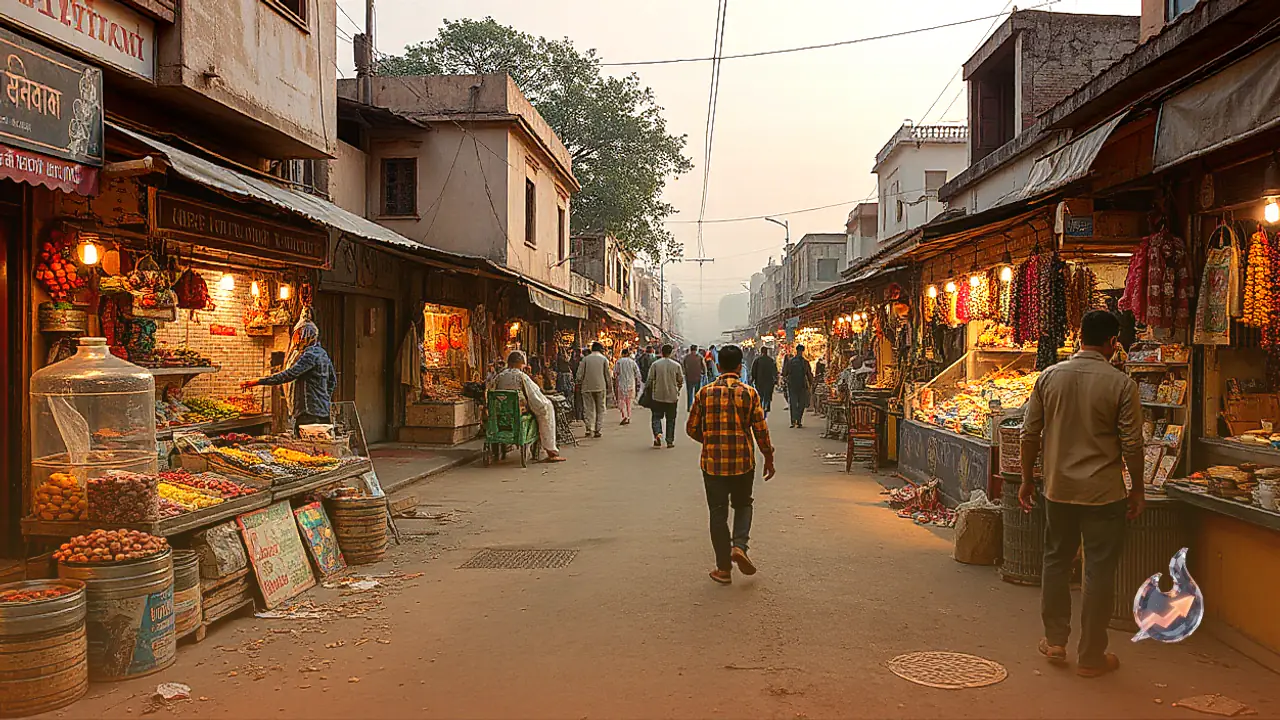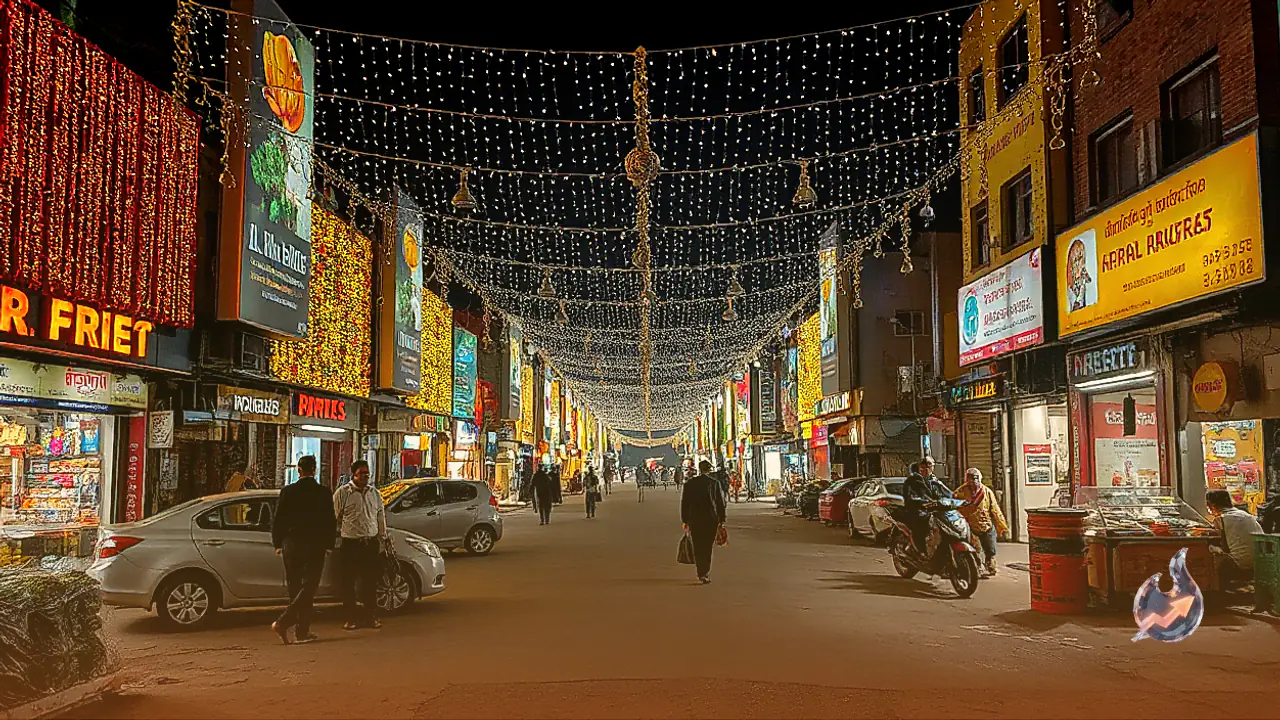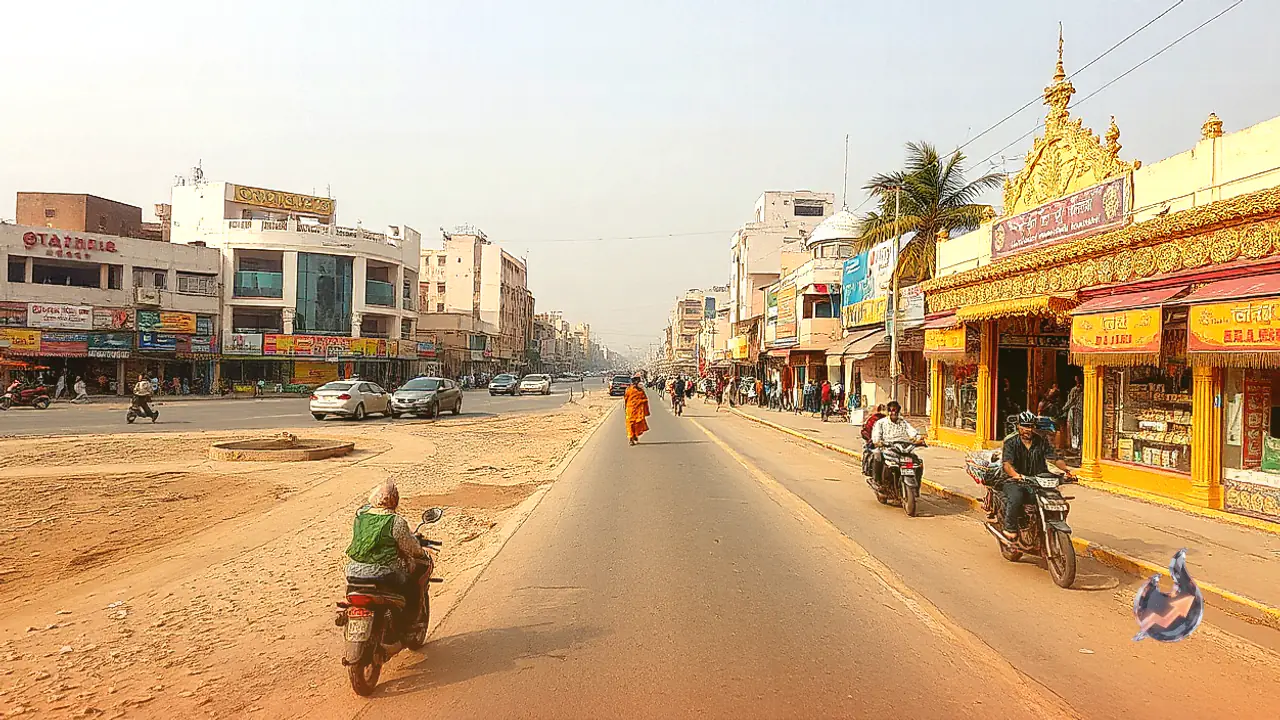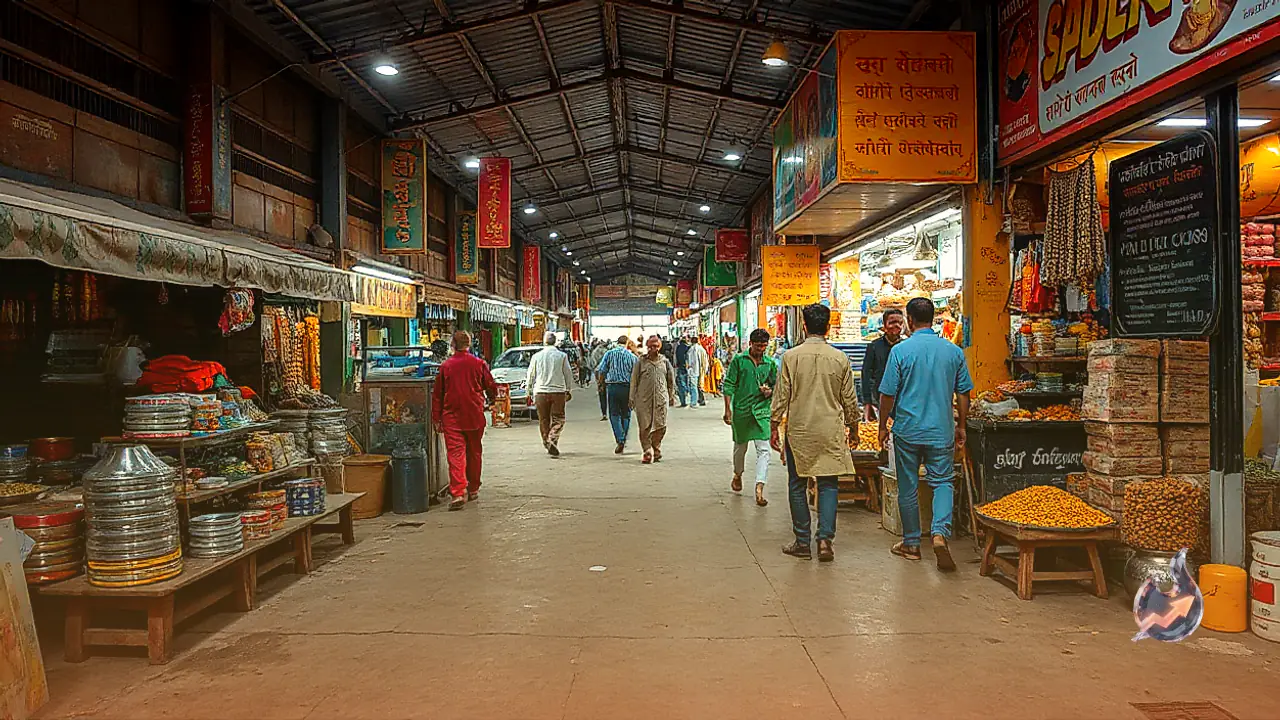
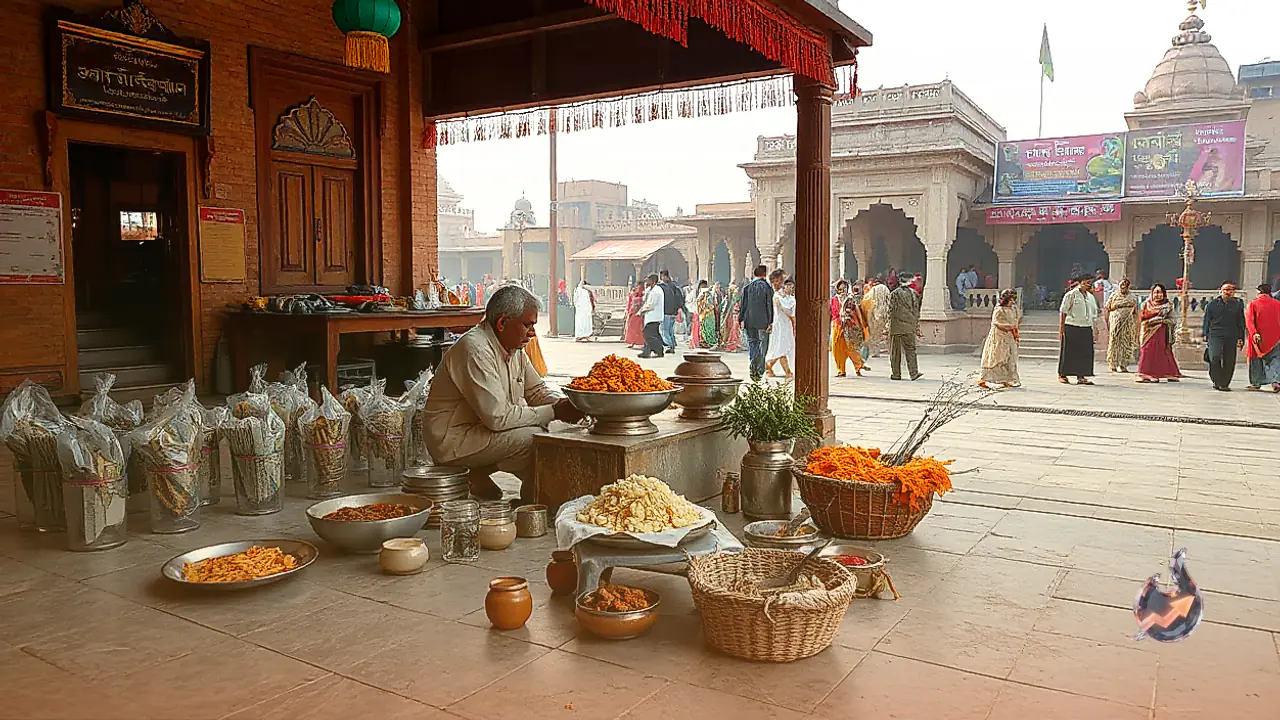
















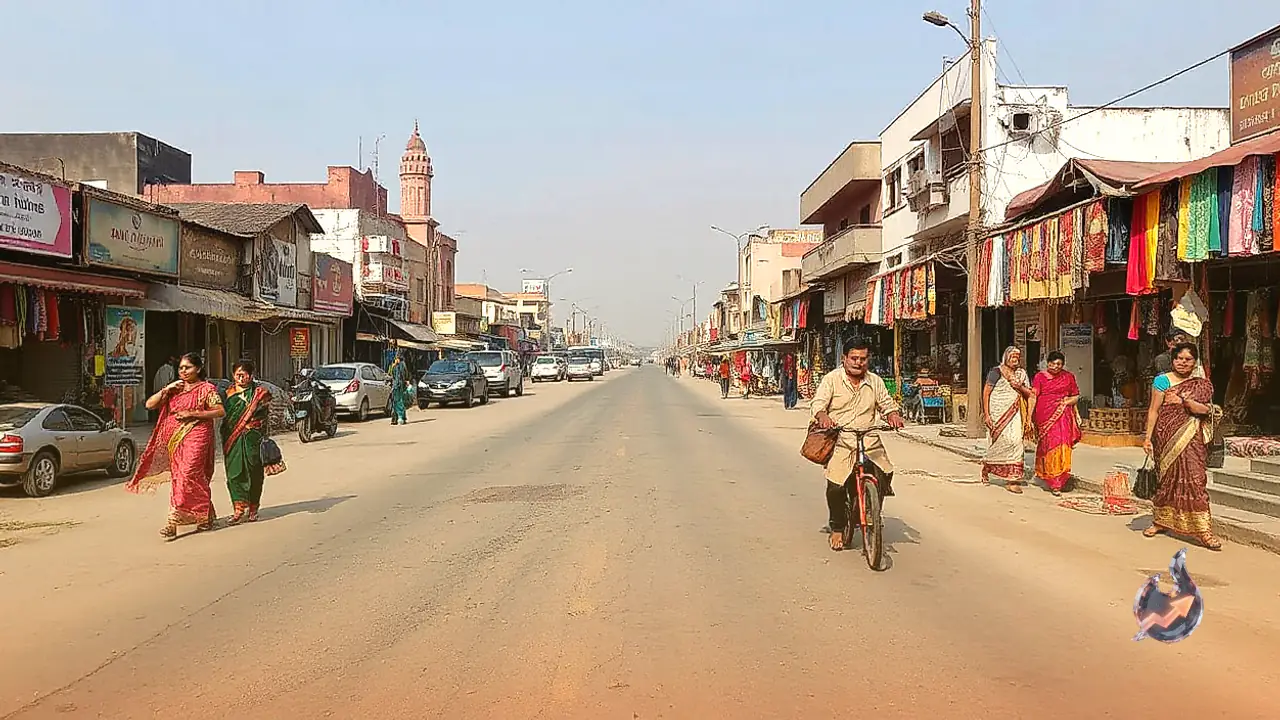

With preparations for the festival of Diwali gathering pace, commercial hubs across Karauli are experiencing a significant surge in consumer activity. Shoppers are actively thronging local retail centres to finalize their festive wardrobes, leading to dense crowds outside major garment outlets. Saree retailers, in particular, are witnessing continuous foot traffic from the morning hours through late evening. The retail landscape this season is characterized by a strong interplay between heritage craftsmanship and modern fashion aesthetics, with store inventories reflecting robust customer engagement across five distinct design categories.
Five Distinct Styles Leading Retail Showrooms
Showroom displays across the city are predominantly featuring Chunri Gota Patti craft, ornate stone work, classic Rajputi weaves, featherweight Supernet fabrics, and Rajwadi sarees adorned with the word Saubhagyawati. Retailer Pankaj Gupta indicated that consumers are actively matching their personal wardrobe choices and budget limits against these five featured categories. Each pattern brings a separate identity, distinct regional craftsmanship, and dedicated utility that caters to a diverse range of age groups and celebration styles.
Chunri Gota Patti Craftsmanship and Shimmering Stone Work
Among traditional ethnic wear, Chunri Gota Patti sarees have firmly established themselves as the leading choice for festival shoppers. This style combines authentic regional Chunri prints with detailed ribbon-border and applique metal lace work along the drape. The reflective sheen of the metallic trims juxtaposed against time-tested motifs provides an ornate look suited for religious ceremonies and family celebrations. These garments are retail priced at around 2250 rupees, making them a preferred choice for buyers prioritizing authentic cultural elegance.
Conversely, shoppers seeking radiant, modern flair for evening events are leaning toward fancy stone work drapes. Decorated with colorful, high-refraction stones and crystal elements, these pieces produce an eye-catching finish under direct illumination. The reflective stones amplify the appearance of the saree during nighttime Diwali functions, drawing interest from buyers looking to stand out at celebratory gatherings without compromising on sparkle.
Rajwadi Saubhagyawati Inscriptions and Traditional Rajputi Attire
Garments drawing inspiration from Rajasthan's regional attire, especially Rajputi pattern sarees, continue to hold a distinctive space on store shelves. Featuring historical aesthetics, bold color schemes, and authentic regional silhouettes, these sarees separate themselves from standard print varieties. Shoppers looking to sustain regional cultural roots during major celebrations are consistently prioritizing these regal options.
Simultaneously, the Rajwadi pattern adorned with the calligraphic word Saubhagyawati has emerged as a major talking point in festive retail. The auspicious phrase inscribed neatly across the design imparts both ceremonial charm and symbolic cultural value. Saree racks in auspicious shades of bright yellow and red are seeing notably high inventory clearance. Priced in an accessible band between 600 rupees and 1500 rupees, this collection serves budget-conscious consumers who desire festive symbolism without stretching household spending.
Lightweight Supernet Fabrics and Market Projections
The contemporary segment of the market is anchored by Supernet fabrics, which appeal directly to shoppers seeking effortless movement. Recognized for its airy texture and minimal weight, this material provides a polished appearance while ensuring all-day comfort. Consumers who prefer practical, chic drapes over dense, heavy textiles are opting for Supernet pieces for daytime visiting and casual social gatherings.
Merchant Pankaj Gupta observed that the present demand demonstrates a clear synthesis of cultural expectations and wearable design. Consumers are scrutinizing price points and physical comfort alongside stylistic appeal before making their purchases. As the core festive dates approach, shopkeepers anticipate even larger volumes of footfall arriving from both city neighborhoods and neighboring rural pockets.