
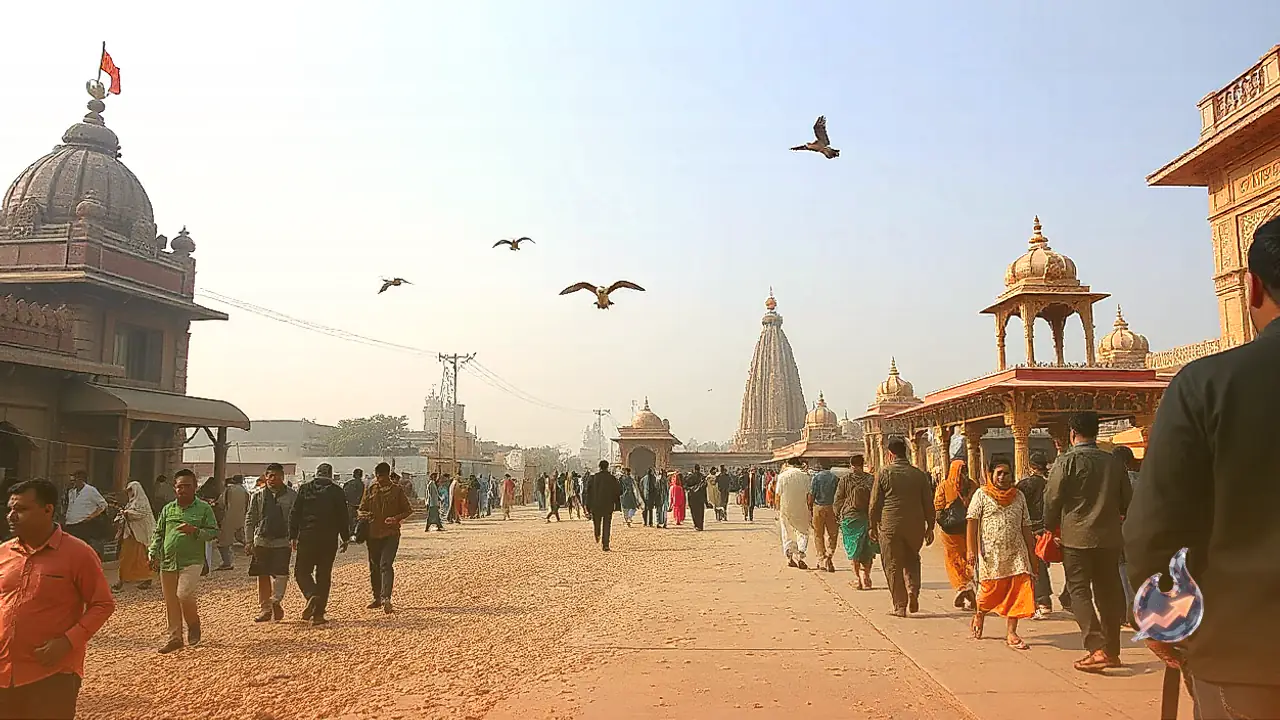





















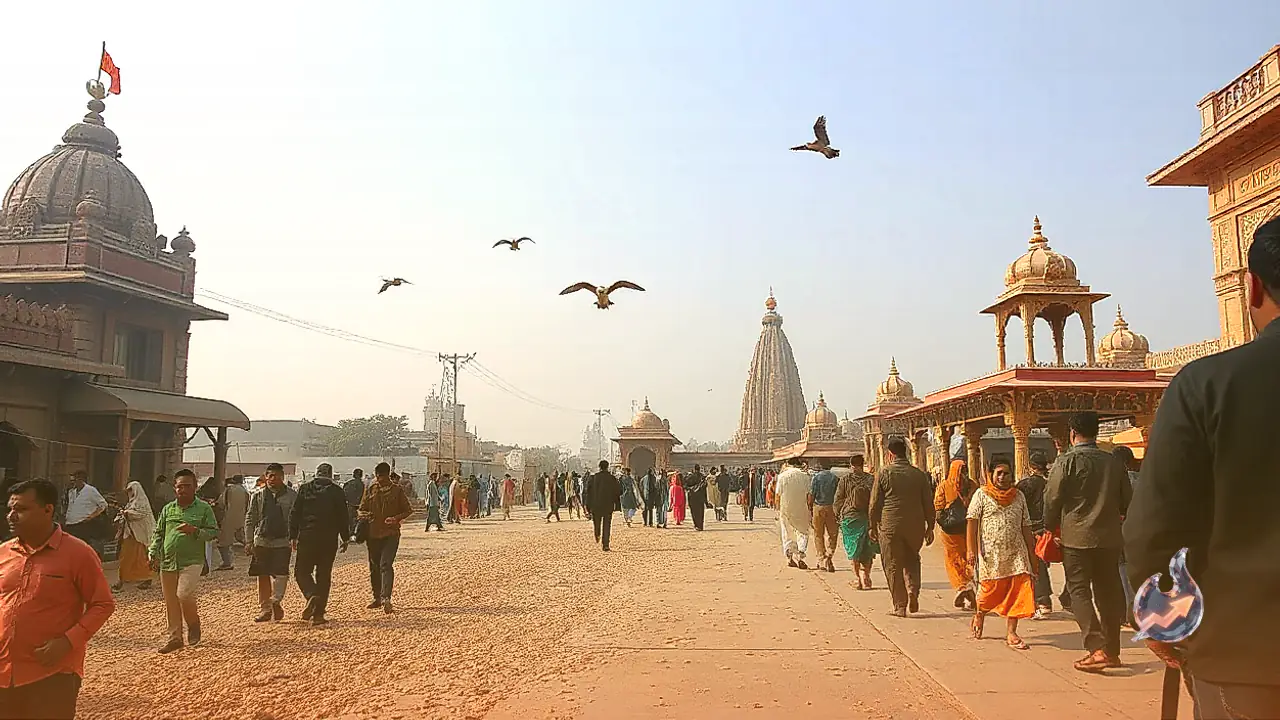

In the historic town of Deeg in Rajasthan, devotion extends beyond temple walls into a compassionate ritual dedicated to the welfare of animals. Pilgrims undertaking the traditional circumambulation around the revered Shrinath Ji temple blend their spiritual vows with direct care for street animals, birds, and monkeys that congregate along the sacred corridor. Carrying bundles of food alongside their prayer offerings, devotees ensure that the journey honors both the divine and living creatures sharing the pilgrimage space.
Preparation and Feeding Along the Sacred Path
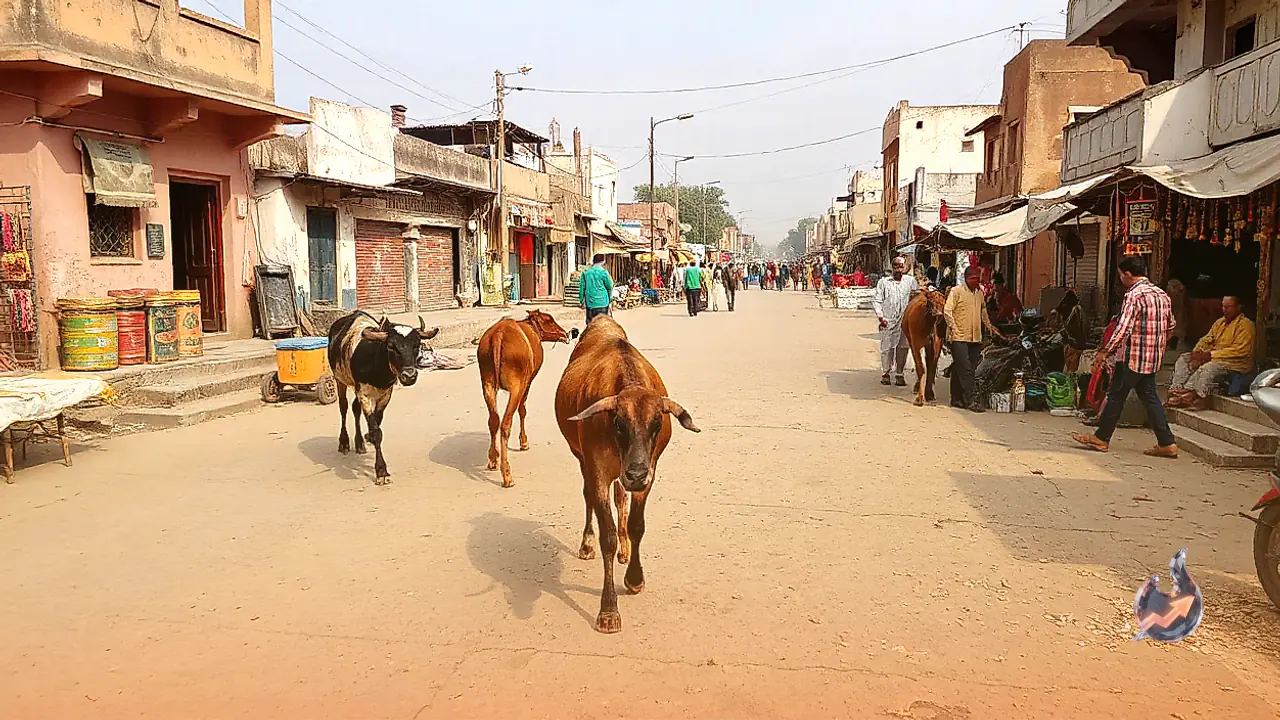
The practice is notable for the intentional planning devotees put into their visit before beginning the walk. Most worshippers arrive equipped with substantial bags of roasted chickpeas, peanuts, and crisp green vegetables. As they make their way along the circumambulation path, they distribute these provisions directly to the stray cattle, monkeys, and flocks of birds inhabiting the route. Participants regard this act not as casual charity, but as a pure form of selfless service that yields lasting spiritual merit while keeping local animals well-nourished.
Spiritual Significance Rooted in Local Beliefs
Longstanding regional traditions hold that feeding voiceless creatures during religious rituals carries exceptional spiritual weight. According to prevailing local beliefs, tending to the hunger of monkeys, cattle, and winged creatures multiplies the blessings of the pilgrimage, rendering the spiritual effort entirely complete and fruitful. Guided by this steadfast conviction, devotees tailor their offerings to their personal financial means, regularly purchasing vegetables and grain supplies to sustain the surrounding fauna.
Harmonizing Devotion, Nature, and Compassion
This enduring custom illustrates the deep alignment between traditional worship and environmental sensitivity. While devotees continue their prayers, chants, and divine contemplation, their deliberate effort to feed vulnerable animals spreads a quiet lesson in everyday empathy and humanitarian care across the wider community. Tending to the local animal population has evolved into an essential feature of the temple walk, underscoring how Indian cultural traditions place active compassion toward living beings on equal footing with formal prayer.