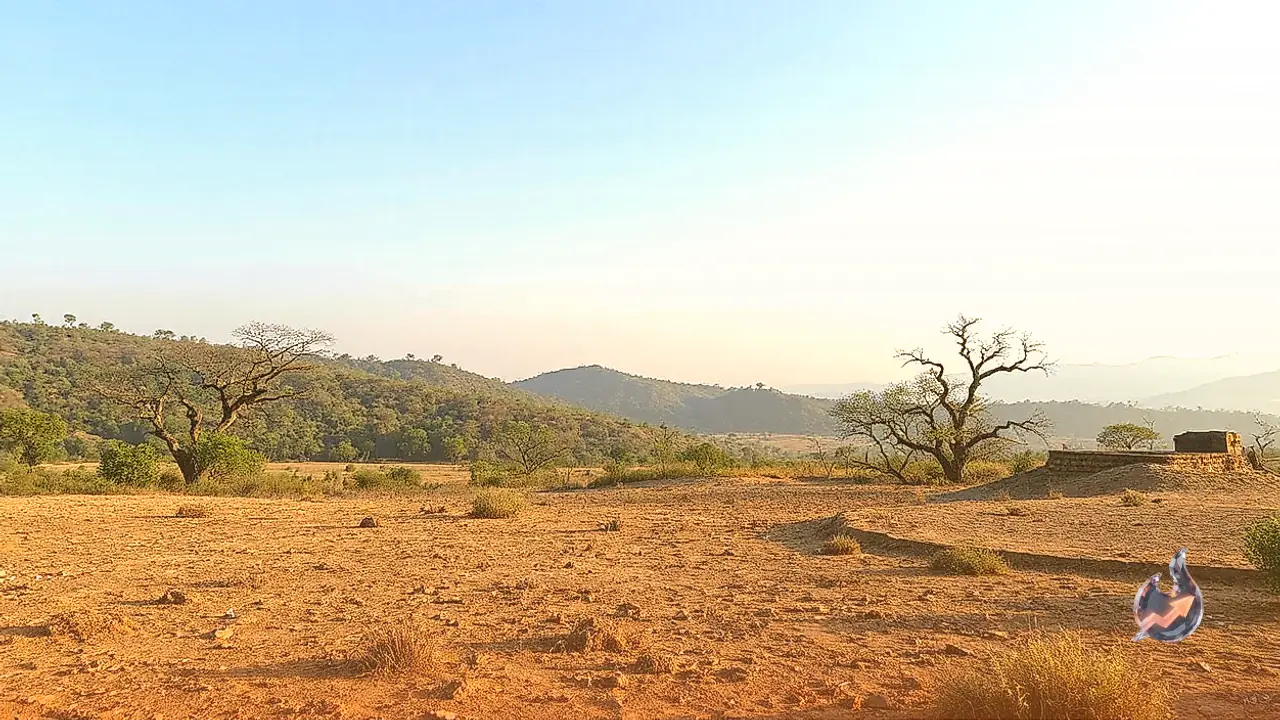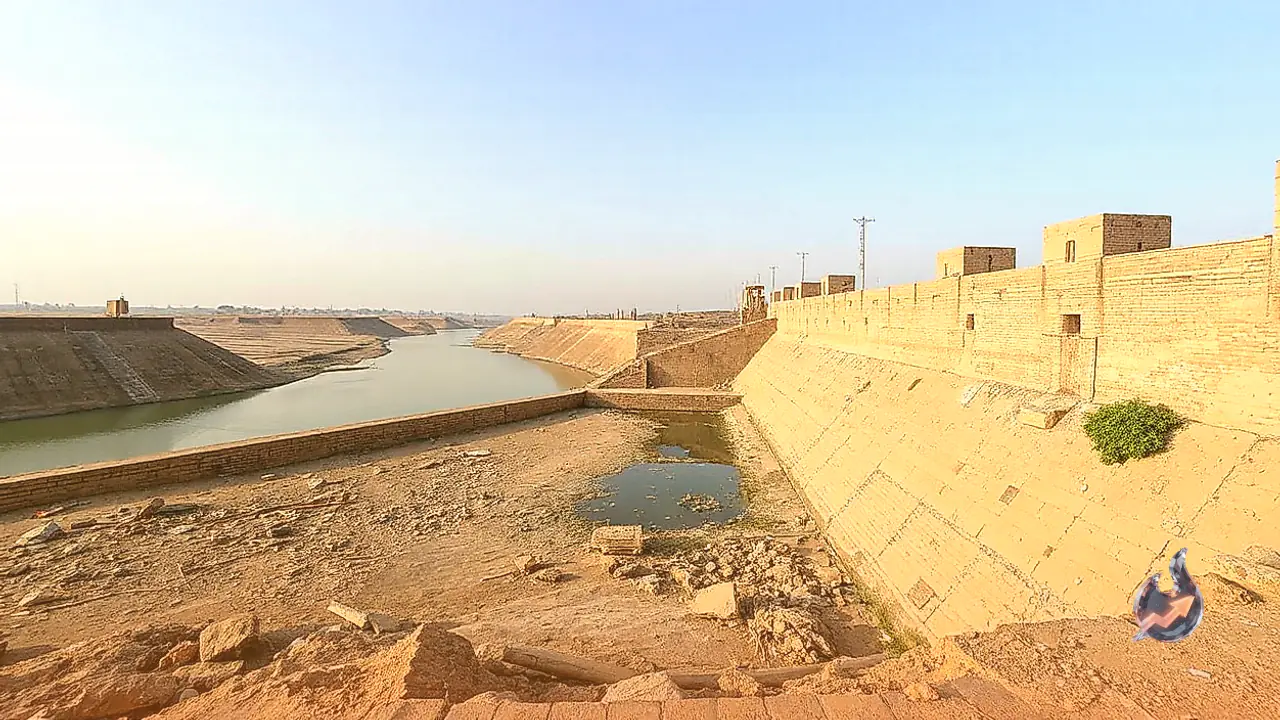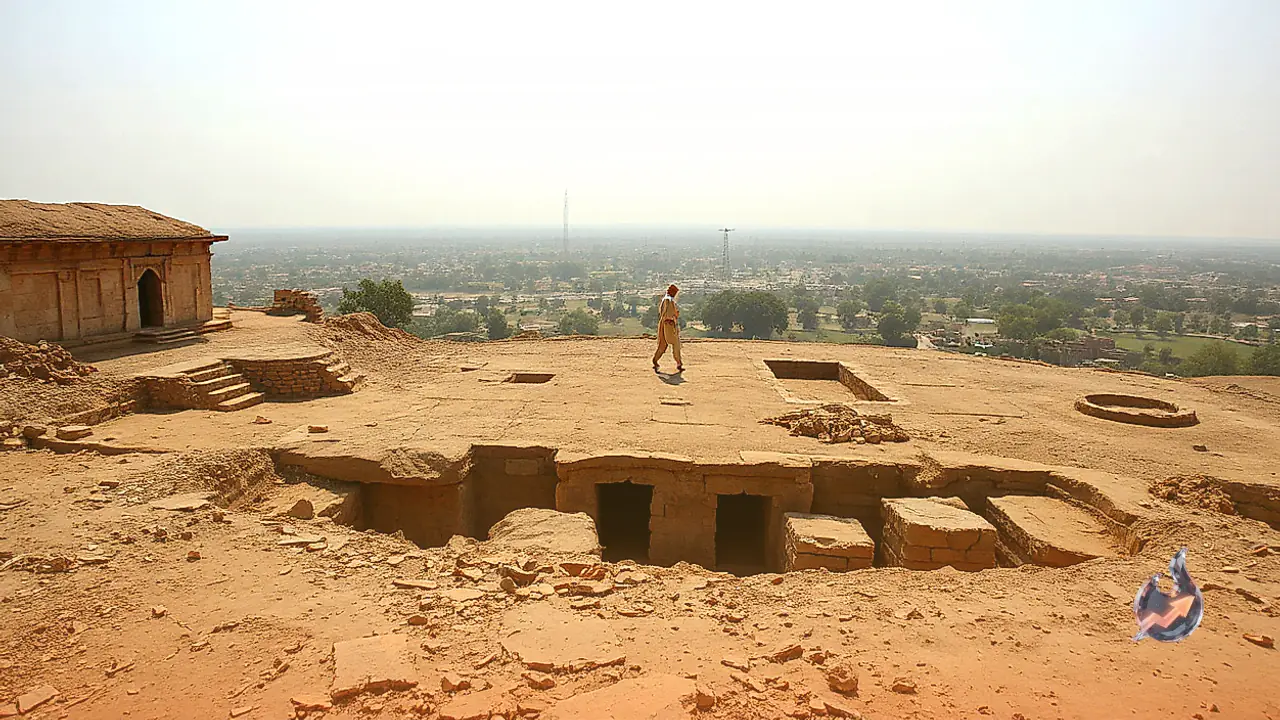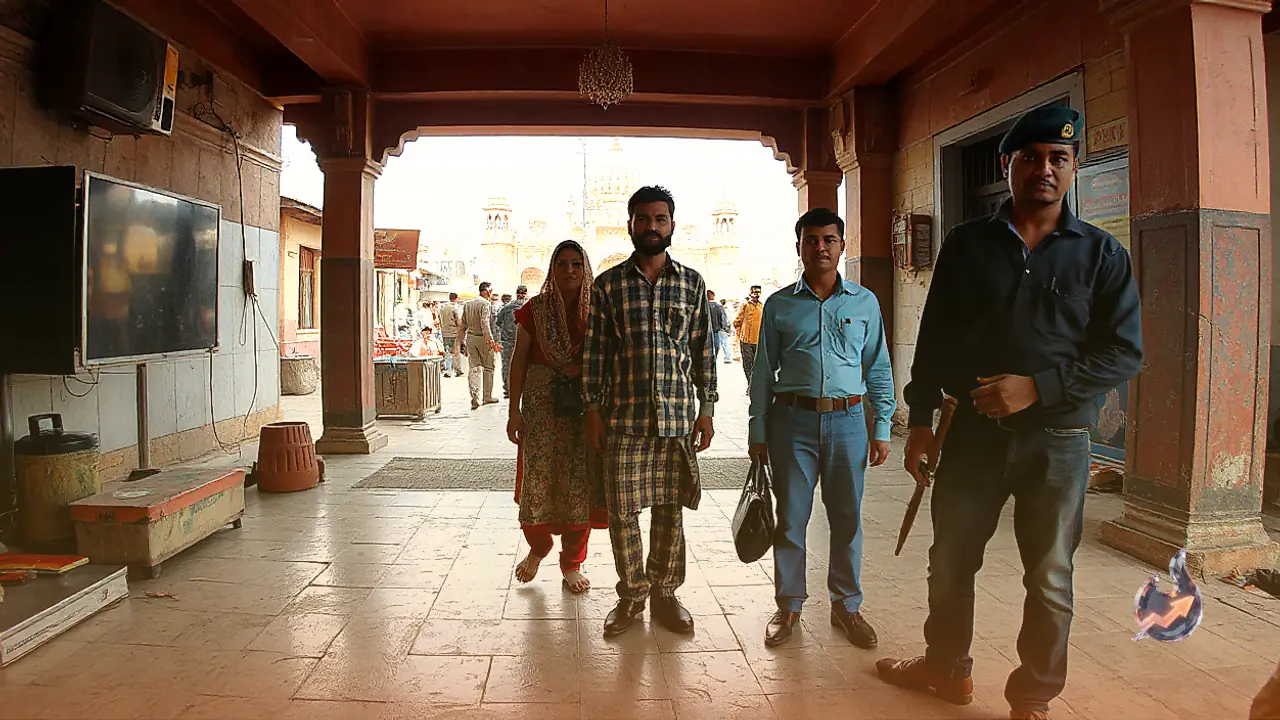
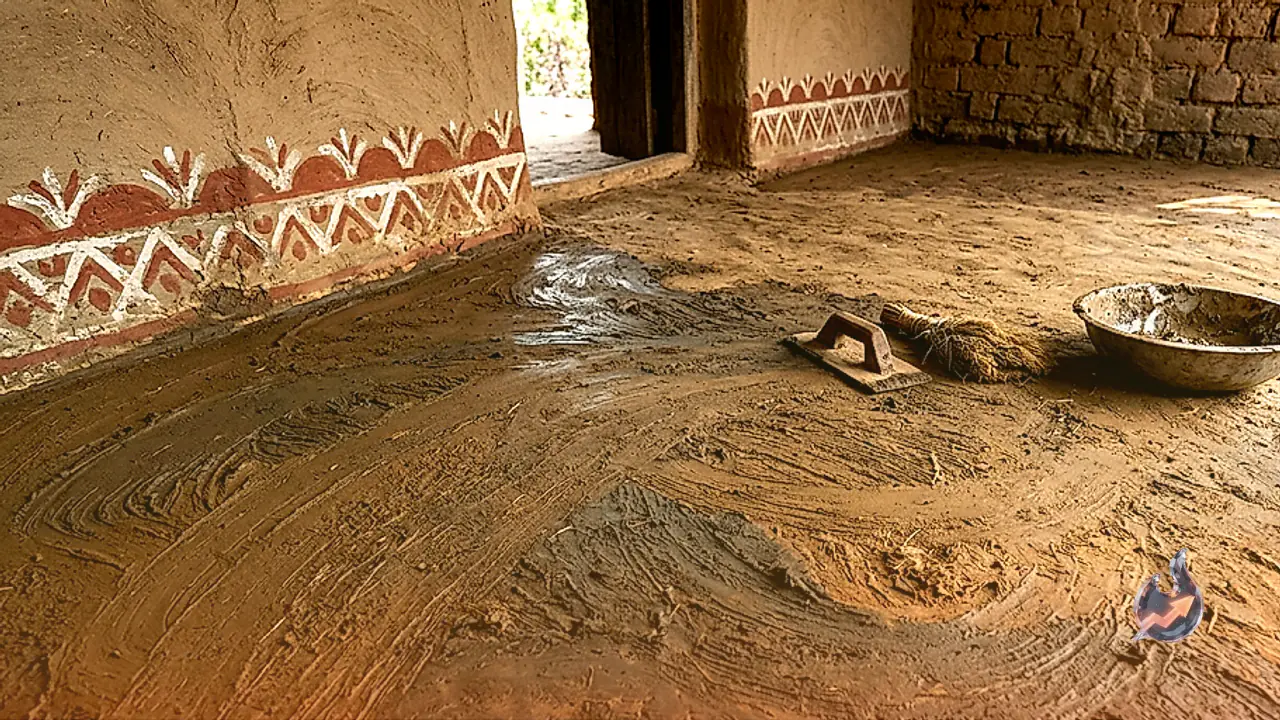


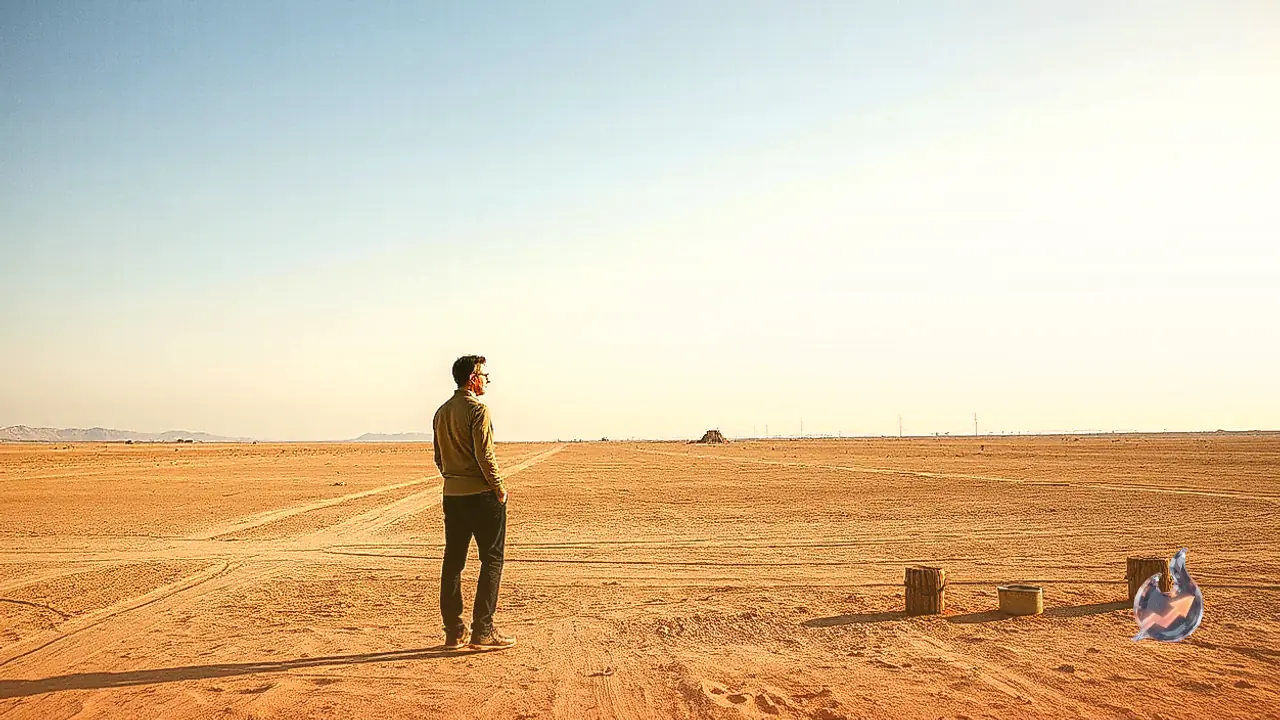














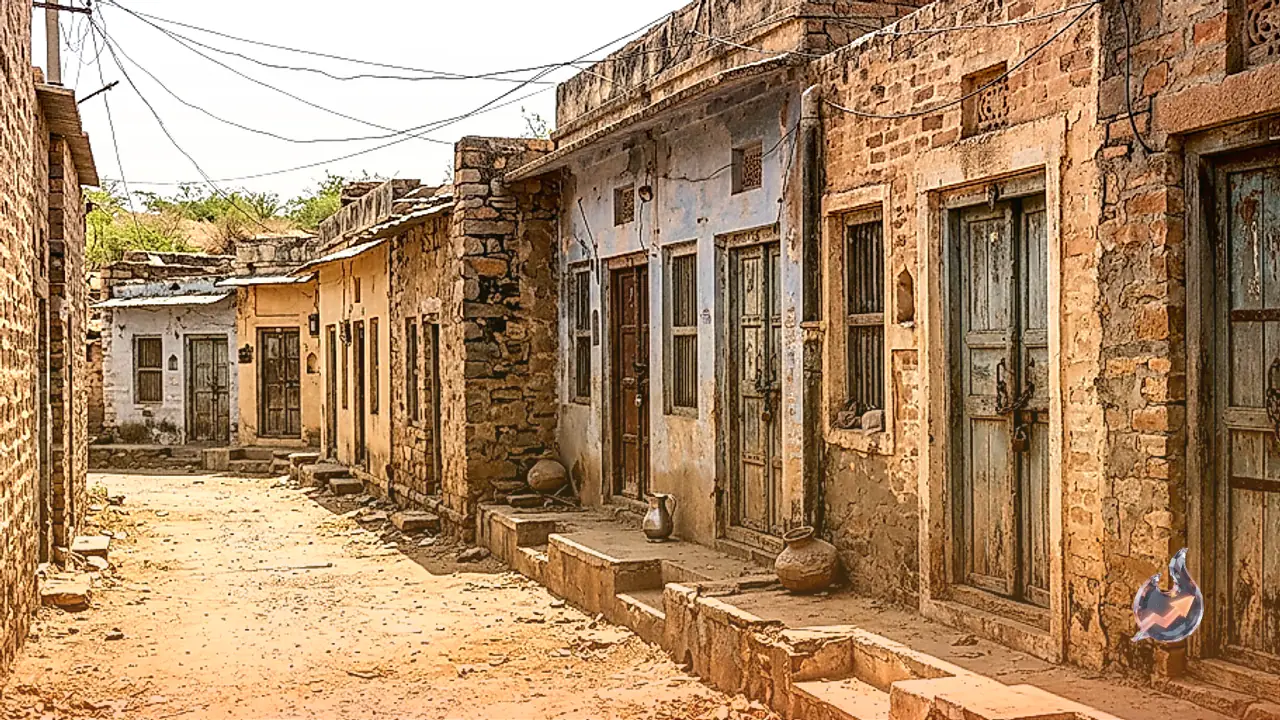

A typical Indian village is usually imagined with bustling public squares, crowded weekly markets, and the lively voices of children playing in open lanes. Somesar, located in the Pali district of Rajasthan, presents a stark contrast to this familiar picture. A deep silence envelops the settlement, where roughly 80 percent of the residential houses remain permanently locked. The commercial areas tell a similar tale of abandonment, as nearly 8 out of every 10 shops keep their shutters down throughout the year. A vast majority of the original inhabitants have abandoned their ancestral homes due to an acute water crisis and a total lack of employment opportunities. In an unusual economic reality, the survival of the remaining local trade depends entirely on transient railway passengers who step onto the platform for barely 10 to 15 minutes during brief train halts.
Decades of Water Scarcity and Industrial Absence Trigger Mass Outflow
The desolate state of Somesar is primarily the outcome of an enduring water crisis that has plagued the area for decades. Farmland in the region has been deprived of dependable irrigation, and the local population lacks access to sweet drinking water. As agricultural productivity collapsed under severe drought conditions, farming families found it impossible to sustain their livelihoods. The economic distress was compounded by the complete absence of large factories, manufacturing units, or major trading hubs in the vicinity. Facing acute financial hardship, approximately 80 percent of the villagers were forced to migrate toward bustling metropolitan centers such as Mumbai, Pune, Bengaluru, Chennai, Hyderabad, and parts of Kerala.
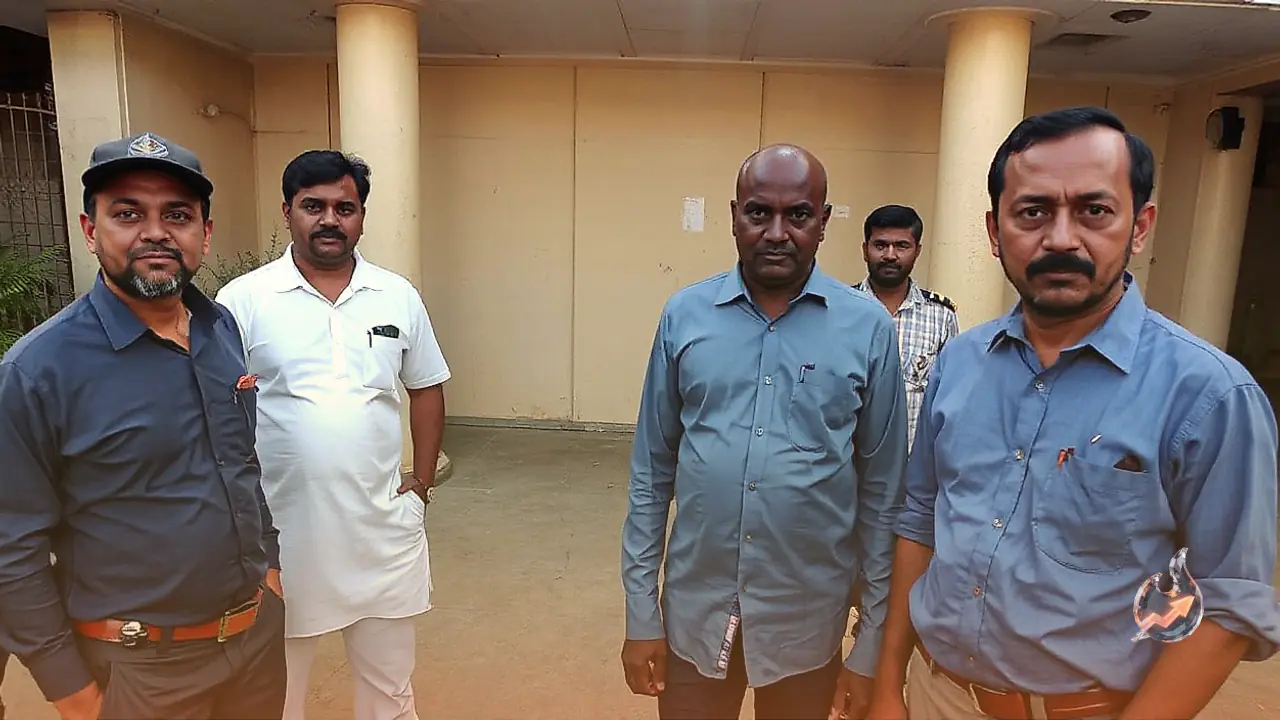
Hukam Singh Bhati, president of Marwar Yuva Samiti, noted that several prominent Marwari entrepreneurs running thriving enterprises across Indian metropolises trace their ancestral roots directly to this soil. He pointed out that their family estates remain shuttered simply because the village lacks essential facilities and modern commercial opportunities. Consequently, only a handful of elderly residents stay behind, while the younger working age demographic has shifted almost entirely to distant commercial hubs.
A Vital Railway Junction Serves as the Solitary Economic Lifeline
The ongoing daily pulse and functional identity of Somesar are anchored almost exclusively to its railway facility. Rather than serving just this single village, the station acts as an essential rail junction for residents across approximately 120 neighboring rural settlements. Major long distance passenger trains connecting prominent cities like Mumbai, Pune, Bengaluru, and Chennai make scheduled halts here every day, drawing continuous passenger movement. While waiting for connections or during scheduled stops, travelers step out for 10 to 15 minutes to purchase refreshments, tea, and snacks. This fleeting patronage from railway passengers provides just enough turnover to keep a handful of small vendor stalls and food kiosks afloat, turning brief platform stops into the primary economic engine of the village.
Doors Reopen Only During Weddings and Major Festive Gatherings
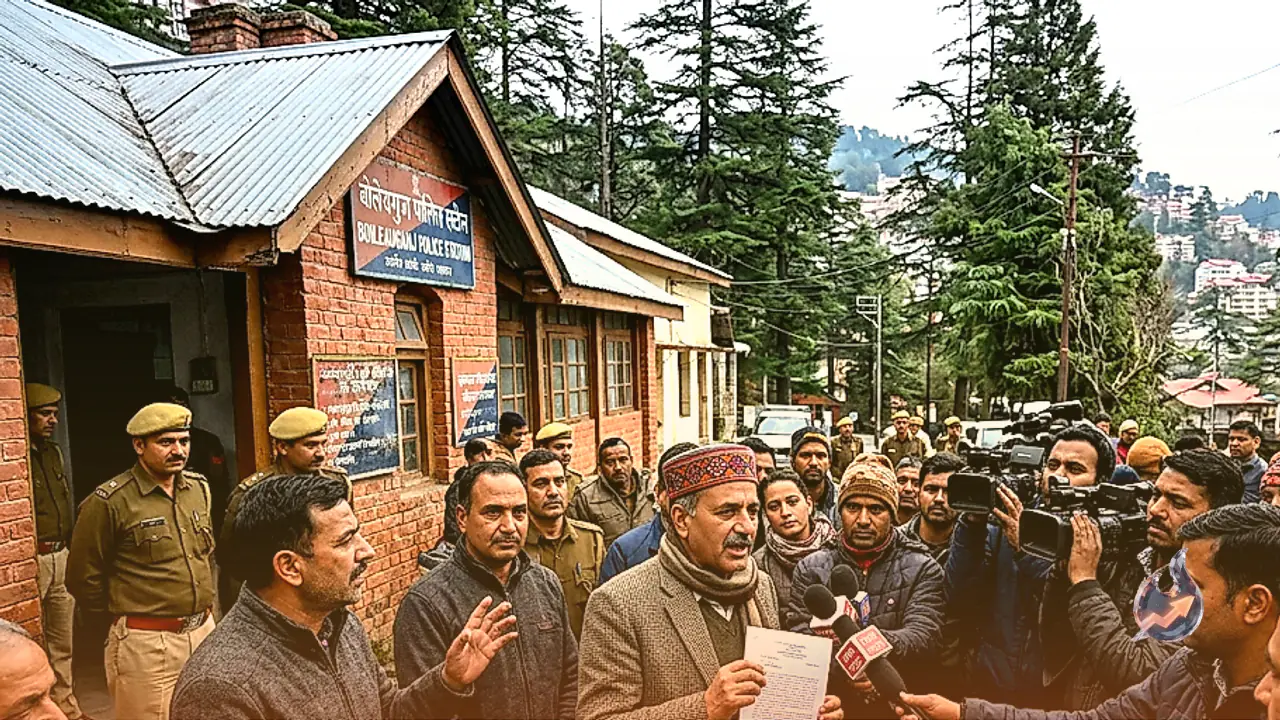
Remaining residents explain that the scarcity of commercial enterprise and the absence of adequate healthcare facilities make day to day existence extremely difficult. For the migrant families settled elsewhere, their village homes remain untouched for months on end. These heavy padlocks are removed only during major celebrations like Diwali, family weddings, or important community functions, when people briefly return to reunite with kin. Once the festivities conclude, the visitors promptly return to their urban workplaces, leaving the lanes quiet once more. In response to this prolonged stagnation, local youth and socially active community members have recently begun exploring initiatives to restore basic civic amenities and create alternative local employment options to stem the tide of outward migration.