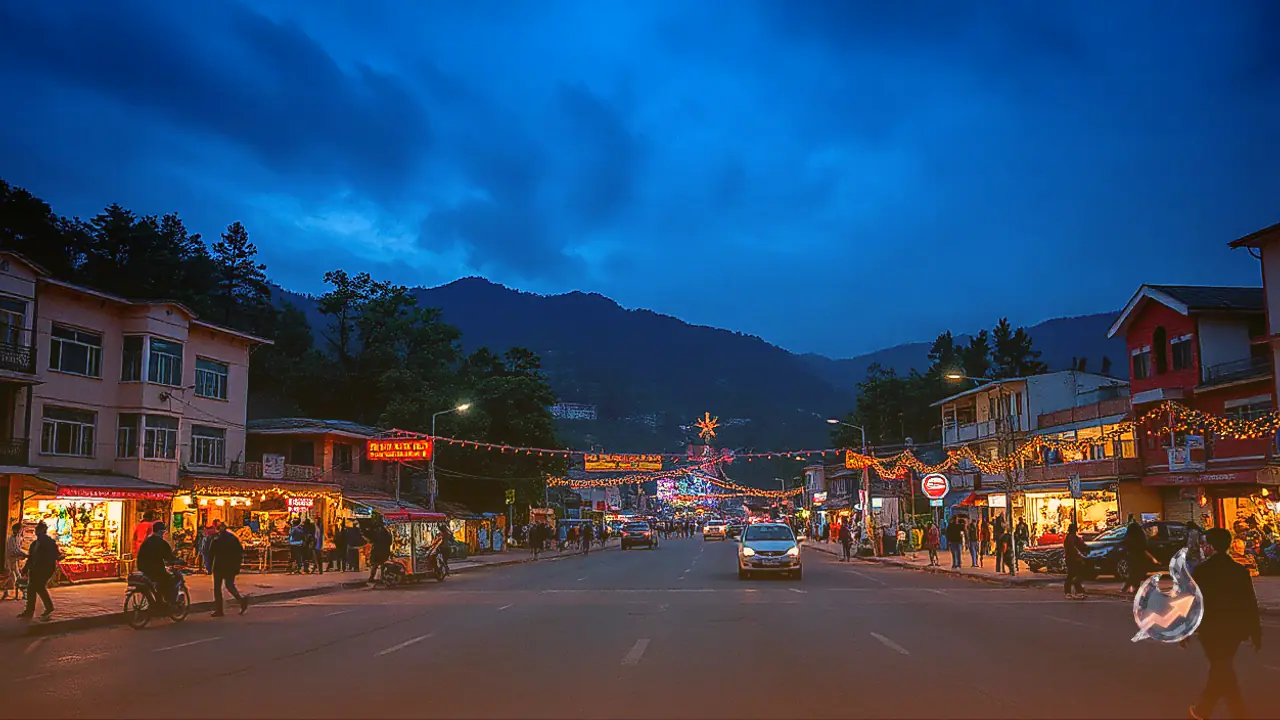

















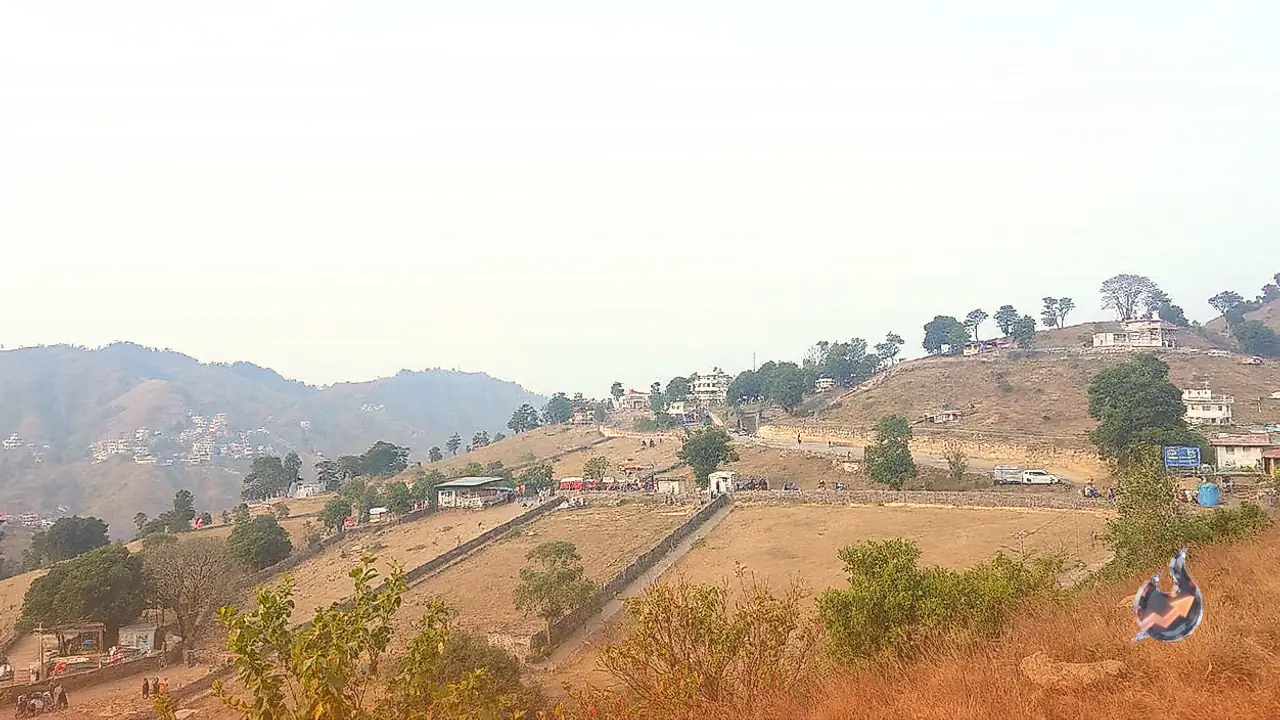

The scenic hill town of Nainital in Uttarakhand experienced an unexpected and severe economic downturn during the recent Diwali holidays, leaving the local tourism community in deep distress. Typically celebrated as one of the most vibrant and profitable stretches of the autumn season, the lakeside destination saw unusually deserted markets, vacant parking facilities, and quiet promenades. Even an aggressive price reduction campaign by hospitality operators, who slashed room tariffs by as much as 50 percent, failed to reverse the downward trend. Industry representatives estimate that overall tourist arrivals dwindled to approximately 10 percent of normal holiday expectations, triggering widespread financial losses across the hotel sector, lake boating operations, taxi networks, and dining establishments.
Hospitality Sector Hit by Heavy Vacancies Despite Steep Price Cuts
Diwali holidays, especially when aligned with weekends, historically provide hotel operators in Nainital with a critical revenue cushion ahead of the harsher winter months. Business owners invest considerable capital in staffing, logistics, and property maintenance in anticipation of high traveler density. In an effort to secure bookings amid visible early hesitancy, numerous accommodation providers took the unprecedented step of offering discounts of up to 50 percent on standard room tariffs. Yet, these financial incentives proved insufficient to draw visitors.
Across the town, properties reported extensive vacancies, with reserved rooms representing only a fraction of their total operational capacity. Many small and independent hotel owners faced difficulties covering baseline operational expenses, including electricity charges, water provisions, and staff wages during what should have been their most lucrative trading days of the festive calendar.
Lakeside Boating Industry Crippled by Slumping Demand
The sudden drop in leisure travelers exerted an immediate toll on the town's famed boating operations across Naini Lake. Narendra Singh Chauhan, Secretary of the Nainital Boat Owners Committee, stated that the coincidence of the festival with a weekend had initially spurred strong hopes of robust commercial activity. However, actual operational output collapsed dramatically, with boating business falling below 20 percent of expected seasonal thresholds. The resulting decline has made it difficult for boat operators to generate enough revenue to meet seasonal family needs and routine vessel maintenance.
Chauhan identified misleading social media content and persistent commuting bottlenecks as the primary culprits behind the traveler deficit. He observed that deceptive video reels and sensationalized travel posts circulated widely on online platforms, projecting an exaggerated narrative of logistical hardship and severe road restrictions around Nainital. These misrepresentations caused considerable hesitation among prospective vacationers. Additionally, practical hassles encountered along the primary road corridors leading up from the plains prompted many travelers to divert toward alternative hill stations, bypassing Nainital altogether.
Disruption of Traditional Visitor Inflows from Western India
The current downturn is underscored by the near-total disappearance of visitors from western India, particularly Gujarat, who traditionally arrive in substantial numbers during the post-Diwali vacation period. Rajendra Singh Negi, General Manager of Hotel Happy Home in Nainital, observed that while previous festive cycles witnessed heavy and consistent reservations from Gujarati families, the present season recorded almost zero patronage from the region. Negi explained that his establishment operated with merely two to three occupied rooms, with the remainder standing completely unoccupied.
Negi attributed this sharp contraction to institutional shortcomings and disjointed public announcements by local law enforcement and administrative agencies. He cited reports regarding proposed mandatory registration for pilgrims visiting the nearby Kainchi Dham shrine, noting that the administration failed to provide timely clarity on the formal start date and application procedure. This communication gap fueled pervasive confusion among intending travelers. Furthermore, Negi pointed out that traffic police frequently implemented novel diversion schedules and vehicular restrictions on a weekly basis, complicating road travel. Drawing a comparison with the pilgrimage management at the Ram Temple in Ayodhya, where vast congregations are accommodated through seamless logistics, he emphasized that Nainital requires equally coherent, visitor-friendly infrastructure rather than reactive curbs that intimidate potential tourists.
Trade Associations Challenge Routine Traffic Diversion Measures
The operational logic behind recurring traffic restrictions has faced sharp criticism from apex business bodies in the region. Digvijay Singh Bisht, President of the Nainital Hotel and Restaurant Association, noted that aggregate tourist volumes in the town failed to breach the 20 percent threshold throughout the holiday stretch. Municipal parking zones sat largely deserted, and commercial lodging facilities operated under deep deficits.
Bisht argued that while vehicular diversions remain necessary during acute congestion when tourist influx exceeds local road capacity, enforcing sweeping re-routing plans in periods of exceptionally thin vehicular movement is counterproductive. Subjecting drivers to roundabout diversions and uncertainty when town streets are largely empty creates an impression of perpetual inaccessibility. Business leaders contend that this dynamic has created unnecessary barriers for travelers, actively damaging the commercial ecosystem of the hill town.
Need for Transparent Communication and Streamlined Mobility
The festive slump has generated widespread apprehension across Nainital's economic chain, impacting tour guides, lakeside vendors, retail merchants, and local transport drivers. The failure of substantial tariff discounts to revive demand highlights that pricing represents only a minor component of traveler decision-making when systemic friction remains high.
Stakeholders across the tourism sector maintain that restoring consumer confidence requires a fundamental change in municipal and traffic governance. Beyond reactive traffic diversion schemes, regional authorities must prioritize clear and dependable real-time travel advisories, streamline route access, and eliminate procedural ambiguities surrounding prominent pilgrimage spots. Without deliberate steps to ensure frictionless access and accurate public messaging, festive discounts alone will be incapable of driving a sustainable economic recovery in the lake city.