





















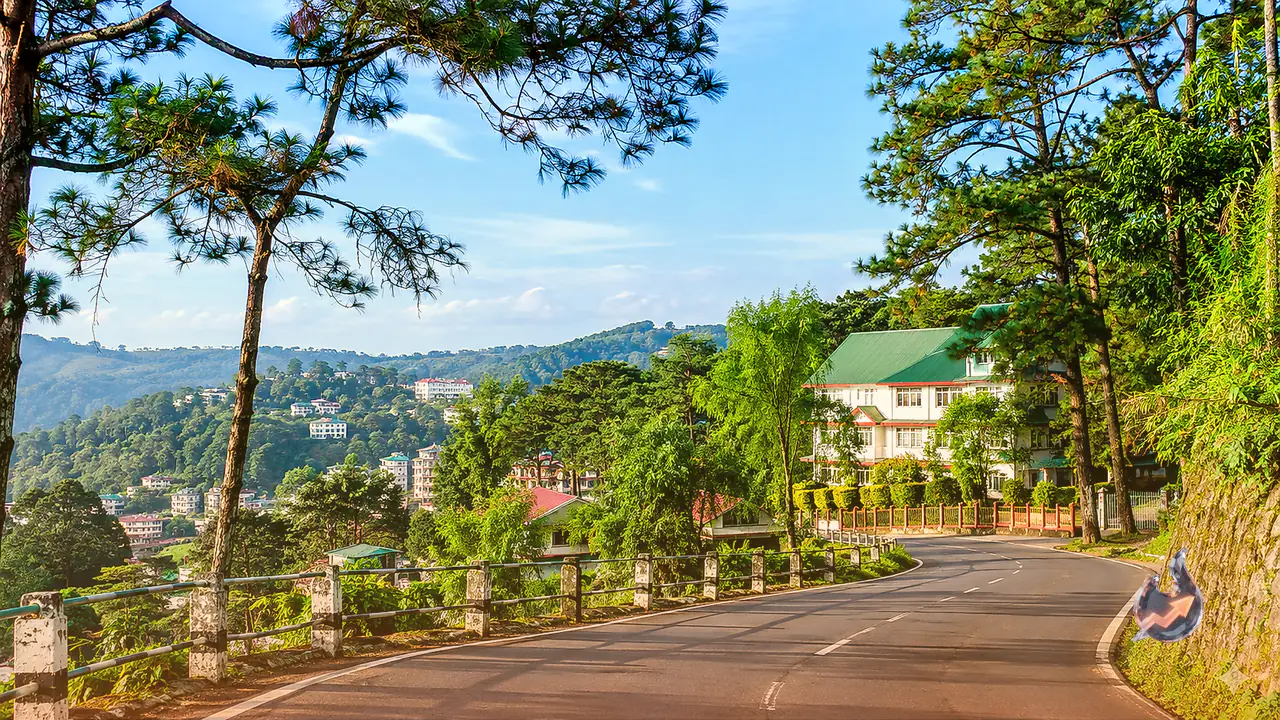

Across India, the onset of the colder season frequently brings an alarming rise in air pollution levels, leaving residents of numerous metropolitan centers gasping for clean air under heavy blankets of toxic smog. However, situated roughly 1505 kilometers away from the national capital of Delhi, the scenic hill station of Shillong in Meghalaya presents a starkly different environmental picture. The atmospheric conditions in this northeastern capital remain refreshingly clean and wholesome. Recent official measurements released by the Meghalaya State Pollution Control Board demonstrate that the city is maintaining remarkably low air pollution parameters. In the locality of Lumpyngngad, the Air Quality Index stood at an exceptional reading of 35, whereas the Polo neighborhood recorded an AQI of 64. These figures highlight an ecosystem where natural geographic blessings are supported by proactive institutional oversight.
Pristine Air Quality Readings Across Urban Localities
According to standard environmental criteria, any AQI measurement under 50 is classified as good, indicating that air pollution poses little or no risk to human health. The recording of 35 in Shillong’s Lumpyngngad area is an impressive benchmark showing almost negligible presence of suspended airborne toxins. At the same time, the reading of 64 registered at Polo falls comfortably into the satisfactory category, a status that most industrialized centers struggle to achieve during early winter. While stagnant weather systems trap vehicular and industrial fumes in the northern plains of the subcontinent, Shillong continues to enjoy a crisp, breathable atmosphere. This contrast between toxic city air and clean mountain air is turning Meghalaya into an attractive sanctuary for people looking to protect their health and experience pure surroundings.
A Dual System of Real-Time and Manual Atmospheric Tracking
The maintenance of such favorable air standards in Shillong is not left entirely to chance. The Meghalaya State Pollution Control Board operates an organized monitoring network designed to track atmospheric conditions continuously. Board Chairman R. Nainamalai explained that environmental authorities deploy two distinct but complementary mechanisms to oversee air purity. The first consists of Continuous Ambient Air Quality Monitoring Stations, commonly known as CAAQMS. These sophisticated electronic installations measure pollutants around the clock and transmit immediate telemetry data regarding airborne particle density. The second component relies on manual monitoring stations positioned at strategic locations, where trained field personnel collect ambient air samples using specialized equipment for detailed laboratory analysis. Combining real-time digital observation with manual verification gives regulators a clear picture of emission patterns across the urban landscape.
Specialized Two-Phase Monitoring Strategy During Diwali
Festive occasions, particularly Diwali, usually bring heightened risks of severe air degradation due to the intense burning of firecrackers, commercial activity, and surges in traffic. To counter this seasonal challenge and detect any unusual spikes in dangerous particles, the Meghalaya State Pollution Control Board enforces a dedicated two-stage environmental review. As detailed by Chairman R. Nainamalai, the inspection timeline is carefully divided into two critical windows. The pre-festival monitoring phase begins on November 1 and concludes on November 7, capturing baseline air quality metrics under ordinary conditions. The post-festival review phase starts on November 9 and runs until November 15. During both timeframes, analysts evaluate ambient levels of key microscopic particles to assess whether emissions exceeded prescribed national standards and how quickly the local atmosphere clears itself after celebrations.
Comprehensive Surveillance Across Four Designated Urban Sectors
Rather than drawing broad conclusions from an isolated data collection point, the pollution board conducts its observations across four specifically categorized functional zones throughout Shillong. This segregated approach provides a nuanced understanding of how diverse everyday activities affect ambient air.
- Residential Sectors: Neighborhoods with high population concentrations where domestic emissions, local traffic, and heating habits are observed.
- Commercial Sectors: Central marketplaces, shopping avenues, and transit hubs that experience dense foot traffic and sustained vehicular congestion.
- Industrial Sectors: Specific areas dedicated to small-scale manufacturing, processing workshops, and industrial activities to ensure factory emissions do not violate safety thresholds.
- Silence Zones: Protected sectors around medical facilities, academic institutions, and judicial buildings where strict noise and emission caps are enforced by law.
By compiling data from all four distinct settings, regional authorities can identify emerging pollution hot spots early and formulate focused interventions before air quality deteriorates.
The Critical Role of Tracking PM2.5 and PM10 Particulate Matter
The health consequences of polluted air are closely tied to the concentration of microscopic particulate matter. Consequently, the monitoring protocols implemented in Shillong concentrate heavily on tracking PM2.5 and PM10 particles. PM2.5 particles are ultra-fine pollutants measuring 2.5 micrometers or less in aerodynamic diameter. Due to their infinitesimal size, these particles bypass the body's natural respiratory defenses, traveling deep into the lungs and entering the bloodstream, where they can cause long-term cardiovascular and pulmonary disorders. In contrast, PM10 particles are coarser particles up to 10 micrometers in size, typically consisting of road dust, soil elements, and construction residues. Elevated quantities of either particle type degrade visibility and endanger human health. The regular surveillance carried out by the state board ensures that concentrations of both particle classes stay well within statutory safety envelopes.
Rising Popularity Among Travelers Seeking Fresh Air
Shillong has long enjoyed a reputation as an appealing travel destination owing to its rolling hills, dramatic waterfalls, pine forests, and temperate climate. Today, however, the availability of genuinely clean air has emerged as an equally significant attraction for travelers. With many urban citizens across the country searching for an escape from persistent seasonal smog, Meghalaya offers a natural refuge. Visitors coming to the state are drawn by the opportunity to spend time outdoors, engage in physical activities, and breathe clean mountain air without fear of respiratory irritation. The dedicated efforts of the local administration and the pollution board in tracking and preserving this clean atmosphere ensure that Shillong remains both a sustainable home for its residents and a welcoming retreat for visitors.