


















With the onset of the rabi cultivation season across Rajasthan, the availability and distribution of vital agricultural fertilizers, particularly DAP and urea, have triggered a sharp controversy at both the grassroots and administrative levels. In several agricultural pockets, cultivators have been gathering at supply societies and retail outlets from the early hours of the morning. While farming communities point to severe delays in securing bags and allege unfair distribution practices, government authorities and ruling party representatives assert that supply reserves are abundant throughout the state. Despite official assurances that distribution networks are operating under strict surveillance, ground realities in select districts reflect significant operational stress.
Farmer Resentment in Dholpur and Baran Amid Exhausting Waits
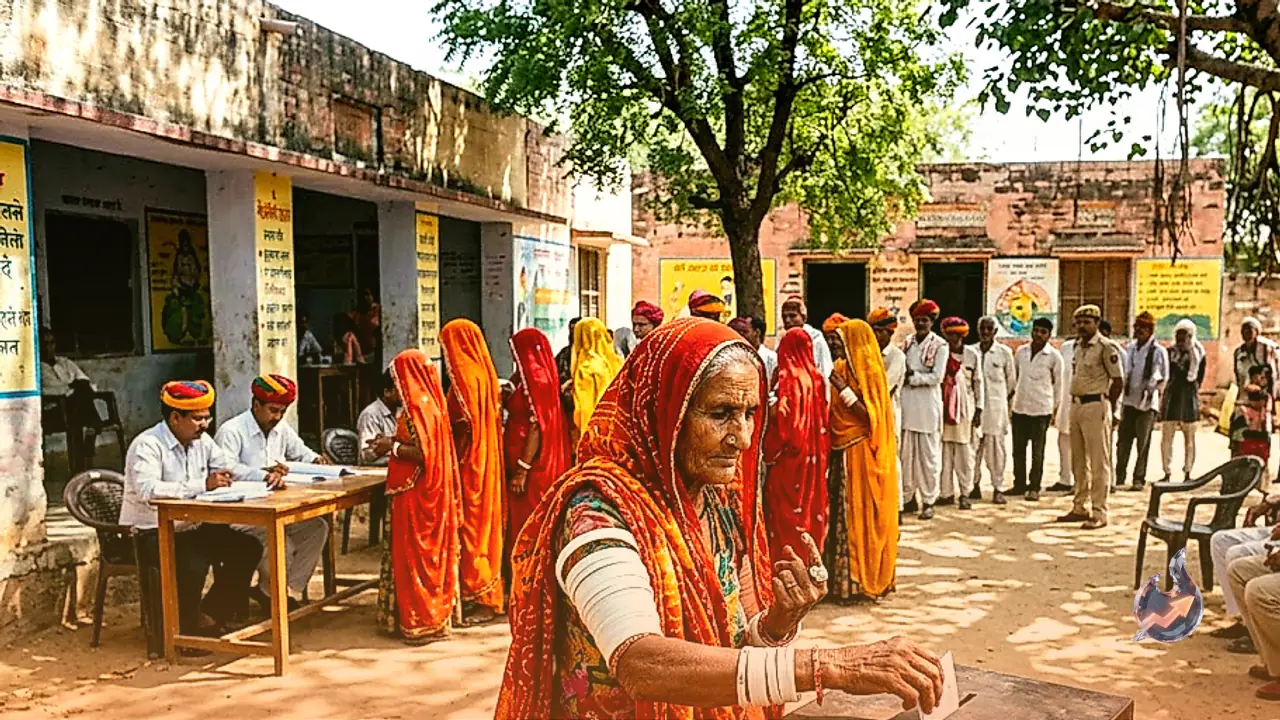
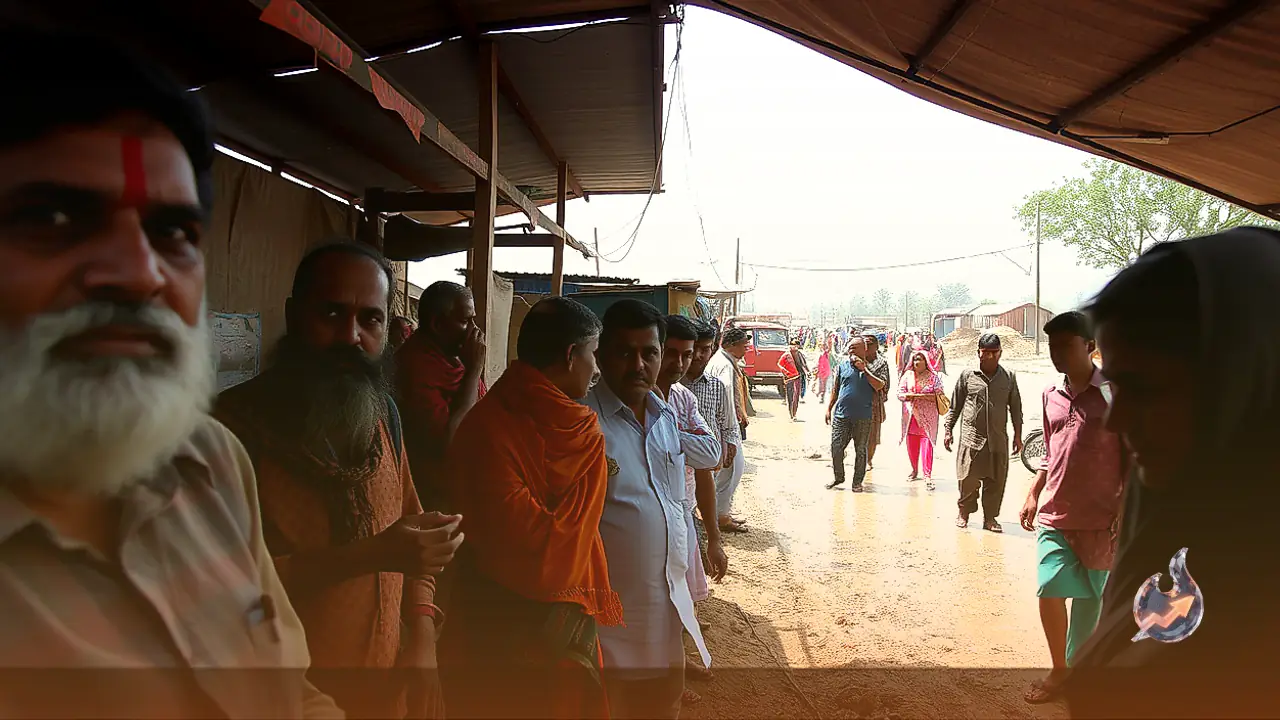
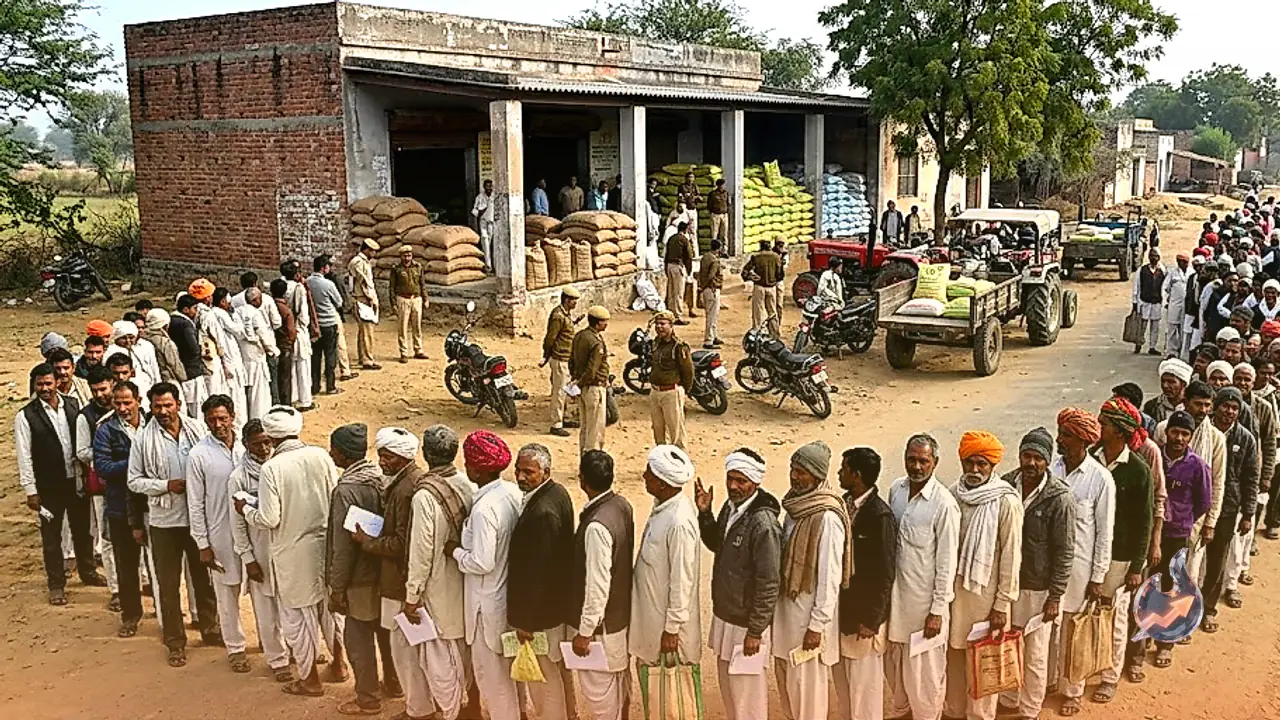
In Dholpur district, long queues outside agricultural supply shops have become a daily scene as cultivators arrive well before sunrise to purchase DAP fertilizer. Farmers have reported standing in lines starting as early as 5:00 AM, while others take their positions around 7:00 AM. For several growers, securing even a single sack has required consecutive visits across two or three days. Because sowing timelines for winter crops are critically narrow, any delay in applying phosphatic fertilizers threatens the overall yield of the planting cycle.
Expressing sharp frustration over the local handling, a farmer named Raju alleged that staff at a cooperative society shut the main entrance to distribute fertilizer bags through a rear door. Another farmer, Leeladhar Tyagi, explained that he had been waiting in line since 7:00 AM without success, noting that farmers spend hours standing, eventually sit down out of sheer fatigue, and still face empty hands by the afternoon. While these specific claims remain independently unverified, they underscore the extensive strain experienced by cultivators waiting at distribution points. Similar discontent erupted in Baran district, where frustrated farmers staged a road blockade to protest fertilizer shortages and demand prompt supplies.
Naresh Meena Marches Toward Jaipur as Administrative Outreach Unfolds
Amid the growing unrest over fertilizer procurement, farmer leader Naresh Meena initiated a protest march toward the state capital of Jaipur from Kota, accompanied by local farmers and supporters. The strenuous foot journey resulted in severe blisters on his feet, prompting him to cover parts of the distance on a handcart. His demonstration focuses squarely on securing an adequate supply of DAP and demanding seamless access to essential agricultural inputs for farming families.
During this march, a phone conversation between Tonk District Collector Tina Dabi and Naresh Meena went viral across social media platforms. In the recorded dialogue, the district collector urged the farmer leader to pacify the agitated growers, emphasizing that the district faced no genuine shortage and that supply logistics would be smoothed out promptly. The discussion also highlighted administrative directives ensuring that DAP is sold strictly at official fixed rates without forcing farmers to buy unwanted bundled commodities. This administrative interaction brought the stark contrast between public agitations and administrative assurances into sharp focus.
Political Clashes: Congress Alleges Neglect, BJP Defends Stock Availability
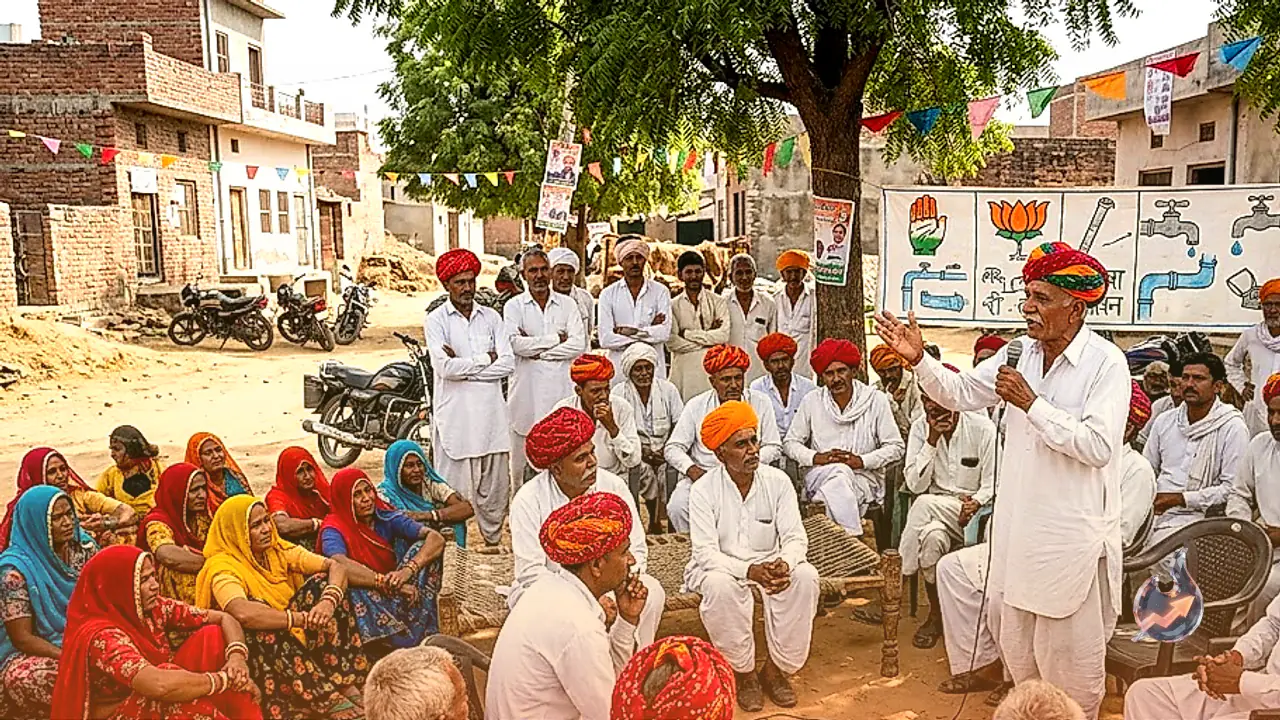
The fertilizer distribution dispute has simultaneously triggered political friction between the major political parties in Rajasthan. The opposition Congress party has criticized the state administration, alleging that while farmers are stranded in queues during the crucial rabi period, the government is preoccupied with preparing for upcoming panchayat elections rather than resolving agrarian issues. Senior Congress figure Pratap Khachariyawas voiced strong reservations regarding fertilizer management, questioning the government's preparedness.
Conversely, the Bharatiya Janata Party firmly pushed back against the accusations, contending that opposition groups are fabricating an artificial crisis for political leverage and encouraging illicit hoarding. State BJP President Madan Rathore stated that the state maintains sufficient fertilizer reserves and that authorities are consistently working to deliver supplies directly to cultivators. Rathore insisted that there is no shortfall and that the government will ensure supplies continue to reach farmers without disruption.
Official Warehouse Inventories and International Supply Dynamics
To curb unauthorized stocking and maintain price discipline, the state government has heightened monitoring across distribution networks. During a state-level administrative review held on October 6, officials placed strong emphasis on supplying fertilizer according to cultivators' seasonal needs while taking stringent action against hoarding and black marketing.
According to official inventory records, Rajasthan holds substantial fertilizer reserves, comprising
- 3.73 lakh metric tonnes of urea currently in stock.
- 1.04 lakh metric tonnes of DAP available across facilities.
- 95 thousand metric tonnes of NPK fertilizer recorded in depots.
- 2.09 lakh metric tonnes of SSP maintained in warehouse reserves.
The gap between documented warehouse availability and local retail queues largely stems from sharp surges in localized demand. As the rabi planting window opens, demand for DAP spikes sharply within a compressed timeframe. Furthermore, India relies heavily on international markets for its DAP requirements and essential raw materials. Fluctuations in global shipments inevitably influence domestic distribution schedules. While central government data indicates that national DAP stockpiles ahead of this rabi season are actually higher than in the previous year, logistical delivery speeds and district-level inventory movement can vary significantly from one region to another.
Implementation of Token Systems and Rationed Sacks to Curb Hoarding
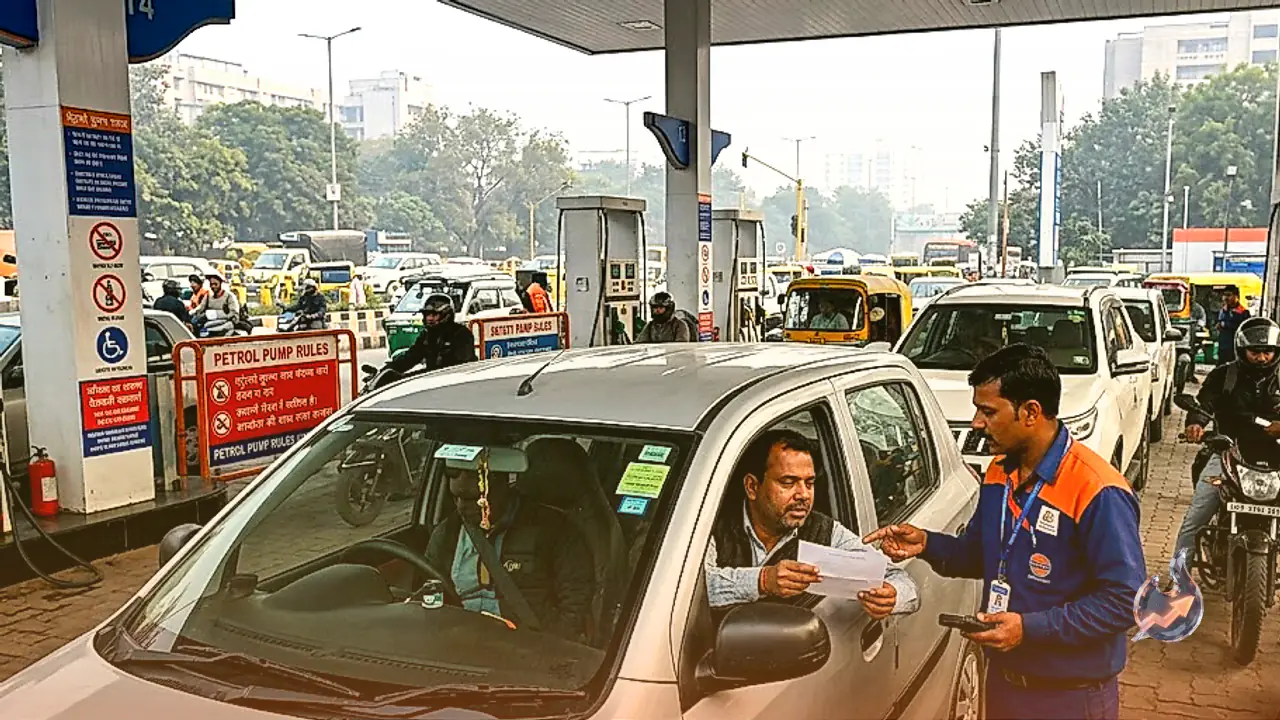
In response to lengthy queues and the risk of diversion, local administrations across multiple districts have instituted a structured token allocation process. Under this mechanism, farmers are issued fertilizer bags only upon biometric or documentary verification of their Aadhaar cards. In certain high-demand centers, authorities have capped purchases between one and three sacks per cultivator. This rationing strategy is intended to ensure broad distribution across maximum farming households while preventing individual buyers from accumulating surplus bags for resale or inappropriate usage.