





















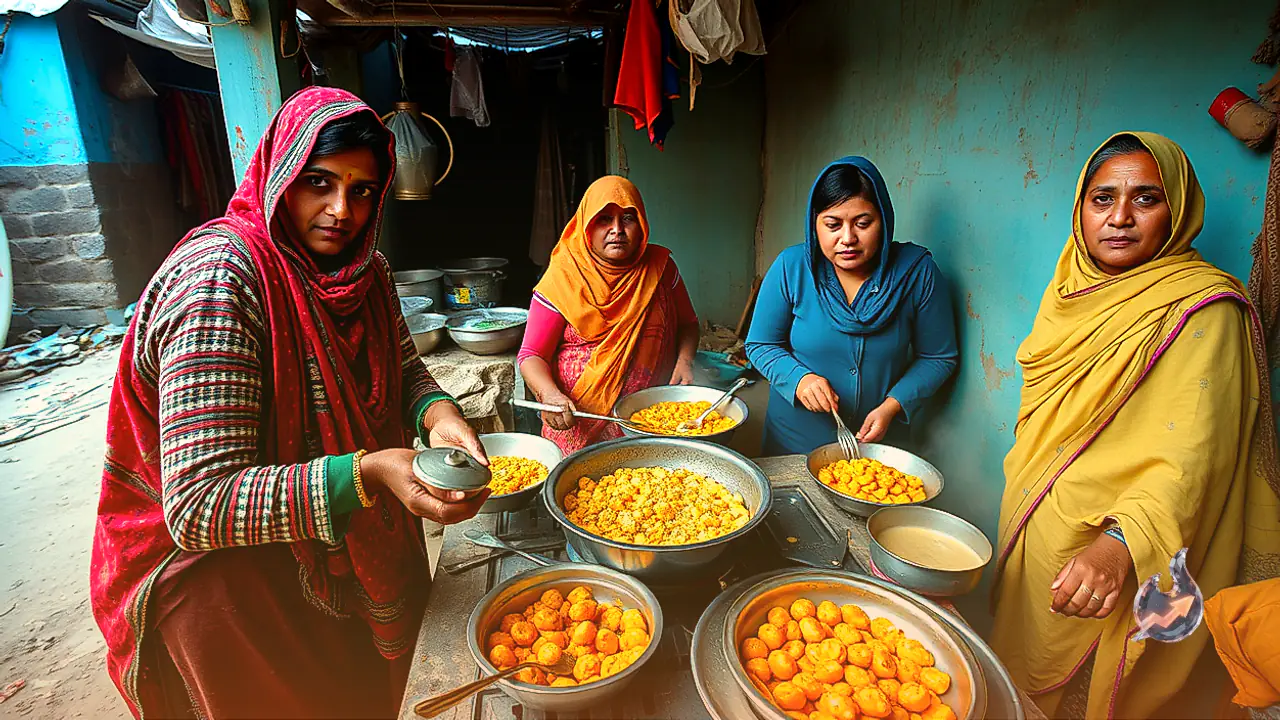

With the onset of cooler weather, breakfast routines across Rajasthani households undergo a delightful shift toward comforting regional fare. In the historic district of Jalore, home kitchens often turn to a distinct, time-tested morning dish known as maida dhokla. While dhokla is widely recognized across India as a steamed delicacy crafted from fermented gram flour batter, this regional variation bypasses besan entirely. Using refined wheat flour, basic seasoning, and boiling water, local residents whip up a tender, satisfying breakfast that requires no tedious fermentation or extensive spice blends.
Minimal Ingredients Straight from the Pantry
Local homemaker Anita Jain explains that this domestic recipe has been passed down through generations and remains a seasonal staple whenever temperatures begin to dip. The charm of the preparation lies in its minimalism. Requiring neither rare condiments nor extensive kitchen equipment, the dish delivers wholesome nourishment and an earthy aroma when paired generously with fresh clarified butter or vegetable oil.
Preparing a batch for the whole family requires only a handful of common kitchen items
- Refined Flour: Approximately 500 grams of standard all-purpose flour (maida).
- Table Salt: Exactly one teaspoon, adjusted to family preference.
- Cumin Seeds: Half a teaspoon of raw whole cumin (jeera) for warmth and digestion.
- Boiling Water: Freshly boiled water added gradually to form the cooked dough base.
- Garnishing Essentials: Warm pure ghee or cooking oil, paired with dry red chili powder and extra cumin.
Crafting a Smooth Lump-Free Dough
Achieving the right texture hinges entirely on how the warm flour mixture is handled during the initial stage. To start, 500 grams of refined flour is transferred into a wide mixing bowl, followed by the addition of one teaspoon of salt and half a teaspoon of whole cumin seeds. These dry elements are blended thoroughly before introducing moisture.
Anita Jain notes that steadily pouring boiling water into the flour while simultaneously beating the mixture with a wooden spatula in a single direction is the secret to success. This deliberate stirring motion prevents dry clumps and stubborn lumps from forming, producing a pliable, silky paste. Once the dough reaches the right density, it is set aside for a few minutes to cool down slightly. The cook then wets their palms with regular water and molds the lukewarm dough into traditional round or oval dumpling shapes without sticking.
Steaming to Perfection and Serving Warm
Once shaped, the dumplings are placed into a conventional domestic steamer or arranged over a stand inside a standard pressure cooker without the weight valve. The dumplings are steamed continuously for about 15 to 20 minutes, allowing the steam to cook the refined flour thoroughly until it turns tender yet firm to the touch.
After the steaming cycle is complete, the cooked dhoklas are lifted out, allowed to settle briefly, and sliced into bite-sized serving chunks. Tradition in Jalore dictates serving these pieces steaming hot, generously drizzled with warm pure ghee or edible oil. Diners often sprinkle additional ground red chili, roasted cumin, and a pinch of salt over the top to elevate the flavor profile. This uncomplicated morning meal remains a comforting testament to simple regional cooking traditions across western Rajasthan.