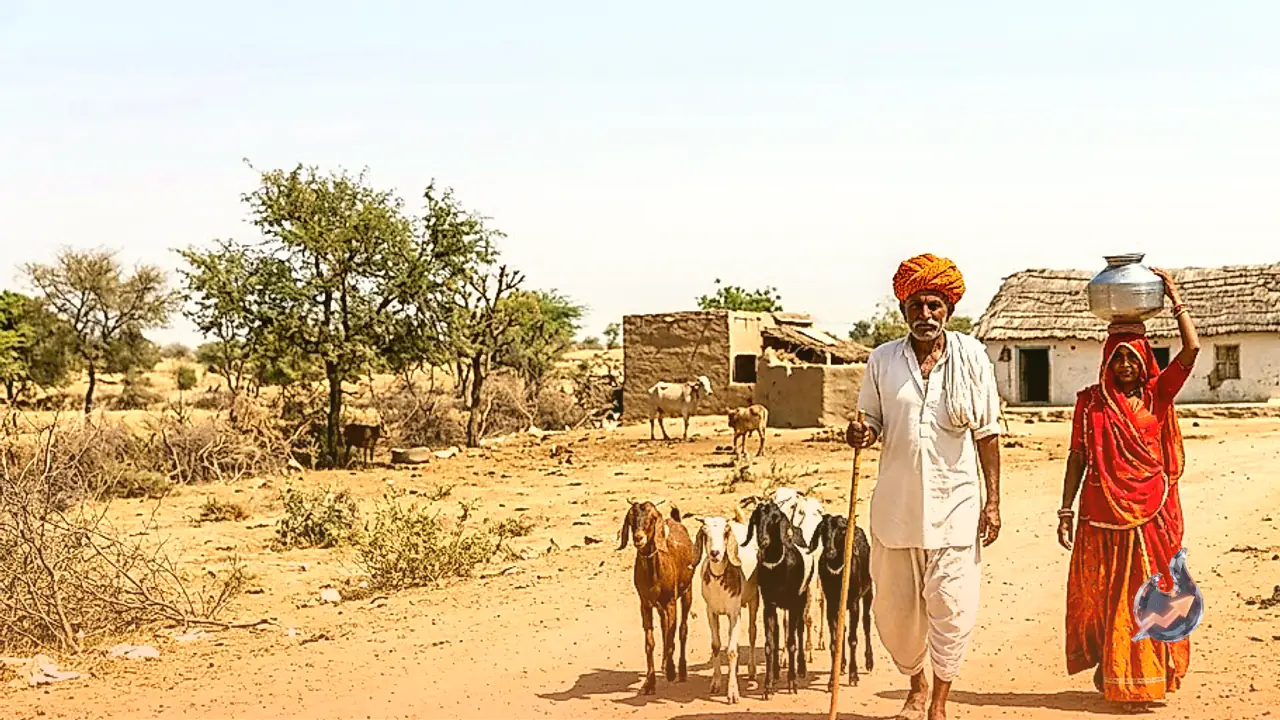























A severe monsoon deficit across western Rajasthan has triggered widespread distress among farming communities, pushing several rural areas to the brink of famine-like conditions. Districts under Jodhpur division, particularly Pali, Jalore, and Jaisalmer, have recorded exceptionally low precipitation this season, leaving agricultural fields parched and crops withered. The customary seasonal vibrancy in local grain markets has vanished, replaced by an eerie stillness as crop yields plummet to negligible levels.
Pali, Jalore, and Jaisalmer Face Widespread Kharif Ruin
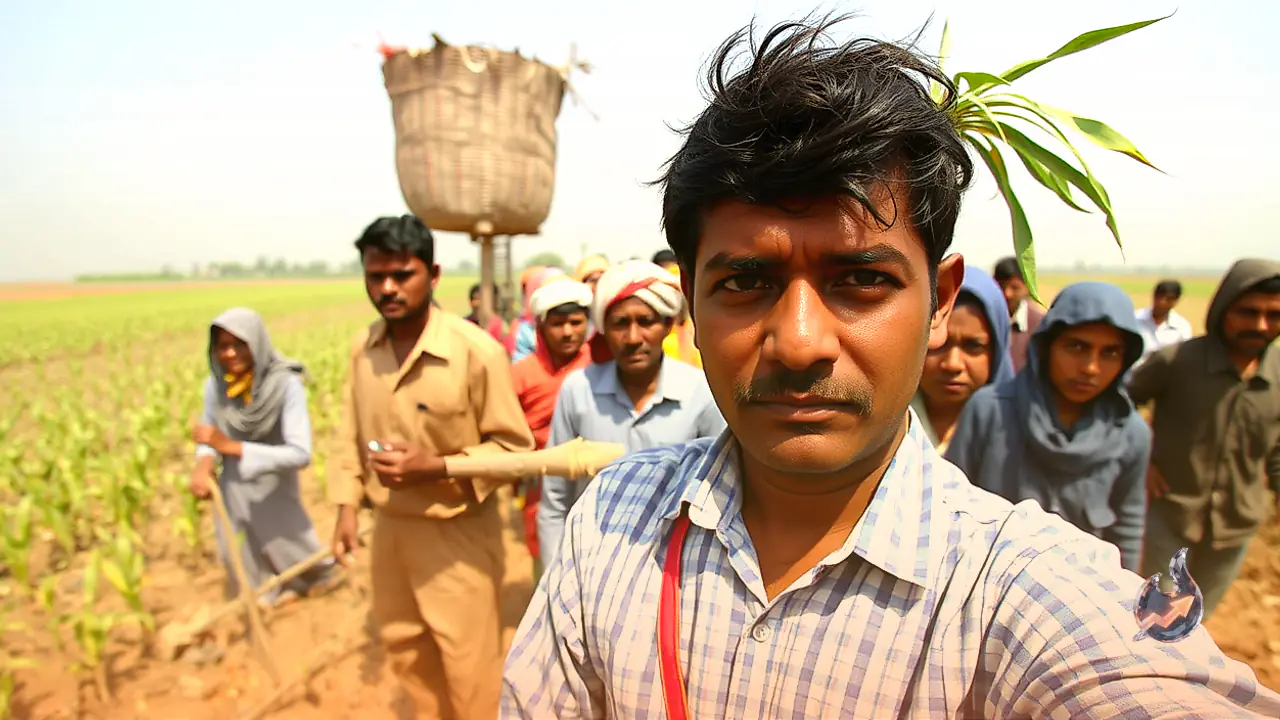
The failure of timely rainfall across western districts in Jodhpur division has completely destroyed standing Kharif crops. Cultivators had invested heavily by taking bank loans and purchasing costly seeds and fertilizers to sow staple crops, including pearl millet (bajra), green gram (moong), moth bean, and cluster bean (guar). Without the necessary moisture, these crops dried up directly in the fields, confronting farmers with the additional burden of clearing the withered stalks from the soil.
Local farmer Ramkishan explained that his family had pinned high hopes on this harvest to meet essential household needs, but the absence of showers turned conditions into an acute dry spell. He pointed out that hiring laborers to clear the ruined crops would entail extra expenses that he cannot afford. Consequently, he released his cattle into the dry fields so the degraded crops could at least serve as livestock fodder. Ramkishan urged administrative authorities to step in with immediate financial relief.
Tenant Farmers and Indebted Households Bear the Brunt
The crisis has hit tenant cultivators and indebted farming households with exceptional severity. Farmer Kishanlal noted that he had planted pearl millet, green gram, and moth bean, only to witness the entire acreage ruined by dry conditions. Operating as a sharecropper on leased land, he expressed deep anxiety over how he would compensate the landowners when the harvest yielded nothing. He stated that the government must urgently conduct a formal crop loss assessment (girdawari) and release adequate compensation so farmers can prepare for the upcoming Rabi sowing cycle.
Another cultivator, Hari Bhai, highlighted the immense psychological and economic toll, observing that when nature turns hostile despite hard labor, expensive seeds, and fertilizers, farmers find themselves completely crushed. He noted that his farming operations were already running on borrowed money. His family had hoped that a bountiful yield would allow them to purchase new clothes for the children and celebrate Diwali with joy, but those aspirations have dissolved. He demanded that authorities immediately notify the affected tracts as drought-hit regions.
Historic Basni Mandi Deserted as Agricultural Arrivals Dry Up
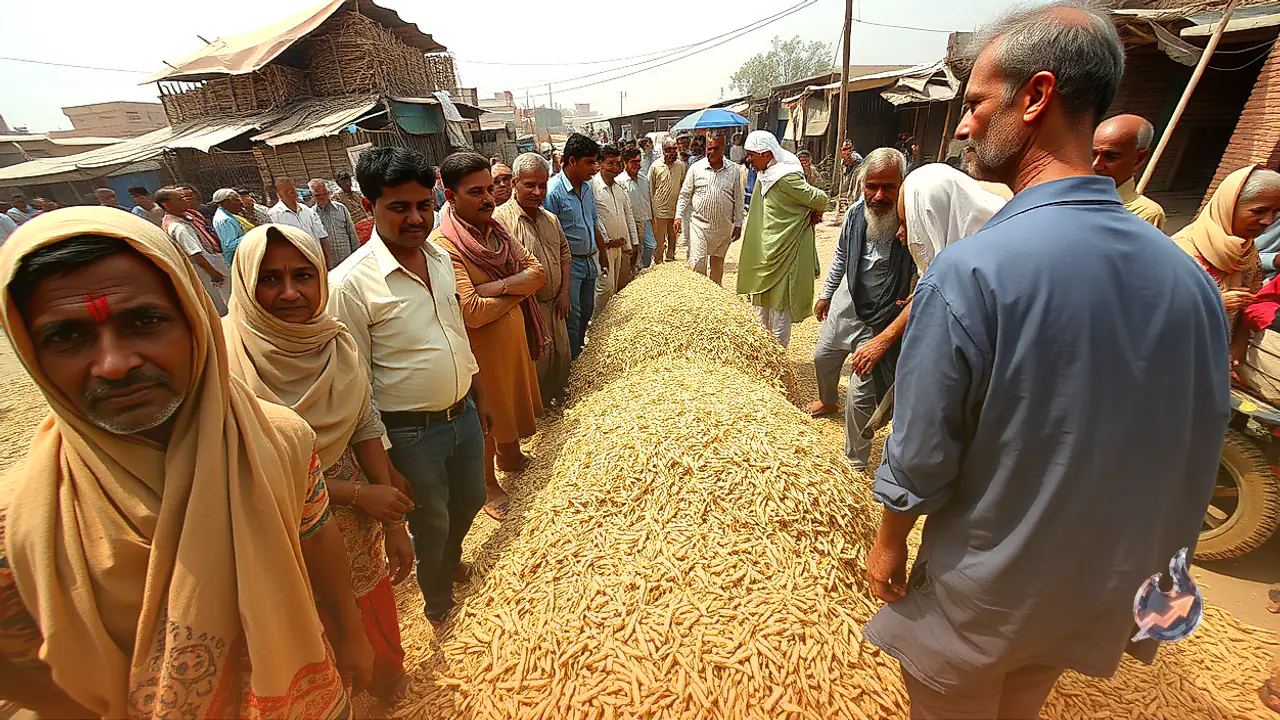
The rural agrarian breakdown has rippled into urban commercial hubs. Basni Krishi Mandi in western Rajasthan, recognized among the prominent trade yards in the region, typically welcomes thousands of farmers arriving with truckloads of produce from Pali, Sirohi, Jalore, and Barmer. At present, the vast trading premises wear an abandoned look. Covered sheds sit vacant, daily-wage porters and loaders wait without work, and commission agents sit idle outside their commercial establishments.
Commodity Prices Projected to Surge by 20 to 30 Percent
Detailing the commercial fallout, Prakash Mehta, president of the Jodhpur Food Trade Association at Basni Mandi, pointed out that this period typically witnesses peak seasonal arrivals of pearl millet, green gram, moth bean, and cluster bean. However, catastrophic rainfall deficits have reduced actual production to near zero, bringing yard transactions to a standstill. Mehta warned that this steep fall in harvest volumes is likely to drive commodity prices up by 20 to 30 percent in the coming days, noting that the shortage will deliver an economic blow not just to producers, but to retail consumers and market stability at large.
With gloom hanging over fields and trading floors alike, both agricultural workers and traders throughout Jodhpur division are now looking to the state government for intervention. Calls are mounting for prompt special loss surveys, speedy release of compensation payouts, and an official declaration of drought. Impacted communities remain on edge, waiting to see how quickly administrative relief will arrive following this natural setback.