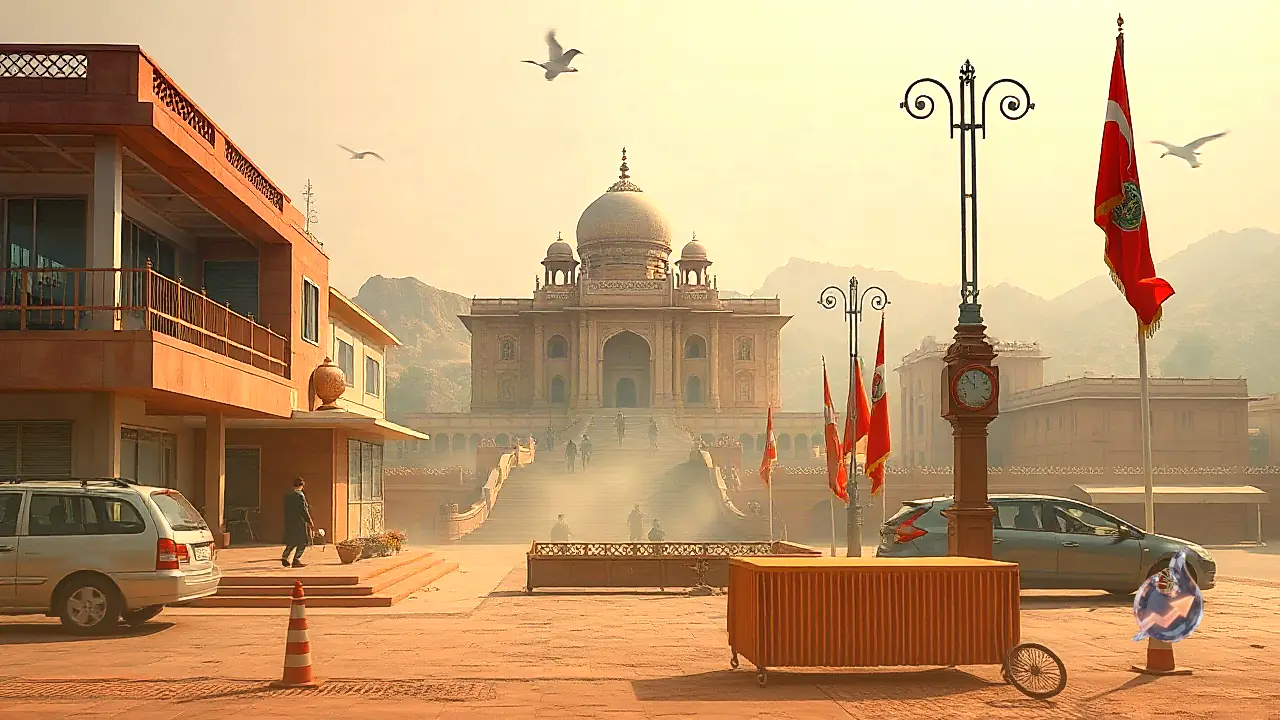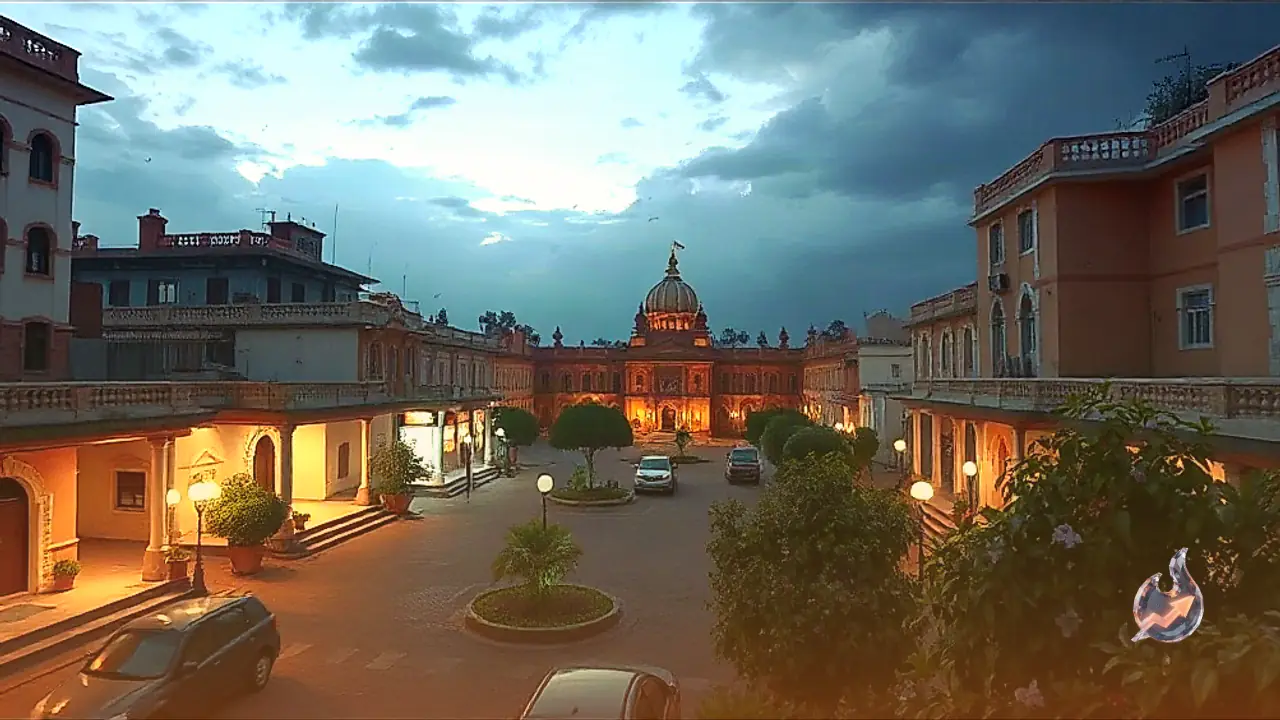
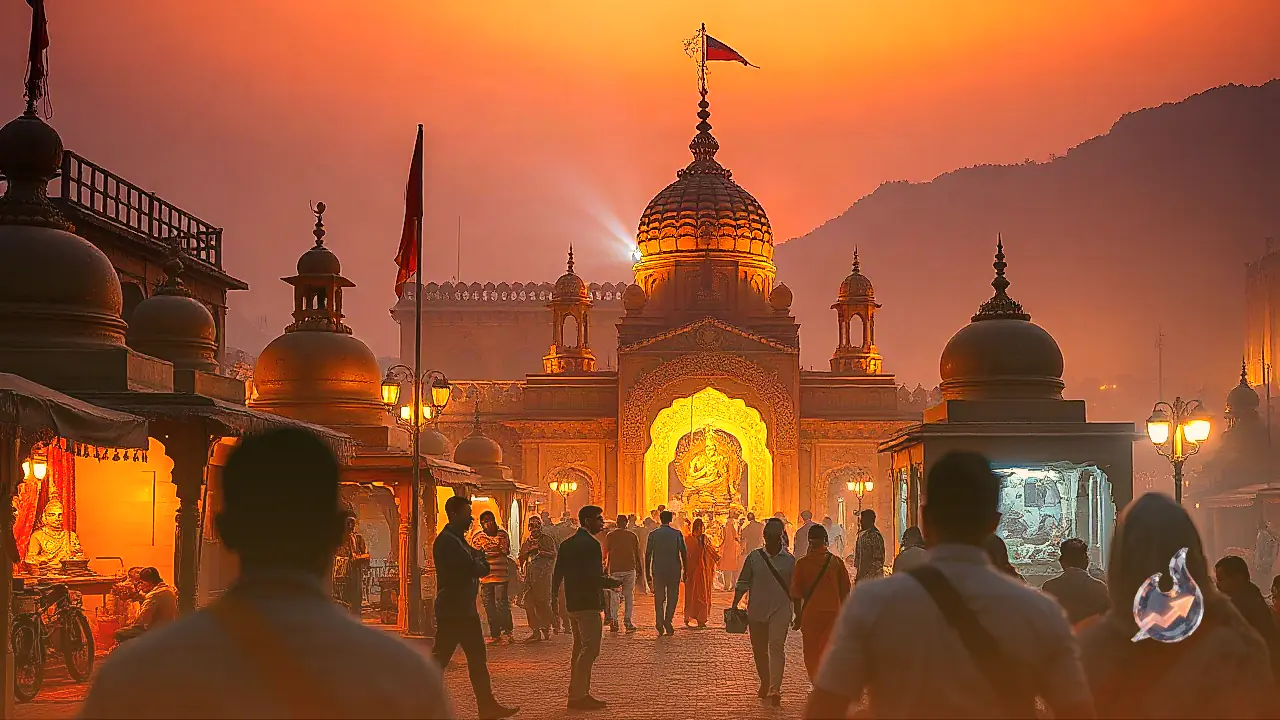
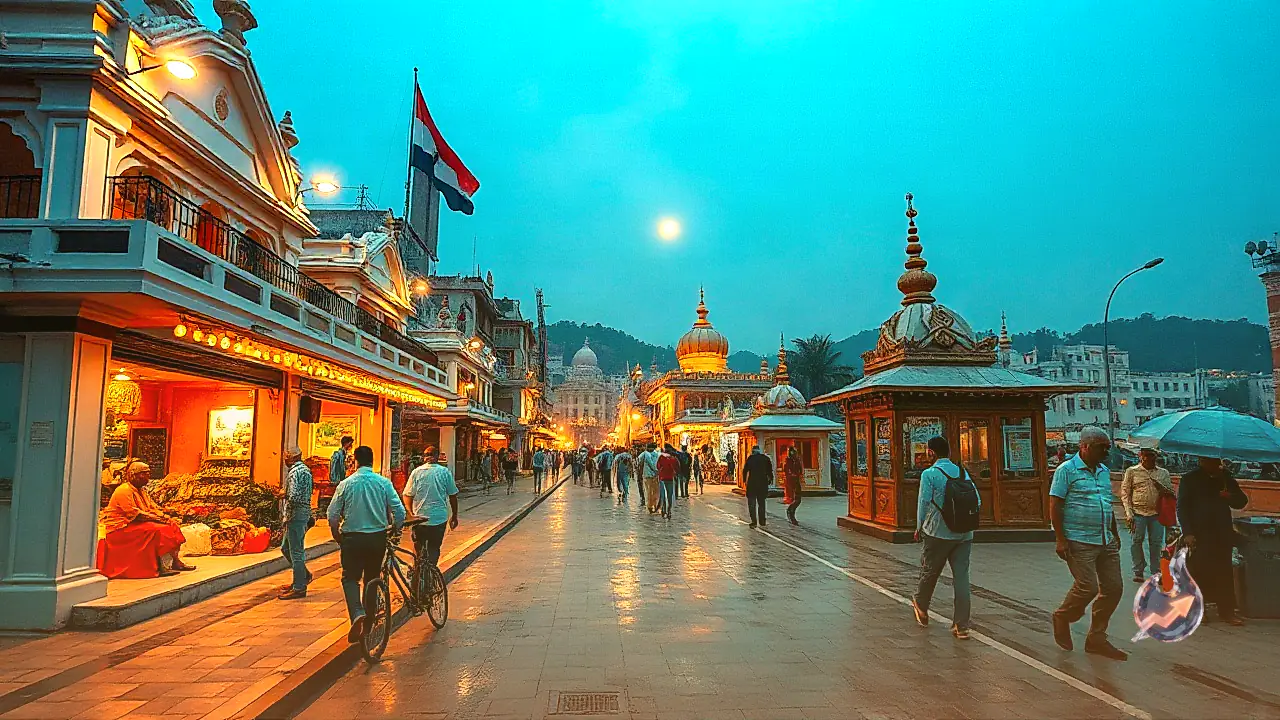


















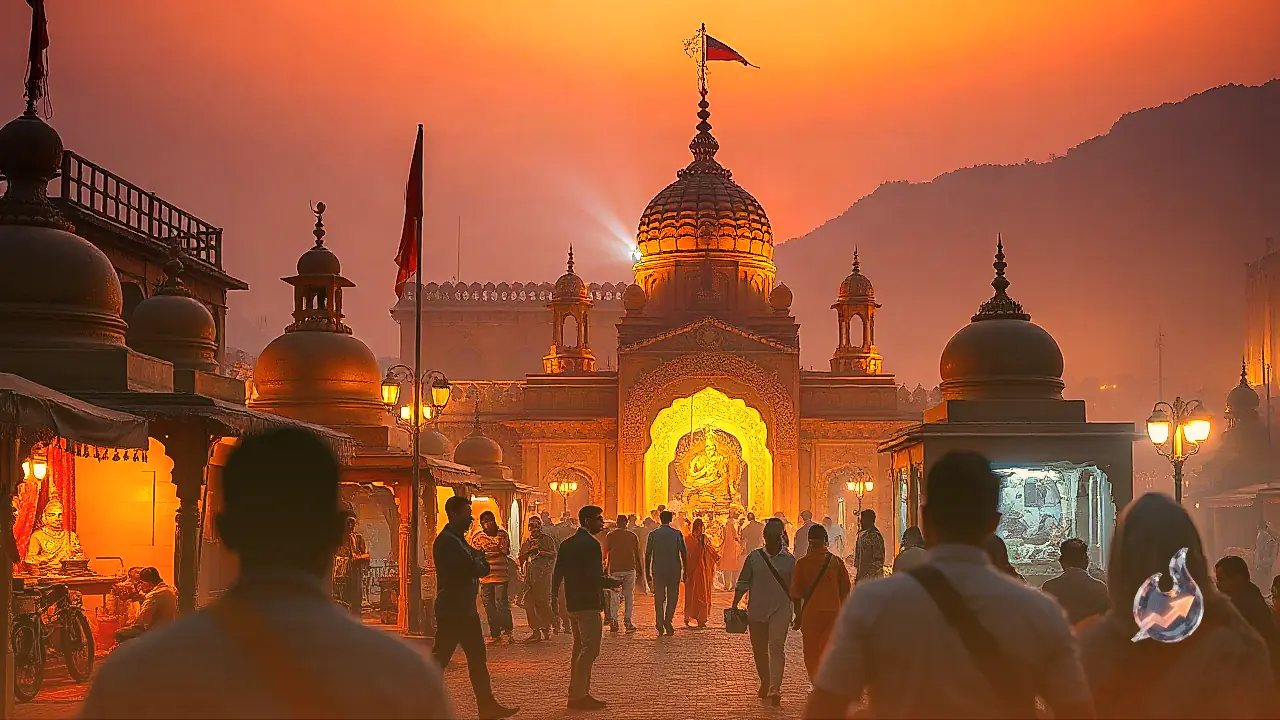

Situated in the arid expanse of western Rajasthan, Ramdevra, historically known as Runicha, stands as a grand confluence of spiritual faith and social equality. Millions of devotees from across India and overseas travel to the resting place of folk deity Baba Ramdevji, who manifested approximately 642 years ago to eradicate the social evils of untouchability, hierarchical discrimination, and religious prejudice. The timeless lessons of universal harmony established during his lifetime remain fully active in every practice observed at this holy sanctuary today.
Custodianship of the Nineteenth Generation and Equal Regard
The daily administration, preservation of core traditions, and spiritual dignity of this ancient shrine are currently supervised by the 19th generational lineage of Baba Ramdevji. Mahendra Singh Tanwar, representing this 19th generation, stated that maintaining traditional sanctities and facilitating pilgrims remain the foremost priorities of the shrine administration. Every individual entering the gates is treated strictly as an equal devotee, completely setting aside caste divisions, wealth differences, and religious affiliations. External identities dissolve at the threshold, uniting all visitors under one common spiritual bond before the sacred tomb.
Traditions of Healing and Special Blessings for Childless Couples
The continuous congregation of devotees at Ramdevra is deeply linked to longstanding personal convictions and miraculous experiences recounted across generations. Devotees arriving from across India, as well as non-resident Indians living abroad, place profound faith in the benevolent presence of the deity. Longstanding beliefs and accounts shared by visiting pilgrims affirm that skin ailments are completely cured after seeking refuge at this shrine. Furthermore, devotees maintain a resolute faith that patients battling first-stage and second-stage cancer experience miraculous health recoveries through the spiritual grace received here.
For childless couples yearning for the joy of parenthood, a revered ceremony known as the Godbharai ritual is conducted at the sanctum. Devotees hold an unwavering belief that couples taking part in this traditional ceremony are blessed with a son within nine months through divine intervention. Following the fulfillment of their heartfelt pledges, families undertake journey once more to express their heartfelt gratitude at the feet of the deity.
The Lineage of Ajmal Tanwar and the Awakening of Social Equality
Historical and religious traditions recount that Baba Ramdevji belonged to the revered Rajput lineage of King Ajmal Tanwar, who ruled the region. Having no heir for a prolonged period, King Ajmal and his queen Mainade journeyed to Dwarka to engage in dedicated devotion toward Lord Krishna. Pleased by their unrelenting prayers, two sons were born to the royal household, named Biramdev and Ramdev. On account of this sacred narrative, Baba Ramdevji is revered as an earthly incarnation of Lord Krishna.
Baba Ramdevji was born in the Vikram Samvat year 1409 at Undu Kashmir located in Barmer district to King Ajmalji Tanwar and Queen Mainade. Exhibiting immense moral clarity from his earliest childhood, Baba Ramdev committed his existence toward removing systemic untouchability and inequality from society. He extended warm kinship to marginalized sections and formally accepted Dali Bai, a young girl from the Dalit community, as his sister, delivering a monumental demonstration of human dignity and social balance to an unequal era.
Reverence as Ramsa Peer and the Conferment by Mecca Sages
Transcending conventional religious divides, Baba Ramdevji became an abiding emblem of communal fraternity. The Hindu community venerates him as Baba Ramdev, while Muslim devotees hold him in deep reverence as Ramsa Peer. According to enduring oral history, when five prominent peers arrived from Mecca to witness his divine reputation firsthand, they were humbled by his profound spiritual presence and collectively bestowed upon him the venerable title of Peeron ke Peer, meaning the peer of all peers.
Disciplined Administration and the Abolition of VIP Privileges
Managing gigantic congregations numbering in the tens of millions is a demanding logistical assignment, yet the Samadhi Sthal Management Committee has established exceptional discipline across the grounds. Preferential darshan arrangements, commonly known as VIP culture, have been eliminated in their entirety by the management committee. Whether an influential personage or an ordinary citizen, an affluent businessman or a daily wage earner, everyone conforms strictly to the exact same queue and protocol. Every pilgrim stands patiently in a singular line to pay homage at the sanctum.
Perimeter Security Networks and Regulated Exit Passages
The physical security of the shrine and surrounding pilgrimage areas is overseen through an extensive round-the-clock technological surveillance setup. Exactly 200 CCTV cameras monitor the interior spaces of the temple, while an additional 200 CCTV cameras cover the exterior avenues, ensuring complete coverage across 400 separate camera points operating continuously. To prevent overcrowding and disorderly movements, strict entry-exit protocols are maintained, prohibiting anyone from stepping inward through designated exit gates under any circumstances.
Annual Footfall Surpassing Ten Million and the Walking Jatarus
While pilgrims visit Ramdevra throughout every month of the calendar, footfall reaches monumental proportions during the annual pilgrimage fair, where daily numbers swell between 300,000 and 400,000 devotees. On an annual basis, conservative evaluations estimate that more than 10,000,000 pilgrims visit Ramdevra to offer prayers at the sacred samadhi, seek fulfillment of pledges, and return to express thanksgiving.
Vast legions of devotees, widely known as Jatarus, travel to the site on foot from Gujarat, Haryana, Punjab, Madhya Pradesh, Uttar Pradesh, and Maharashtra, as well as foreign shores. Covering thousands of kilometers across rough highways under challenging conditions, these determined foot-travelers maintain their pace powered solely by collective chants and religious fervor, epitomizing rare endurance and community dedication.
Significance of Guru Balinath and the Prior Homage at Masuria Hill
The spiritual preceptor of Baba Ramdevji was Guru Balinath Ji, whose revered sacred fireplace, or dhuna, is situated near Pokhran, while his samadhi rests atop the Masuria hill in Jodhpur. According to tradition, Baba Ramdevji himself decreed that any devotee embarking toward Runicha must first pay respects at the samadhi of his revered spiritual master in Jodhpur for their pilgrimage and personal wishes to attain full spiritual completion.
Preserving this traditional mandate, millions of visiting pilgrims first stop at the Guru Balinath temple in Jodhpur before advancing outward to the plains of Ramdevra. During fair seasons, the entire urban populace of Jodhpur participates actively across communities, organizing extensive rest camps, meals, and voluntary assistance for the endless waves of visiting pilgrims. The sustained legacy of Ramdevra continues to demonstrate how selfless faith can transcend social fractures, wealth disparities, and religious divisions.