




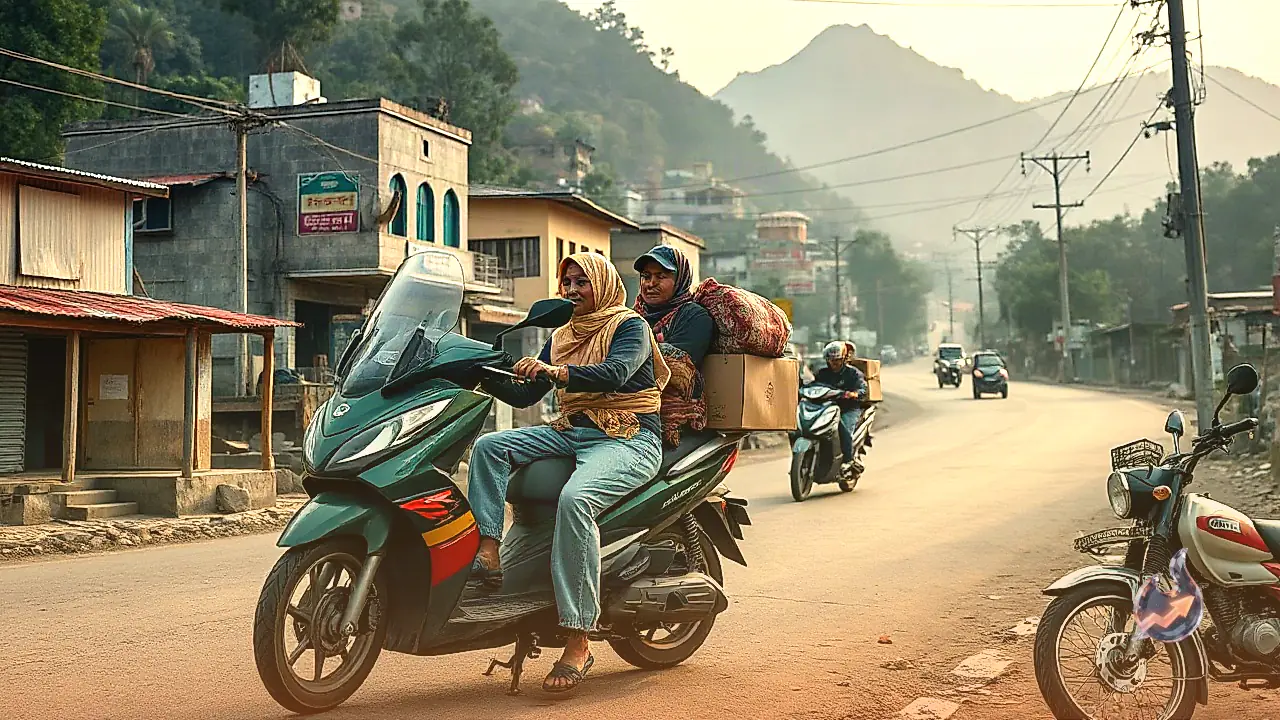
















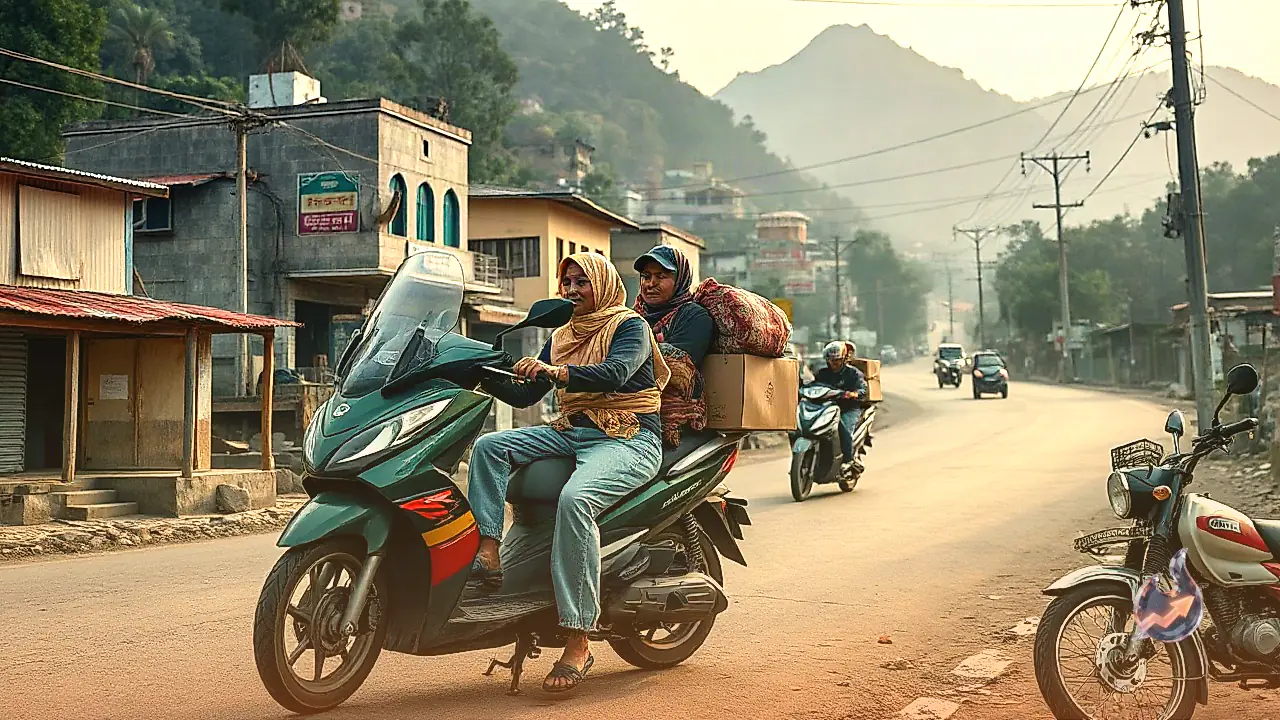

In the rugged hills of Uttarakhand, where limited local employment has long driven families and young workers to migrate to metropolitan centres, a quiet economic shift is taking shape along the winding streets of Bageshwar. Armed with valid driving licences and their own two-wheelers, local women are stepping into the e-commerce delivery sector as frontline logistics partners. By turning daily riding skills into a reliable self-employment channel, they are securing monthly incomes ranging from ₹15,000 to ₹20,000 while staying rooted in their home district. This shift highlights how modern logistics networks are expanding into hill towns and creating practical, independent livelihoods outside traditional household or farm roles.
Sarita Papola Sets a Benchmark After One Year in the Field
Among the women steering this change in Bageshwar, Sarita Papola stands out as an experienced pioneer. Having completed a full year on the delivery circuit, she has managed daily routes with consistency and professionalism. She notes that the widespread adoption of smartphones and online shopping has reached deep into mountainous districts. Residents now routinely order ready-to-wear clothing, packaged groceries, daily food items, emergency medicines, and diverse household necessities straight to their doorsteps.
As online ordering volumes grow across hill towns, logistics platforms rely heavily on dependable delivery partners to transport shipments from local hubs to customer addresses on time. Sarita points out that delivery driving in these districts was once seen strictly as male-dominated work. Overcoming initial social hesitations, she established a smooth daily routine. Addressing safety questions common to smaller towns and hilly terrains, she explains that delivery schedules in the area operate primarily during daytime hours. Working in daylight allows women to manage their personal safety with confidence, removing fear or hesitation from the job.
Opportunities Across E-Commerce and Quick Commerce Networks
Depending on local market density and order volume, candidates in Bageshwar have the option to connect with leading national and global digital platforms across multiple consumer segments
- Fashion and Lifestyle Brands: Major e-commerce players such as Flipkart, Meesho, Nykaa, Myntra, and Savana recruit local couriers to deliver apparel, footwear, cosmetics, and accessories.
- Food Delivery and Quick Commerce: Platforms such as Swiggy and Blinkit cater to groceries, household essentials, and prepared food that require fast distribution within tight local timelines.
These platforms provide flexibility regarding working hours, allowing logistics partners to opt for full-time schedules or take up part-time shifts to supplement their household income. Onboarding for quick-commerce platforms like Blinkit is managed through official web forms and partner mobile applications where applicants build verified profiles.
Mandatory Qualifications, Documents, and Equipment
To register as an active delivery partner, candidates must meet specific eligibility rules and assemble key paperwork before beginning field operations
- Age Criterion: Applicants must be at least 18 years of age or older.
- Vehicle and Mobile Device: Workers must own an active two-wheeler, such as a scooter or motorcycle, along with an active Android smartphone capable of running GPS and company dispatch software.
- Vehicle Papers: A valid driving licence, an updated vehicle Registration Certificate (RC), and active vehicular insurance are mandatory.
- Identity and Banking Credentials: Proof of identity and residence using an Aadhaar card or voter ID card, an individual PAN card, and an active bank account are required for electronic wage transfers.
Understanding Earnings: Fixed Payout vs Commission Model
Income structures across logistics operations generally follow two compensation models, which candidates can assess based on their route capacity and financial preferences
- Fixed Monthly Compensation: Under this structure, the company disburses a pre-determined monthly sum. However, the delivery partner must independently absorb all ongoing operational expenses, including daily petrol consumption, regular vehicle servicing, and wear-and-tear repairs.
- Per-Parcel Commission Model: Under this system, partners earn ₹10 for every parcel successfully delivered to a customer. All operating overheads, including fuel and maintenance, must be financed out of the cumulative commission earned during the billing period.
With sustained daily effort and route discipline, active delivery partners in this sector comfortably generate between ₹15,000 and ₹20,000 per month. Partner platforms furnish an official insulated delivery bag and a company identity card upon onboarding, while vehicle ownership remains the responsibility of the driver.
In-Person Registration on Nadigaon Road in Bageshwar
For candidates seeking direct local assistance, Bageshwar hosts an offline registration facility. Prospective partners can visit the authorized office operated under the name ‘Delivery Courier’ situated on Nadigaon Road. This local operations hub functions as a coordinating bridge between parent e-commerce corporations, local customers, and independent riders, keeping regional dispatches organized.
Following document submission at the Nadigaon Road centre, recruits participate in a mandatory three-day practical training program. The curriculum instructs partners on systematic parcel handling, efficient route navigation across hilly neighbourhoods, effective mobile app troubleshooting, and professional customer communication standards.
Standard Procedure for Mobile App and Web Registration
Individuals who prefer online enrolment can download the official partner app or visit the website of their selected company, such as Blinkit. The process begins by entering a verified phone number, selecting the operating city, and submitting personal profile details. Applicants then upload digital copies of their driving licence, PAN card, Aadhaar identification, and bank account proofs. Once digital verification concludes and basic orientation modules are cleared, partners receive activation to begin accepting regional delivery runs.