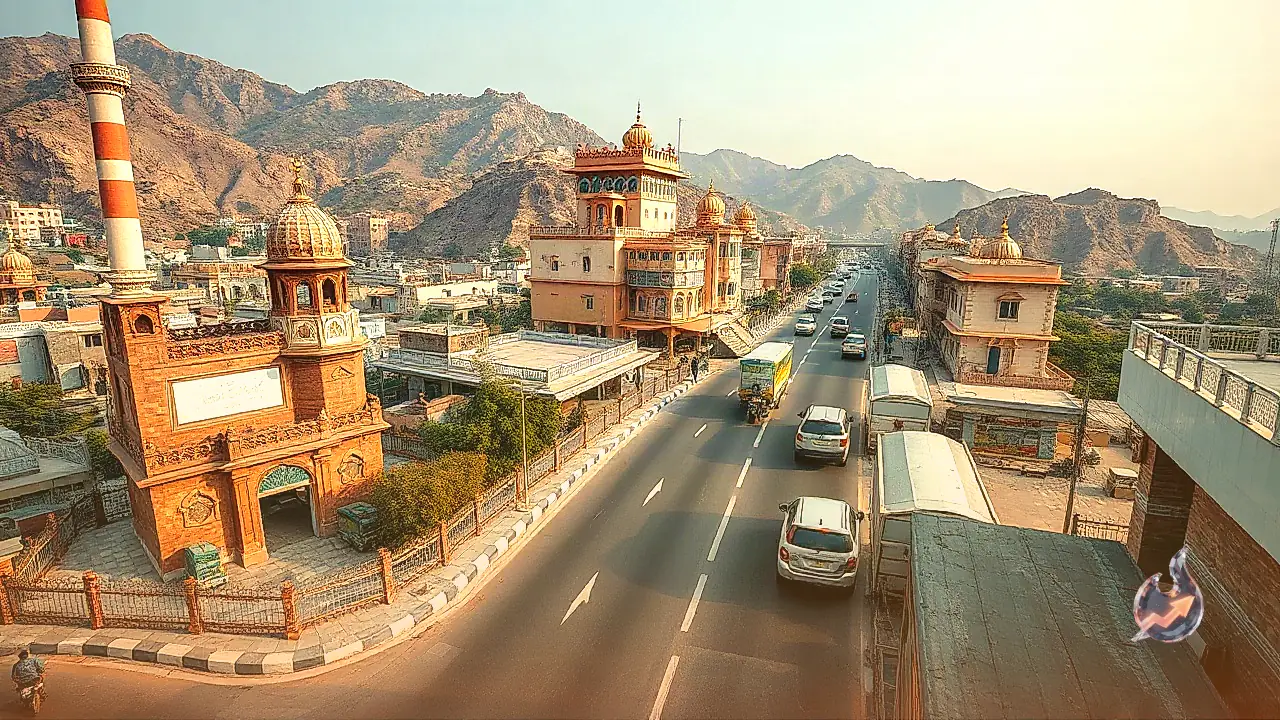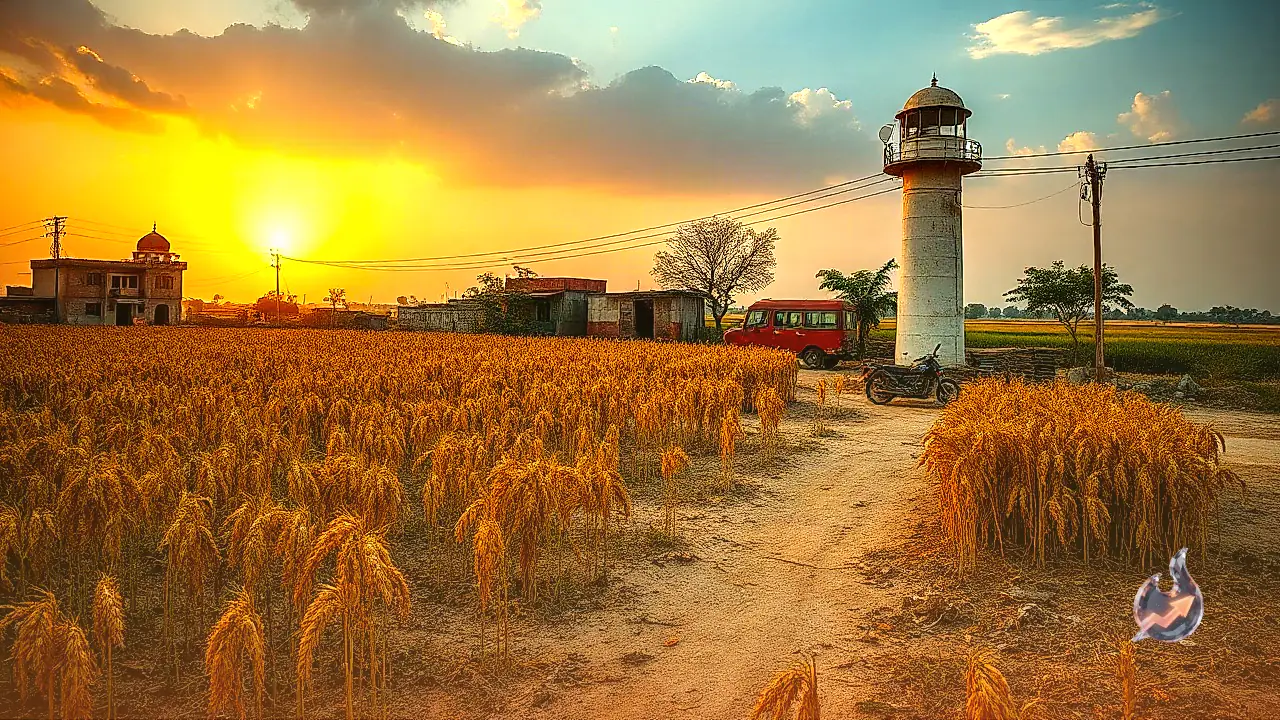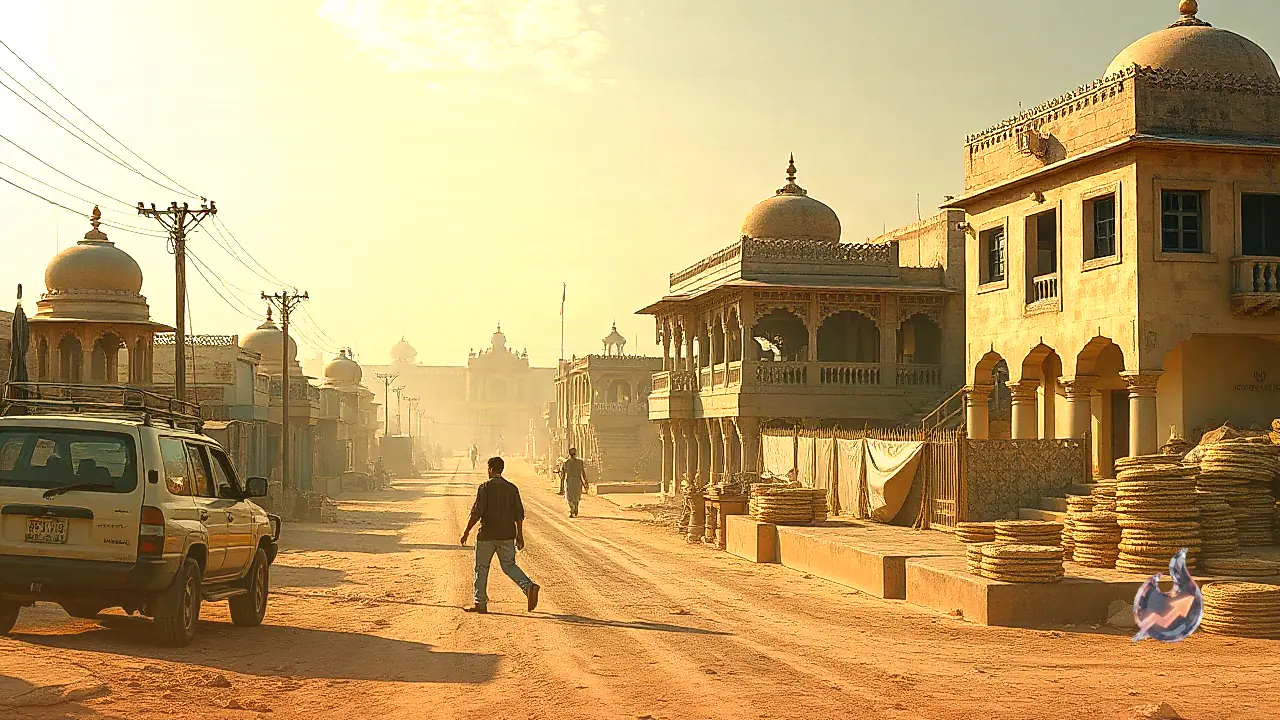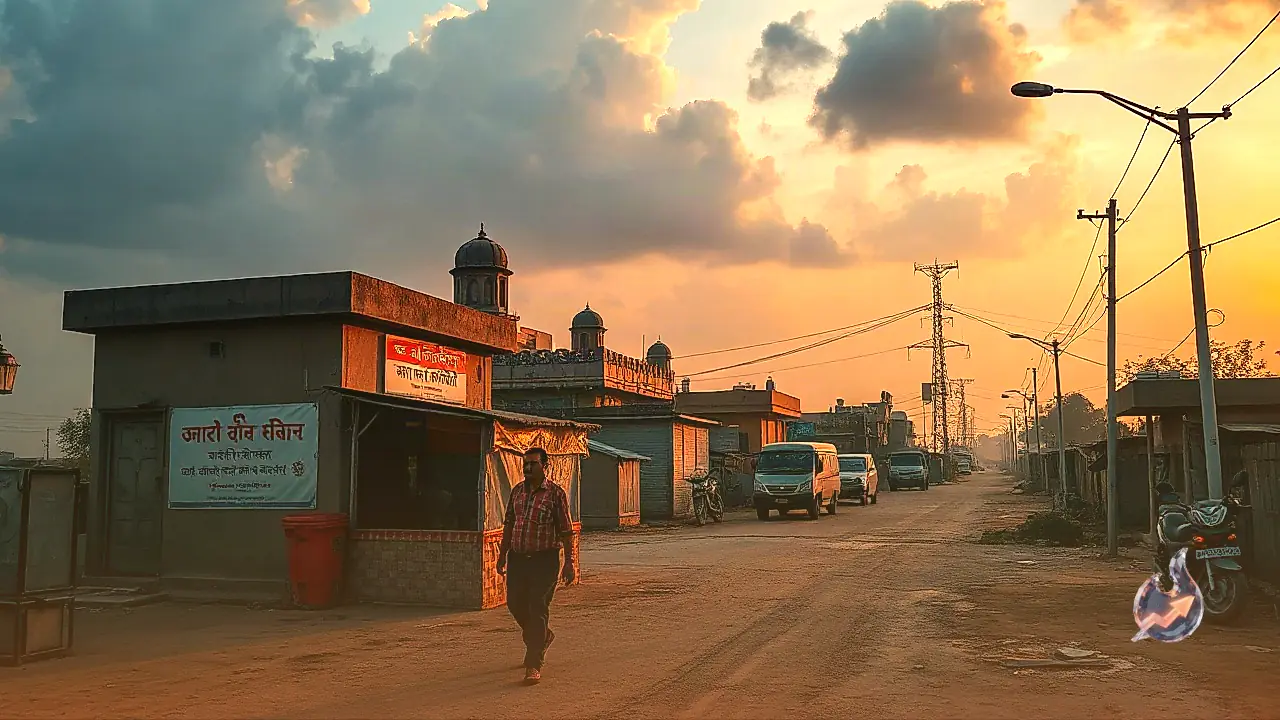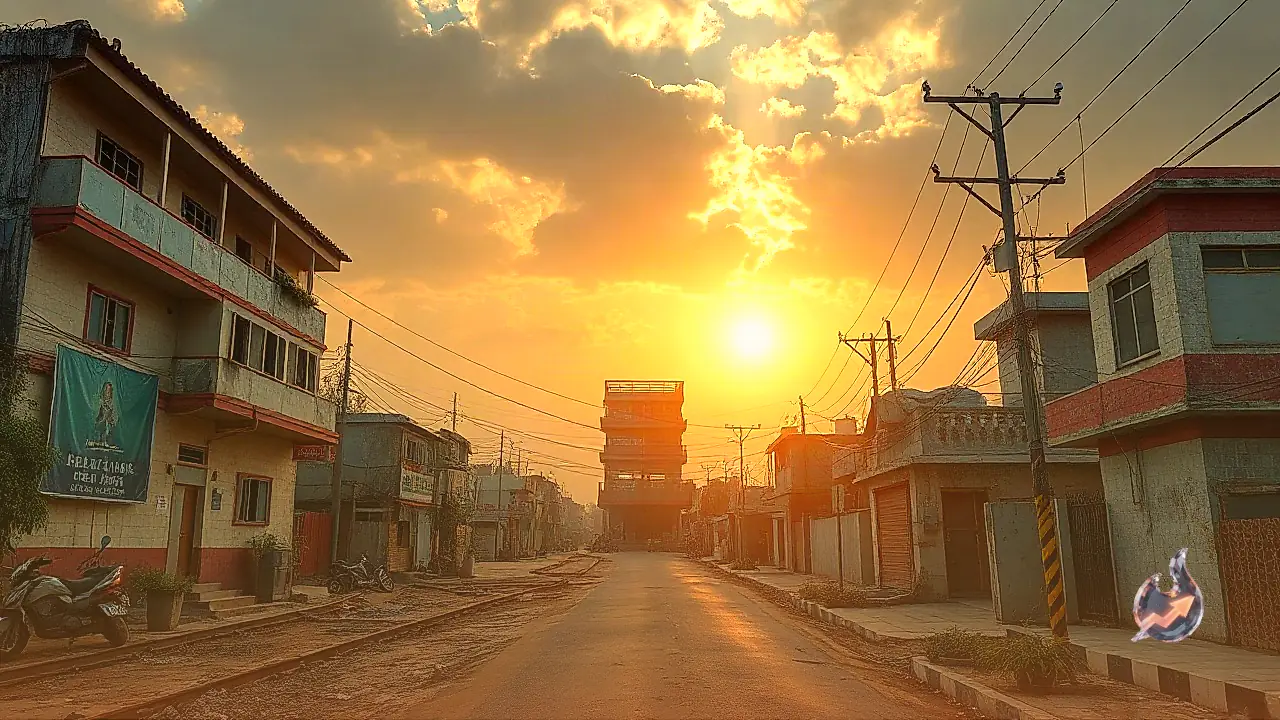
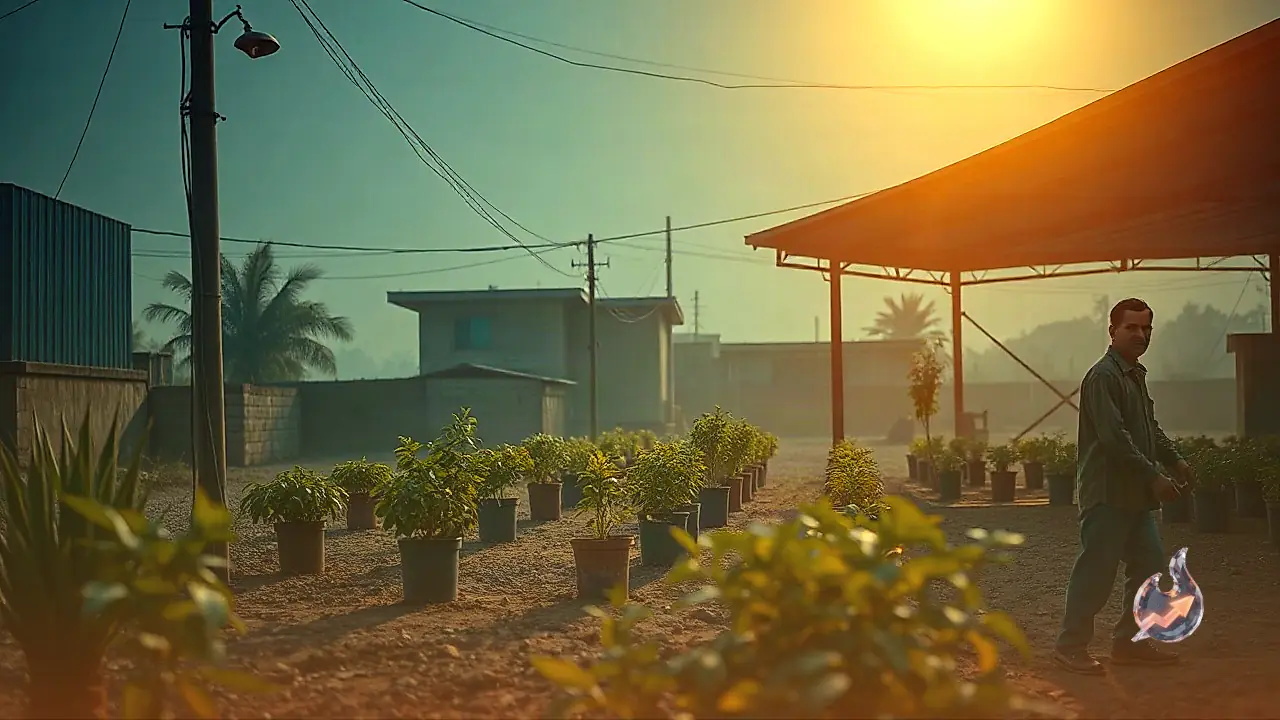

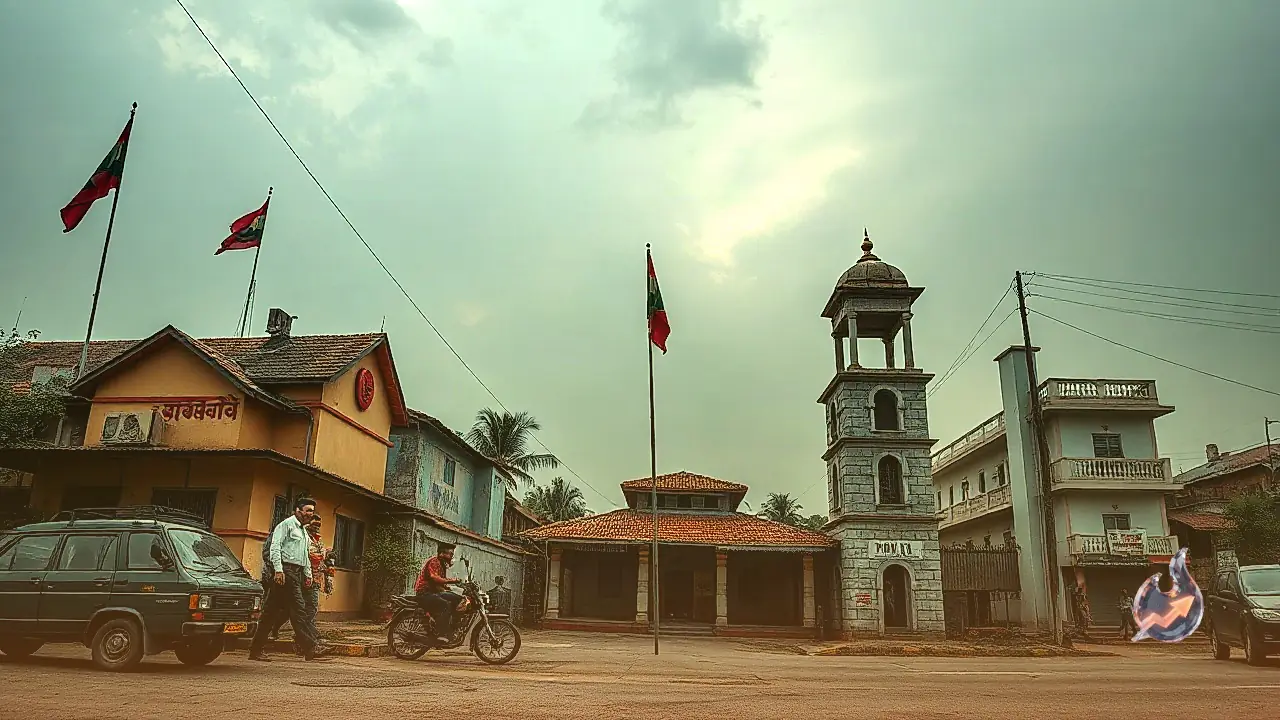

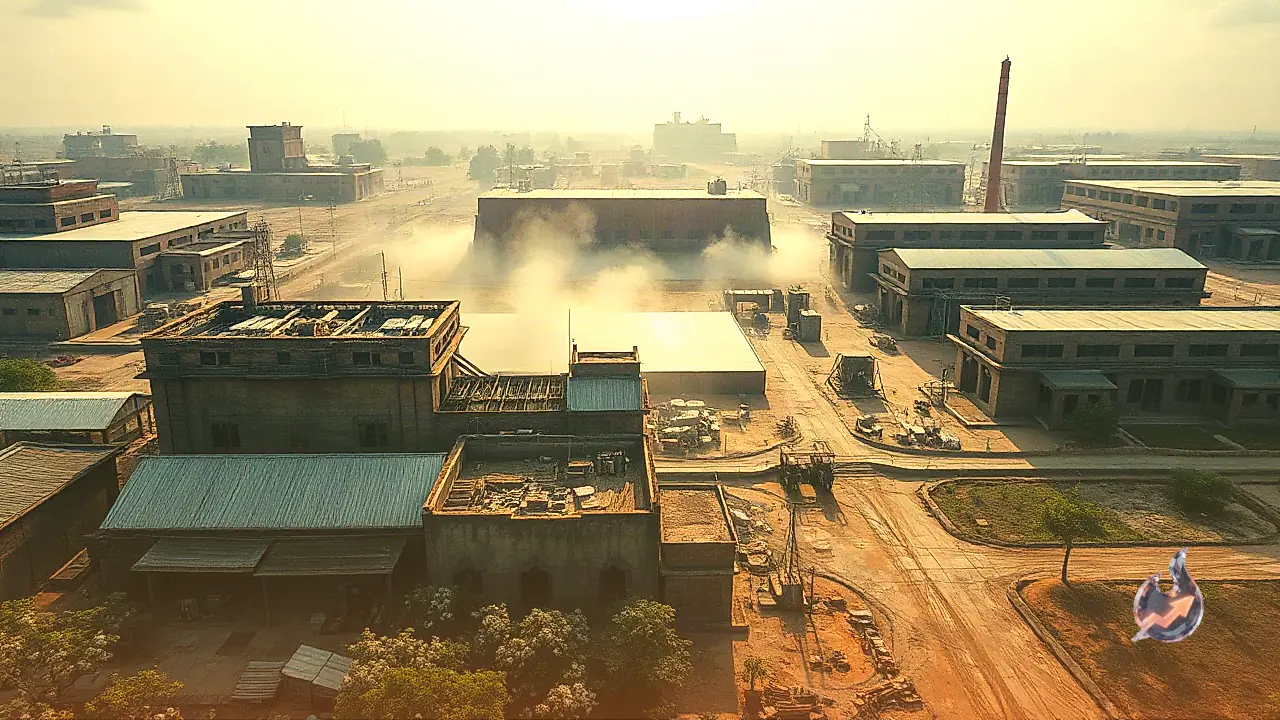
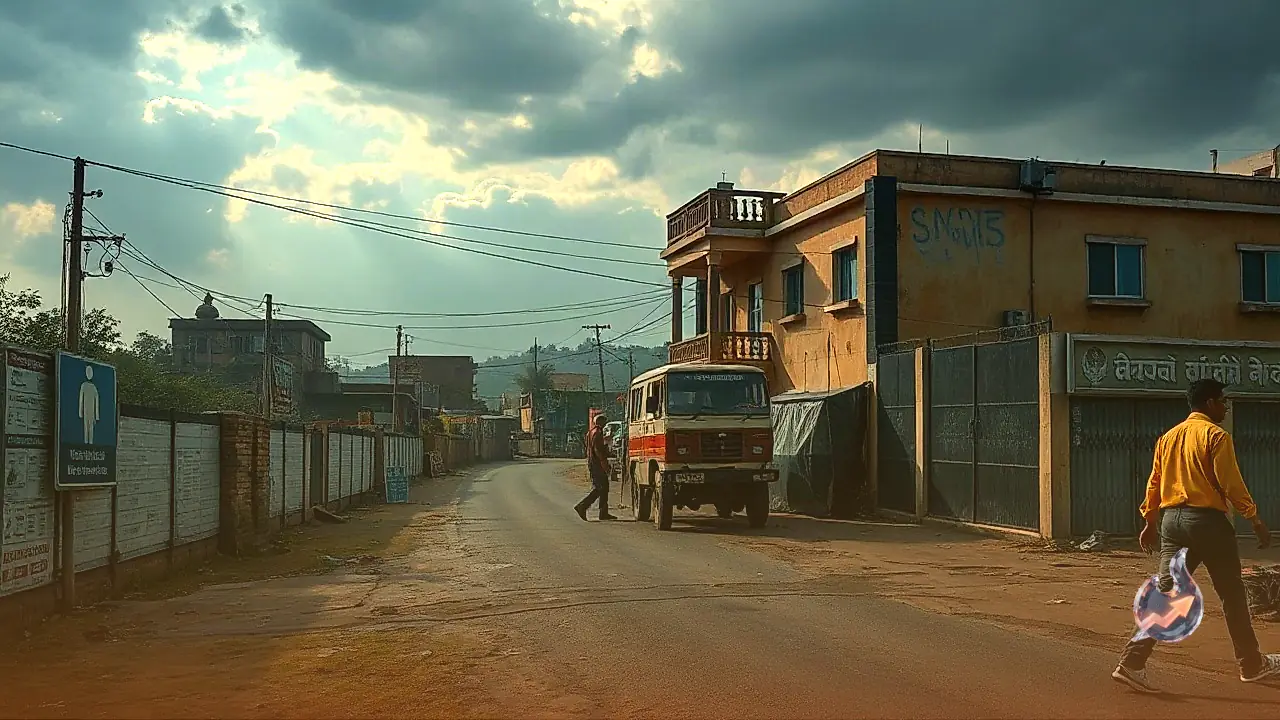

















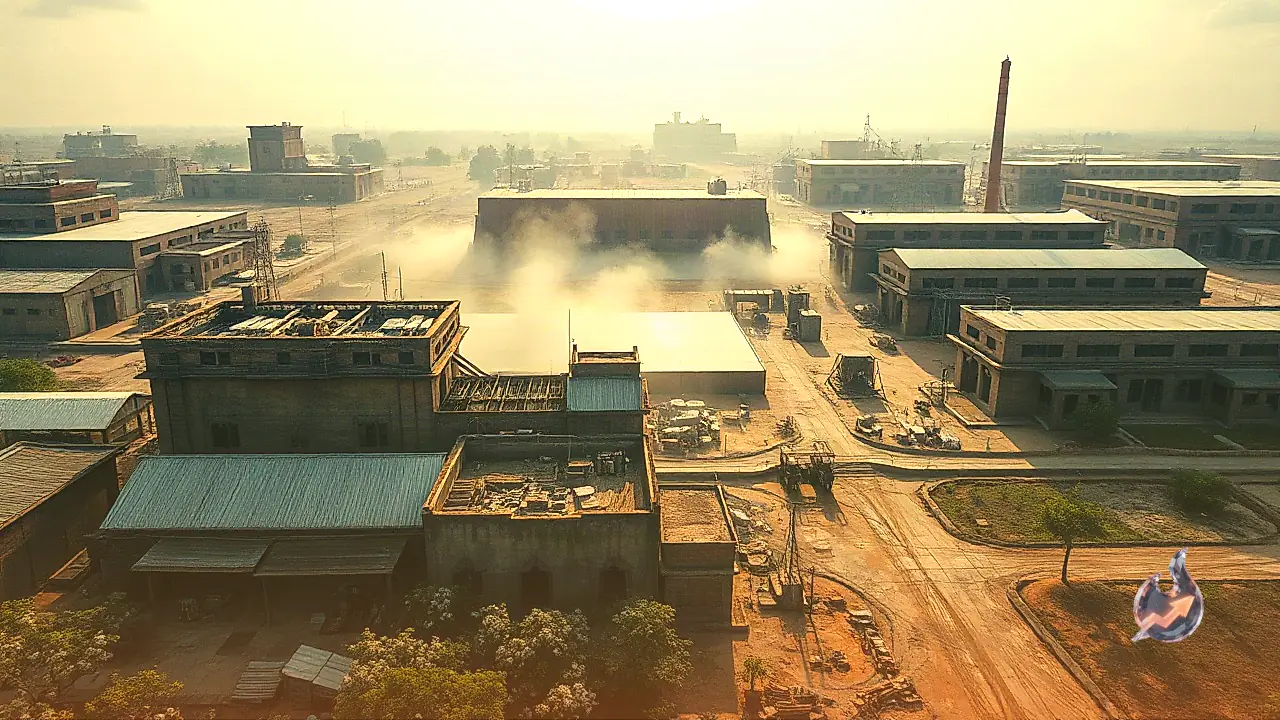

The industrial landscape of Rajasthan finds one of its most remarkable success stories in Bhilwara, a district widely celebrated as a premier textile hub of India. While the city hums with the sound of modern machinery and large-scale manufacturing units, the true engine of this industrial powerhouse lies in the rural hinterlands. The widespread cultivation of cotton by local farmers serves as the bedrock of Bhilwara's textile sector, turning agriculture into a highly lucrative enterprise and creating a robust economic model that bridges rural farming with urban industrialization.
The Transformation of Raw Cotton into Industrial Fiber
Raw cotton harvested from the fields cannot be directly fed into textile looms. To make it usable for manufacturing, the harvested crop must undergo a series of crucial initial processing stages, primarily ginning and pressing. In the ginning factories, the raw cotton is processed to separate the soft cotton fibers from the seeds and other impurities. Once the fiber is extracted, it undergoes pressing, where it is compressed into highly compact bales. These tightly packed bales are then transported to spinning and weaving mills, serving as the essential raw material required to manufacture high-quality yarn and fabrics.
A Harmonious Synergy Between Farmers and Manufacturers
The relationship between the agricultural community and the industrial sector in Bhilwara represents a mutually beneficial economic loop. Farmers dedicate vast tracts of land to cotton cultivation, relying on local traders and processing units to purchase their yield. Once the traders secure the crop, they direct it to ginning and pressing units, where the agricultural output is successfully converted into industrial-grade raw material. This seamless transition ensures that local textile manufacturers have a steady, reliable supply of cotton, while farmers benefit from a consistent market demand that stabilizes their agricultural income.
Driving Employment and Widespread Financial Growth
The impact of this agrarian-industrial alliance extends far beyond crop sales and textile production, acting as a massive generator of employment across the region. The entire supply chain, starting from cotton harvesting to the final fabric production, creates thousands of direct and indirect jobs. Large numbers of people find employment in transportation, handling, ginning operations, bale pressing, and retail trading. This continuous economic movement ensures that financial resources circulate effectively between rural villages and urban industrial zones, providing a stable livelihood for countless households and elevating the overall economic stature of the district.
Sustaining a Legacy of Industrial Excellence
Bhilwara has successfully cemented its reputation as a textile giant, and this status remains deeply intertwined with its agricultural roots. The journey of a simple cotton seed, transforming through multiple stages of processing to emerge as finished apparel, showcases the incredible integration of farming and industry. By fostering this interconnected network, the district has built a resilient economy where rural farmers and urban industrialists depend on each other, ensuring long-term prosperity and sustainable development for the entire region.