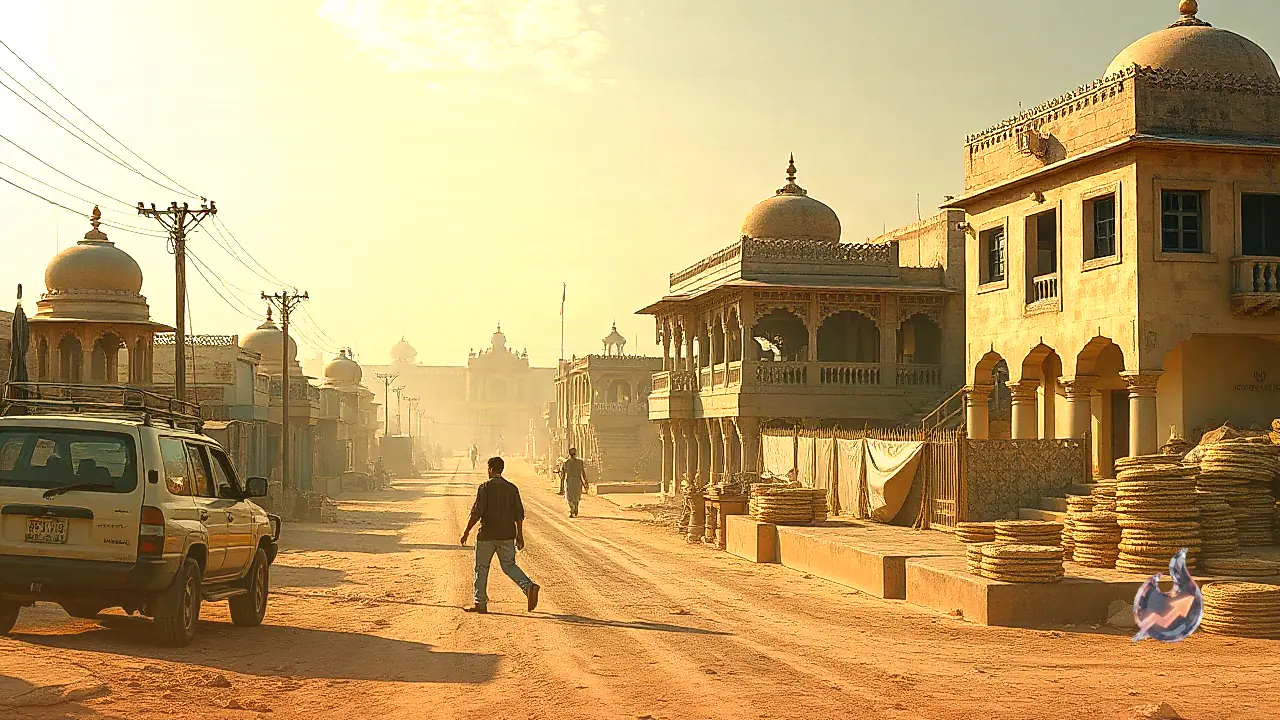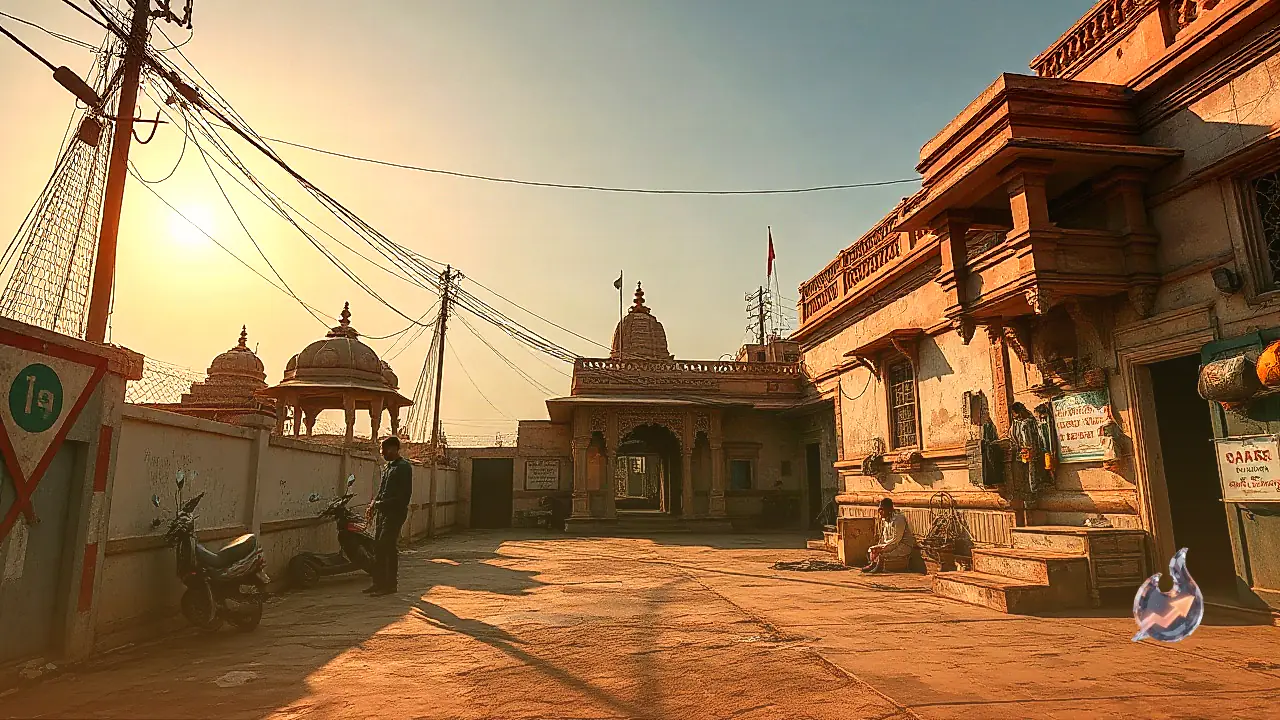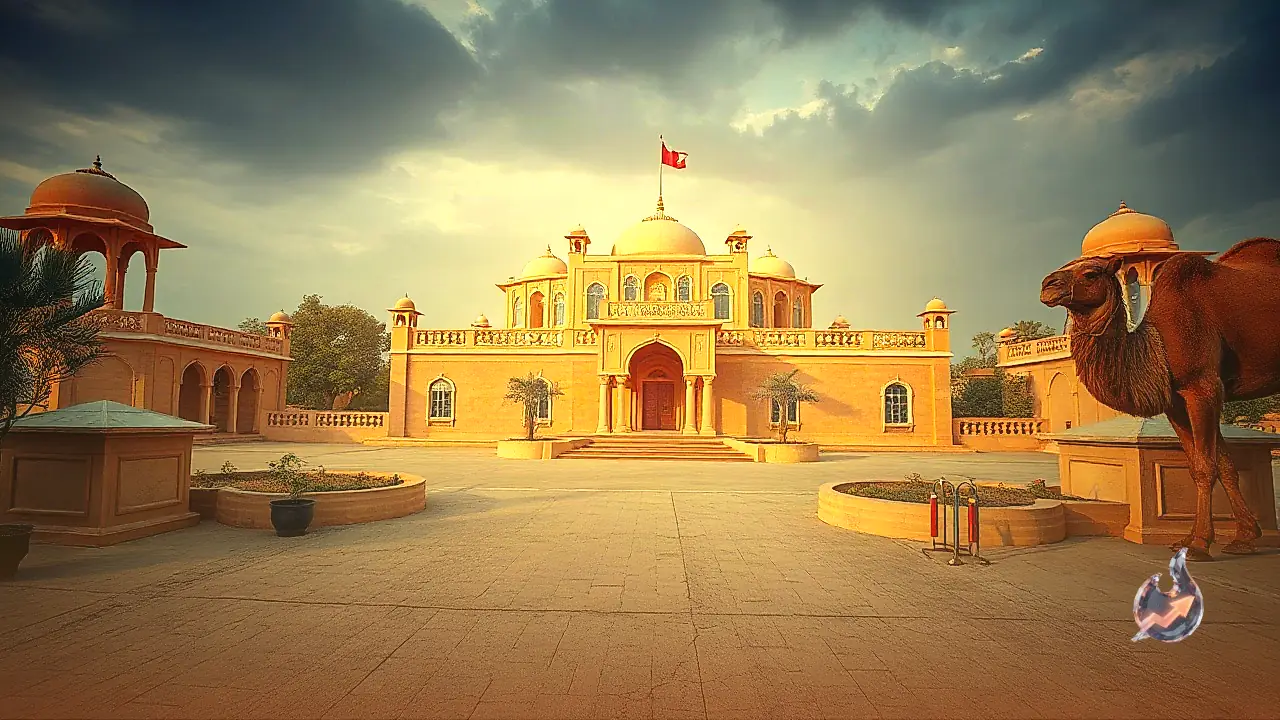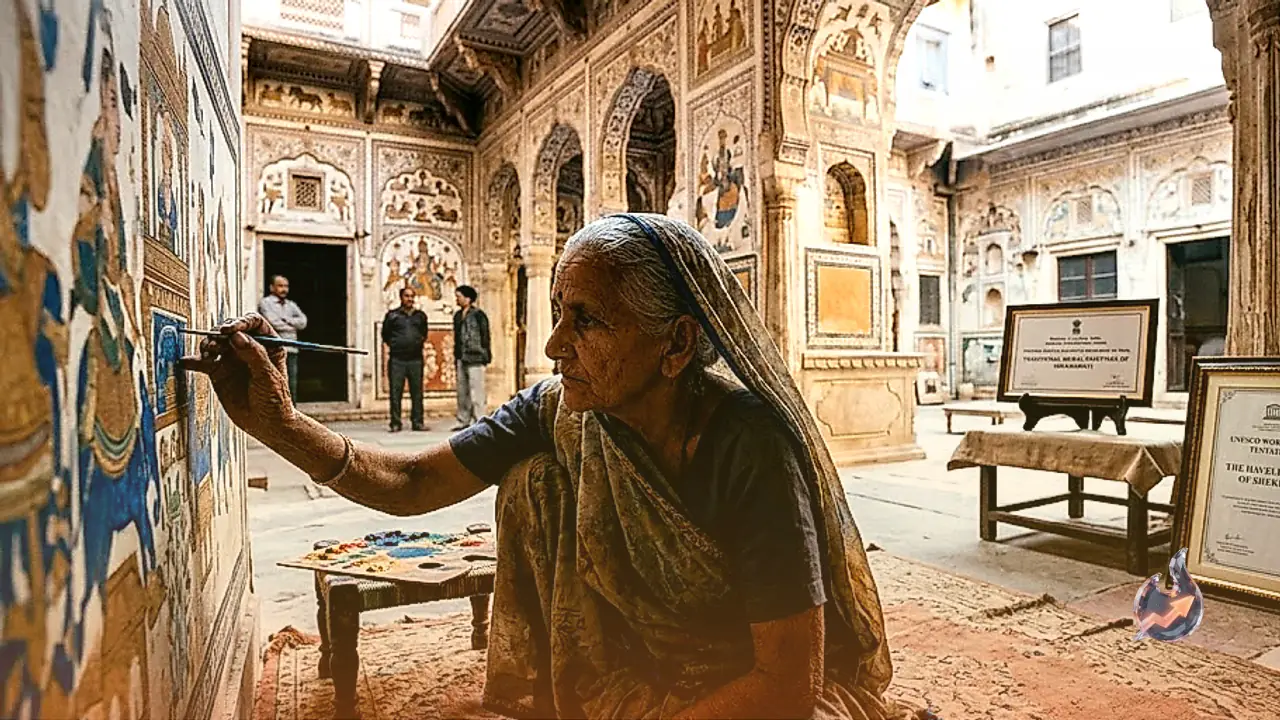

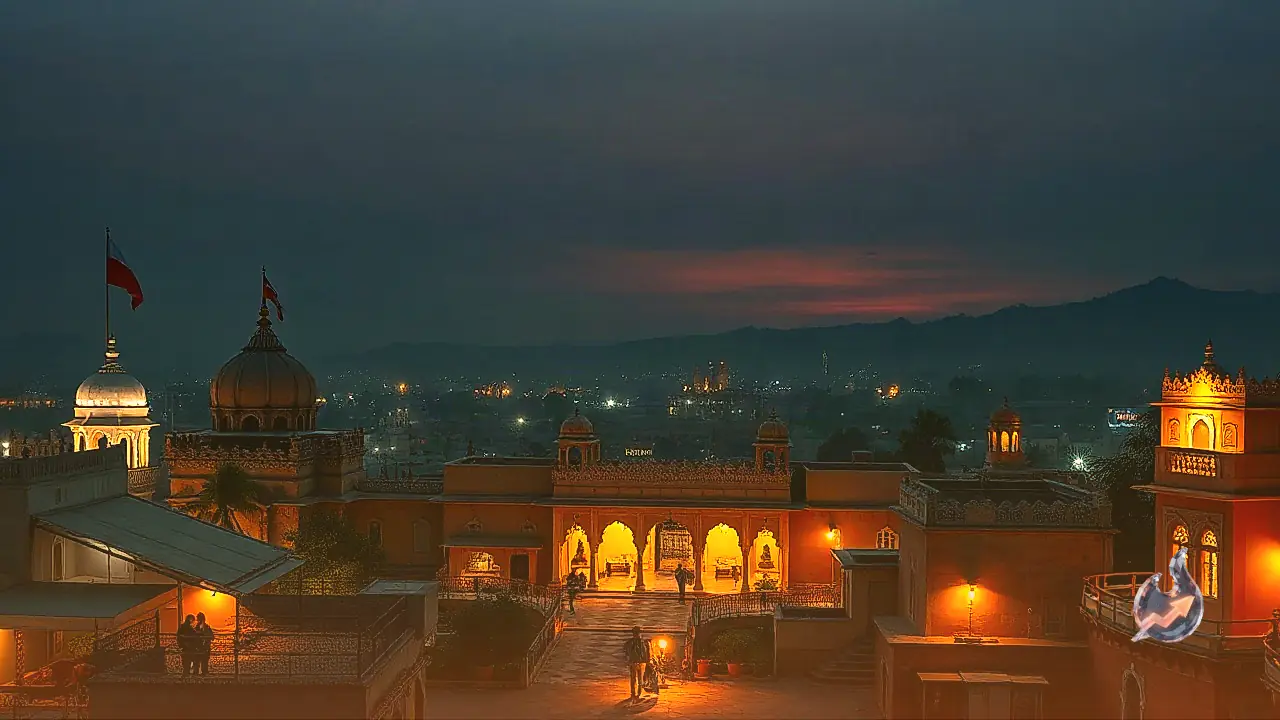
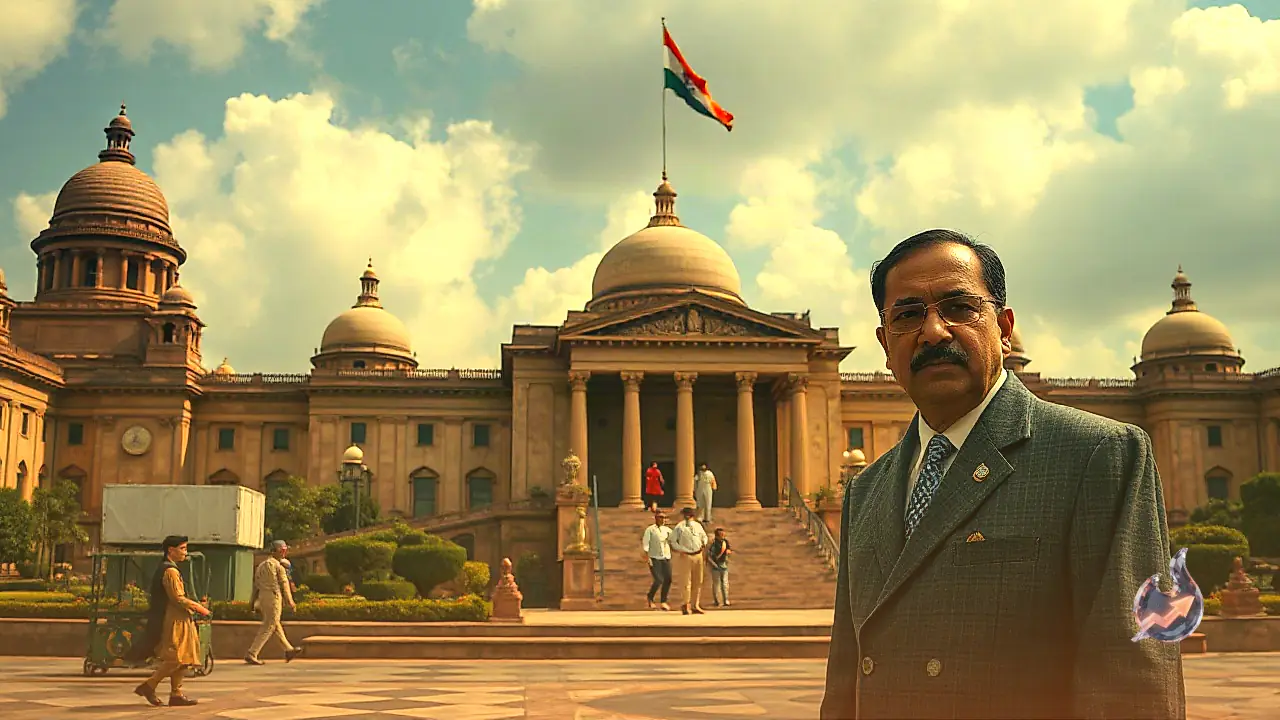














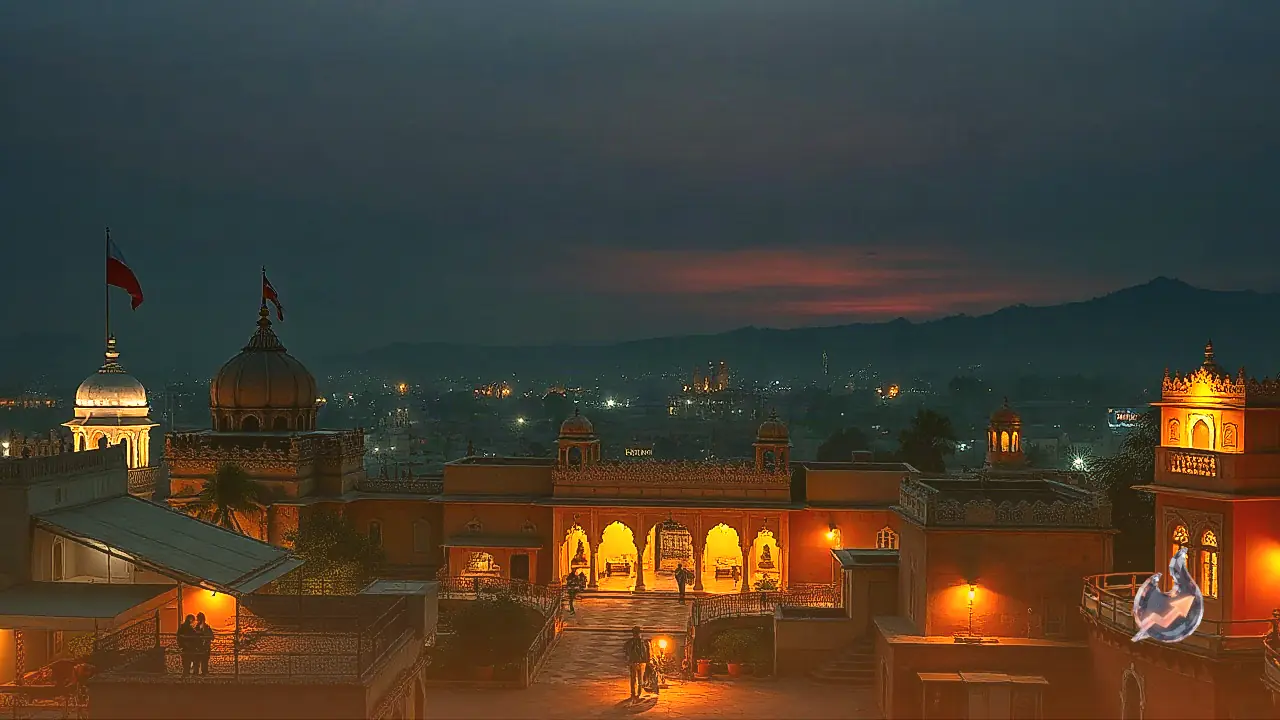

On the vibrant occasion of World Tourism Day, Rajasthan has transformed into a grand arena of cultural celebration, welcoming travelers with traditional warmth. The state's historic fortresses, royal palaces, and heritage museums are hosting domestic and international visitors with grand hospitality rooted in age-old Rajasthani customs. At iconic destinations such as Amer, Nahargarh, Hawa Mahal, Jantar Mantar, and Albert Hall, local artists are captivating audiences with energetic performances of Kalbelia, Kachhi Ghodi, Kathputli puppetry, and Bahrupia art. To mark this special day, entry to all state-protected heritage monuments has been made completely free for the public. However, beneath this festive atmosphere lie crucial statistics that highlight both the spectacular achievements of the state's tourism industry and the emerging challenges that lie ahead.
A Spectacular Resurgence in Visitor Numbers
Following the severe disruptions caused by the global pandemic, the tourism sector in Rajasthan has staged an extraordinary recovery. Statistical data reveals a staggering trajectory of growth over the last few years. In 2021, the state welcomed approximately 2.20 crore tourists. This figure rose dramatically to 10.87 crore in 2022, followed by a surge to 18.08 crore in 2023. The upward trend continued into 2024, with arrivals reaching 23.22 crore, and peaked at an unprecedented 25.44 crore in 2025. This represents an incredible eleven-fold increase in tourist volume in just a four-year span. In 2025 alone, domestic travelers accounted for the vast majority of this influx, numbering 25.25 crore. Conversely, international tourism presents a slightly concerning picture. Foreign tourist arrivals, which stood at 20.72 lakh in 2024, experienced a decline to 19.45 lakh in 2025. This contrast highlights that while local interest in Rajasthan's heritage has reached historic heights, attracting global vacationers remains a work in progress.
Popular Destinations and Shifting Preferences
Analyzing the specific choices of travelers reveals intriguing shifts in destination popularity across the state. In 2025, Jaisalmer Fort emerged as the single most popular landmark, drawing a massive 41.92 lakh domestic visitors. This was followed by the iconic Hawa Mahal in Jaipur, which recorded 18.24 lakh visitors, closely trailed by the majestic Amer Fort at 18.15 lakh, and the Udaipur City Palace, which hosted 15.23 lakh guests. Interestingly, while Jaisalmer Fort maintained its leading position, its domestic footfall actually saw a slight decrease from the 44.17 lakh recorded in 2024. In contrast, historical sites like Hawa Mahal and the historic Chittorgarh Fort experienced substantial increases in visitor numbers, indicating a changing pattern in how travelers are choosing to explore the desert state.
Economic Windfalls from Jaipur's Architectural Gems
The financial performance of historic monuments in the state capital of Jaipur has been exceptionally strong, showcasing the immense commercial potential of heritage tourism. During the first five months of 2025, five key monuments in Jaipur, namely Amer, Hawa Mahal, Jantar Mantar, Albert Hall, and Nahargarh, welcomed a combined total of 26.82 lakh tourists. These five sites alone generated a remarkable 22.51 crore rupees in revenue in just a five-month period. Among these, the grand Amer Fort proved to be the highest earner, contributing a substantial 11.06 crore rupees to the total collection. These figures clearly illustrate that ticketing and commercial activities around heritage properties continue to be vital drivers of economic growth for the state's treasury.
Government Initiatives and Diversification Strategy
Recognizing the need to expand beyond traditional fortress and palace tourism, the state administration is executing a comprehensive strategy to diversify its tourism offerings. A dedicated tourism development fund of 5,000 crore rupees has been established to fuel this expansion. By December 2025, funding of 276 crore rupees has already been approved to execute 88 distinct development projects. Furthermore, the state has implemented the New Tourism Policy 2025 and formed the Rajasthan Tourism Development Board to streamline operations. Significant emphasis is being placed on promoting film tourism and developing spiritual tourism circuits. Millions of rupees are being invested in upgrading infrastructure at revered religious destinations, including Khatushyamji, Karni Mata, and Malaseri Dungri. By December 2025, a total of 462 tourism projects had received official approval, which are projected to bring in investments worth 7,609 crore rupees and generate more than 22,000 employment opportunities across the state.
Addressing Challenges: Retaining Tourists and Expanding Infrastructure
While the surge in visitor numbers is highly encouraging, the primary challenge facing the tourism sector is not to simply attract more visitors, but to extend their length of stay. Key questions now center on how many days a tourist spends in the state, how much they spend during their visit, and whether they explore beyond the popular hubs of Jaipur, Udaipur, and Jaisalmer. The massive influx of visitors has also placed immense strain on local infrastructure, affecting parking facilities, sanitation, and overall crowd management. To ensure long-term sustainability, there is an urgent need to develop newer tourist circuits. Doing so will help distribute the financial benefits of tourism directly to local communities, folk artists, tour guides, and small businesses, ensuring that the economic gains of this boom are shared equitably.