




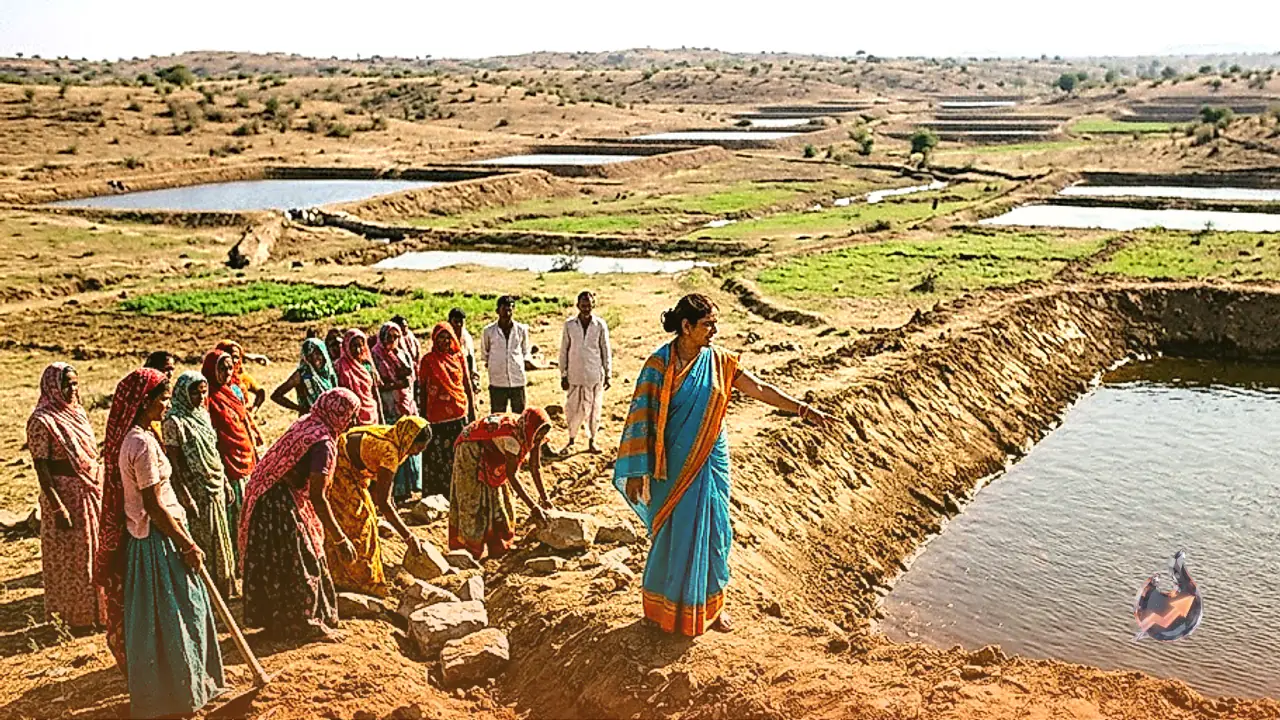















Residents of the Sambhar and Jobner areas in Jaipur long struggled with acute water shortages and heavy fluoride contamination in their groundwater. Facing daily hardships to secure safe drinking water, local villagers watched their resources deplete rapidly. However, a grassroots rainwater conservation movement spearheaded by a local farmer has begun to reverse this grim reality. Thirty-year-old Gayatridevi Yadav refused to accept the severe water crisis as an immovable obstacle and took it upon herself to find a practical solution by harvesting every drop of monsoon rain.
Starting at Home With a Single Farm Pond
Witnessing the continuous drop in the water table and the mounting distress across her community, she first focused on driving water conservation within her own household. She convinced her husband to build a pond on their farmland to meet their agricultural and domestic water needs. This modest initial effort planted the seeds for a much larger campaign. She began educating her neighbors, explaining that capturing rainwater in homes and fields instead of letting it run off wastefully could significantly alleviate their chronic water woes.
Mobilizing Over 700 Woman Farmers
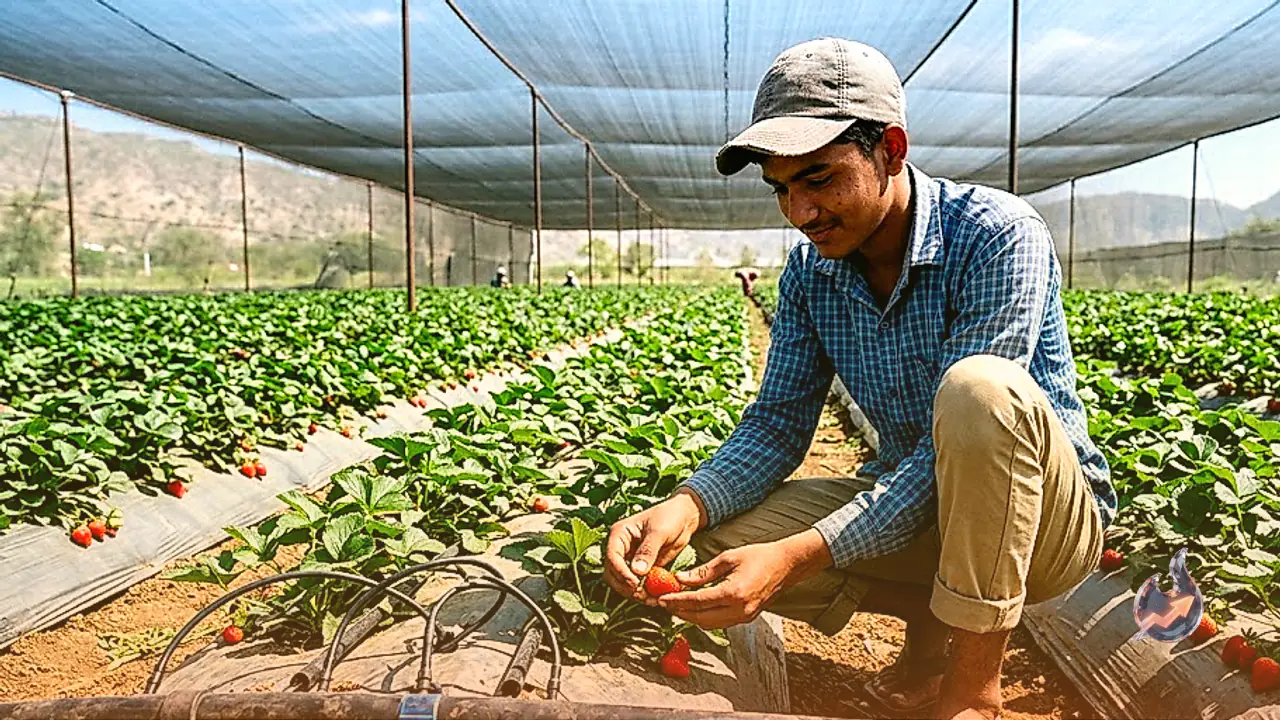
Partnering with social organizations and leveraging government schemes, she traveled from village to village to raise awareness among women and farmers about the importance of water storage. Her relentless outreach successfully brought over 700 woman farmers into the fold of her conservation drive. These women were encouraged to construct farm ponds on their lands. Once these reservoirs began collecting seasonal rainfall, they not only provided a reliable irrigation source for crops but also contributed actively to recharging the depleted groundwater table.
Combating Groundwater Fluoride With Pure Rainwater
High fluoride concentration in groundwater presented an enormous health and survival challenge for families across Sambhar and Jobner. To counter this, Gayatridevi expanded rainwater harvesting into a direct solution for drinking water access. She persuaded villagers to construct underground water tanks inside their homes to safely store clean rainwater. This provided numerous households with sweet, pure drinking water and drastically reduced the exhausting physical labor and time women spent walking long distances to fetch water.
Revitalizing Rural Livelihoods and Women Empowerment
She believes that water conservation is not merely about saving a natural resource but serves as a vital tool for transforming the rural economy and uplifting women's lives. The mini ponds built across fields gave farmers an invaluable opportunity to utilize seasonal precipitation effectively, creating a visible impact on local agriculture and rural lifestyles. Women are now freed from spending hours struggling for water, finding relief through readily available sources right at their farms and doorsteps.
National Recognition and a Growing Movement
Her extraordinary contributions toward water conservation and resource management earned her national recognition, including the prestigious President Award. What began as an individual initiative has now transcended single villages, spreading the vital message of rainwater harvesting through farm ponds, mini reservoirs, and household tanks across the Sambhar Lake and Jobner regions. A single woman's personal resolve has successfully blossomed into a massive grassroots water conservation movement uniting hundreds of families and more than 700 female farmers.