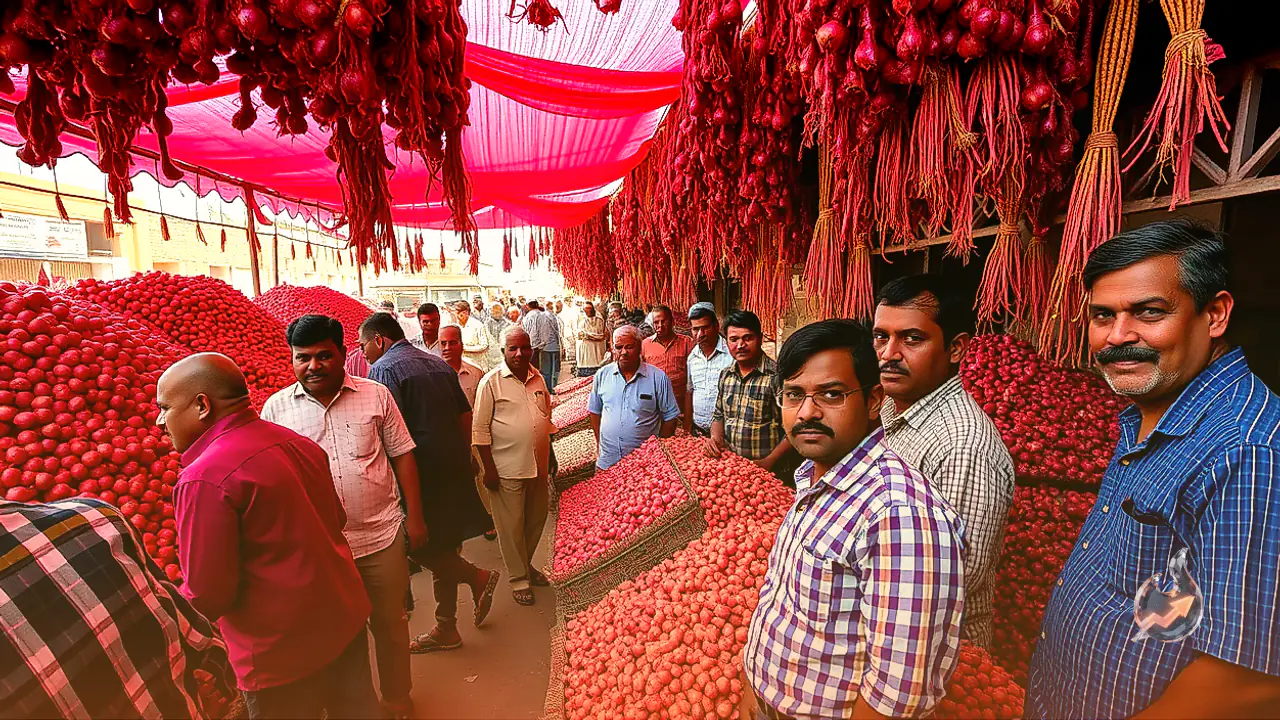























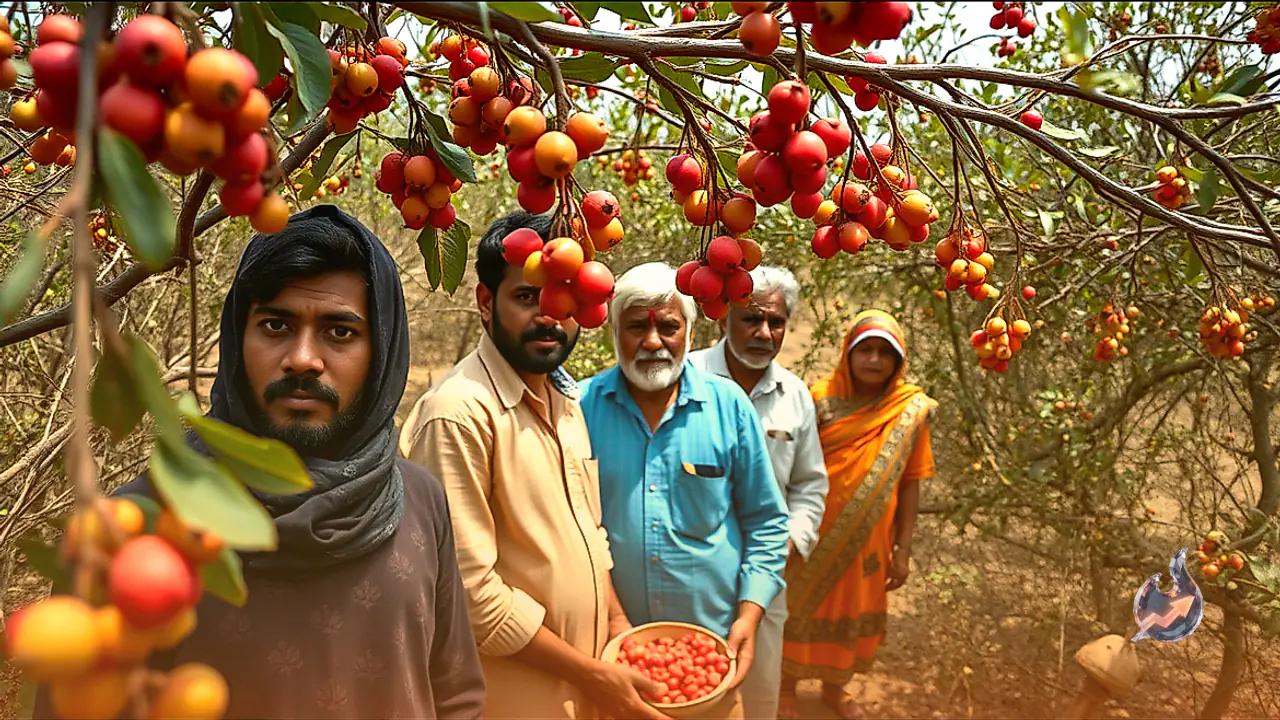

With the arrival of early winter, the rugged Dang tract of Karauli in Rajasthan undergoes a remarkable seasonal transformation. Across this landscape, wild thorny thickets become laden with small, tangy-sweet fruits known locally as ber, or Indian jujube. Frequently referred to among village folk as the apple of the forest, this native fruit grows entirely on its own amidst coarse terrain without any human intervention. It demands no sowing, no irrigation, and no protective agricultural care, standing out as an entirely uncultivated natural bounty that the wilderness provides freely to surrounding communities.
A Zero-Cost Forest Harvest Supporting Rural Life
The ripening period of these wild berries closely follows the celebration of Diwali, signalling the start of a multi-month harvesting season for village households living in and around the Dang woods. Residents venture into the bush to gather fresh produce that requires zero monetary expenditure or farm preparation. This sweet and sour seasonal fruit quickly turns into a cherished household snack, relished across all age groups from school-going children to elderly villagers who appreciate its nostalgic and natural flavour profile.
Beyond human consumption, these resilient thorny bushes serve as an indispensable pillar of the local natural habitat. Countless wild birds and grazing animals rely heavily on the berries as a vital, easily accessible nutrition source through the onset of winter. As the harvest peaks, demand for these wild jujubes spills over into town squares and rural weekly bazaars. Villagers frequently gather surplus yields to sell locally, securing a modest seasonal cash supplement entirely derived from wilderness foraging without any input costs.
Deep Links to Ramayana Folklore and Traditional Worship
The prominence of ber stretches far beyond its culinary value, maintaining a deeply revered status across Indian devotional heritage. In Hindu tradition, the fruit is inextricably tied to the epic Ramayana through the narrative of devotee Shabari and Lord Rama. According to scriptural lore, Shabari presented handpicked sweet jujubes to Rama, who willingly and joyfully accepted her offering. This legendary exchange transformed the modest wild fruit into an enduring emblem of unpretentious devotion, profound hospitality, and selfless spiritual dedication.
Ceremonial rituals frequently reserve a sacred place for these winter berries. Pandit Dheeraj Sharma, an astrologer, explains that ber commands notable significance across astrological assessments and religious ceremonies. Observances such as Dev Uthani Ekadashi and various other seasonal pujas feature these fruits as an auspicious offering to deities. Local customs maintain that presenting ber during devotional rites brings auspicious blessings, reinforcing the timeless cultural respect anchored in the ancient lore of Shabari and Rama.
Nutritional Value Packed Beneath a Modest Skin
Alongside its cultural reverence and pleasing taste, the Indian jujube is recognized as a nutritional powerhouse readily provided by native flora. The fruit carries substantial concentrations of dietary fibre alongside vital minerals and vitamin C. Incorporating these berries into one's everyday balanced diet delivers gentle nourishment without synthetic additives or heavy calories, making it an ideal natural food for the winter months.
The dietary fibre present in wild ber plays a functional role in supporting gastrointestinal regularity and overall gut well-being. Furthermore, the rich vitamin C content serves as an essential contributor to normal immune functioning, aiding the body's natural defences during seasonal transitions. In this manner, the humble thorny patches of the Karauli wilderness deliver an exceptional combination of cultural meaning, ecological balance, and tangible nutritional support to the people of the region.