



















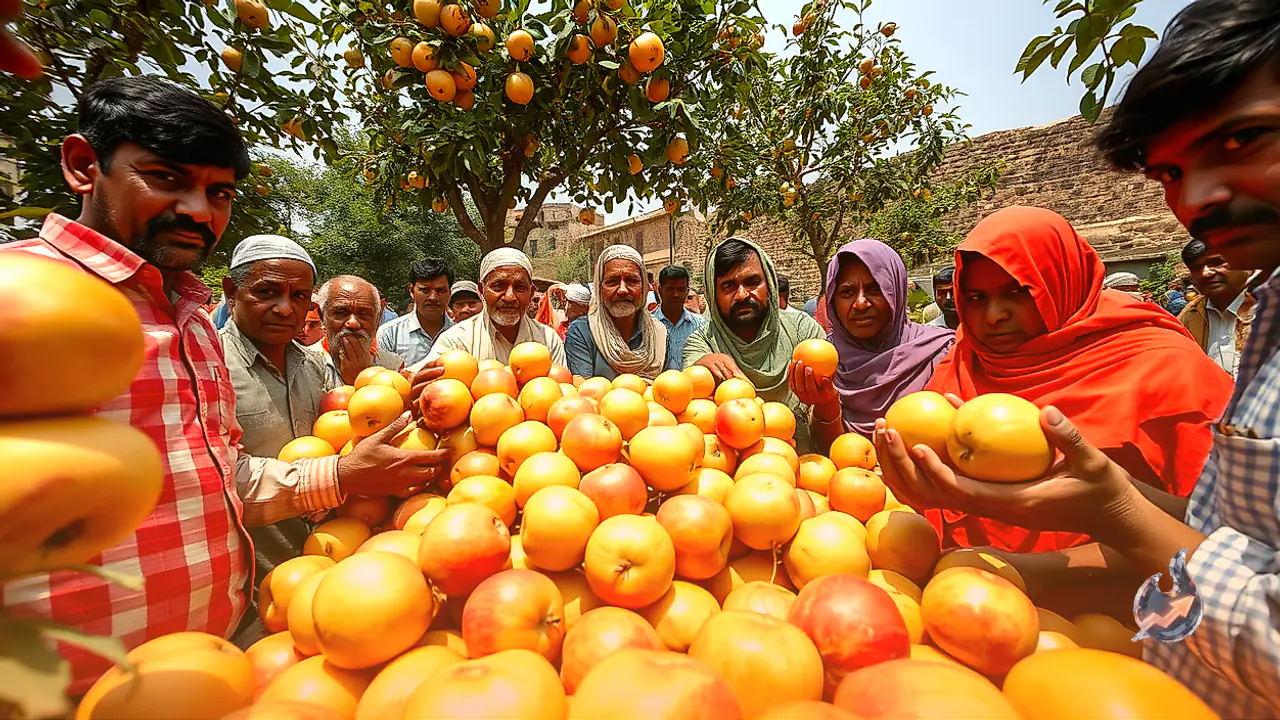

The historical Chittorgarh Fort in Rajasthan, world renowned for its architectural grandeur, valor, and rich heritage, is currently drawing attention for its unique seasonal produce. Beyond its historic monuments, the sprawling fortress complex is widely celebrated across India for producing an exceptionally sweet variety of custard apples. Known locally as Sitafal, these fruits grown around the fort possess a distinct taste and rich flavor that sets them apart from custard apples cultivated in other regions. As a result, the fruit is witnessing immense demand among domestic shoppers and visiting tourists alike.
A 13-Kilometer Natural Belt Growing Without Human Intervention
Spread over a massive perimeter of approximately 13 kilometers, various sections of the Chittorgarh Fort have hosted naturally occurring custard apple trees for several centuries. One of the most fascinating aspects of this harvest is that none of the custard apple trees inside the fort complex were planted by human effort. Instead, these trees have grown organically in the wild for generations, expanding their coverage naturally over time. Today, this self-sustaining ecosystem continues to thrive across the fort grounds, producing high-quality custard apples without artificial farming techniques or commercial cultivation practices.
Coinciding Peak Tourism and Prices Ranging From Rs 100 to Rs 150
The current custard apple harvesting season at Chittorgarh Fort has reached its peak, with the fruit selling in local markets at prices ranging between Rs 100 and Rs 150 per kilogram. This seasonal harvest aligns perfectly with the peak winter tourism period, bringing a heavy influx of both Indian and international tourists to the heritage destination. Visitors arriving to explore the fortress eagerly purchase the locally harvested fruit, creating a booming sales environment for local fruit vendors and small scale shopkeepers situated along the fort premises.
Lower Rainfall Impacts Yield but High Orchard Contracts Ensure Profitability
Addressing the current market dynamics, local fruit merchant Ashok Rajora explained that the region experienced below-average rainfall this season, which led to a slight decline in total custard apple production. However, despite the lower yield, strong consumer demand has kept market prices elevated, ensuring favourable returns for sellers. Ashok Rajora further noted that orchard contracts were awarded at higher rates this year compared to previous seasons. Thanks to the steady high prices, both contract holders and retail vendors are still on track to earn their expected profits. Ultimately, the custard apple has grown beyond a simple seasonal treat to become a sweet symbol of the legendary Chittorgarh Fort.