



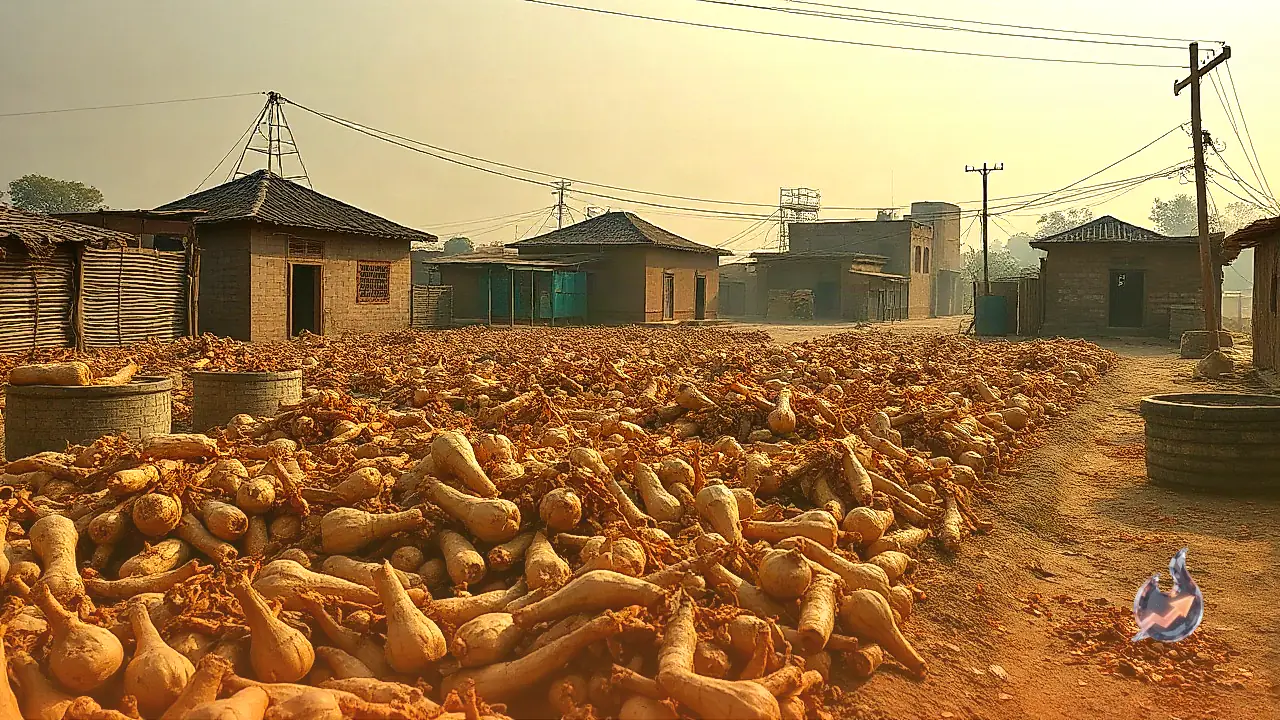
















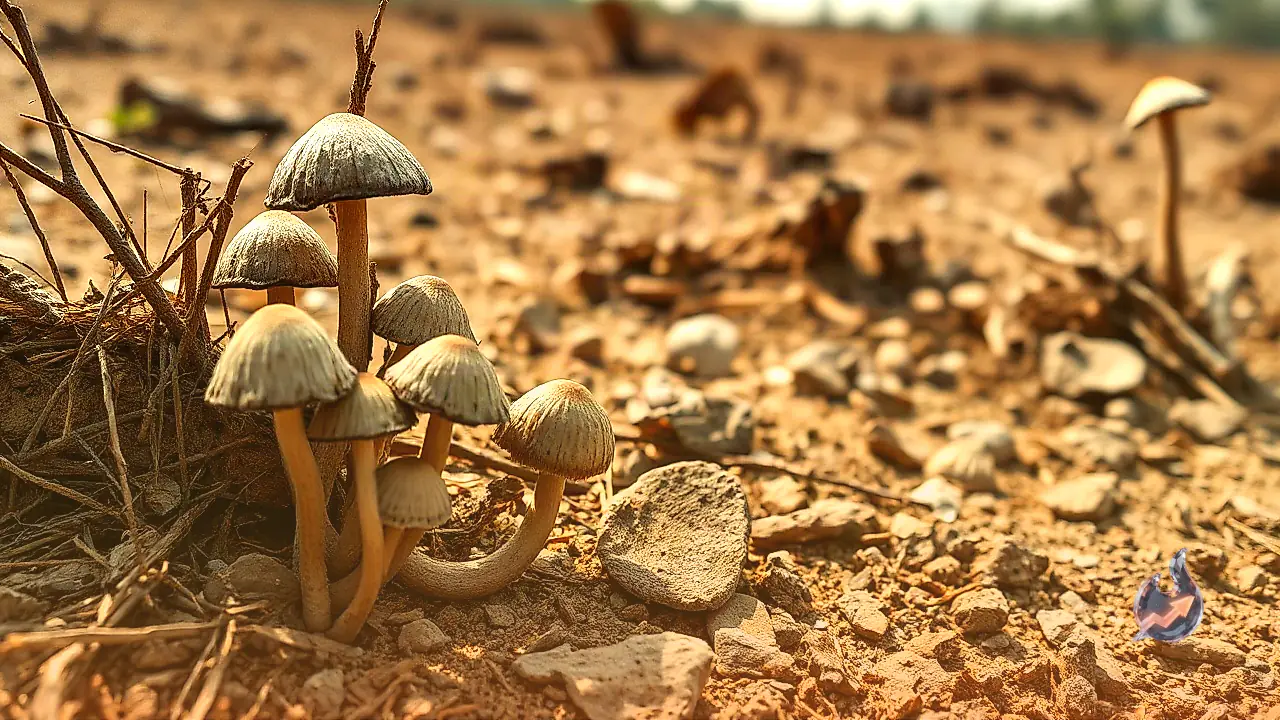

In Barmer district of western Rajasthan, where a shortage of water is usually the single biggest obstacle to farming, the monsoon season turns barren fields into an unlikely source of income. Along this desert stretch bordering Pakistan, a wild mushroom that grows on its own in the fields is currently selling for close to Rs 600 a kilo. Villagers head out to the fields early each morning, gather the mushrooms and carry them straight to market, earning a decent sum without much effort.
Nearly a tonne sold every day, and why prices are up this year
The scale of demand in Barmer city says a lot: roughly 1 tonne of the mushroom is sold there every single day. This year, though, the monsoon has not been kind, and that has cut into the natural yield coming out of the fields. With less of the mushroom on offer, prices have climbed compared with a normal season. Local traders say the mushroom's arrival in the market tracks soil moisture closely, rising whenever the fields stay damp, but this year's patchy rain has kept supply limited.
Rich in nutrients, low in calories and fat
Dr Ramesh Dhande, deputy director at an Ayurveda college, says the mushroom is packed with nutrition. It contains protein, calcium, fibre, vitamins and several essential minerals, he explains. According to Dr Dhande, its calorie and fat content stays comparatively low, which is why it is considered a genuinely healthy food to include in everyday meals.
Dried powder sells for Rs 2,500 a kilo, said to speed bone healing
The dried powder made from the mushroom is valued in its own right. It is believed that mixing the powder with butter and eating it helps a sprain or a broken bone heal faster, and that belief has helped push the price of the dried powder to around Rs 2,500 a kilo. In everyday use it is simply called mushroom, while in scientific terminology it is referred to as Florian. Through the rainy season, rural households gather it and sell it on, turning land that would otherwise sit unused into a genuine source of income.
Mushrooms appear in the fields as soon as it rains
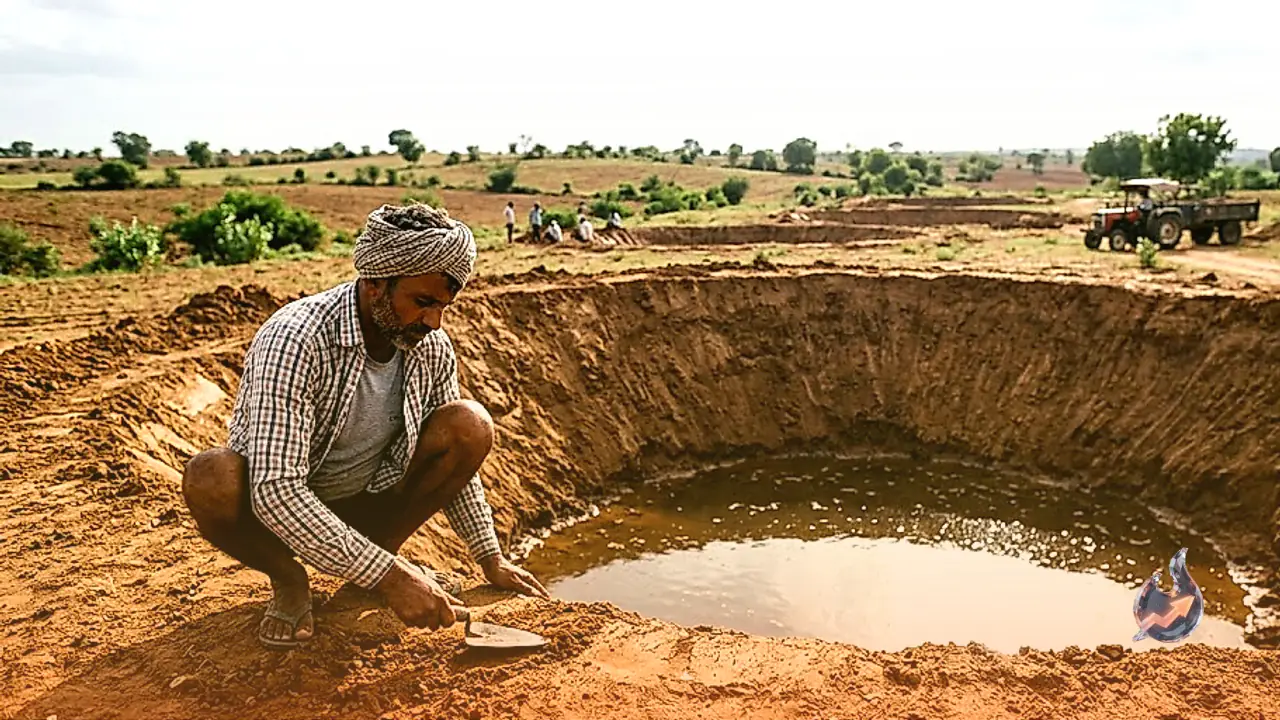
Bhagwaram Jaipal, a resident of Jaisindhar, has been trading in this mushroom for a long time. As he puts it, "once it rains, mushrooms start coming up in the fields on their own." Every morning Bhagwaram heads out to the fields, collects the mushrooms, and sells the harvest in the market the same day. Right now he is getting between Rs 500 and Rs 600 a kilo. He says the trade brings his family extra income through the monsoon months, and with Barmer city's daily demand holding at around a tonne, small traders across the area are seeing a direct benefit too.