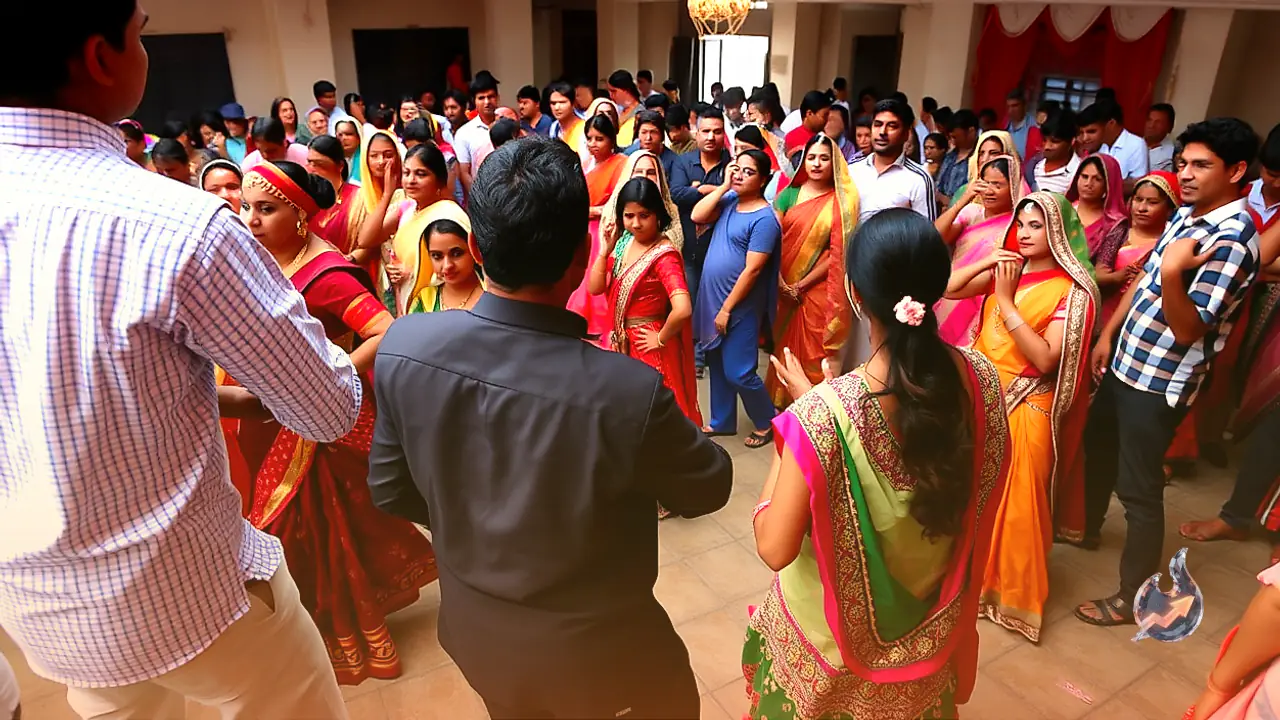



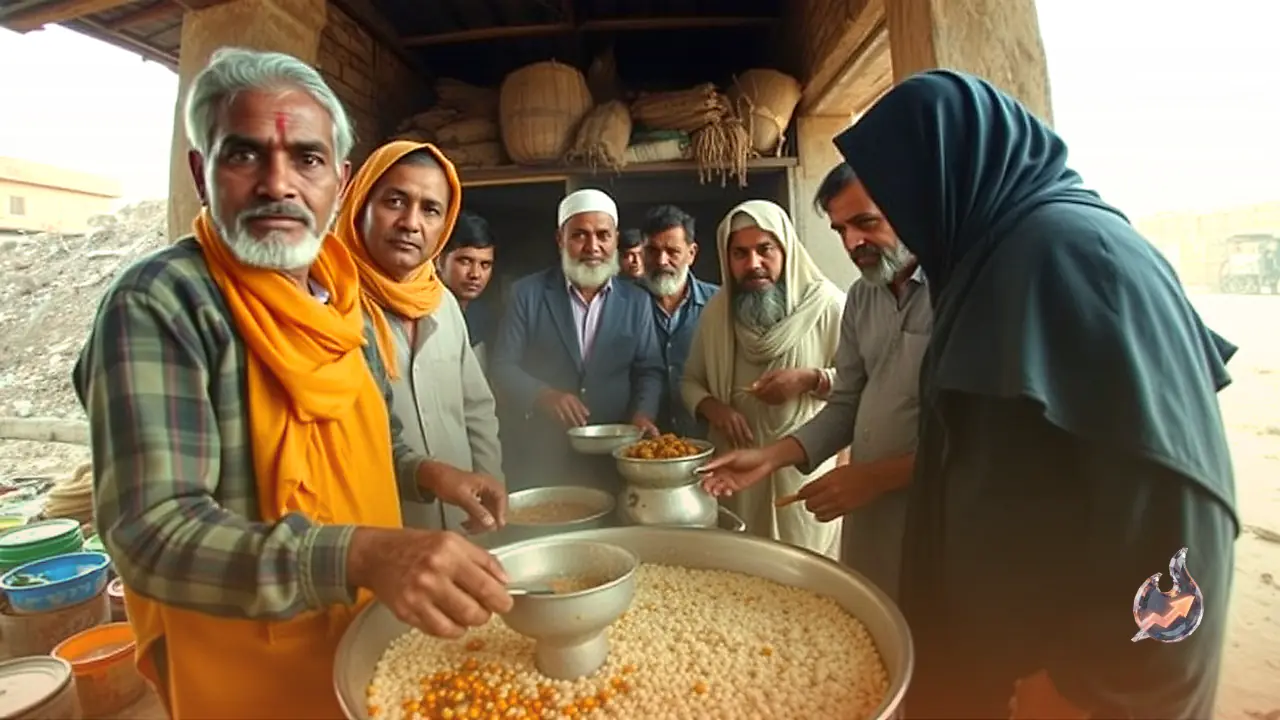
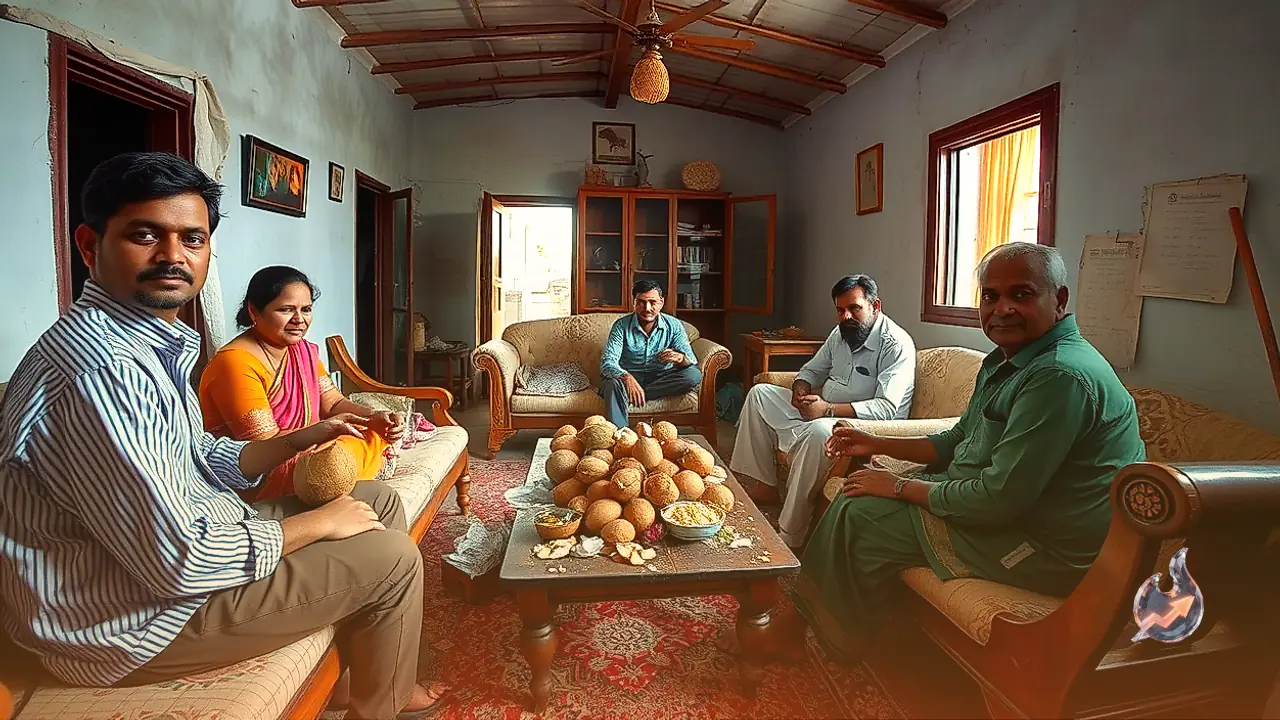
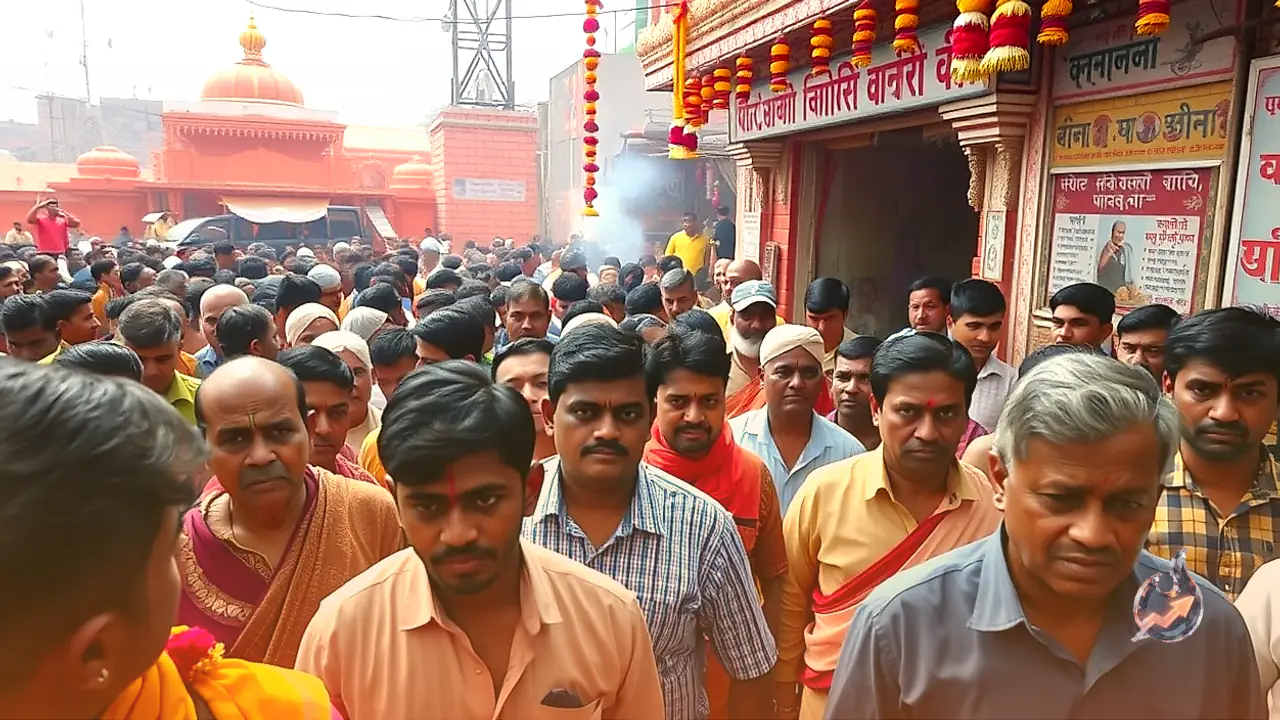














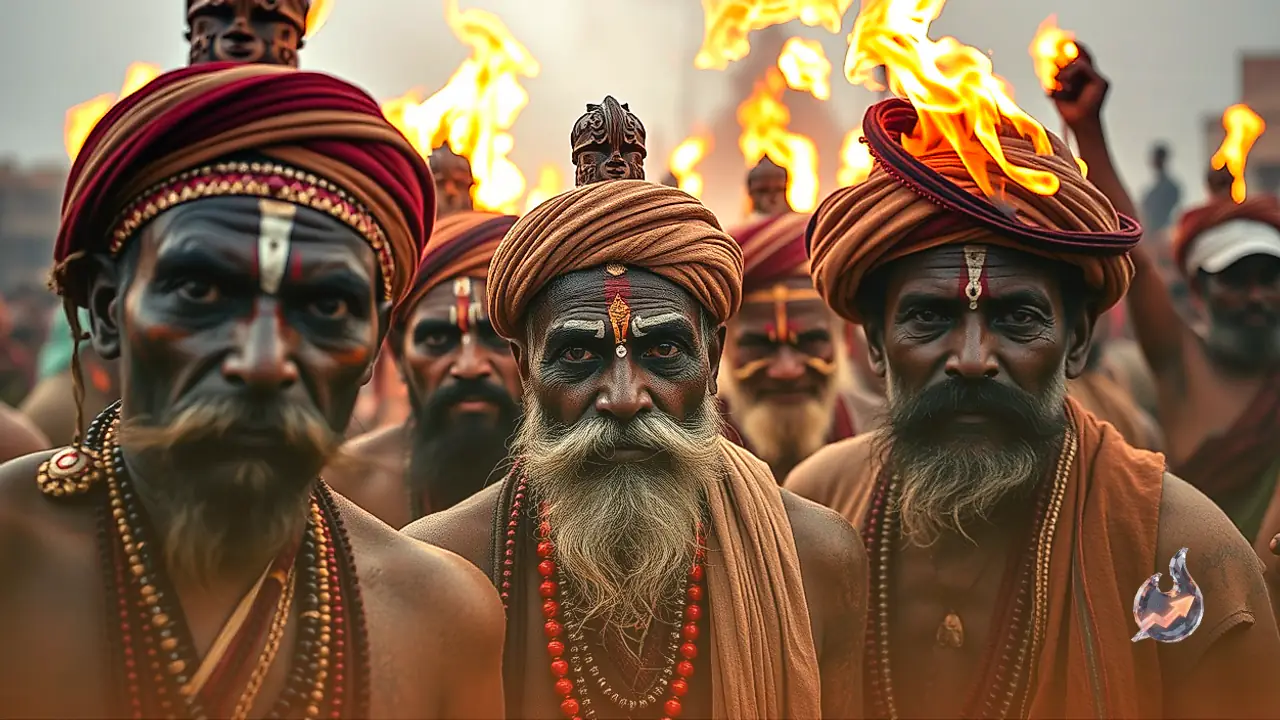

In the Mewar region of Rajasthan, the centuries-old tradition of Gavri is far more than an ordinary folk theater or community dance. It represents an intense spiritual discipline where performers undertake demanding vows to honor their deities. The performances continue to draw immense curiosity from local villagers as well as travelers arriving from distant locations. Over a span of 40 days, the participating artistes live away from their households and observe rigid personal restrictions. The culmination of this entire spiritual commitment arrives during the closing stages known as Gvalan and Valavan, where the performers undergo a trial by fire that stands as one of the region's most captivating sacred customs.
Forty Days of Strict Dietary Rules and Bodily Discipline
Those who join the Gavri troupe take on commitments that resemble an extended penance. During the entire 40-day timeline, participants strictly avoid consuming any green vegetables. They completely abstain from meat, alcohol, and every form of intoxicant. Their physical austerity is so demanding that they do not wear shoes, sandals, or any footwear at all for the entire forty days, walking barefoot through every routine. Maintaining strict physical and emotional distance from their homes and families, they observe an entirely austere routine. Only after finishing these arduous forty days of uncompromised discipline does the collective move toward the farewell proceedings designated as Valavan.
All-Night Vigils and Seeking Sanction at the Village Shrine
Prior to initiating the concluding Valavan formalities, the community organizes an elaborate nighttime vigil. Devotional hymns and chants honoring the deities echo through the entire night, creating a deeply reverent environment across the locality. With the arrival of dawn, the performers assemble together and walk toward the primary shrine of their host village. At the temple, they conduct special prayers before Lord Shiva and Goddess Parvati to seek spiritual permission to move forward with the concluding rites. This moment of prayer marks a highly emotional milestone for both the troupe and the observing crowd.
The Trial by Fire Amidst Blazing Cotton Wicks
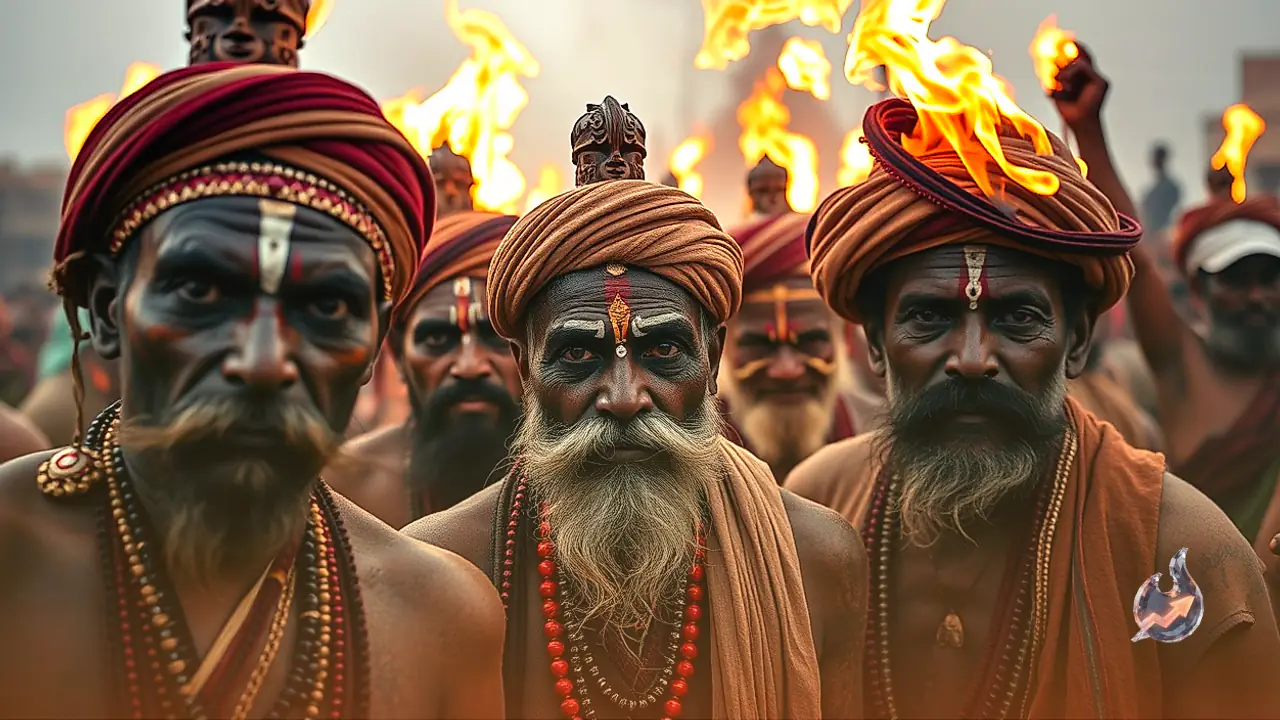
Once divine approval is sought, the most gripping portion of the ritual begins in the open. Huge earthen lamps are arranged with exceptionally large cotton wicks and set ablaze. The artistes move dynamically around these towering, blazing wicks, twisting their bodies close to the flames to demonstrate their spiritual dedication. According to longstanding local convictions, if the blaze or heat touches or burns an artiste during this demonstration, it is interpreted as an indication of some lapse or mistake committed during the preceding 40 days of penance. Nevertheless, through believed divine benevolence, performers generally emerge from this ordeal without suffering burns or physical injury.
The Earthen Elephant and the Final Immersion at Water Bodies
Following the successful conclusion of the fire ritual, the Valavan sequence proceeds into the next morning. For this ceremony, an elaborate elephant crafted entirely out of clay is prepared. The troupe performs traditional rituals honoring Lord Shiva and Goddess Parvati before this earthen elephant. As soon as the religious ceremonies conclude, the performers proceed in a musical procession toward a sacred local river or lake. It is beside these waters that the arduous 40-day religious journey reaches its final closure.
Mythological Roots and Cultural Preservation Across Generations
The theatrical narratives presented in Gavri revolve primarily around stories concerning Lord Shiva and Goddess Parvati. Artistes disguise themselves in distinct mythic characters to bring folklore and sacred lore alive before gathered public audiences, securing Gavri's position at the core of Mewar's cultural heritage. Cultural scholar Shrikrishna Jugnu notes that this sacred custom has endured across Mewar for hundreds of years without interruption. Even as modern lifestyle patterns transform surrounding societies, the foundational essence of Gavri and the rigorous commitment of its performers remain unchanged. Only after the Valavan rites reach full completion do the performers return to their homes, reaffirming the profound identity of this ancient regional tradition.