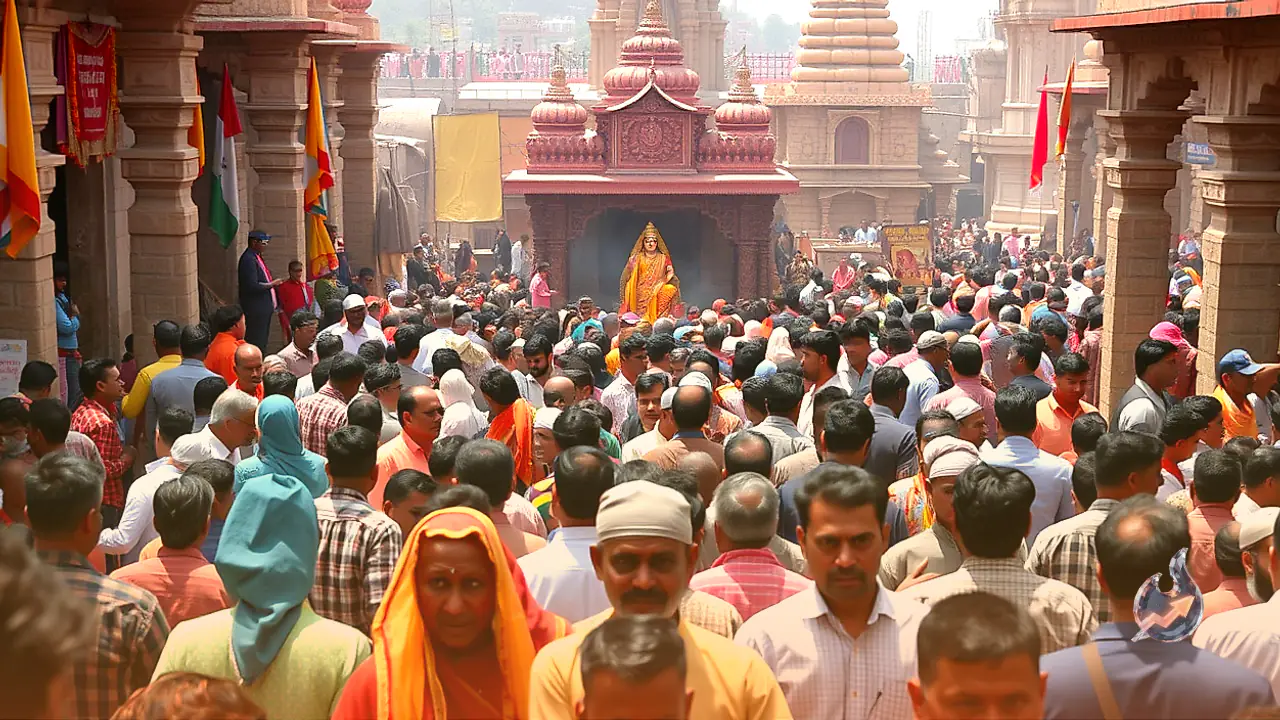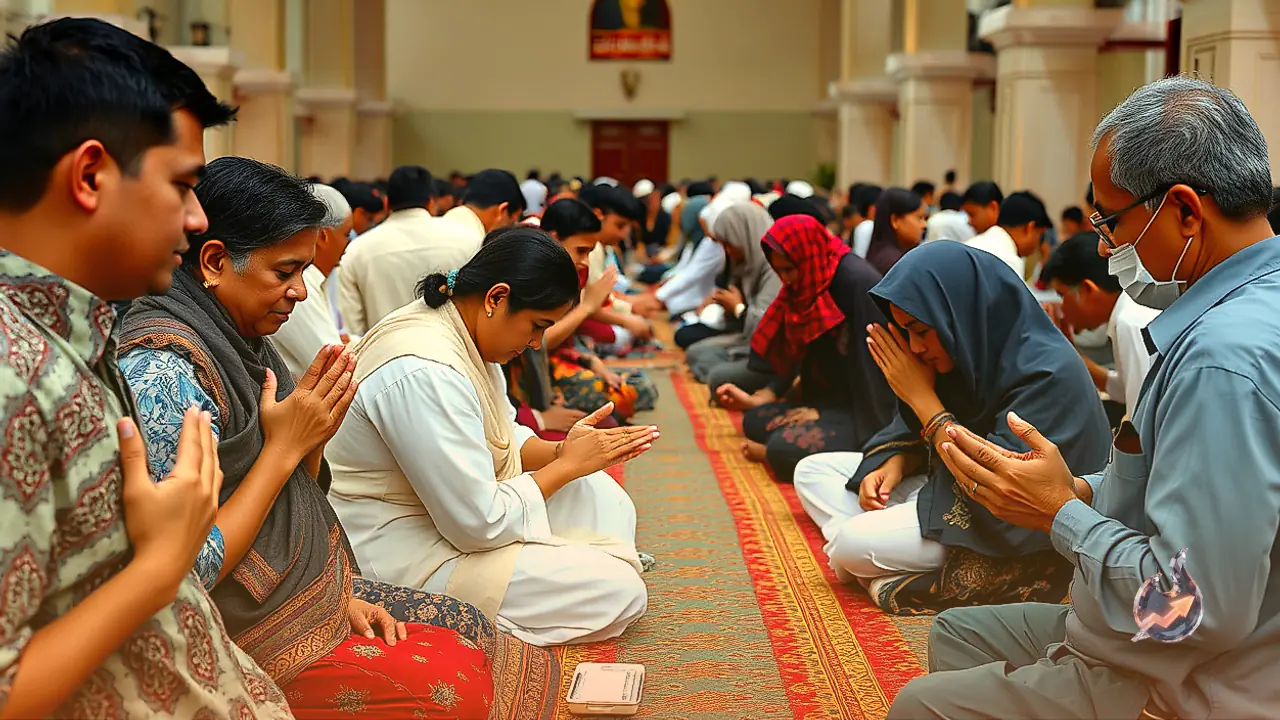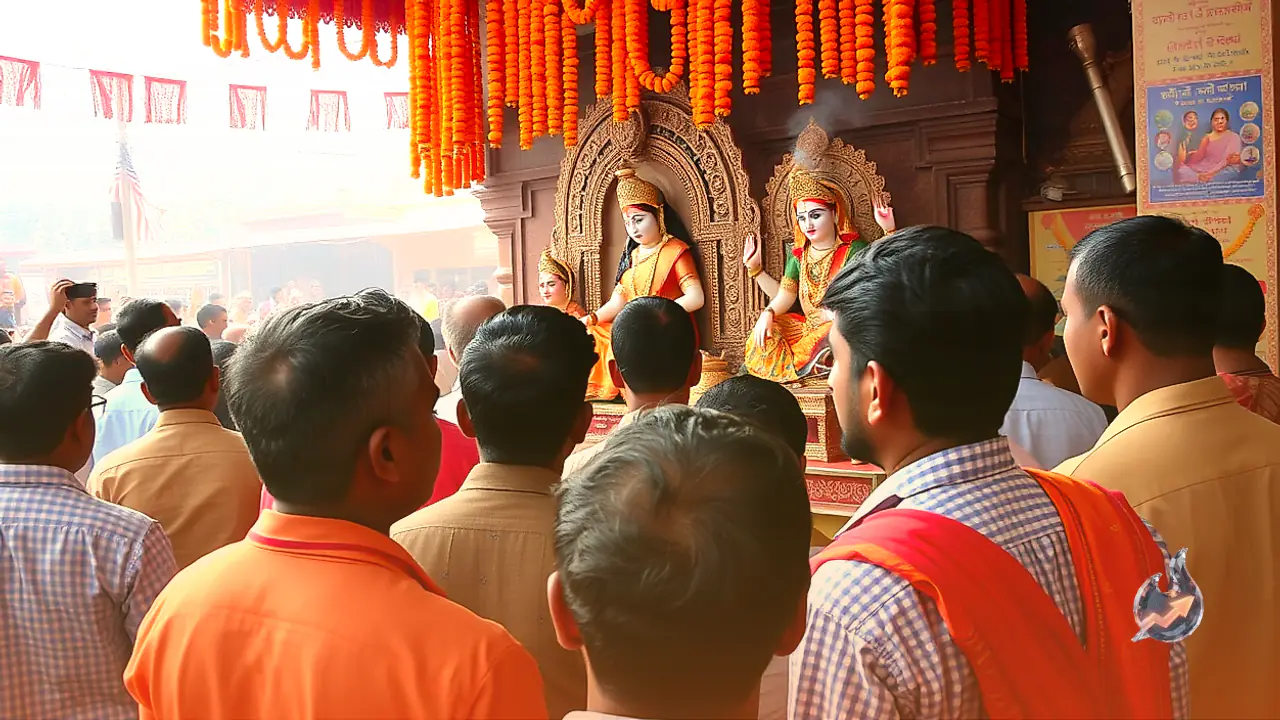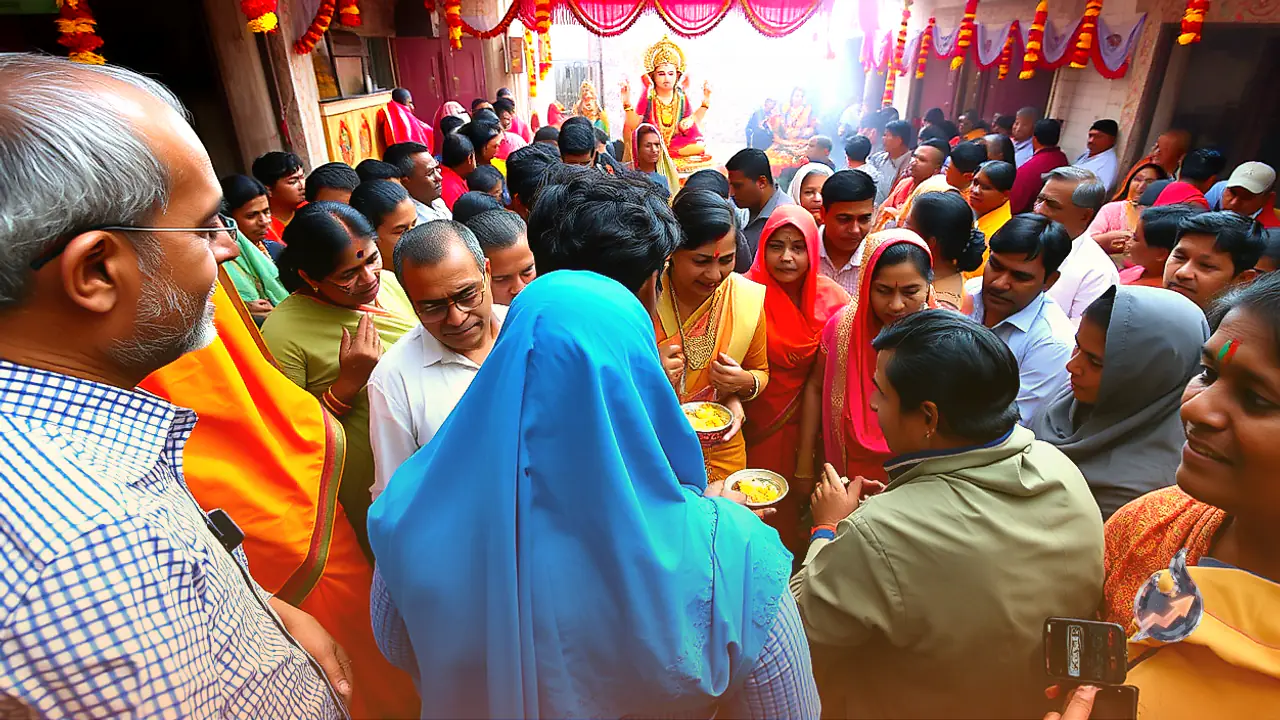























The arrival of Indira Ekadashi during the dark fortnight of the Ashwin month marks an exceptionally sacred juncture in the traditional calendar, primarily due to its placement within the fortnight of the ancestors, Pitru Paksha. On 6 October 2026, the observance of this holy date alongside a Tuesday fast creates a potent spiritual alignment. Devotees dedicate this day to propitiating Lord Vishnu and conducting tarpan rituals for departed forebears, while simultaneously observing rituals dedicated to Lord Hanuman. Following the widely accepted Udaya Tithi rule, the fast is observed on this date, presenting an integrated occasion to seek blessings from Lord Vishnu, ancestral spirits, and Hanuman all at once.
Spiritual Merits of Indira Ekadashi and Ancestral Deliverance
Scriptural tradition accords exceptional prominence to Indira Ekadashi for granting spiritual peace and liberation to deceased ancestors. Belief holds that observing a complete fast on this day, coupled with shraddha, tarpan, and dedicated charitable donations of food and clothing, liberates forefathers from painful after-death torments and low spectral realms. It is regarded as an efficacious avenue for guiding departed souls toward liberation. According to astrological calculations, the Ekadashi tithi commences late in the night at 2:07 AM on 6 October and concludes at 12:34 AM on 7 October. Because the tithi prevails at sunrise on 6 October, the primary religious observances and fasts are designated for this entire day.
Tuesday Fasting Rules and Devotion to Lord Hanuman
In astrological and devotional lore, Tuesday remains linked to Lord Hanuman and the celestial influence of Mars. Observing devotees begin the day with a morning cleansing bath, donning fresh garments, and taking a formal vow of fasting before the deity. Standard offerings to Lord Hanuman include vermilion, jasmine oil, red flowers, jaggery, and roasted gram. Recitations of the Hanuman Chalisa and the Sundarkand are highly commended as spiritual remedies for inner strength. Throughout the day, continuous remembrance and chanting of Lord Rama's name forms an essential part of the ritual. In the evening, lighting a lamp and performing a devotional aarti at a local shrine concludes the worship cycle.
Remedies for Planetary Influences and Mangal Dosha
From an astrological perspective, individuals whose natal charts reflect a debilitated or afflicted Mars can draw considerable relief from Hanuman worship on this specific weekday. Engaging in sincere prayers, distributing red-colored articles, and providing tangible support to people in need are believed to soften the malefic impact of Mangal Dosha. Strengthening the positive vibrations of Mars fosters courage, resolves chronic delays, and mitigates discord. Consequently, the mutual occurrence of Indira Ekadashi and the Tuesday fast serves as a comprehensive spiritual platform to honor ancestors, balance planetary influences, and seek protective grace.
Panchang Parameters for 6 October 2026
The astronomical configuration reveals that the Ekadashi tithi of Ashwin Krishna Paksha remains active until 12:34 AM on 7 October. Regarding constellations, Ashlesha Nakshatra extends until 10:17 PM, after which Magha Nakshatra takes over. The governing karana begins with Bava Karana until 01:19 PM, shifting thereafter to Balava Karana until 12:34 AM on 7 October. In terms of yogas, Siddha Yoga continues until 07:20 AM, giving way to Sadhya Yoga until 05:00 AM on 7 October. The moon resides in Cancer before progressing into Leo. The planetary travel taboo, Dishashool, lies towards the north direction. Moonrise is registered at 02:53 AM on 7 October. Furthermore, Shivavas rests upon Mount Kailash until 12:34 AM on 7 October, before moving to Nandi.
Schedule of Auspicious Timings and Sacred Periods
Undertaking virtuous deeds, prayers, and significant endeavors during favorable cosmic windows is recommended to maximize positive outcomes. The auspicious timings for the day are scheduled as follows
- Brahma Muhurat: Active from 04:39 AM to 05:28 AM in the pre-dawn hours.
- Abhijit Muhurat: Available from 11:46 AM to 12:33 PM (with another calculation spanning 11:51 AM to 12:38 PM).
- Vijaya Muhurat: Spans from 02:07 PM to 02:54 PM during the afternoon.
- Godhuli Muhurat: Extends through the twilight from 06:02 PM to 06:27 PM.
- Nishita Muhurat: Falls during the midnight period from 11:46 PM to 12:35 AM on 7 October.
- Amrit Kaal: Scheduled from 08:44 PM to 10:16 PM (also recorded until 10:17 PM).
- Sarvartha Siddhi Yoga: Operating across the day from 06:17 AM until 10:17 PM.
Inauspicious Windows to Avoid
Traditional astrological practice advises refraining from starting fresh initiatives or major undertakings during afflicted planetary hours. Key windows to be mindful of include
- Rahu Kaal: Spans from 03:06 PM to 04:34 PM (and noted between 3:10 PM and 4:38 PM).
- Yamaganda: Positioned in the morning from 09:14 AM to 10:42 AM.
- Gulik Kaal: Extends across the early afternoon from 12:10 PM to 01:38 PM (also recorded from 12:15 PM to 1:42 PM).
- Durmuhurat: Occurs in the morning between 08:38 AM and 09:25 AM.
- Varjyam: Spans midday from 11:29 AM to 01:02 PM.