
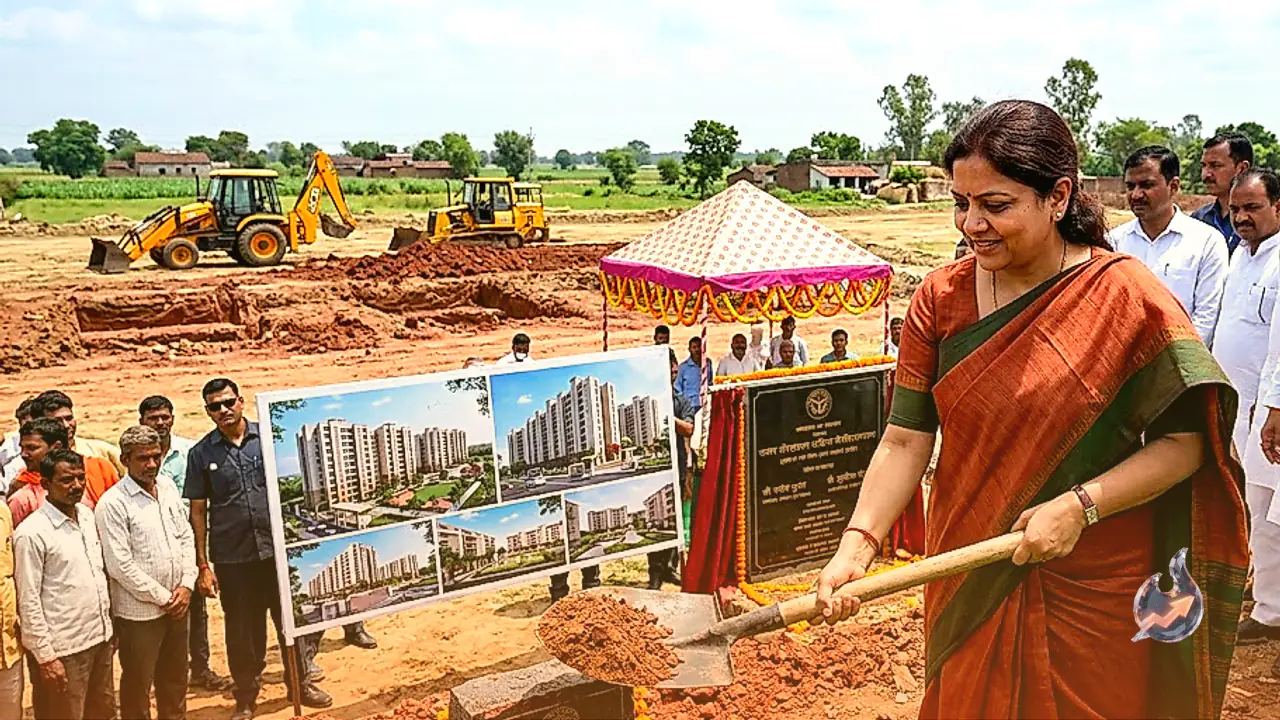

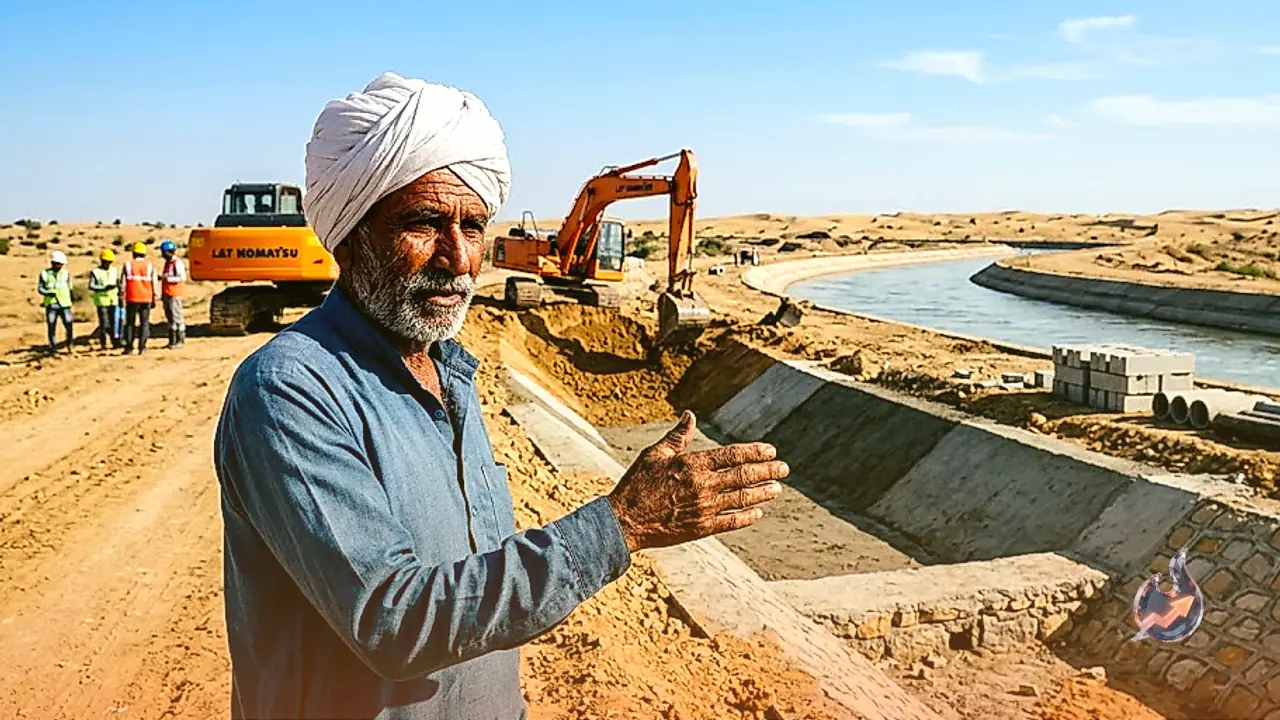

















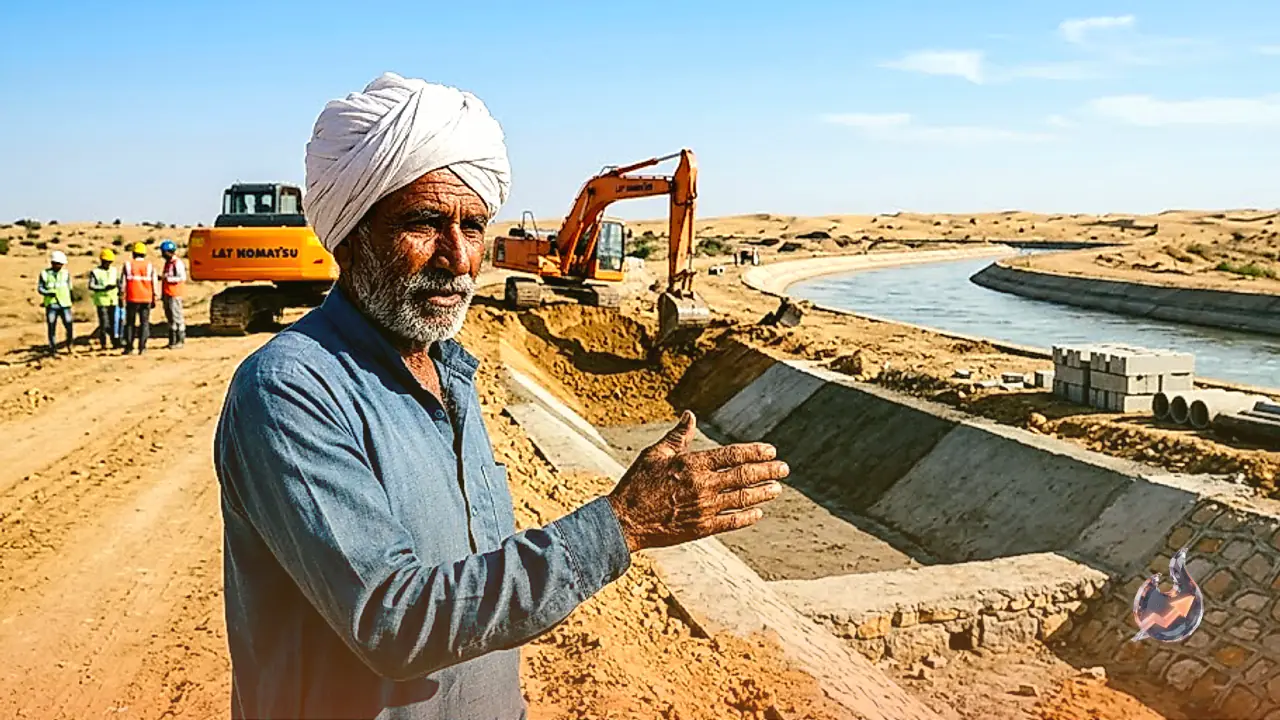

In a significant step toward augmenting agricultural water systems across the arid expanse of western Rajasthan, the state administration has cleared a major land transfer. Chief Minister Bhajan Lal Sharma approved the allotment of 785.87 hectares of land in Jaisalmer district for building an escape channel under the Indira Gandhi Canal Project network. With this formal clearance, work on the proposed escape channel at the head reach marker of the Baba Ramdev sub-branch is set to progress into its active implementation phase. Officials view this infrastructure as vital for widening the reach of the distribution network and fortifying agricultural water supplies across the desert frontier.
Crucial Lifeline for Arid Border Agriculture
Agriculture in an arid border district like Jaisalmer remains intensely dependent on artificial canal networks due to negligible local rainfall and extreme climatic conditions. In such an ecosystem, the proposed escape channel is designed to serve as far more than a basic drainage outlet; it forms an integral operational component of modern hydraulic infrastructure. Once operational, the structure will enable engineers to regulate flow rates and balance pressure throughout the feeder channels tied to the Indira Gandhi Canal network. The formal sanctioning of 785.87 hectares resolves key land acquisition formalities, clearing the path for technical clearances, tenders, and civil works in the upcoming phases.
Engineering Safety Along Baba Ramdev Sub-Branch
The vast network comprising the Indira Gandhi Canal Project has historically underpinned farming across several western districts of Rajasthan. Its elaborate layout of main arteries, branch lines, and distribution sub-channels delivers essential supplies to transform barren sands into cultivable holdings. Positioning this dedicated escape channel along the Baba Ramdev sub-branch fulfills a strategic operational requirement for the canal grid. Regulating surplus volume during high-inflow events or unexpected operational surges protects canal embankments from catastrophic breaches. By providing a managed route for diverting excess water, the escape channel ensures the broader distribution system operates reliably without risking damage to nearby fields.
Sustained Focus on Agricultural Water Access
Reliable water availability remains the single most critical factor governing agrarian productivity across western Rajasthan. Improvements to canal engineering translate directly into consistent seasonal crop yields and financial stability for local farming households. According to state planning guidelines, the new channel will streamline regional water distribution, reducing waste and ensuring irrigation reaches tail-end cultivators who often suffer from irregular flow. The initiative reflects a wider policy objective of upgrading rural water infrastructure and modernizing resource allocation throughout desert communities, making the Jaisalmer land allotment a central pillar of this ongoing campaign.
Implementation Pipeline and Long-Term Value
Spanning vast stretches of deep desert, Jaisalmer presents severe geographical hurdles where modern agricultural growth hinges squarely on the health of canal installations. Over decades, irrigation access has expanded regional cropping patterns, allowing commercial and food crops to flourish in previously uncultivated soil. Enhancing the current canal layout through this dedicated channel will reinforce the overall structural durability of the supply network. While the full agricultural benefits will become measurable only after physical construction concludes and water management operations begin, clearing 785.87 hectares guarantees that the project can proceed without spatial bottlenecks, keeping the focus firmly on long-term water security for local farmers.