






















With digital payments becoming an everyday routine, haste or minor input mistakes often lead users to transfer money to an incorrect mobile number or bank account through UPI. In such situations, panic quickly sets in as individuals remain unsure about the right channels to approach for reclaiming their hard-earned money. However, losing composure solves nothing; instead, taking prompt and structured steps across banking and law enforcement avenues is the most effective way to recover misdirected funds, especially if the recipient refuses to cooperate or the initial banking response appears sluggish.
Contact Your Bank Immediately After a Wrong Transfer
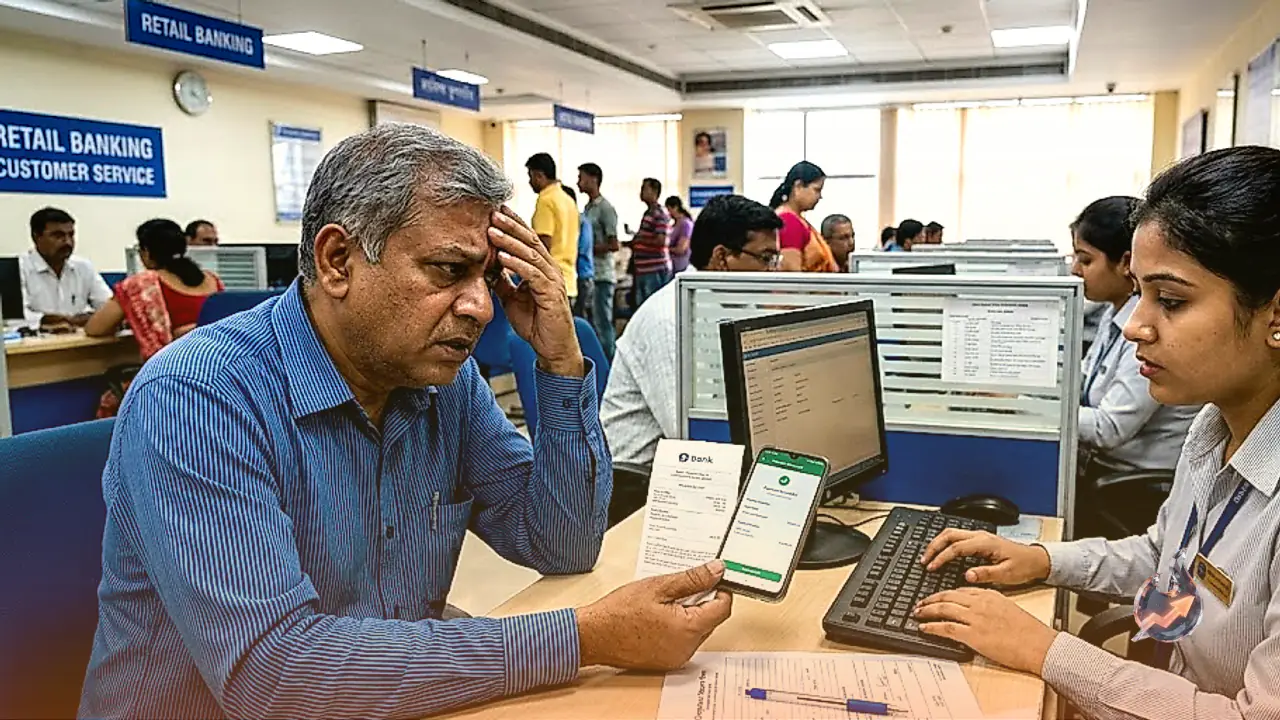
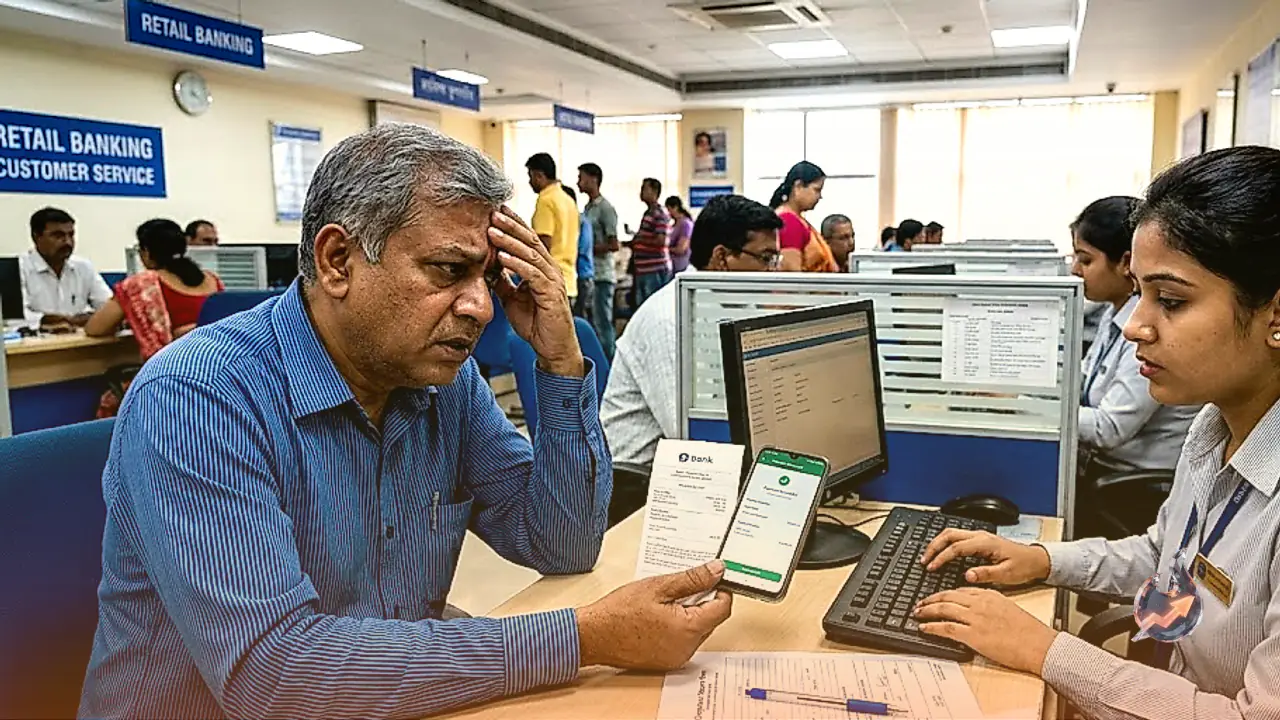
Whenever an unintended transfer takes place, alerting your bank must always be the first course of action. Mohan Tiwari, an advocate practicing at the Sector-12 court in Faridabad, points out that the moment funds leave an account due to an error, the account holder must immediately notify their bank. Users should preserve the UPI details, mobile device records, and transaction identification numbers associated with the specific payment.
Customers can dial their bank's customer care helpline to report that money was erroneously transferred to a wrong account and formally register a dispute or recovery request. Alternatively, visiting the home branch in person to submit a written complaint detailing the incident is equally effective for initiating inter-bank communication.
Why Acting Without Delay Matters
Mohan Tiwari emphasizes that time is of the essence in every case of accidental electronic fund transfer. Reporting the incident without procrastination allows bank officials to begin administrative procedures promptly. Providing complete transaction records and documentation enables the remitting bank to coordinate with the beneficiary's bank before the recipient withdraws or moves the money elsewhere.
Guidelines from the Reserve Bank of India also advise consumers to notify their respective banking institutions immediately regarding any unauthorized or unintended electronic banking transactions. Early reporting significantly improves the likelihood of freezing the disputed sum or getting it reversed successfully.
Filing Complaints on Cyber Helpline 1930 and the National Portal
Beyond standard banking channels, affected individuals can leverage official cyber grievance mechanisms. Mohan Tiwari notes that victims can dial the national cyber helpline number 1930 to record their financial complaint. Furthermore, the National Cyber Crime Reporting Portal offers a dedicated online facility to register complaints related to financial discrepancies and online fraud.
While filing an online or telephonic grievance, the complainant must keep essential details handy, including the transaction ID or UTR number, date of transaction, exact transferred amount, relevant bank credentials, and corroborating evidence. Having these details ready ensures that the formal intake on the portal progresses without technical hold-ups.
Steps to Take if the Recipient Refuses to Return the Money
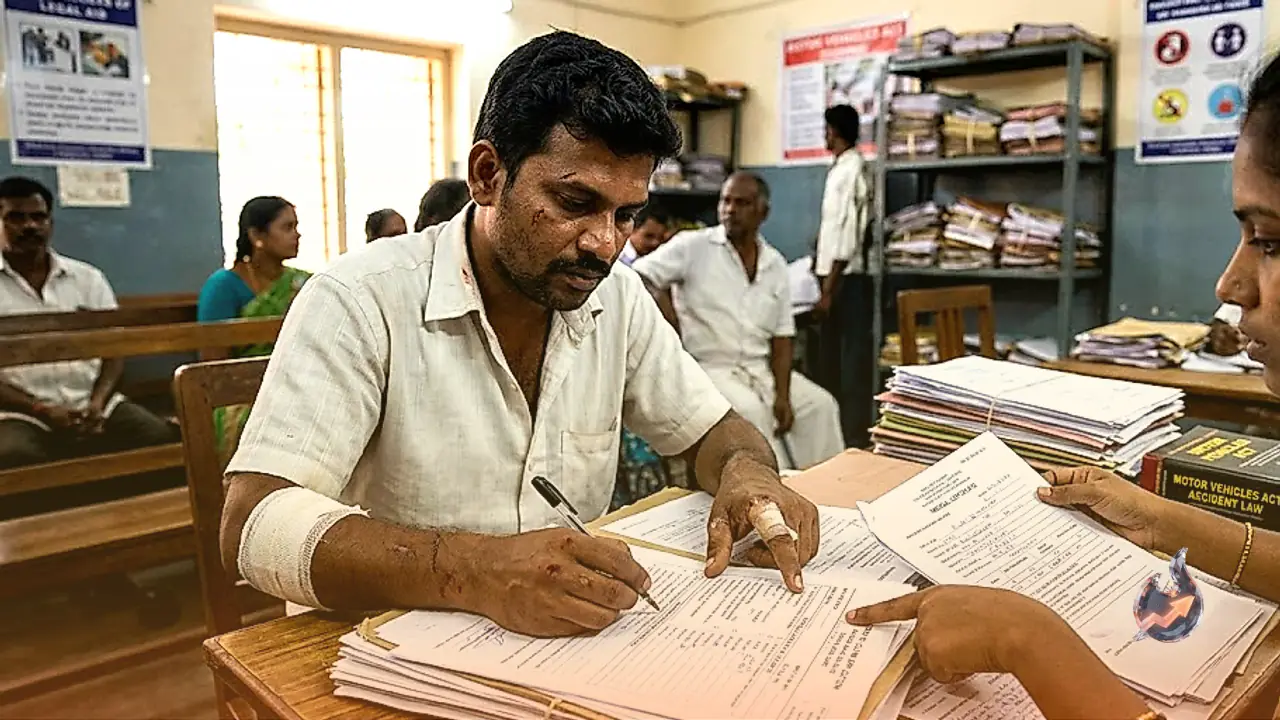
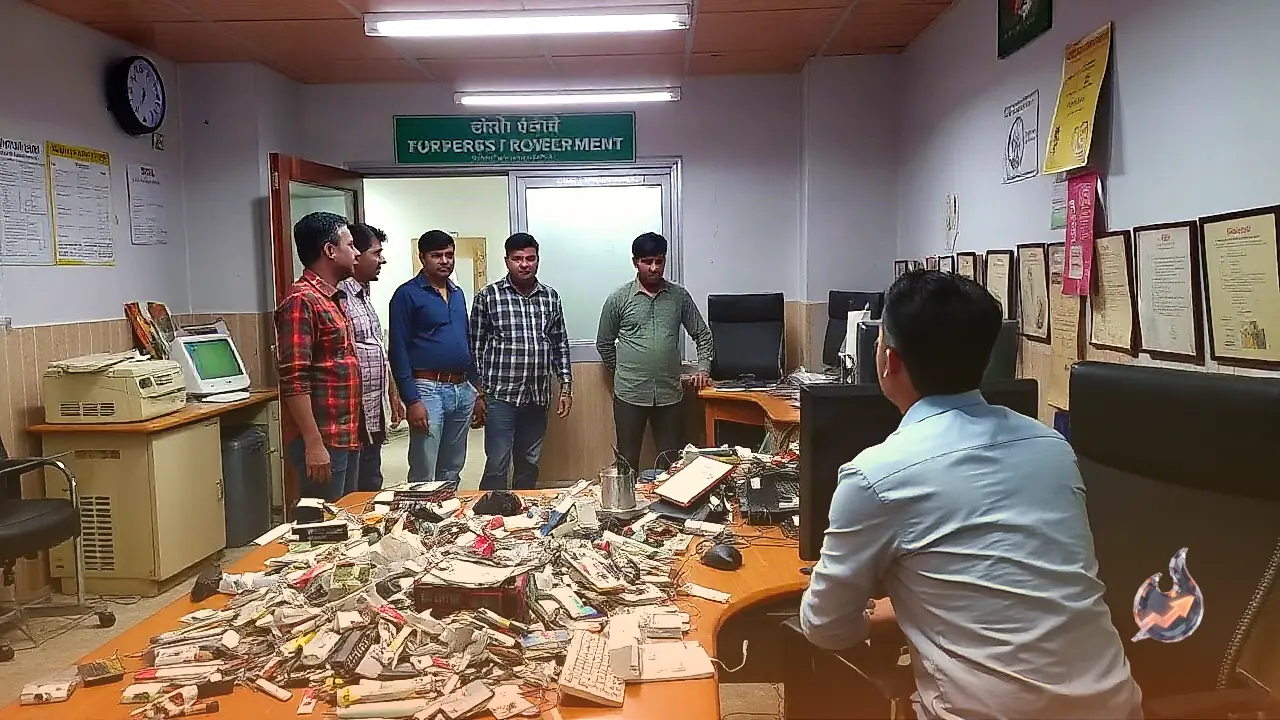
A common hurdle arises when funds land in a stranger's account and the individual flatly declines to reverse or return the amount. Mohan Tiwari explains that if the recipient refuses to cooperate, legal action can be pursued by lodging a formal complaint with the regular police or specialized cyber police cells.
Law enforcement officials register the complaint along with provided evidence, initiating an investigation to verify the transaction trail and trace the individual who received the money. In such scenarios, keeping comprehensive records—such as transaction slips, UPI IDs, bank statement entries, and any communication logs or call records—is crucial for proving the accidental nature of the transfer.
Approaching the RBI Integrated Ombudsman for Unresolved Bank Disputes
If reaching out to the bank fails to yield a resolution and the grievance remains unaddressed, the customer is entitled to escalate the matter. Mohan Tiwari explains that matters involving cyber fraud can proceed through local police or cyber crime cells, but institutional delays by financial entities can also be challenged directly.
If the bank exhibits a deficiency in service or neglects the consumer's complaint, the customer can seek recourse under the Reserve Bank of India's Integrated Ombudsman Scheme. This framework provides an independent forum to resolve complaints against banks and regulated entities regarding poor service, ensuring fair oversight and resolution.
Essential Documents and Records to Preserve
Maintaining solid evidence is critical throughout the entire dispute resolution process. Anyone dealing with a misdirected UPI transfer must secure the transaction ID or UTR number, the date and exact time of payment, the transferred sum, the associated UPI ID, banking statements, and clear transaction screenshots. The national cyber crime portal similarly mandates these specific identifiers when processing any formal financial grievance.