
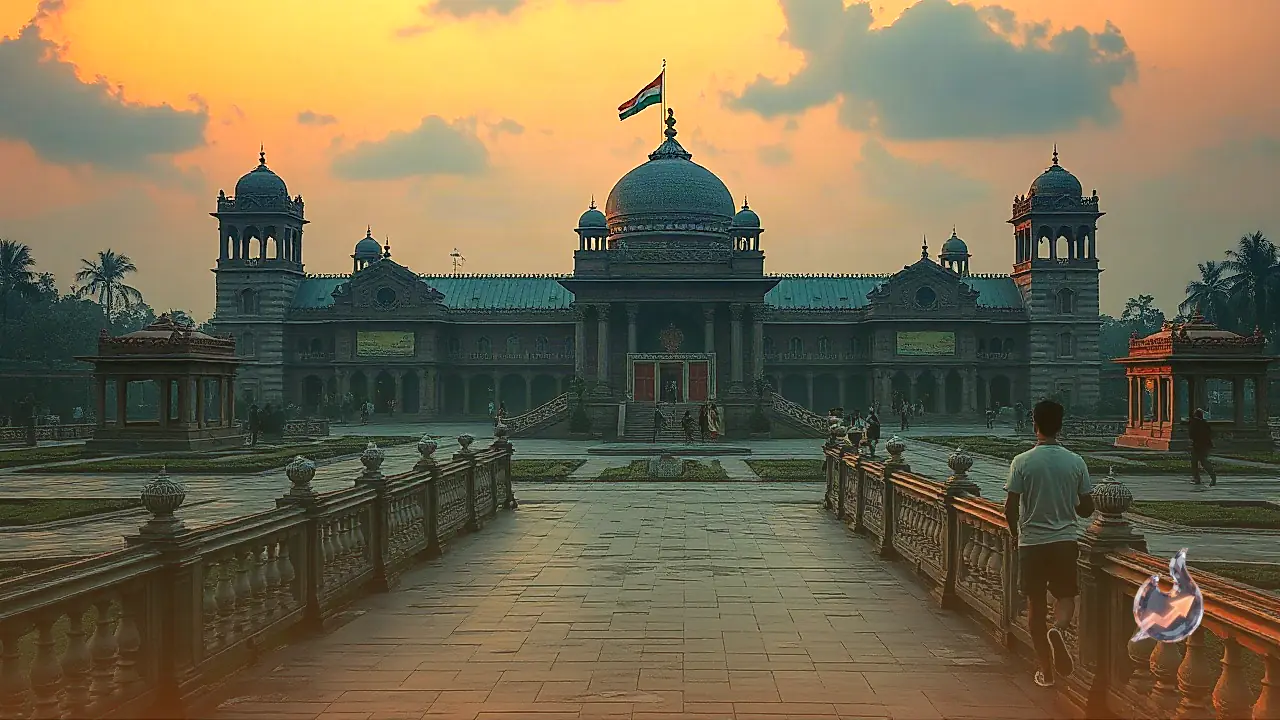

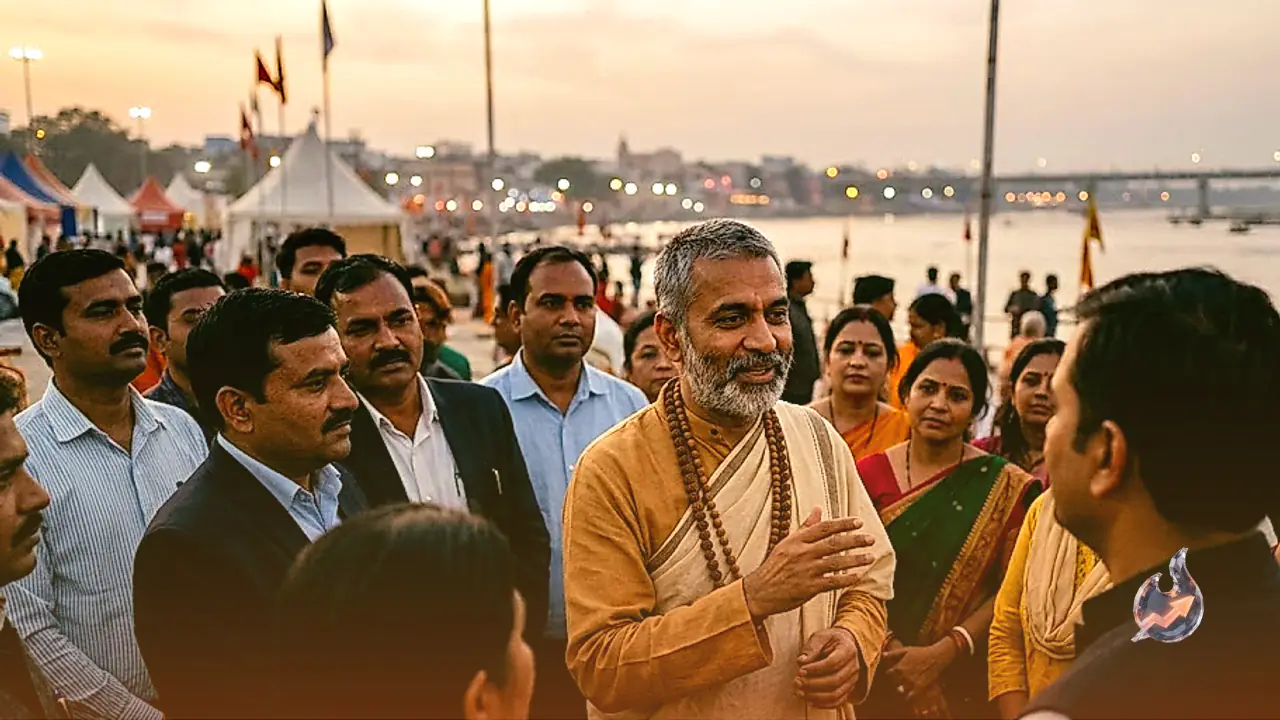
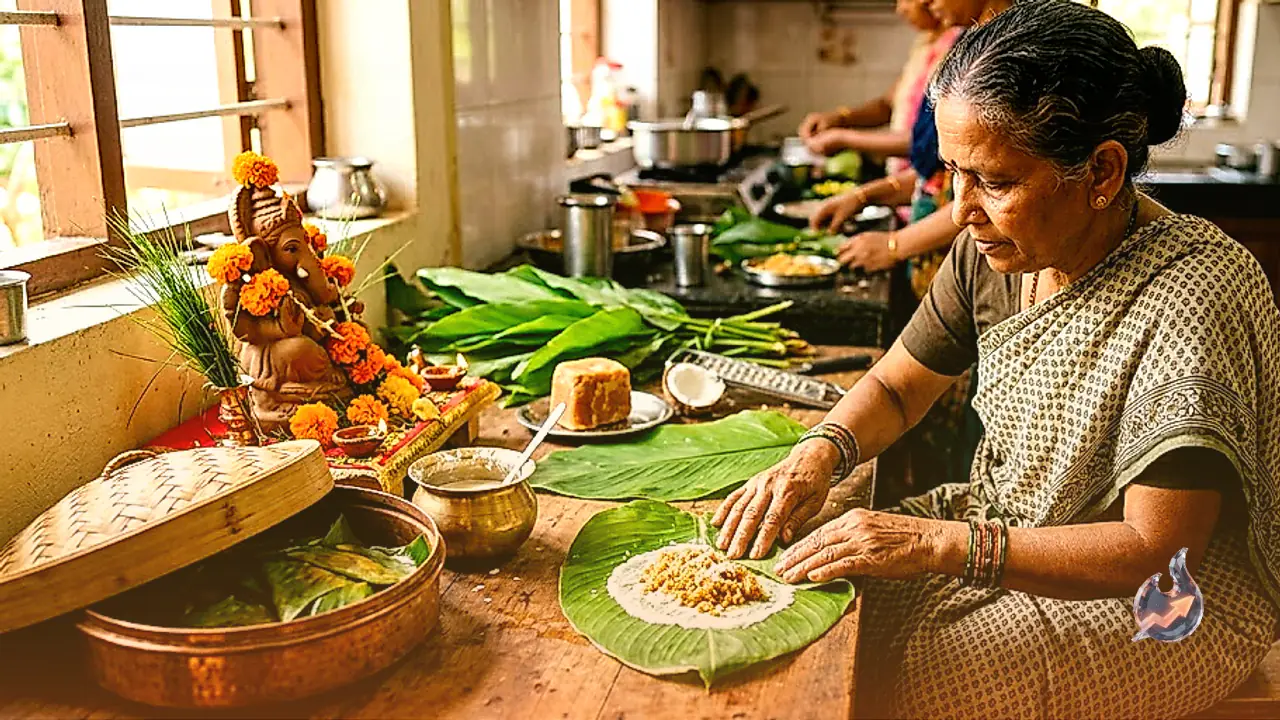


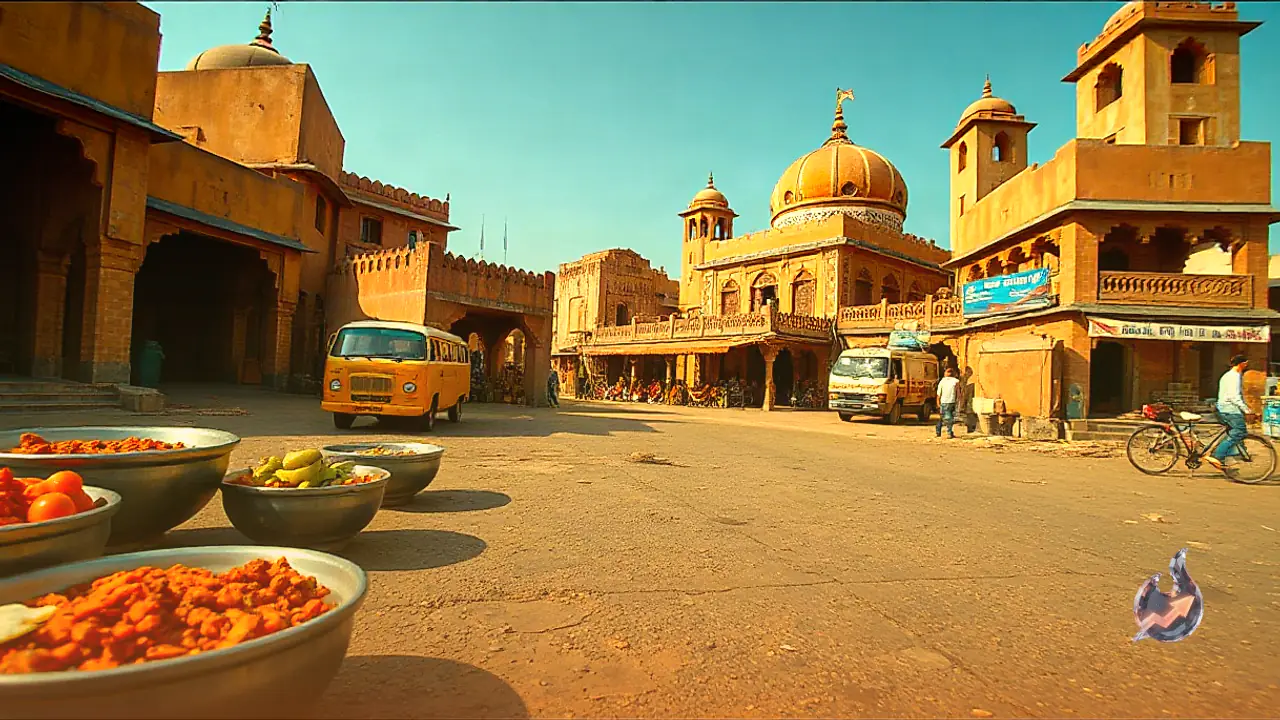














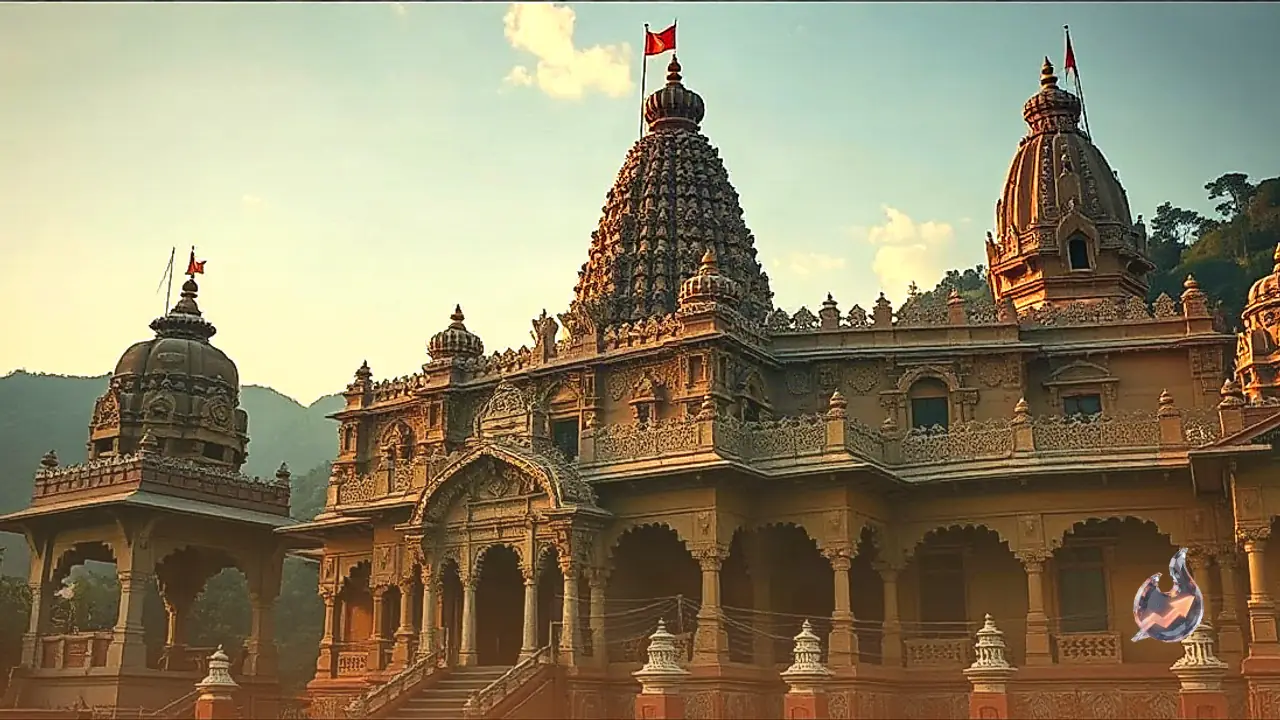

Preparations are in full swing in Jaipur as the pink city gets ready for the grand festival of Ganesh Chaturthi. Among the many ancient temples in the city, the famed Moti Dungri Ganesh Temple stands out for its unique traditions and deep-rooted spiritual customs that have been preserved for centuries. This year, Ganesh Chaturthi will be celebrated at the Moti Dungri Temple on September 14. Thousands of devotees gather here during the Sinjara and Mehendi festivals, eager to witness the divine adorned form of Lord Ganesha, a spectacle that follows a 150-year-old decorative tradition.
The Intricate Naulakha Har Crafted Over Three Months
One of the most remarkable highlights of Ganesh Chaturthi at the Moti Dungri Ganesh Temple is the ceremonial offering of the legendary Naulakha Har (necklace) to Lord Ganesha. The Mahant family dedicates nearly three months to crafting this ornate piece. The creation process involves melting 3 kg of lac (chapti) and using natural colors and metallic foils to shape exquisite flower motifs. The necklace is further embedded with precious gemstones, including real gold, emeralds, diamonds, and rubies, making it a priceless masterpiece of craftsmanship.
Royal Adornments: Gold Crown, Silver Dhoti, and Kolkata Zardozi
In addition to the Naulakha Har, Lord Ganesha's ritual ornamentation includes several rich traditional attire and jewels. The deity is adorned with a gem-encrusted gold crown, paired with an elaborate zardozi and jewel-embedded dress sent from Kolkata, symbolizing clothes from his maternal home. The ensemble is completed with a silver dhoti, gold and silver wrist bangles (kadas), earrings (kundal), and traditional ceremonial weapons (ayudh). This elaborate decoration routine has remained unchanged for 150 years.
A 200-Year-Old Tradition of 3,100 kg Mehendi Offering
Upholding a 200-year-old custom, the temple will offer a staggering 3,100 kg of mehendi (henna) sourced directly from Sojat and local suppliers in Jaipur. The Mehendi and Sinjara celebrations attract thousands of devotees who visit the temple to offer prayers and receive the blessed mehendi. Sojat in Rajasthan is world-famous for its high-quality henna, making this offering particularly significant.
Crowd Control and AI Camera Surveillance
Anticipating massive crowds on September 14 and 15, the temple administration, in coordination with local law enforcement, has put extensive safety and queue management measures in place. Dedicated queue lanes have been set up for smooth darshan. A heavy police contingent will be stationed across the temple premises. Furthermore, state-of-the-art AI cameras have been deployed for real-time crowd monitoring and to ensure an accurate headcount of visiting devotees.
Darshan and Aarti Timings for September 14
On Ganesh Chaturthi (September 14), a continuous series of rituals and prayers will take place throughout the day. Devotees can plan their visit according to the following schedule
- 5:00 AM: Mangala Aarti marks the opening of darshan.
- 12:00 PM (Noon): Special Poojan rituals commence.
- 12:15 PM: Bhog Aarti is performed.
- 1:00 PM to 2:00 PM: Temple doors remain closed (Pat Mangal) during Bhog.
- 3:00 PM: Shringar Aarti takes place.
- 7:00 PM: Evening Sandhya Aarti concludes the main ceremonies.
Grand City Procession (Shobha Yatra) on September 15
On September 15, the idol of Lord Ganesha will be taken out on a grand city procession (Shobha Yatra) for city tour. Departing from the Moti Dungri Temple in the evening, the procession will pass through major landmarks and heritage markets, including MD Road, Johari Bazaar, Tripolia Bazaar, Gangauri Bazaar, and Nahargarh Road, before culminating at the Garh Ganesh Temple atop the hill.


