






















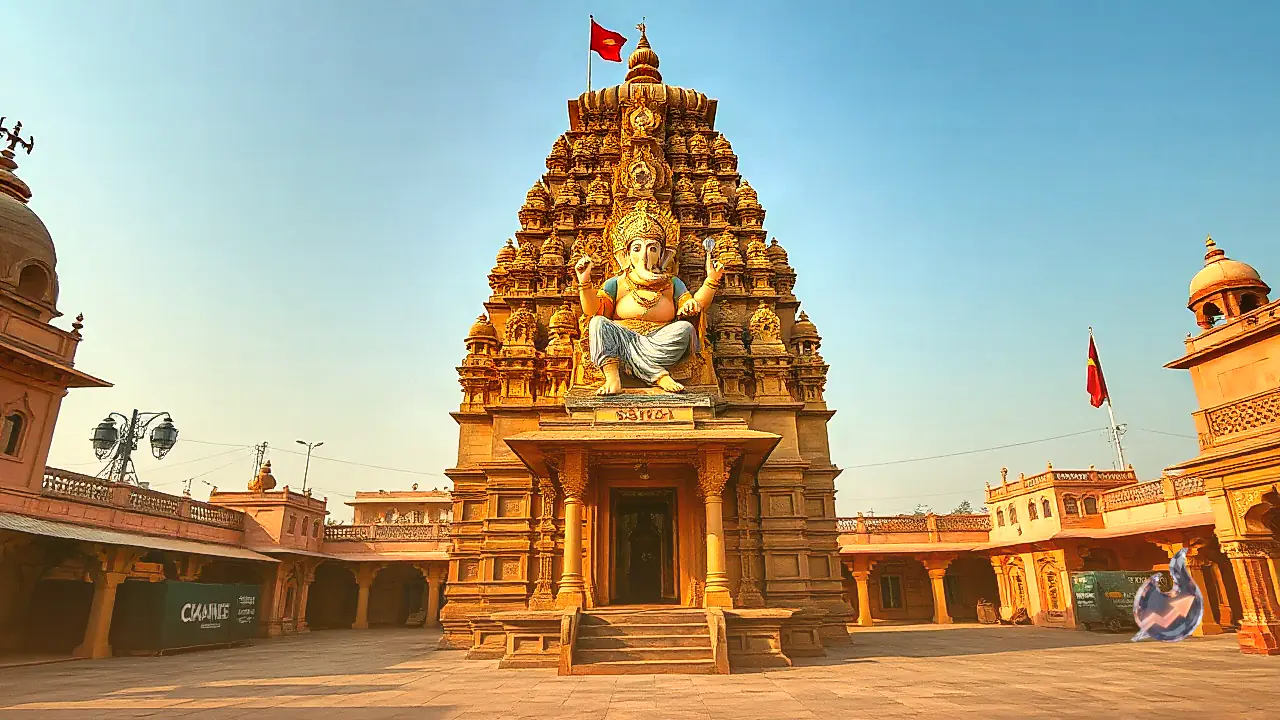

Outside the historic Nathusar Gate in Bikaner stands a 400-year-old shrine that occupies a distinct place in the hearts of local residents and visiting devotees. Known locally as Bada Ganesh Mandir, this ancient temple is famous across Rajasthan for a singular custom: the presiding deity, Lord Ganesha, is traditionally adorned in a woven dhoti. This iconic attire has earned the deity the affectionate title of Dhoti Wale Ganesh Ji, attracting thousands of believers who seek obstacle-free beginnings for their life ventures.
Four Centuries of Faith and Tradition Outside Nathusar Gate
Established nearly four centuries ago, the shrine has preserved its original architectural character while remaining a focal point of spiritual life in Bikaner. While the city houses several Ganesha temples, the unique dressing ritual at Bada Ganesh Mandir distinguishes it from every other sanctum. The daily rituals involve meticulously dressing the idol in traditional attire, creating a visual and devotional experience that has endured continuously across generations.
Weekly Rituals and Special Gatherings on Auspicious Days
For generations, local families have made it a point to visit the temple before embarking on any major life event, business endeavor, or new project. Devotees believe that seeking the blessings of the deity removes hurdles and ensures prosperity. Every Wednesday sees massive crowds lining up outside the sanctum, as Wednesday is traditionally dedicated to Lord Ganesha in Hindu practice. The festival of Ganesh Chaturthi and other major religious celebrations see even larger congregations, accompanied by elaborate decorations, special morning and evening prayers, and ritualistic adornments of the idol.
Sustaining Heritage and Unbroken Devotional Practices
Stories of fulfilled prayers and answered wishes have passed down through families, strengthening the spiritual connection between the city and this historic temple. Despite the passage of time and urban modernizations around Nathusar Gate, the temple retains its traditional structure and quiet sanctuary atmosphere. The tradition of clothing the deity in a traditional dhoti remains untouched, serving as a reminder of Bikaner's rich cultural tapestry and deep-rooted devotional customs.


