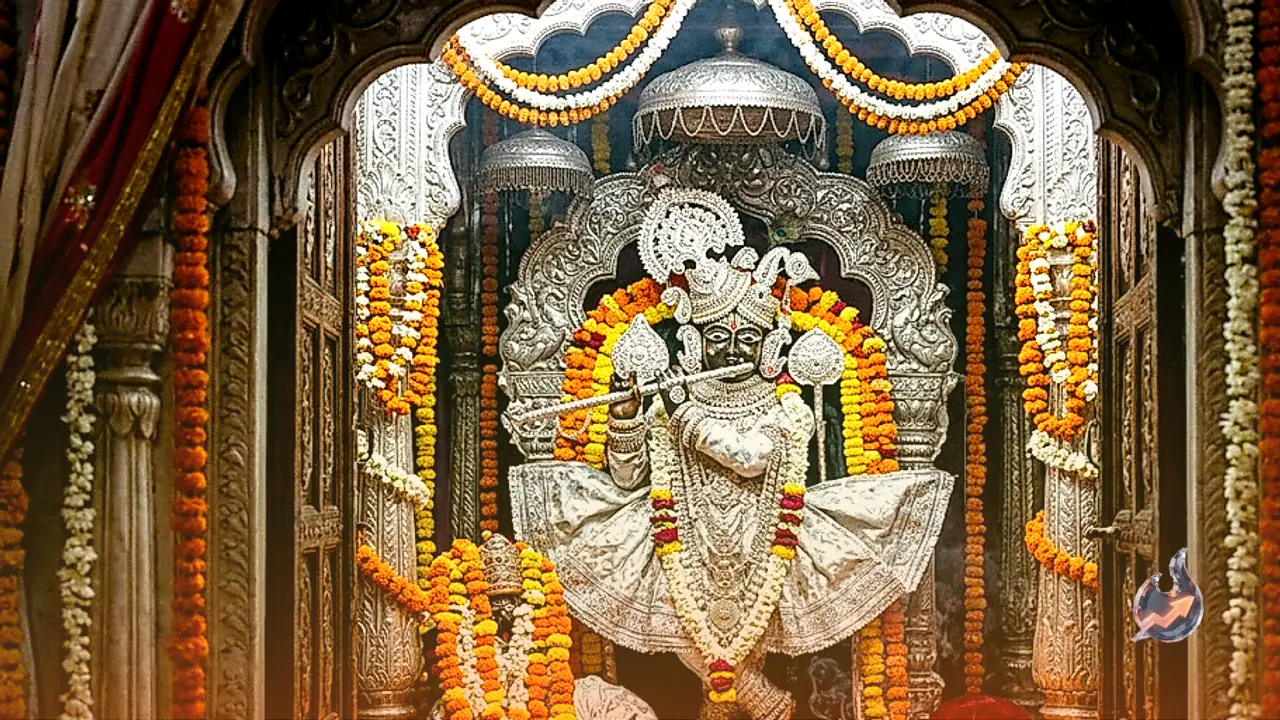

















Jaipur is globally renowned not only for its majestic forts, palaces, and Havelis but also for the unique architectural layout of its religious sites and the rich history associated with them. During the 16th and 17th centuries, the ruling monarchs of Jaipur commissioned hundreds of temples and other sacred locations, which continue to form an integral part of the city's cultural and spiritual identity today.
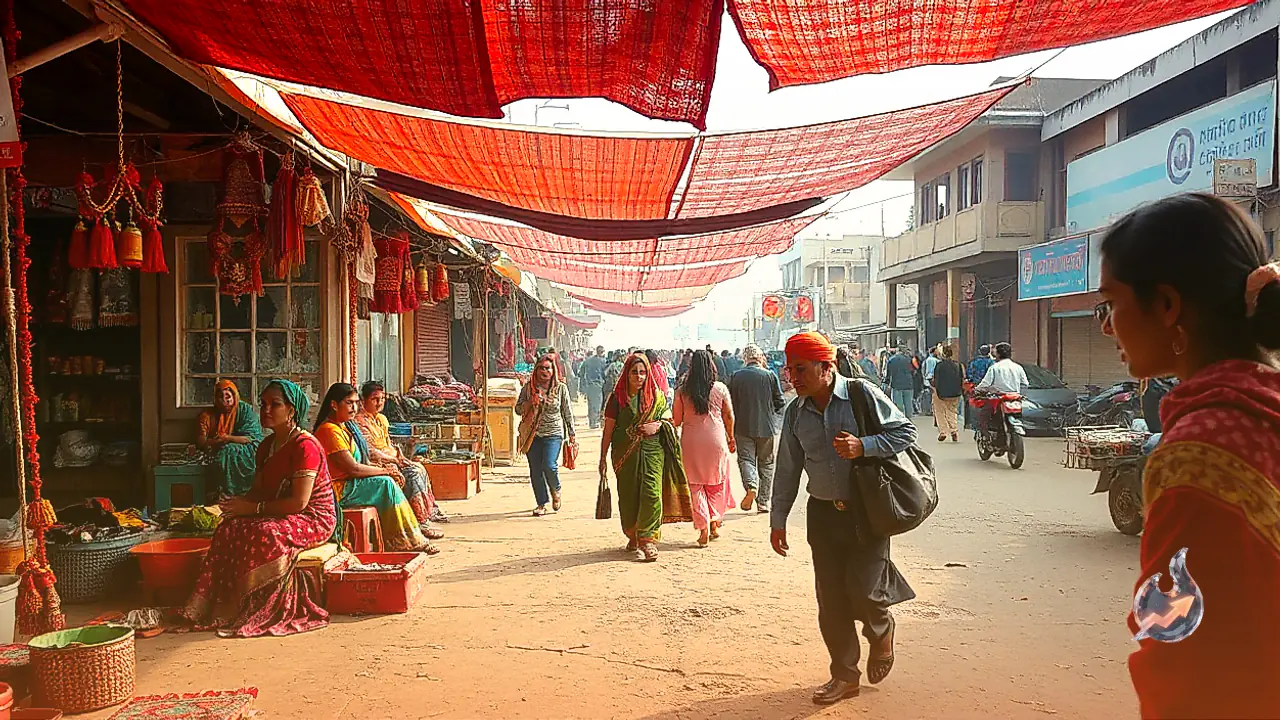
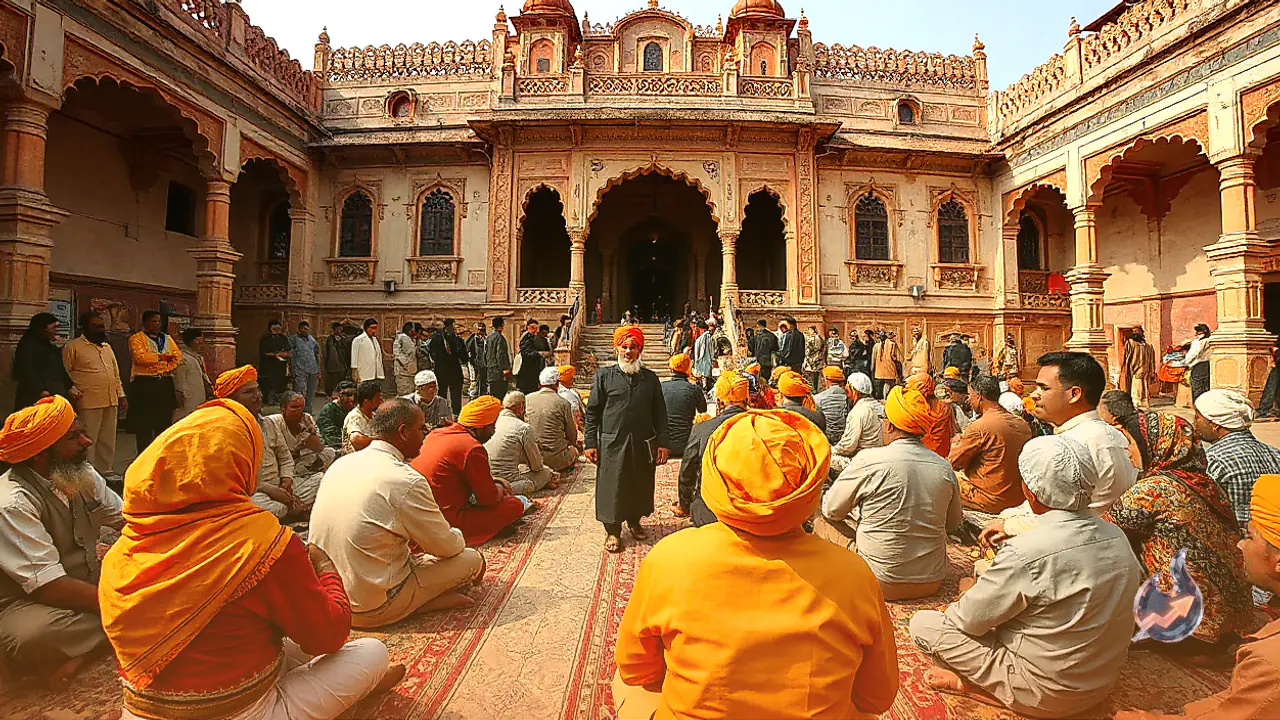
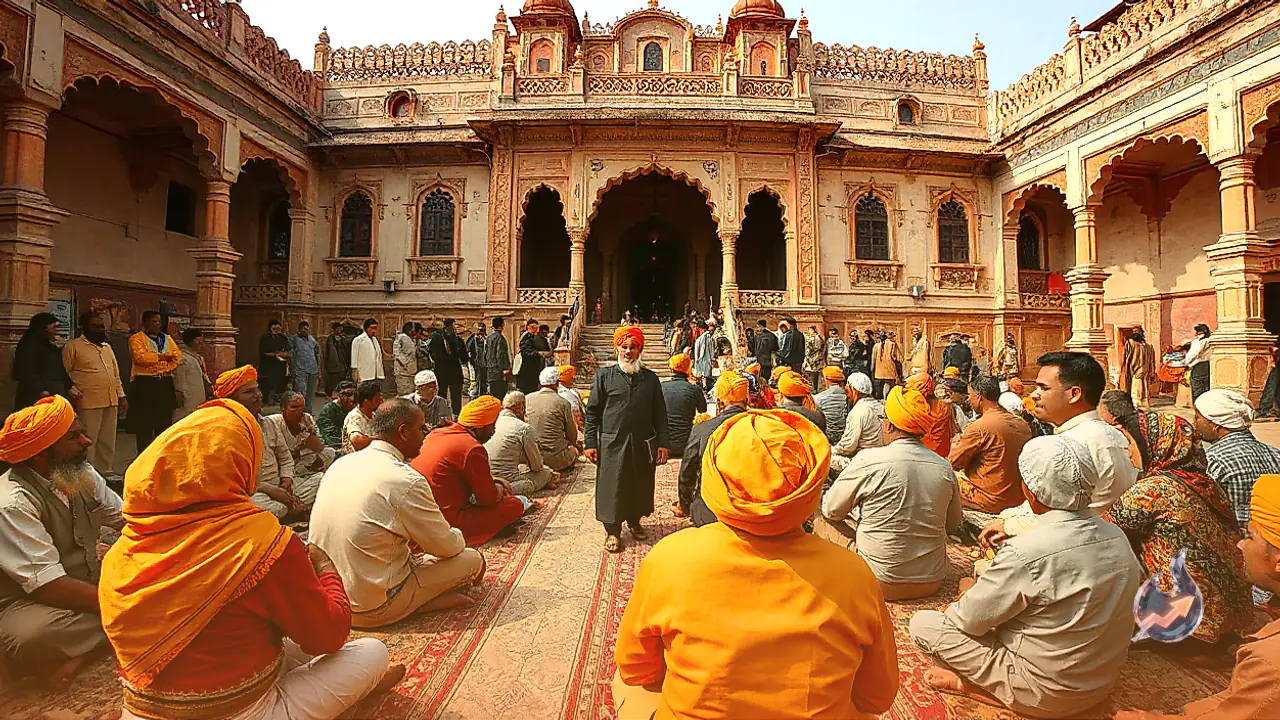
While numerous grand temples dot the cityscape, the primary Gurdwara linked to the Sikh faith in Jaipur stands proudly within the walled city's bustling market area of Choda Rasta. Known as Shri Guru Nanak Dev Satsang Sabha, this ancient shrine continues to draw devotees from near and far who come to offer their prayers. Historical records indicate that this is Jaipur's very earliest Gurdwara, housing sacred relics such as the palanquin in the form of the Guru, an ancient portrait of the 10 Sikh Gurus, and period weapons that remain preserved to this day. Centuries later, this pioneering religious center endures as a vital hub of faith where locals and international followers of the Sikh tradition alike gather to pay their respects.
Establishment of Jaipur's First Sikh Seat
Historical accounts from individuals associated with the Gurdwara reveal that Jaipur's royal rulers actively invited and settled master craftsmen, scholars, and practitioners of diverse faiths not just from across India but from foreign regions as well. In the 16th century, when Mirza Raja Maan Singh returned to Amer after emerging victorious in the Kabul-Gandhar campaign, he brought five Sikh families back with him. Subsequently, during the planned foundation and construction of Jaipur by Sawai Jai Singh, the descendants of these families were settled along Jadiyon Ka Rasta. To ensure the continuity of Sikh religious services and worship during this urban planning phase, the construction of this first Gurdwara was commissioned.
Land for the establishment of the Gurdwara was generously granted by Sawai Jai Singh. The royal family of Jaipur maintained a deep reverence for all faiths and historically served as devoted followers of the Sikh Gurus. This inclusive royal patronage led to the formal construction of the Gurdwara alongside the settlement of surrounding Sikh communities to support their spiritual practices.
Unmatched Ancient Architecture and Heritage
Tucked away inside Govardhan Nath Ji Ki Gali in the Choda Rasta area, this historic Gurdwara stands out for its exceptional and enduring architectural design. The structure features dome-shaped and finial-like motifs characteristic of royal temples from that era, complete with intricate carvings that survive to this day. Within the sacred premises hangs what is considered the oldest painting in Rajasthan, crafted using traditional nature-painting colors and Kundan Meenakari work, depicting all 10 Sikh Gurus.
Furthermore, the historical weapons placed inside the shrine during its inception remain carefully preserved. Adhering strictly to the code of conduct of the Sikh tradition, where the Guru Granth Sahib is ceremoniously installed, historical arms are displayed alongside the sacred scriptures. For generations, the rituals of worship, community kitchen (Langar), and Prasad distribution have been carried out uninterrupted at this location. Whether it is Gurpurab or any other auspicious occasion, families of devotees have continued visiting this shrine across generations. This enduring legacy ensures that the Gurdwara remains a distinguished symbol of Jaipur's diverse religious culture.