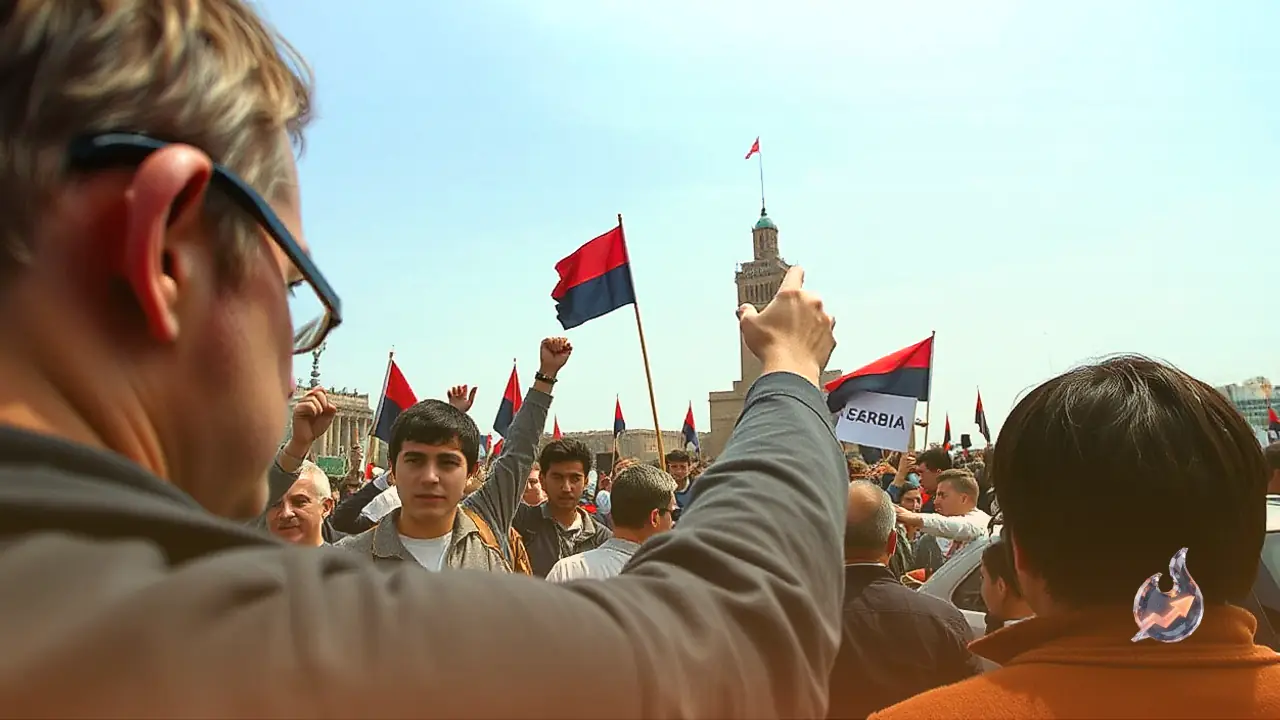
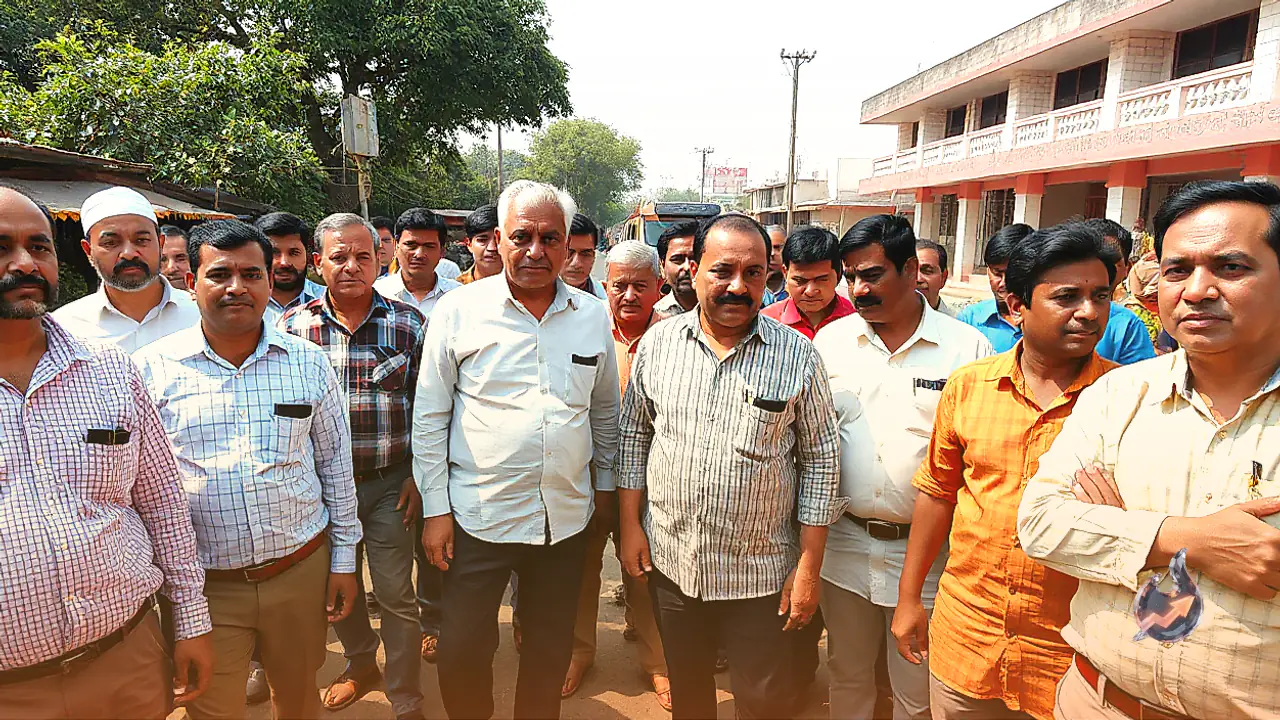
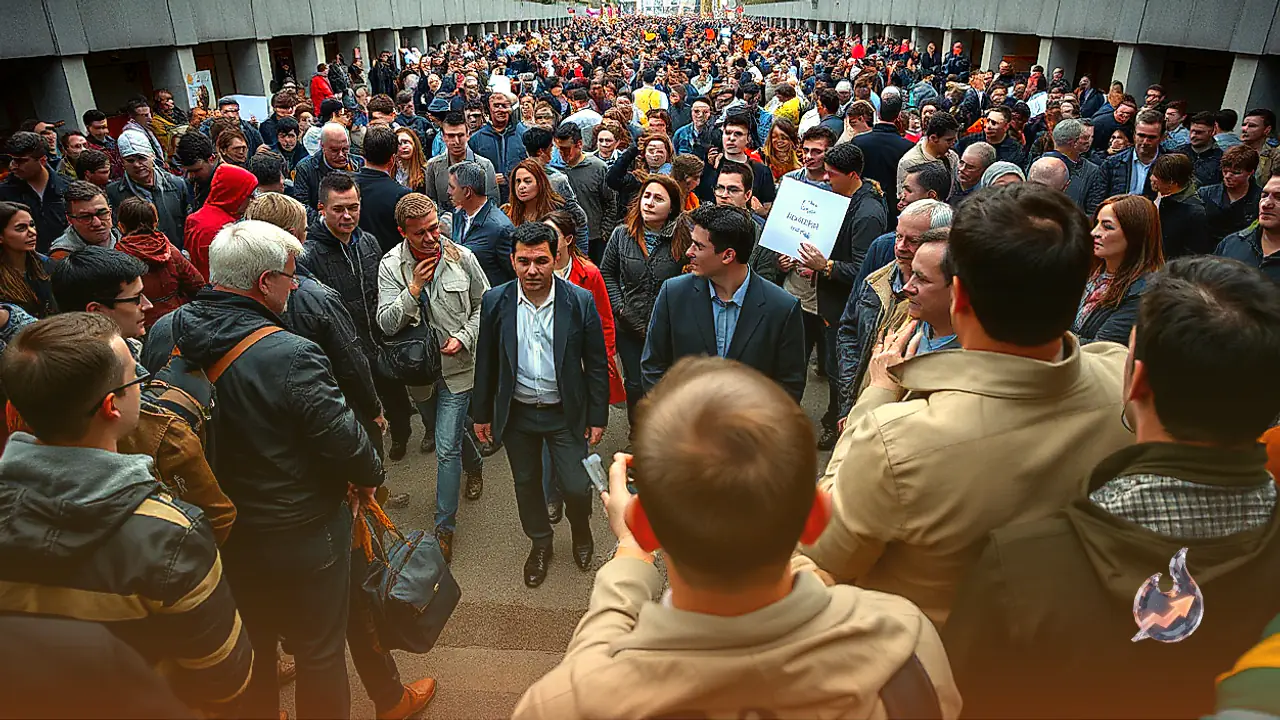















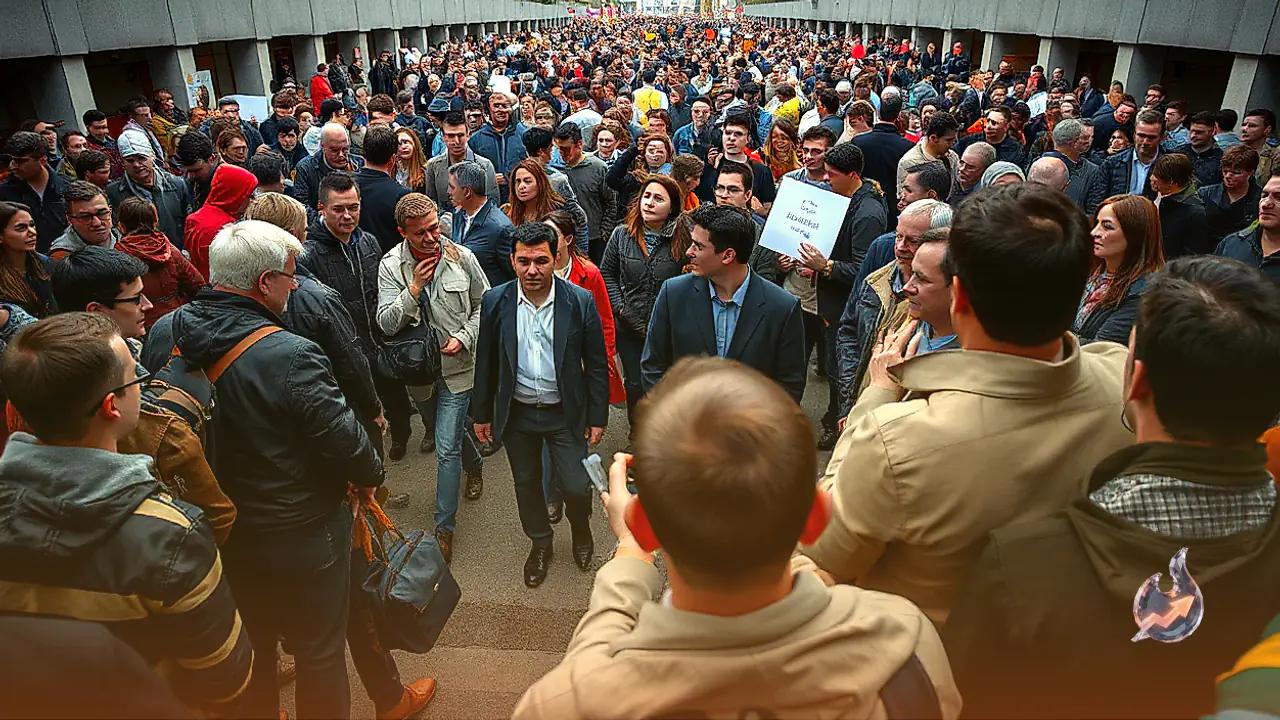

Voters have turned out in massive numbers for Serbia's parliamentary election, with preliminary figures pointing toward a record high level of participation. By 14:00 local time, which corresponded to 13:00 GMT, official counts showed that 46% of the electorate had already cast their ballots. This figure represented nearly a million more votes than were recorded by the same time during the previous parliamentary election held in December 2023. Long queues formed outside polling stations in large urban centers such as Novi Sad, Serbia's second-largest city, as well as in smaller towns across the country. The substantial voter turnout has significantly boosted the confidence of the opposition party Student List, who are hoping to remove Aleksandar Vučić and his ruling Serbian Progressive Party (SNS) from power. The SNS has maintained control over the country's administration since 2012, making this challenge one of the most formidable they have faced.
The Student Protest Movement and Anti-Corruption Platform
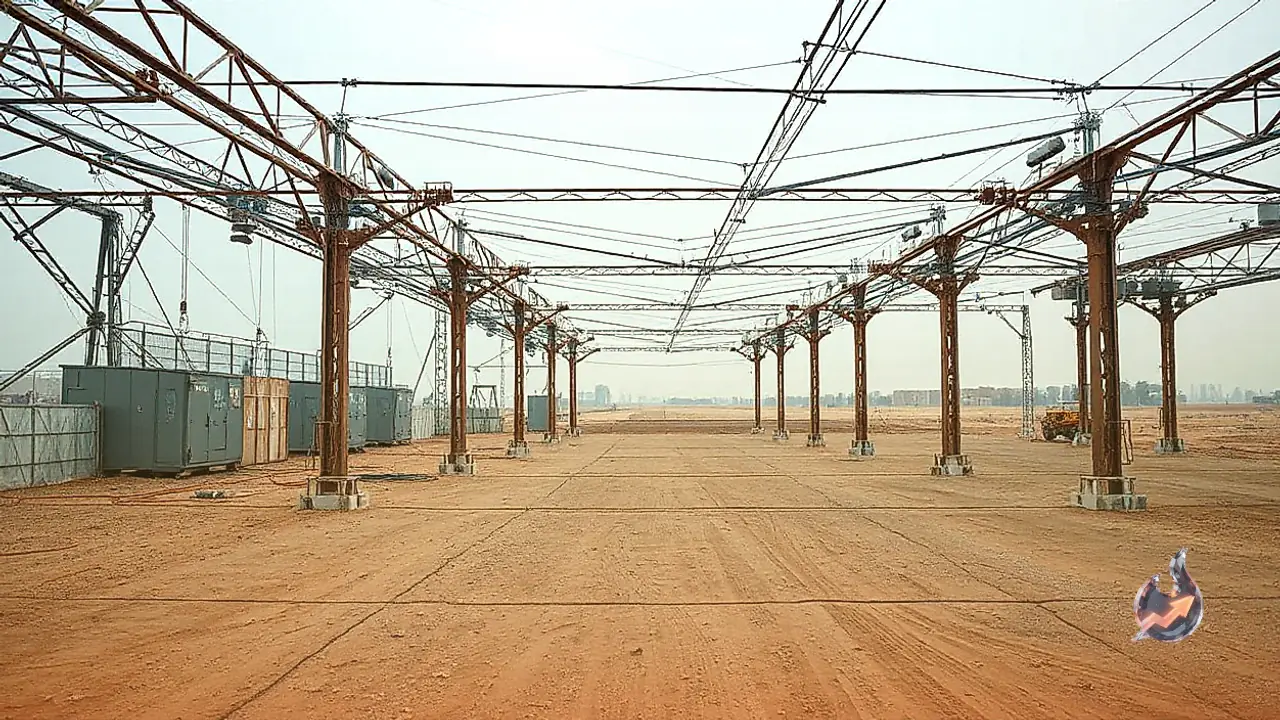
The snap elections were called by Aleksandar Vučić following two years of intense student-led demonstrations across Serbia. These protests were originally triggered by the tragic collapse of a train station canopy in 2024, a disaster that claimed 16 lives and came to be viewed by the public as a symbol of deep-seated corruption and negligence within the government. In response, the anti-corruption movement Student List put together a comprehensive manifesto focused on specific reforms. Their platform includes purging officials who violated rules while cracking down on previous protesters, preventing party loyalists from taking over public enterprises, and freeing the state-owned public broadcaster from direct political control. Meanwhile, Aleksandar Vučić and the SNS party have consistently denied all allegations of corruption and rejected claims that they attempted to unduly influence media coverage.
High Engagement at Home and Among the Diaspora
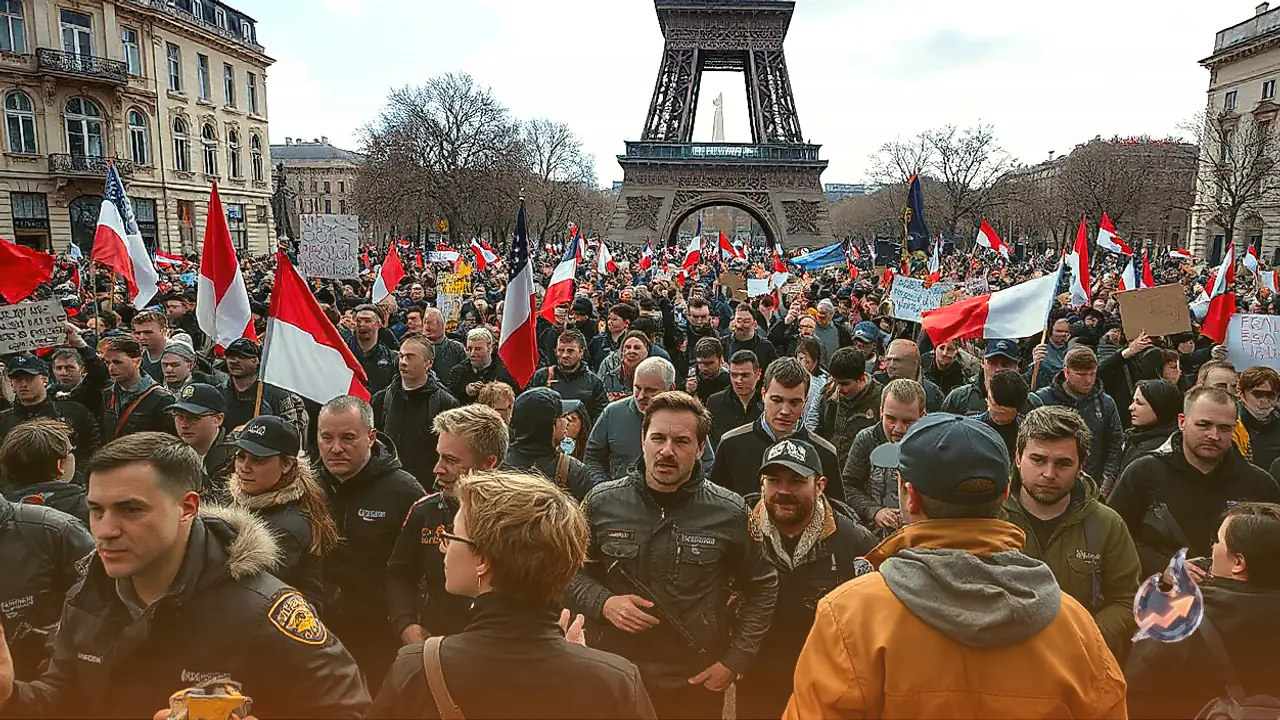
Political commentators have noted that a high final turnout reaching 65% or above would likely benefit the student movement. Voting is scheduled to close at 20:00, with the first indicators of election results expected to emerge two hours later. High participation was not limited to domestic polling stations; long lines were also reported at diplomatic missions and voting booths abroad, including in Slovenia's capital Ljubljana, Munich, Los Angeles, and Chicago. In Paris, dedicated Serbian citizens waited patiently in line despite heavy downpours of rain. Meanwhile, security tensions remained elevated across Serbia. In Belgrade, police authorities closed off streets surrounding the Republic Electoral Commission to maintain order.
Street Celebrations and the Political Background of Aleksandar Vučić
On a nearby street in Belgrade, cars halted at traffic lights lowered their windows to blast a popular student anthem from loudspeakers. The song, titled 'I want three kisses', is a folk tune that gained favor among supporters because the Students' List holds the number three spot on the official ballot paper. Young people gathered on the pavement nearby began dancing in celebration. In contrast, Aleksandar Vučić and his SNS party occupy the number one position on the ballot. Having already served two terms as president, Vučić is constitutionally barred from seeking a third term in that office. Consequently, he is currently leading his party's campaign with the stated goal of returning to the position of prime minister, a role he left in 2017.
Aleksandar Vučić continues to command strong loyalty among a substantial segment of the Serbian population, who view him as a resolute leader willing to defend national interests. His supporters frequently point to the significant economic growth achieved over the past decade alongside numerous infrastructure improvements carried out under his administration. Vučić, who officially supports Serbia's ongoing candidacy for membership in the European Union while simultaneously refusing to impose economic sanctions on Russia over its military actions in Ukraine, has made various domestic promises during his campaign. These pledges include higher pensions, increased salaries for public sector workers, and substantial investments in state-run healthcare infrastructure.
Campaign Imagery and Vigilance Against Electoral Fraud
Campaign posters for the SNS plastered across cities depict two hands clasped firmly together in solidarity, representing the hands of doctors, nurses, farmers, construction workers, teachers, and parents. In his campaign video, Aleksandar Vučić remarks that these are the hands that hold Serbia in their palms and that with such hands, calmly and with dignity, they shall finish what they started, framing the vote as a fundamental choice between continuity and change. Amid persistent fears of potential electoral fraud by the ruling party, student organizers took proactive measures by delegating at least two independent observers to each of Serbia's 8,210 voting stations.
Video footage circulating widely on social media on Sunday morning depicted an incident in a cafe located in the southern city of Nis, where ballot papers were allegedly being filled out in advance in a controversial practice known as chain voting. Signs posted in the cafe window indicated it was a private party, but as soon as the individuals inside realized they were being recorded on camera, the papers were quickly concealed. Additional reports emerged detailing physical and verbal attacks against election monitors and journalists at several other polling stations across the country.
Perspectives on the Student Candidacy and Future Uncertainty
Žarko Korać, a former deputy prime minister and long-term opponent of nationalist political parties in Serbia including the SNS, described the current situation to journalists as a unique experiment in European contemporary history. Although Ilija Srdanović, a professor at Novi Sad University, tops the Student List's 250 nominated candidates, he would not necessarily assume the role of prime minister if the opposition coalition wins. Instead of running traditional political figures, student-led assemblies at various university faculties selected 250 candidates from diverse professional backgrounds to stand in the parliamentary election, incorporating doctors, actors, academics, and sports personalities into the political arena.
Korać observed that these candidates are individuals who largely do not know each other and whose specific political beliefs remain largely untested, raising questions about how they will form a functioning government if successful. He noted that the post-election scenario is entirely unpredictable if the opposition wins, while warning that if Vučić declares victory late in the evening, the student movement is unlikely to accept the outcome. Furthermore, Korać suggested that many former loyalists within high government offices might shift their allegiance at the last moment if the students secure a victory, though a razor-thin result with competing victory claims could trigger weeks or months of severe political instability.
Electorate Demographics and Voter Motivations
The total eligible electorate stands at 6.45 million within a total population of 6.53 million, a narrow margin that has previously raised questions regarding the accuracy and reliability of the electoral register. In addition to residents, ethnic Serbs living in Kosovo and dual Serbian citizens residing in neighboring Bosnia also retain the legal right to participate in the vote. Among those returning home to participate was 29-year-old Katarina, who traveled from the Netherlands back to Belgrade accompanied by her mother Sandra. Speaking near a polling station in the capital's Zvezdara district, she explained that she wanted to be an active participant in a historic movement rather than casting a remote ballot. Reflecting on the diverse professional backgrounds of the candidates, Katarina argued that their political inexperience is balanced by deep expertise in their respective fields, representing a refreshing departure from traditional politics in the country.