






















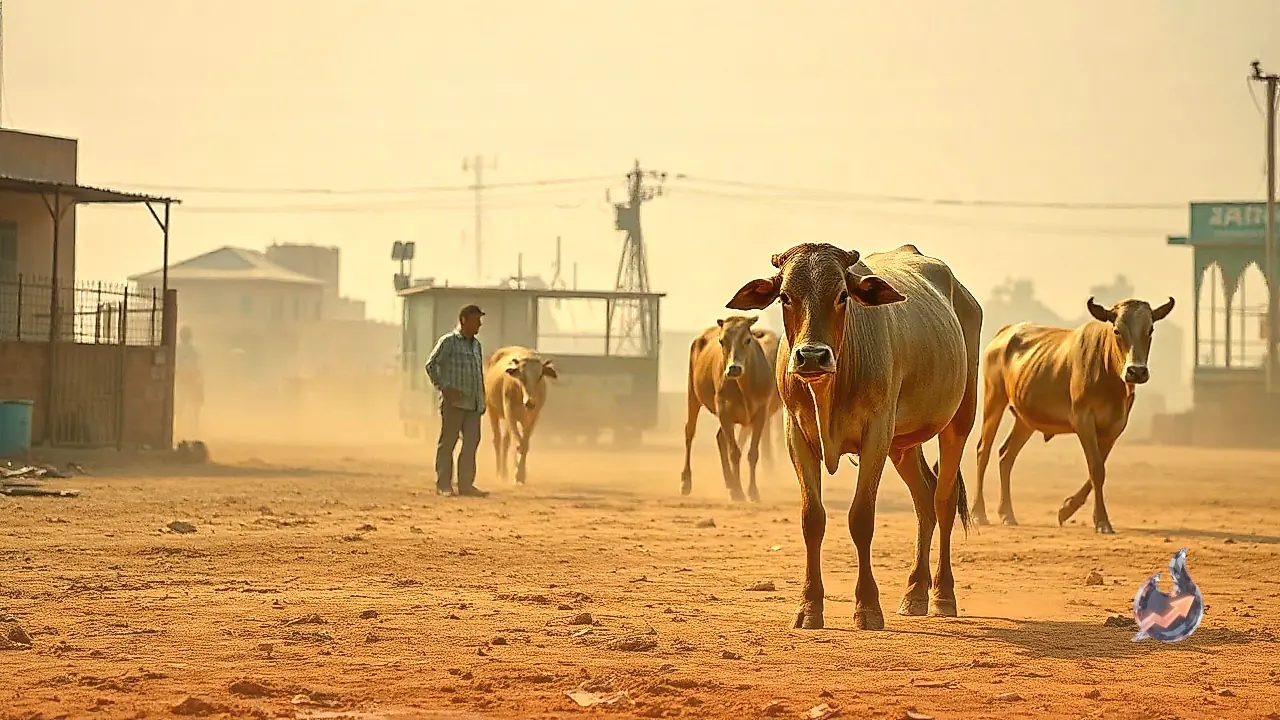

A severe outbreak of lumpy skin disease is spreading rapidly among cattle across the Bharatpur district, causing deep concern among local livestock owners as rural infections surge. The situation is particularly alarming in the Nadbai block, where authorities recorded 100 new cases of the virus within a single day. According to data released by the health and animal husbandry departments, a total of 631 animals have contracted the dangerous infection across the district so far.
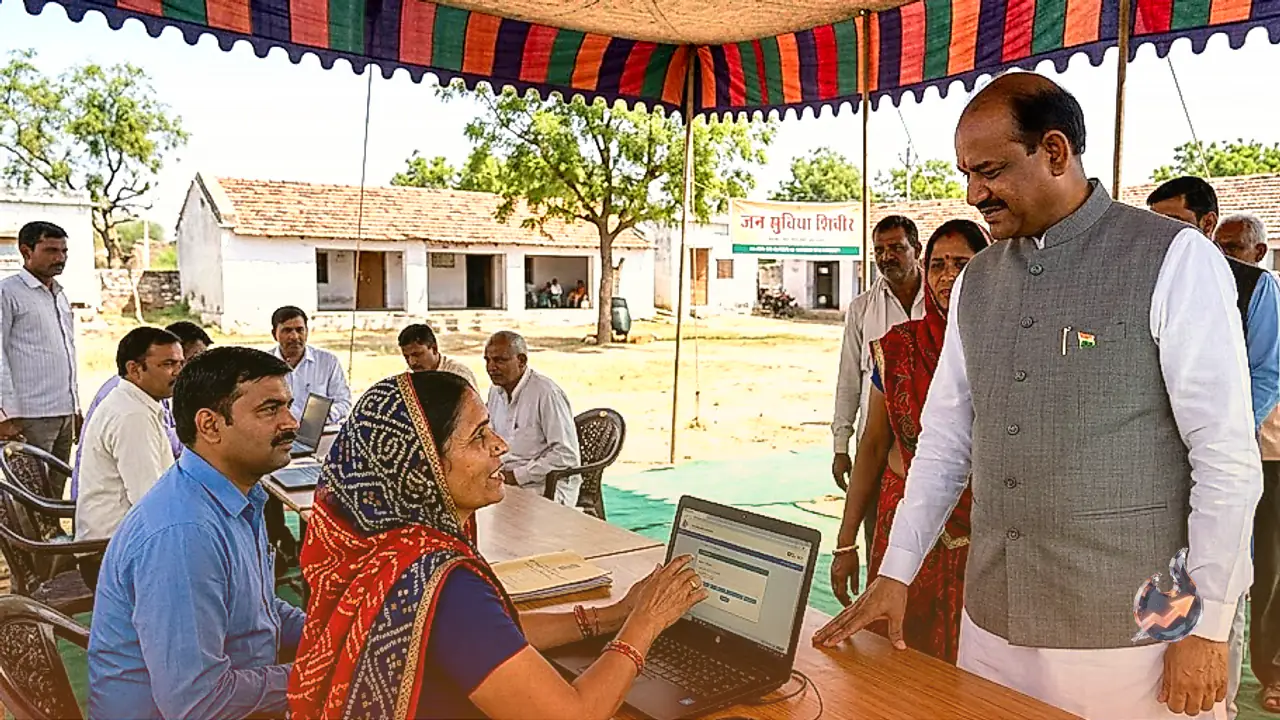
In response to the escalating crisis and the severe nature of the outbreak, District Collector Kamar Chaudhary convened an urgent, high-level meeting with senior administrative officials and representatives from the animal husbandry department. The meeting focused on curtailing the spread of the virus, deploying vaccination drives in affected areas, and ensuring timely medical treatment for infected cattle. The District Collector instructed officials to enforce strict preventive arrangements without tolerating any laxity, ordering the animal husbandry department to ramp up surveillance on a war footing in vulnerable zones.
Special Control Teams Deployed for Containment
To effectively curb the outbreak, the animal husbandry department has established special monitoring and control teams across every block level in the district. These dedicated teams are actively operating on multiple fronts.
Teams are conducting door-to-door surveillance in villages to identify infected animals, isolate them immediately, and commence treatment.
A priority vaccination campaign is underway for healthy livestock to shield uninfected cattle from contracting the virus.
Dedicated helplines and control rooms have been activated to promptly address grievances and emergency alerts from livestock owners, ensuring veterinary teams can reach sites instantly upon receiving a report.
The animal husbandry department has urged all livestock owners in the district to segregate their cattle from other animals and maintain rigorous hygiene inside enclosures. Owners have been advised to immediately report any symptoms such as fever, skin nodules, or excessive salivation to the nearest veterinary center or control team. Timely diagnosis and medical intervention are vital to saving the lives of affected animals.