





















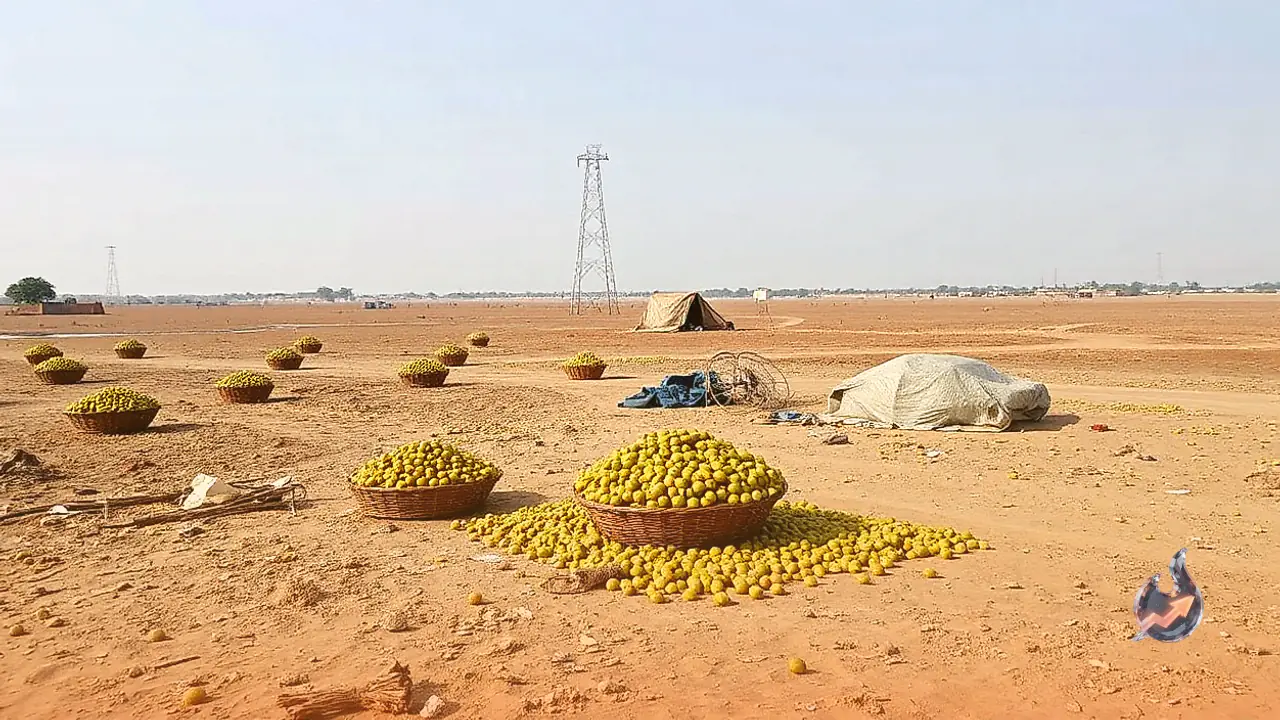

With the arrival of winter, the demand for nutrient-dense amla has started climbing across local vegetable markets in Jalore. Packed with vitamin-C and powerful antioxidants, the fruit is consumed raw and also processed into murabba, pickles, and fresh juice. Both traditional diets and Ayurvedic practices have long valued amla in various forms, making it a seasonal favorite that combines distinct taste with traditional health benefits.
Fresh amla is currently readily available in the markets of Jalore, encouraging residents to purchase and utilize it through different culinary methods at home. Among these preparations, amla murabba stands out as a household favorite that many families prefer to make and store during the colder months.
How to Prepare Amla Murabba at Home
Detailing the preparation process, local homemaker Santosh Devi shared that she makes amla murabba at home every winter. The process begins by boiling the amles until they are properly prepared. Next, a sugar syrup is cooked, and the boiled amlas are added to it and simmered over a low flame.
Cardamom and a small amount of saffron are added to the mixture during the cooking process. Once the preparation cools down completely, it can be stored safely inside a glass jar for consumption over time. According to Santosh Devi, consuming this homemade murabba helps maintain good eyesight and provides significant relief from persistent foot pain.
Diverse Uses and Ayurvedic Significance of Amla
Amla is not limited to murabba alone, as it can also be consumed in the form of pickles, juices, and other food items. Ayurvedic traditions highlight its diverse applications, while the abundant nutrients and antioxidants found in amla make it particularly valuable for overall wellness.
Ayurvedic doctor Ashwin Rohilla explained that amla is widely recognized for its anti-cancer and anti-aging properties. It can be consumed as a murabba, pickle, or juice, and Ayurveda outlines multiple ways to incorporate it. According to the doctor, several research studies have underscored the benefits of amla, cementing its reputation as a useful dietary addition. Since amla is easily accessible in the market throughout the winter season, people can conveniently include it in their daily diet according to their personal preferences.