
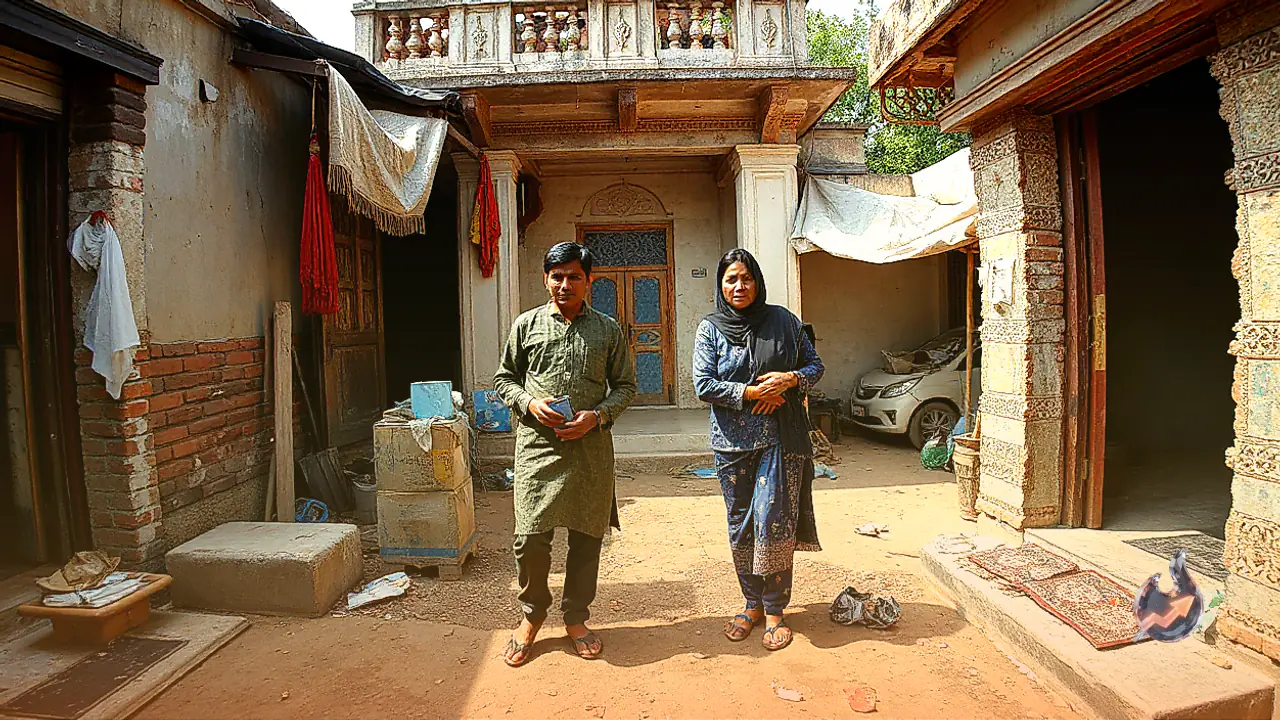















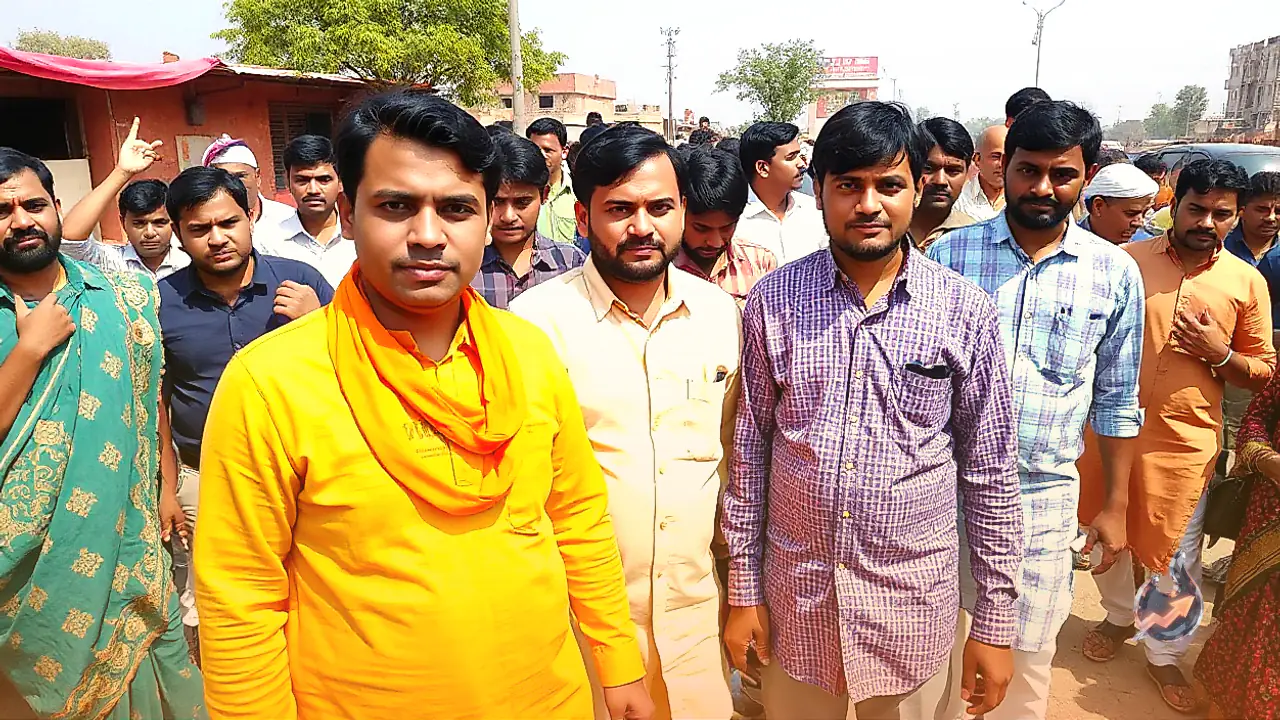

A local panchayat election outcome in Rajasthan's Bhilwara district has highlighted the stark divide between virtual popularity and grassroots political support. Komal Sahu, the wife of prominent Indian digital influencer Pawan Sahu, faced a heavy defeat in the contest for the post of village sarpanch at the Phooliya Kalan gram panchayat. Despite her family commanding a massive online audience across multiple digital networks, she managed to secure only 277 votes from local villagers.
Third-Place Finish in Phooliya Kalan Gram Panchayat
Voting for the positions of sarpanch and ward panch was conducted across 185 gram panchayat headquarters in Bhilwara district on Friday as part of the second phase of the Panchayati Raj elections. The ballot counting concluded and official results were announced by Saturday morning. In the Phooliya Kalan gram panchayat, situated in the Shahpura tehsil, Komal Sahu was pushed to third place in the final tally. The winning candidate, Bhagwati Lal Soni, secured a decisive victory with 1,203 votes to be elected as the new sarpanch, while runner-up Kaluram Jat garnered 797 votes, leaving Sahu far behind in the contest.
Massive Digital Following Fails to Translate into Ballots
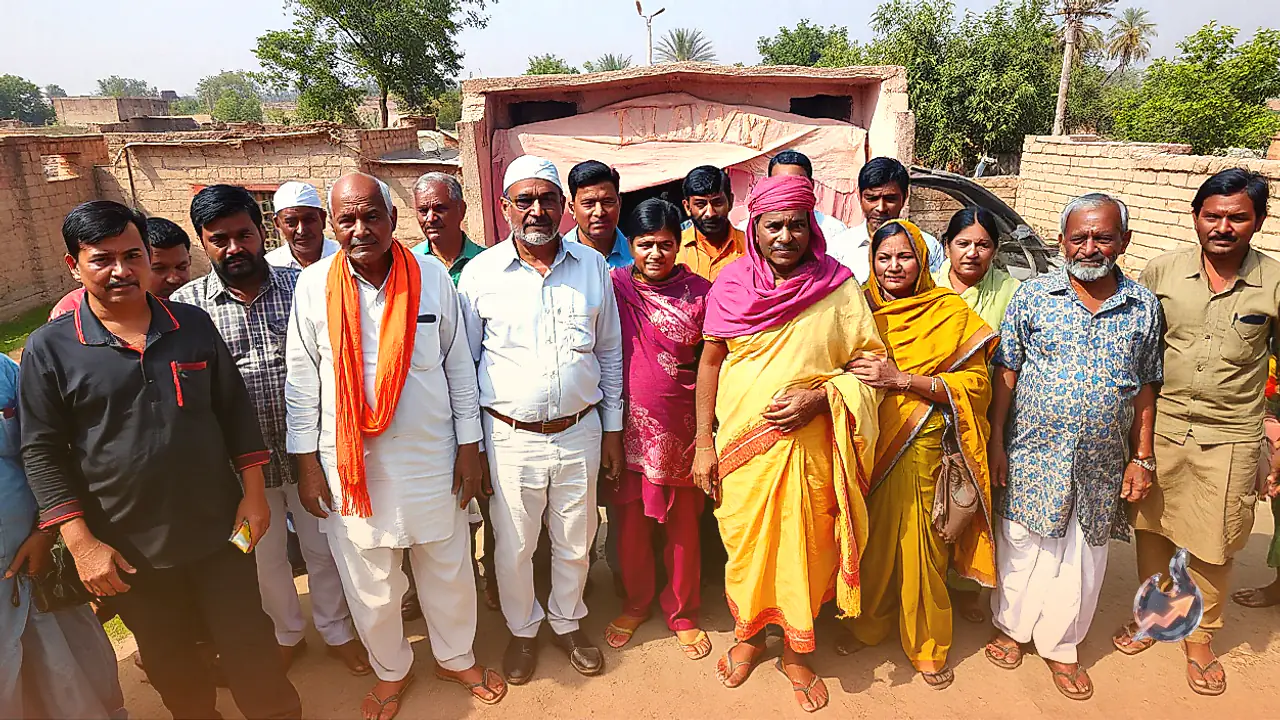
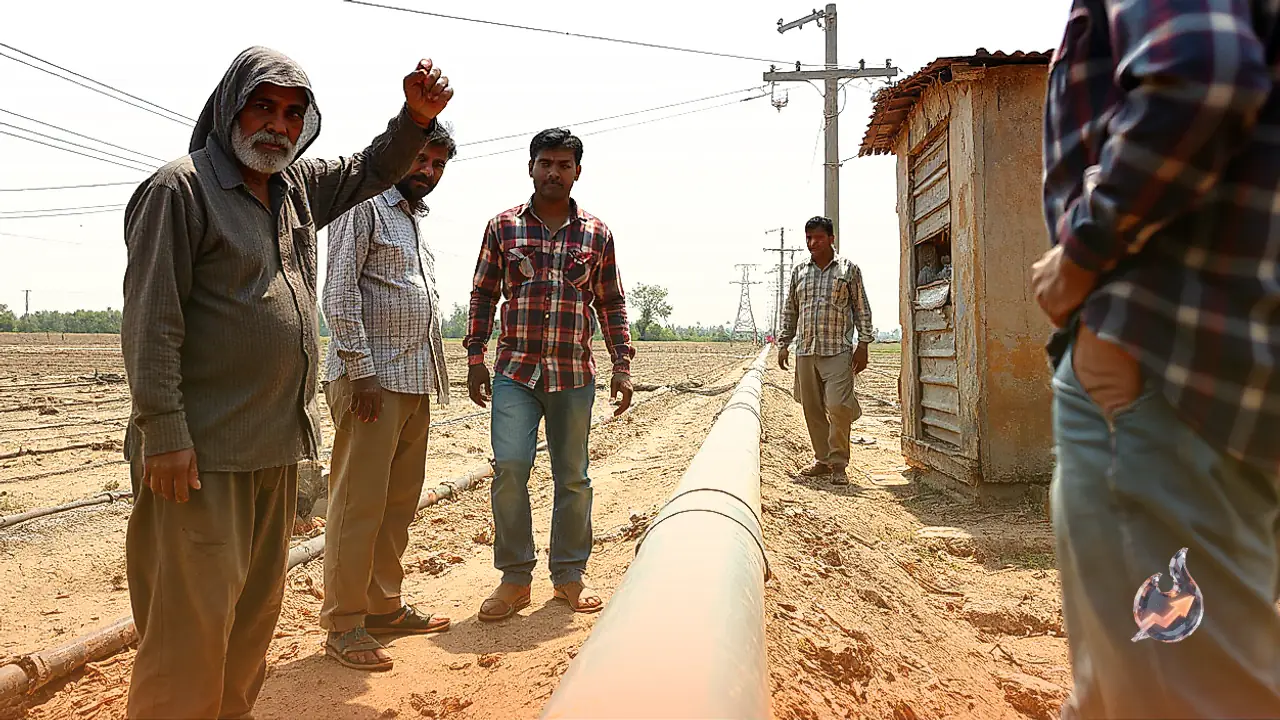
Pawan Sahu, who resides directly in Phooliya Kalan gram panchayat, is an influential figure on digital video platforms with a follower count running into tens of millions. His accounts count roughly 27.7 million subscribers on YouTube, around 7 million followers on Instagram, and approximately 3 million followers on Facebook. During the campaign trail, several prominent social media influencers from Rajasthan produced video appeals urging residents to back his wife. In addition, Pawan Sahu undertook several community efforts on his own initiative, such as installing handpumps and tube wells in the village, alongside appealing to residents regarding support for home construction. Nonetheless, local electors chose not to entrust Komal Sahu with the gram panchayat's top administrative post.
Virtual Stardom Versus Grassroots Trust
While many candidates in this electoral round heavily leveraged digital platforms to mobilize voters, the outcome in Phooliya Kalan has triggered discussions around the limits of social media influence in real-world democratic exercises. The election underscores that vast followings, video views, and online engagement do not automatically translate into political backing or civic trust inside the voting booth. For the residents of Phooliya Kalan, grassroots credibility and direct community relationships proved to carry far greater weight than high-profile internet fame.