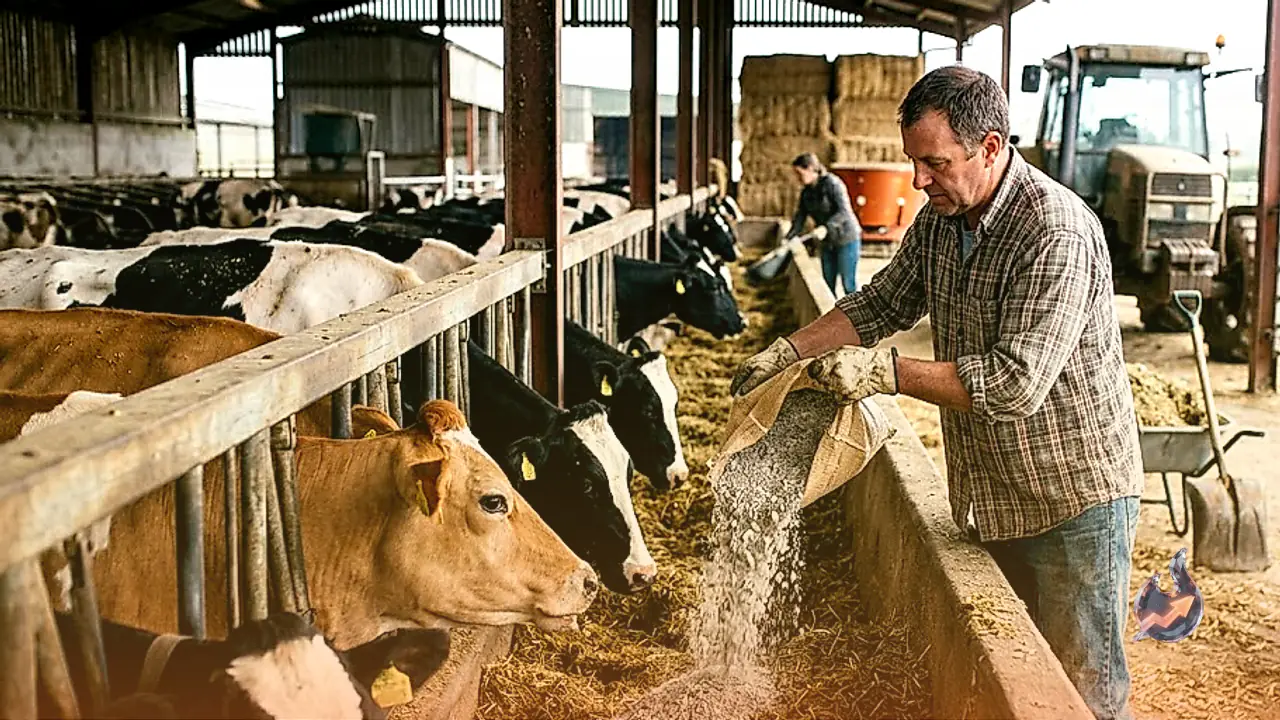


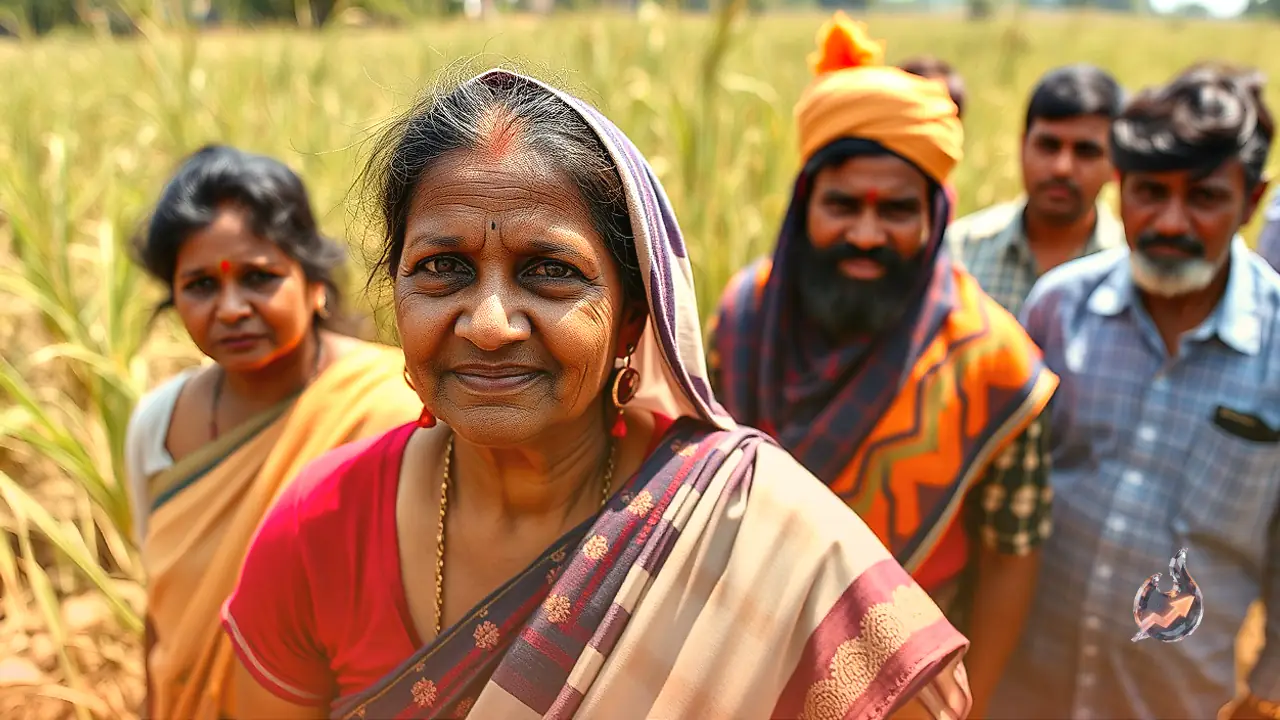



















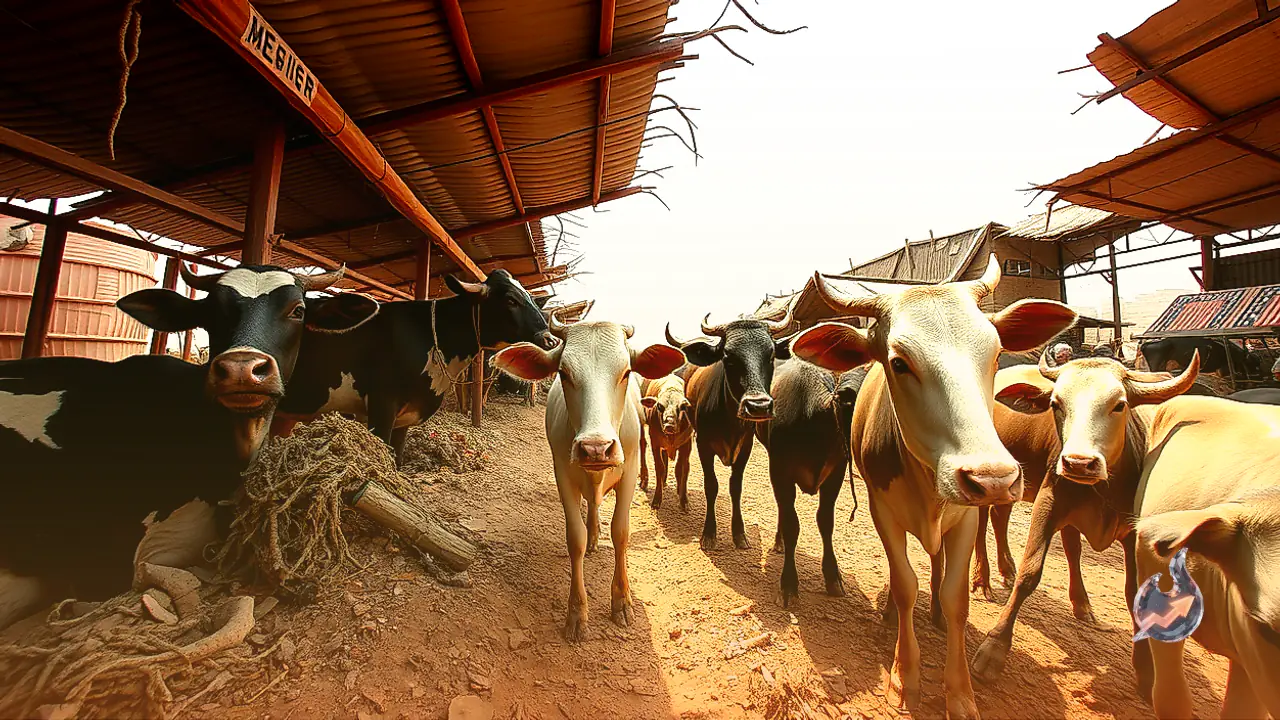

Cow shelters operating across the Mewat region of Deeg district in Rajasthan are transforming beyond conventional cattle welfare centers into productive units of rural self-reliance and community employment. Rather than depending entirely on charitable contributions, these facilities have started utilizing bovine resources to manufacture everyday household items. From dairy staples to cleaning supplies and worship essentials, the range of goods produced here is finding a steadily growing consumer base that now extends well beyond local rural borders.
Value Addition From Milk, Dung, and Urine
The core of this production model lies in the comprehensive processing of everything derived from the sheltered cattle. Fresh milk collected on site is processed directly into traditional culinary essentials like clarified butter and cottage cheese. Alongside dairy processing, cow dung and urine are collected systematically to create non-food household commodities. The dung is mixed and shaped into traditional incense sticks and worship cones, while processed cow urine serves as the primary base for natural surface cleaners and disinfectant phenyl, offering an eco-friendly option for routine domestic cleaning.
Expanding Distribution From Bharatpur to New Delhi
What began as a localized effort to meet neighbourhood demand around Bharatpur has grown into an inter-state distribution line reaching buyers in Delhi. Urban consumers seeking natural alternatives for worship and household sanitation have responded favorably to these offerings. This broad market reach has brought steady financial support to the shelters, allowing them to fund ongoing livestock upkeep and veterinary care while keeping their facilities running smoothly without relying purely on external donations.
Livelihood Generation and Market Standards
Beyond fiscal stability for the shelters themselves, the manufacturing chain provides steady employment for local village residents involved in production, curing, packing, and dispatch tasks. The initiative demonstrates how traditional bovine resources can support community employment when paired with structured processing. Maintaining long-term market interest in competitive metropolitan areas, however, will require rigorous attention to product consistency, hygienic handling, durable packaging, and efficient supply routes to keep up with consumer expectations.