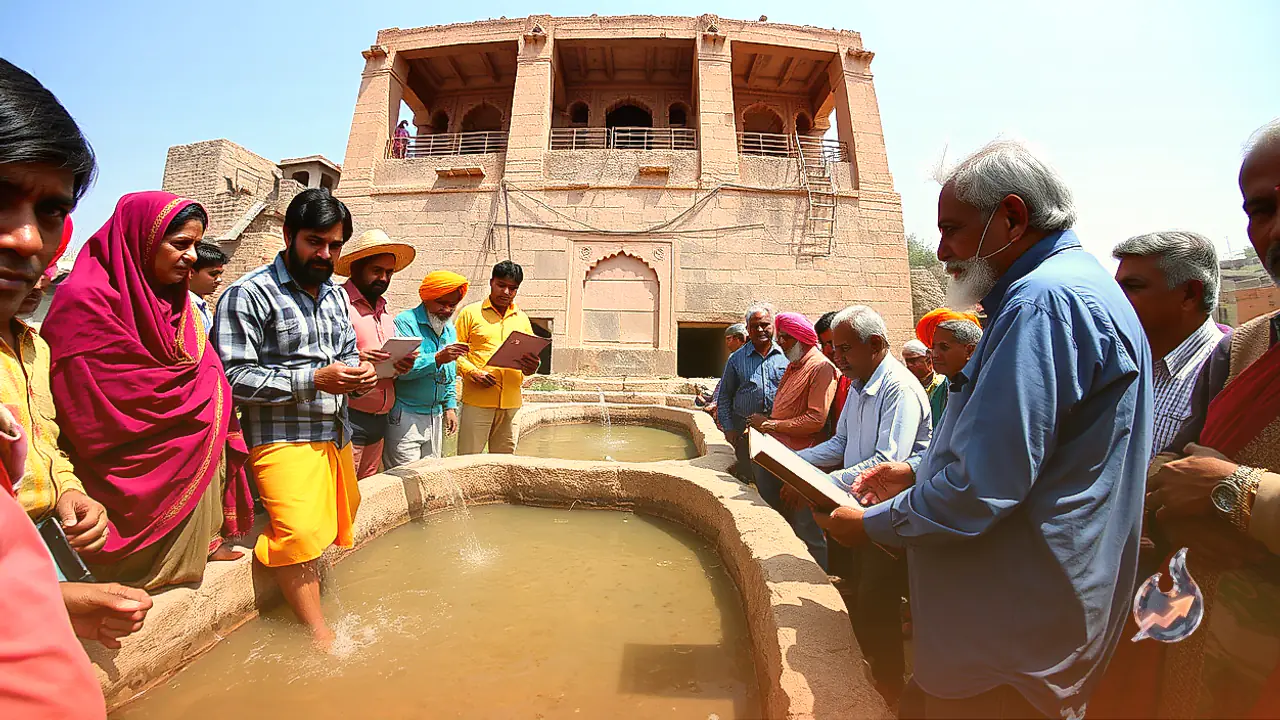





















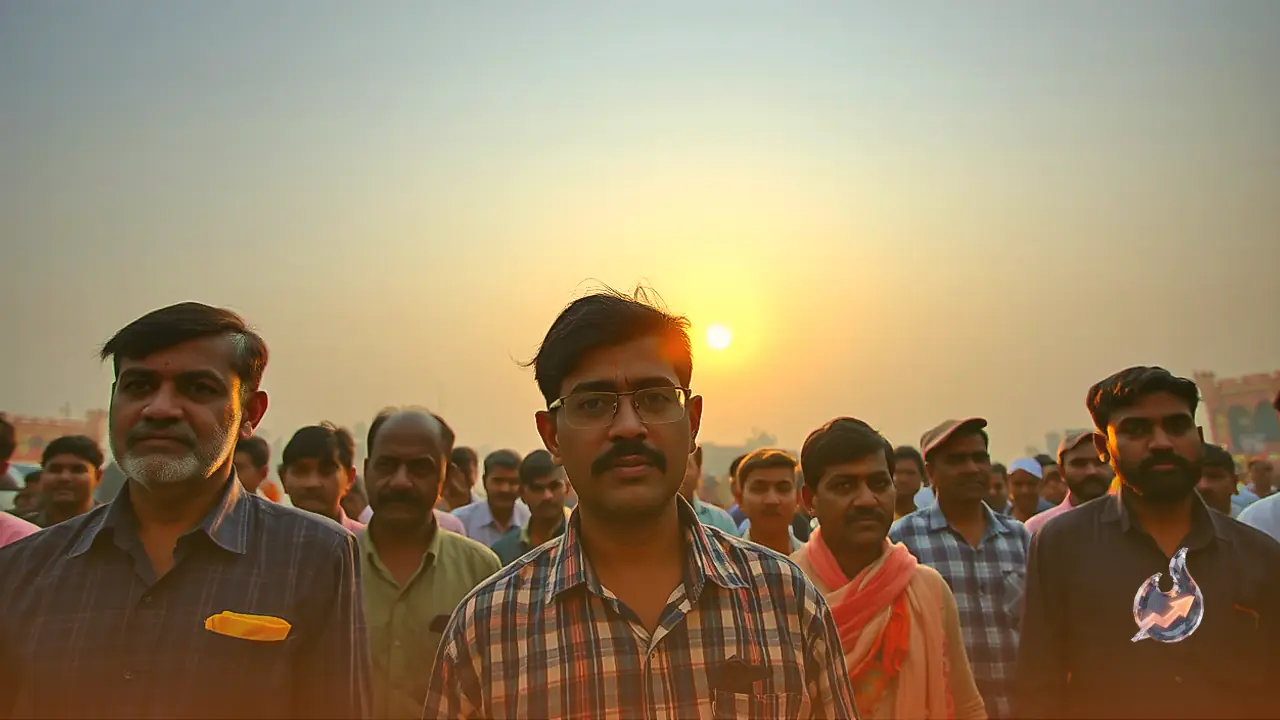

Rajasthan holds a distinctive place on the map not only for its historic forts but also for its remarkable geographical layout. Sitting at the state's easternmost boundary, the district of Dholpur boasts a natural phenomenon that sets it apart from every other region in the desert state. When dawn breaks over the land, the very first rays of morning light arrive in Dholpur, making this district a point of fascination across the state.
Within Dholpur, Silawat village in the Rajakhera sub-division holds the distinction of greeting the day ahead of everyone else. Compared to the central and western districts of Rajasthan, sunlight arrives here first. Because daybreak crosses into the state through this boundary, Dholpur is widely recognized as the Sunrise City of Rajasthan, serving as the threshold through which morning light steps into the state.
A Geographic Parallel to Dong in Arunachal Pradesh
On a national scale, this pattern mirrors what happens at the country's eastern extremity in Arunachal Pradesh, where Dong village greets India's first sunrise. That northeastern corner welcomes the sun first because of its far-eastern location on the map. Applying the exact same geographic principle strictly within Rajasthan's borders, Dholpur occupies that exact role, standing as the very first place in the state to catch the early sun.
Earth Rotation and Longitudinal Lines Explain the Phenomenon
Geography experts and lecturer Gaurav Parashar point to two fundamental physical factors responsible for this early dawn. The first is the rotation of the Earth on its axis, and the second is Dholpur's precise geographical location measured along longitudinal lines. The Earth continuously rotates from west to east. As the planet turns, whichever patch of land rotates into direct alignment with the sun experiences sunrise. Because Dholpur sits on Rajasthan's eastern frontier, the turning planet brings it directly in front of the sun before any other part of the state.
A 35-Minute Dawn Gap Across 869 Kilometers to Jaisalmer
Rajasthan spans a vast longitudinal width that stretches from Katra village in western Jaisalmer all the way to Silana, also known as Silawat village, in eastern Dholpur. The physical ground distance between these two outer points measures approximately 869 kilometers. According to longitudinal calculations, the Earth requires 4 minutes to rotate through a single degree. This longitudinal spread produces a time gap of about 35 minutes between sunrise in Dholpur and sunrise in Jaisalmer. As the Earth keeps rotating, the sun lights up the intermediate districts one by one from east to west before finally reaching Jaisalmer.
Sunset Follows the Exact Same Geographic Rule
The identical physical principle that governs the morning also dictates how the evening unfolds across the state. Because the sun rises earliest in Dholpur, dusk settles over this eastern district first as well. Conversely, border areas across western Rajasthan continue to see daylight much longer, with sunset occurring well after the eastern sky has darkened. The Earth's steady axial rotation combined with Dholpur's eastern coordinates establishes this district as an extraordinary study in the daily cycle of day and night.