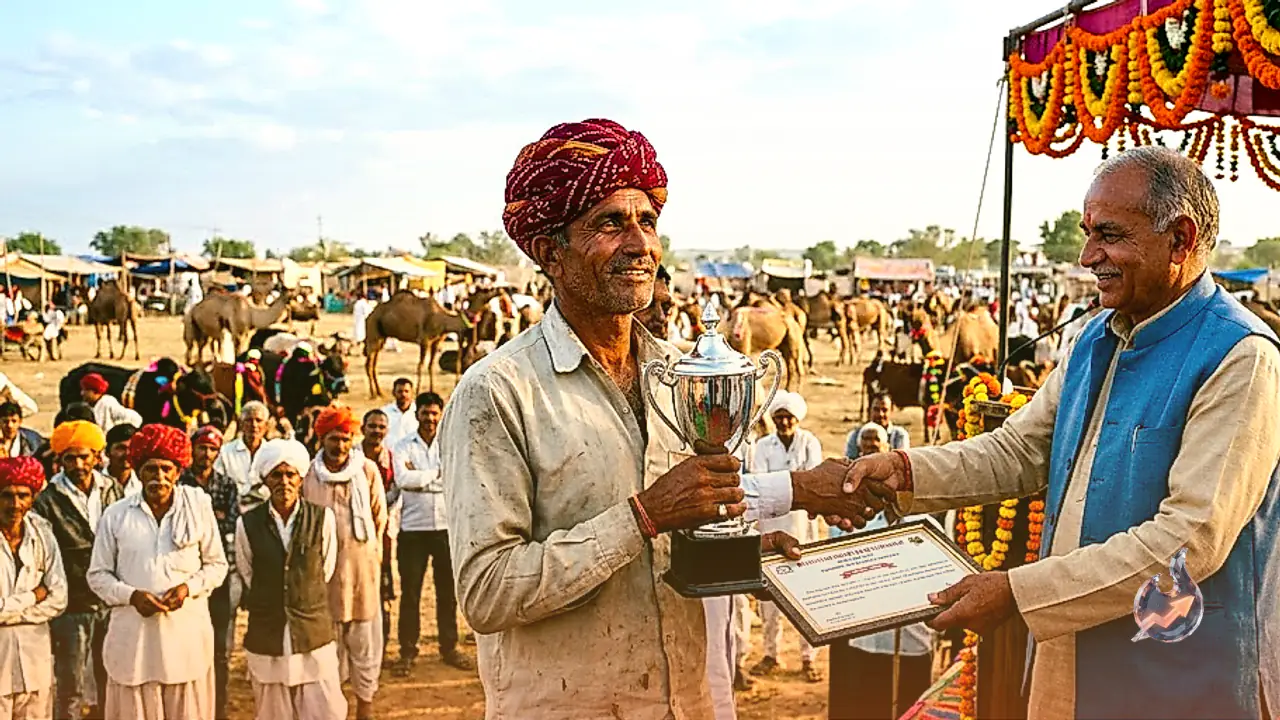




















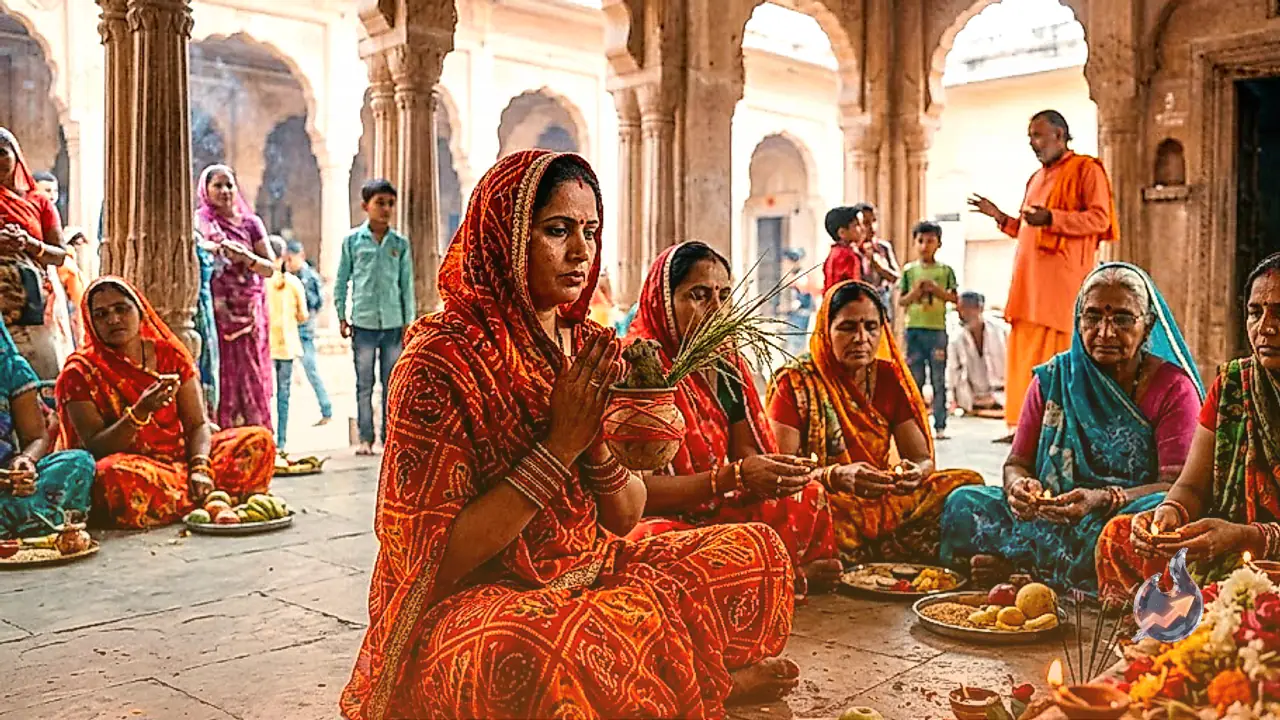

Mothers across Nagaur in Rajasthan are observing the sacred Hal Shashthi fast, also widely known as Hal Chhath, on the Shashthi tithi of Bhadrapada Krishna Paksha. Driven by maternal devotion and spiritual faith, women in the region are undertaking rigorous fasting rituals to seek longevity, robust health, and overall family prosperity for their children. The occasion also draws women aspiring for motherhood, who participate in the religious observances with equal solemnity and devotion.
Special Katha and Gender-Specific Entry Rules at Banshiwala Temple
To mark this auspicious day, elaborate religious arrangements have been organized at the renowned Banshiwala Temple, situated in Kathadiya Ka Chowk, Nagaur. Temple priests Narayan and Deekshant Parashar detailed that a three-hour traditional recitation of the Hal Chhath narrative will commence at 7:15 PM and continue until moonrise. During this dedicated story-telling session, entry to the temple courtyard will be strictly reserved for women, with male devotees restricted from entering the premises. The regulation ensures a dedicated atmosphere for female worshippers to gather and perform collective prayers. However, male devotees along with women will be permitted to participate in the late-night Aarti and obtain divine darshan.
Astrological Significance of Dhruva and Vyaghat Yogas
Astrologically, this year's Hal Shashthi is considered particularly auspicious due to rare planetary alignments. According to the traditional Hindu almanac, Wednesday features the formation of Dhruva Yoga, which remains active from early morning until 9:12 PM. Following its conclusion, Vyaghat Yoga takes effect and persists throughout the night. Astrologers emphasize that the harmonized alignment of the Tithi, Nakshatra, and Yogas makes this period exceptionally beneficial for conducting sacred rituals, prompting devotees to execute every procedure with precise adherence to tradition.
Honor to Agricultural Roots and Traditional Fasting Customs
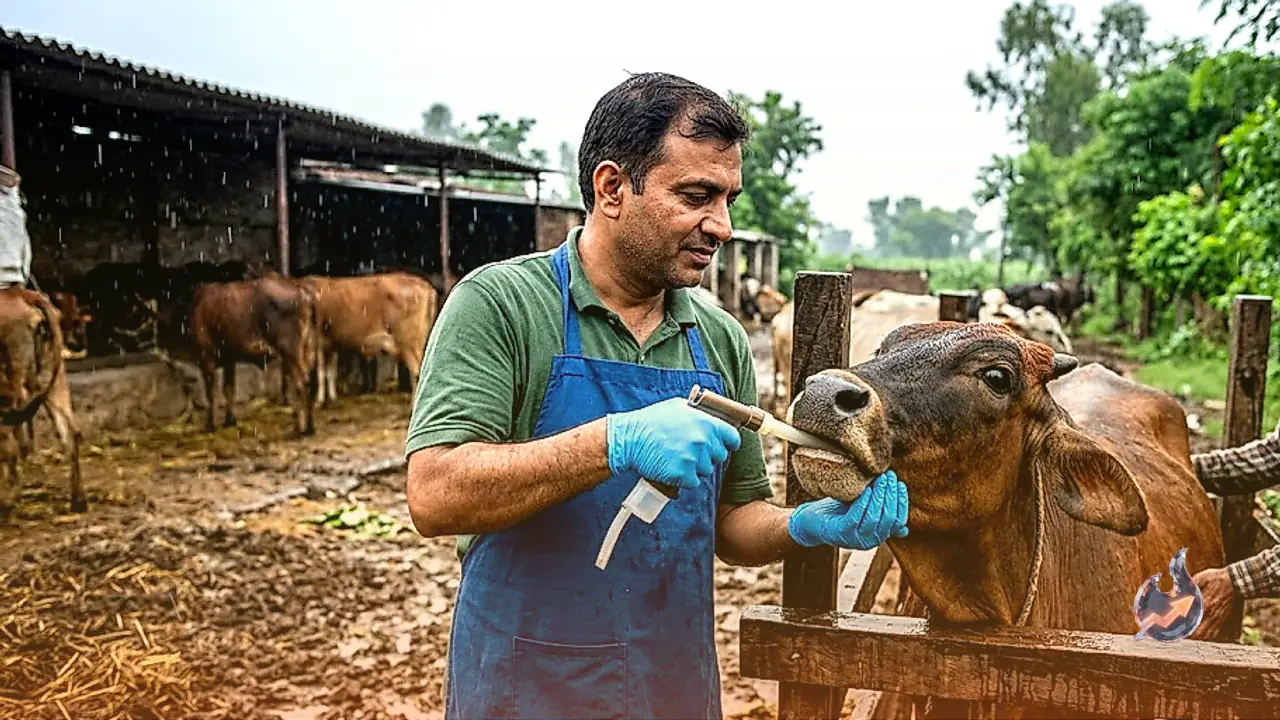
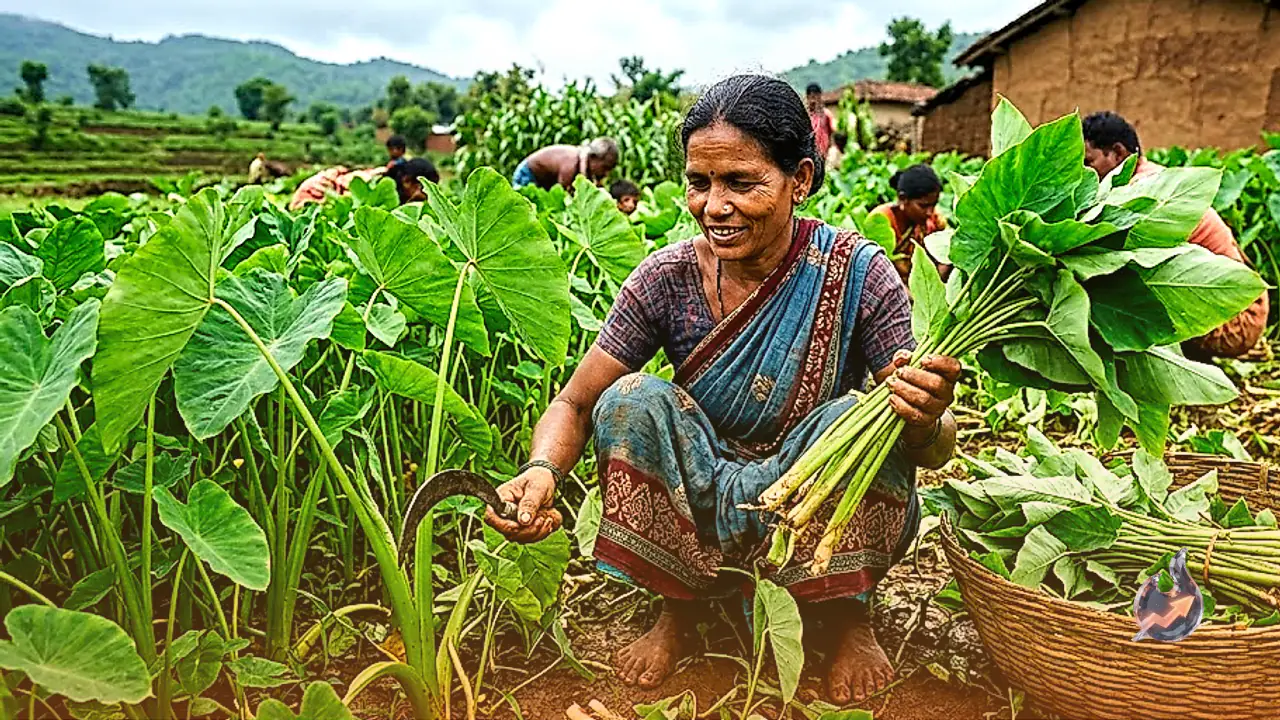
The rituals of Hal Shashthi carry deep reverence for nature and agricultural traditions. The festival honors Lord Balarama, the elder brother of Lord Krishna, who is revered as an incarnation of Sheshnag. Since Lord Balarama's iconic weapon is the plow (hal), the celebration bears his emblem's name. A central rule of this fast mandates that women abstain completely from consuming any food grains, fruits, or vegetables harvested from land prepared or cultivated using a plow. Instead of conventional crops, devotees maintain strict dietary restrictions to express gratitude to the earth. Furthermore, buffalo milk and curd hold symbolic importance during this occasion; as per long-standing customs, women break their day-long fast specifically by consuming curd prepared from buffalo milk after completing evening prayers.